Is OnStar worth it in 2026, or is it just another subscription draining your budget each month? Many drivers now ask this question as cars become smarter and more connected.
OnStar promises safety, convenience, and peace of mind. However, not everyone feels the value matches the cost. Many users sign up, then rarely use most features. Others realize their smartphone already does similar tasks.
Subscription fatigue also plays a big role. People already pay for streaming, cloud storage, and mobile apps. Adding another monthly fee for your car can feel unnecessary. Over time, the total cost becomes hard to ignore.
At the same time, safety remains a strong selling point. OnStar connects you to real human advisors during emergencies. That level of support still stands out compared to most apps. For families and frequent drivers, this feature can feel essential.
Still, doubts remain. Do you really need all these features? Are you paying for tools you never use? Could cheaper alternatives deliver the same value?
In this guide, you will discover the real answer. We break down OnStar pricing, features, and actual value in 2026. By the end, you will know if OnStar truly fits your needs or simply adds another unnecessary expense.
What Is OnStar and How Does It Work
OnStar is a connected car service developed by General Motors. It combines built in vehicle technology with mobile networks and human support. The goal is simple. It helps drivers stay safe, connected, and in control at all times.
The system works through a small device installed inside the vehicle. This device connects to cellular networks and GPS satellites. It constantly tracks key data such as location, vehicle status, and system alerts. When needed, it sends this data to OnStar advisors or to your mobile app.
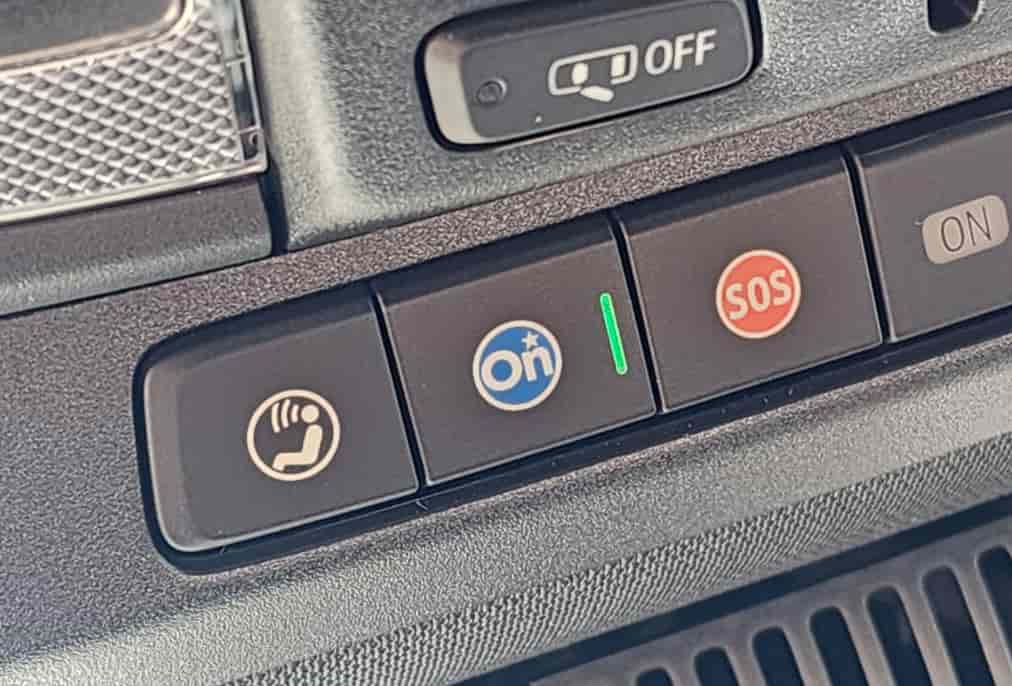
One of the most important features is live human assistance. Drivers can press the OnStar button inside the car to speak with an advisor. In emergency situations, the system can automatically connect you to help without any action from you. This creates a faster response compared to calling for help manually.
OnStar also connects with a mobile app. Through the app, users can lock or unlock the car, start the engine remotely, and check vehicle diagnostics. This adds a layer of convenience, especially for busy drivers who want quick control from their phone.
However, the system depends heavily on network coverage. If the signal is weak, some features may not work properly. This limitation often affects users in rural or remote areas.
In simple terms, OnStar acts as a bridge between your car, your phone, and real human support. It goes beyond basic car technology, but it also raises an important question. Do you really need all these features in your daily driving experience?
OnStar Features Breakdown and Core Value
Safety and Emergency Features
Safety remains the strongest reason many drivers choose OnStar. The system focuses on fast response and real human support during critical situations.
Automatic Crash Response stands out as a key feature. When a crash occurs, the system detects the impact and contacts an advisor immediately. The advisor checks your condition and sends emergency services if needed. This process happens within seconds, even if you cannot respond.
Drivers can also press the emergency button at any time. This connects them directly to a trained advisor. Whether it is an accident, a medical issue, or a dangerous situation, help becomes available quickly.
Stolen Vehicle Assistance adds another layer of protection. If someone steals your car, OnStar can help track its location. In some cases, they can even slow down the vehicle remotely with law enforcement support.
These features provide real value. They reduce response time and increase safety. For families and high mileage drivers, this can make a significant difference.
Security and Vehicle Monitoring
OnStar also helps drivers monitor and protect their vehicles daily. This includes location tracking and remote control features.
Users can check their car’s location through the mobile app. This helps in crowded parking areas or unfamiliar locations. It also adds peace of mind when someone else uses your vehicle.
Remote access features allow you to lock or unlock the car from anywhere. You can also trigger the horn or lights to find your vehicle faster. These tools improve convenience but also enhance basic security.
However, there are limitations. The system depends on network signals. If the connection drops, tracking may become inaccurate. This can reduce reliability in certain areas.
Another concern is overlap with existing technology. Many modern cars and smartphone apps already offer similar tracking features. This reduces the unique value of OnStar for some users.
Convenience and Remote Access
Convenience plays a major role in OnStar’s appeal. The service allows drivers to control their vehicle without being physically present.
Remote start is one of the most popular features. Drivers can start the engine from their phone before entering the car. This helps in extreme weather conditions, especially during hot summers or cold winters.
Vehicle diagnostics also provide useful insights. The system sends reports about engine health, tire pressure, and maintenance needs. This helps drivers detect problems early and avoid costly repairs.
Despite these benefits, many users do not use these features often. Some drivers forget they even exist after the first few months. Others rely on built in car systems that offer similar functions without extra cost.
This creates a key issue. You may pay for convenience features that you rarely use.
OnStar includes navigation support and in car connectivity features. These tools aim to improve the overall driving experience.
Turn by turn navigation offers step by step directions through the vehicle system. Advisors can also send directions directly to your car. This was highly valuable in the past.
Today, most drivers prefer smartphone navigation apps. Google Maps and similar tools provide faster updates and better traffic data. This makes OnStar navigation less essential for many users.
The built in Wi Fi hotspot allows passengers to connect to the internet during trips. This feature works well for families and long distance travel. However, it often requires an additional data plan, which increases the total cost.
As a result, the value of these features depends on your usage. If you already rely on your smartphone, you may not gain much from OnStar in this area.
OnStar Pricing in 2026 and Full Cost Breakdown
Understanding the real cost is the key to answering the question is OnStar worth it. Many drivers only look at the monthly fee. However, the long term cost tells a very different story.
OnStar offers several subscription plans in 2026. The most common options include Safety and Security, Remote Access, and Premium plans. Each plan unlocks different levels of features, which often leads users to upgrade over time.
The Safety and Security plan usually costs around 15 to 25 dollars per month. It focuses on emergency response, crash detection, and basic assistance. This plan delivers the core value of OnStar.
The Remote Access plan ranges from 20 to 35 dollars per month. It adds features like remote start, lock and unlock, and vehicle status updates through the mobile app.
The Premium plan can reach 40 to 50 dollars per month. It includes all features, plus navigation support and in car Wi Fi. This is where the cost becomes more noticeable.
At first glance, these prices may seem reasonable. However, the long term impact changes how most people see the value.
If you pay 20 dollars per month, you spend about 240 dollars per year. Over five years, that becomes 1200 dollars. For higher tier plans, the total can easily reach 2000 to 3000 dollars.
This creates a common pain point. Many users continue paying without fully using the service. The subscription becomes automatic, while the actual usage stays low.
Another issue comes from free trial periods. Many vehicles include OnStar for a limited time. Once the trial ends, users must decide quickly whether to continue. Some people subscribe without fully evaluating their real needs.
There is also a psychological factor. A monthly fee feels small, but the accumulated cost becomes significant over time. This makes OnStar feel more expensive than it first appears.
In simple terms, the real question is not just the monthly price. The real question is whether you will use the features enough to justify the long term cost.
Hidden Costs and Limitations You Should Know
Many drivers focus only on the visible monthly fee. However, hidden costs and limitations often shape the real experience. These factors can change how you evaluate whether OnStar is worth it.
One common issue starts after the free trial ends. Many vehicles include OnStar for a limited time. During this period, users enjoy full features without thinking about cost. Once the trial expires, they face a paid subscription. Some continue without reviewing their actual usage.
Another hidden cost comes from feature restrictions. Not all features are available in every plan. Users often need to upgrade to access tools they expect. This increases the monthly expense over time.
Connectivity also creates a limitation. OnStar depends on cellular networks to function. In areas with weak signal, key features may not work properly. This affects tracking accuracy, remote commands, and even emergency communication in some cases.
Wi Fi services can add extra cost as well. The built in hotspot often requires a separate data plan. This increases the total monthly expense beyond the base subscription.
There is also a long term commitment issue. While OnStar does not always require contracts, many users stay subscribed out of habit. They continue paying even when they rarely use the service.
Another concern involves feature overlap. Modern vehicles and smartphones now offer similar capabilities. Navigation, tracking, and remote access are widely available through apps. This reduces the unique value of OnStar.
These limitations create a key insight. The real cost of OnStar is not just financial. It also includes unused features, dependency on network quality, and missed alternatives that may offer better value.
Understanding these hidden factors helps you make a smarter decision. It prevents you from paying for a service that does not match your actual needs.
Pros and Cons of OnStar
Understanding both strengths and weaknesses will help you decide if OnStar is worth it. While the service offers strong safety features, it also comes with clear trade offs.
Pros of OnStar
OnStar delivers real value in safety and emergency support. This remains its biggest advantage.
The system connects you to real human advisors at any time. In critical situations, this can save valuable seconds. Automatic Crash Response works without driver input, which adds another layer of protection.
The service also integrates deeply with General Motors vehicles. This allows smoother performance compared to third party apps. Features like stolen vehicle assistance and remote diagnostics feel more reliable within the ecosystem.
Another benefit is peace of mind. Families often value the ability to get help quickly. For parents or long distance drivers, this feature alone can justify the cost.
Cons of OnStar
Despite its strengths, OnStar has several limitations that affect its overall value.
The monthly cost adds up over time. Many users pay hundreds or even thousands of dollars without using all features. This creates a sense of wasted value.
Feature overlap is another issue. Smartphones already provide navigation, tracking, and communication tools. Many modern vehicles also include built in remote access systems.
Network dependency can reduce reliability. If the signal is weak, key features may not function properly. This becomes a problem in rural or remote areas.
Some users also feel locked into higher plans. Certain features require upgrades, which increases the total cost.
Quick Summary
OnStar offers strong safety and real human support. These features stand out and provide real value in emergencies.
However, the service becomes less attractive when you consider long term cost and feature overlap. For many drivers, the decision depends on how much they value safety versus savings.
Is OnStar Worth It for Different Types of Users
The value of OnStar depends on your lifestyle and driving habits. Not every driver needs the same level of safety or connectivity. For families, OnStar often feels worth it. Parents want quick support during emergencies, and features like Automatic Crash Response provide real peace of mind. Location tracking also helps when multiple people use the same vehicle.
Daily commuters may see mixed value. If you drive short distances, you may rarely use OnStar features. Most needs can be covered by smartphone apps. However, long distance commuters may still benefit from emergency support and vehicle diagnostics. In this case, the value depends on how often you drive and how much you rely on safety features.
Budget conscious drivers often find OnStar too expensive. The monthly fee adds up quickly over time. Many prefer free alternatives such as navigation apps or basic roadside assistance services. For them, OnStar does not offer enough return on cost.
Frequent travelers tend to get the most value. Long trips increase the risk of accidents or unexpected issues. OnStar provides fast access to help and improves overall driving confidence. Tech savvy drivers, however, may not see the same benefit. Many already use advanced apps and built in car features, which reduce the need for a paid service.
In simple terms, OnStar works best for safety focused users. Others may find it unnecessary.
Which Option Delivers Better Value
To decide if OnStar is worth it, you need to compare it with real alternatives. Many drivers today rely on smartphones, built in vehicle features, or roadside assistance services instead of paying for a subscription.
One of the most common alternatives is roadside assistance programs like AAA. These services focus on towing, battery support, and emergency help. They often cost less per year than OnStar. However, they do not offer real time crash detection or in vehicle integration. This makes them less responsive in critical situations.
Smartphone apps also replace many OnStar features. Navigation apps provide real time traffic updates and accurate directions. Emergency call functions are built into most devices. Location sharing and tracking are also widely available. For many users, these tools cover daily needs without extra cost.
Modern vehicles now include built in connectivity features as well. Many cars offer remote start, diagnostics, and app control without requiring OnStar. This reduces the need for a separate subscription.
However, OnStar still has one clear advantage. It connects you to real human advisors during emergencies. This human element creates faster and more reliable support when seconds matter.
In terms of value, alternatives work well for convenience and cost savings. OnStar stands out for safety and immediate assistance. The better option depends on what you prioritize most in your driving experience.
Final Verdict: Is OnStar Worth It in 2026
So, is OnStar worth it in 2026? The answer depends on how much you value safety, convenience, and long term cost.
OnStar delivers strong benefits in emergency situations. Features like Automatic Crash Response and live advisor support provide real protection. For families and frequent drivers, this level of safety can justify the monthly fee. The peace of mind alone makes a big difference in daily driving.
However, the cost becomes a major factor over time. Many drivers end up paying for features they rarely use. Smartphones and modern car systems already cover navigation, tracking, and remote access. This reduces the overall value of OnStar for everyday use.
If safety is your top priority, OnStar can be worth it. It offers fast response and human support that most alternatives cannot match. If you focus on saving money or prefer flexible tools, you may find better options elsewhere.
In simple terms, OnStar is not essential for everyone, but it can be highly valuable for the right user.
Before you subscribe, ask yourself a simple question. Will you actually use these features, or will you just pay for them each month?
What do you think? Is OnStar worth it for your driving needs, or does it feel like an unnecessary expense? Share your thoughts and experience to help others make a smarter decision.