The Auto Start Stop system on the Chevy Silverado aims to improve fuel efficiency. It shuts the engine off when the vehicle stops and restarts it when the driver releases the brake. Many drivers find this feature useful for emissions control. However, many others feel it disrupts driving comfort.
In real driving conditions, especially in traffic, the system can feel annoying. The engine turns off too often at stoplights and in congestion. The restart process can feel slow or rough. Some drivers also worry about long term wear on the battery and starter system.
Because of these issues, many Silverado owners want a permanent solution. They do not want to press the disable button every time they start the engine. They prefer a method that keeps the system off permanently.
This guide explains how to permanently disable the Chevy Silverado Auto Start Stop system. You will learn how the system works and why it behaves this way. You will also explore different methods to turn it off permanently. Each method is explained in a clear and practical way.
By the end of this guide, you will understand which disable method fits your needs best. You will also know the risks and benefits before making any modification to your vehicle.
How the Auto Start Stop System Works
The Auto Start Stop system in the Chevy Silverado helps reduce fuel consumption. It turns off the engine when the vehicle stops. It restarts the engine when the driver releases the brake or presses the accelerator.
The system relies on multiple sensors. These sensors monitor battery level, engine temperature, brake pressure, and vehicle load. The system only activates when conditions are safe. For example, it avoids shutting off the engine when the battery charge is low or when the engine is still cold.
Chevrolet designed this system to meet fuel efficiency and emissions standards. It helps reduce fuel use during idle time. It also supports environmental regulations in many regions. Because of this, the system is integrated deeply into the vehicle ECU and cannot be treated as a simple feature toggle.
However, this design creates a different driving behavior. The engine does not stay running at every stop. This change affects how the vehicle feels in city driving. Some drivers notice a delay when the engine restarts. Others feel a slight vibration during ignition.
The system also depends heavily on battery health. A weak battery can reduce performance or cause inconsistent activation. Over time, this dependency leads many drivers to question whether the system fits their driving style.
Understanding how this system works is important before attempting any modification. It helps you choose the right method for disabling it and avoid unnecessary risks.
Temporary vs Permanent Disable Methods
Drivers of the Chevy Silverado often start by using the simplest option to control the Auto Start Stop system. The vehicle includes a built in button that allows temporary deactivation. When the driver presses this button, the system stops working for that driving cycle.
This temporary method does not stay active after the engine turns off. The system resets every time the vehicle restarts. This design follows factory settings and emissions requirements. It ensures the system always activates by default when the engine starts.
Many drivers find this approach inconvenient. They need to press the button every time they drive. In busy daily use, this becomes repetitive and easy to forget. As a result, the system still activates unexpectedly in many situations.
Permanent disable methods work differently. These methods change how the system behaves at a deeper level. They affect vehicle settings stored in the ECU or modify related sensors. Once applied, the system stays off even after restarting the engine.
Permanent solutions include OBD2 programming tools, ECU reconfiguration, or hardware adjustments. These methods offer more consistent control. However, they also require more technical knowledge or professional support.
The key difference between temporary and permanent disable methods lies in system memory. Temporary solutions do not change factory logic. Permanent solutions modify how the system initializes at startup.
Understanding this difference helps you choose the right approach. If you only want short term control, the factory button may be enough. If you want a consistent driving experience without manual steps, permanent solutions become more relevant.
Method 1 Using OBD2 Tuner or Programmer
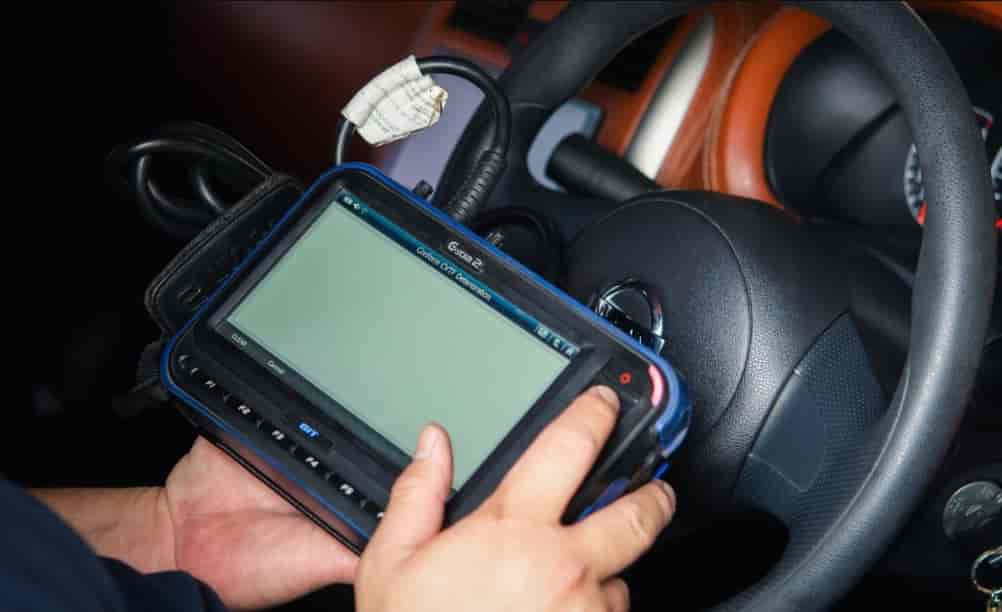
One of the most popular ways to permanently disable the Chevy Silverado Auto Start Stop system is by using an OBD2 tuner. This tool connects directly to the vehicle diagnostic port. It communicates with the engine control unit and allows users to adjust factory settings.
An OBD2 tuner works by accessing software parameters inside the ECU. Some advanced devices include options to disable the Auto Start Stop function completely. Once the setting is changed, the system no longer activates during normal driving conditions.
Many drivers prefer this method because it does not require physical modification. You simply plug the device into the OBD2 port and follow the programming instructions. In most cases, the process takes only a few minutes.
This method also offers flexibility. Some tuners allow you to restore the original settings at any time. This makes it a reversible solution compared to hardware based modifications.
However, this approach still carries some risks. Certain vehicle warranties may not cover changes made through third party tuning devices. In addition, not all OBD2 tools support Auto Start Stop control for every Silverado model year. Compatibility depends on the software version installed in the vehicle.
Despite these limitations, many users consider this the safest and most practical permanent disable method. It balances ease of use, reversibility, and effectiveness without requiring mechanical changes.
Method 2 Fuse or Battery Sensor Modification
Another way some Chevy Silverado owners try to disable the Auto Start Stop system is by modifying the fuse or battery sensor circuit. This method targets the electrical components that support the system instead of the software inside the ECU.
In many Silverado models, the Auto Start Stop function depends on battery monitoring sensors. These sensors check voltage and charge levels before allowing the system to activate. By interrupting or altering these signals, the system may stop working under normal conditions.
Some users attempt to remove or disconnect specific fuses related to engine start stop control. Others try to modify the battery management sensor connection. These changes can prevent the system from receiving the correct activation signals.
This method can sometimes achieve a permanent disable effect. However, it is not a clean or fully controlled solution. The vehicle may interpret missing signals as a fault condition. This can trigger warning lights on the dashboard or create error codes in the system.
In some cases, other vehicle functions may also be affected. Modern vehicles integrate electrical systems tightly, so one change can influence multiple modules. This increases the risk of unexpected behavior.
Because of these risks, this method is generally not recommended unless performed by someone with strong automotive electrical knowledge. It may solve the Auto Start Stop issue, but it can also create new technical problems.
For most drivers, this approach is considered less stable compared to software based solutions like OBD2 tuning or ECU programming.
Method 3 Dealer Programming or ECU Reflash
A more advanced way to permanently disable the Chevy Silverado Auto Start Stop system involves ECU reprogramming through a dealer or certified automotive technician. This method changes the software logic inside the vehicle control unit.
In this process, the technician connects specialized diagnostic equipment to the vehicle. The ECU is then reconfigured using official or professional grade software tools. Some service centers can adjust factory settings to disable the Auto Start Stop function completely.
This method is closer to a factory level modification. It does not rely on external devices or physical wiring changes. Instead, it modifies how the system behaves at the core software level. Because of this, the result is usually stable and consistent.
Many drivers prefer this option because it feels more secure compared to aftermarket modifications. The adjustment is done through professional systems, which reduces the chance of random errors or unstable behavior.
However, this method has limitations. Not all dealerships offer this type of customization. Some regions restrict ECU modifications due to emissions regulations or manufacturer policies. In addition, the cost is usually higher compared to OBD2 tuning solutions.
There is also a warranty consideration. Even though the work may be done professionally, modifying ECU settings can still affect manufacturer warranty coverage depending on the service provider and vehicle condition.
Despite these factors, ECU reprogramming remains one of the most reliable ways to achieve a permanent Auto Start Stop disable. It offers a balance between stability, effectiveness, and system integration.
Risks of Permanently Disabling Auto Start Stop
Permanently disabling the Chevy Silverado Auto Start Stop system can improve driving comfort, but it also comes with certain risks that every driver should understand before making any changes.
One of the main concerns is warranty coverage. When you modify ECU settings or use third party tuning tools, the manufacturer may not cover related issues under warranty. This depends on the service method and dealership policies, but it remains an important factor to consider.
Another risk involves fuel efficiency. The Auto Start Stop system is designed to reduce fuel consumption during idle time. When you disable it, the engine runs continuously at stops. This can slightly increase fuel usage, especially in heavy city traffic.
There is also an emissions consideration. The system helps reduce exhaust output during idle periods. Disabling it may affect how the vehicle complies with environmental standards in some regions. This is more relevant in areas with strict emissions regulations.
Battery and starter system concerns are often debated. Some drivers believe the system causes extra wear, while others argue that modern components are designed to handle frequent starts. Disabling the system changes how these components are used, but it does not eliminate wear completely.
Finally, software or electrical modifications can introduce unexpected behavior if not done correctly. Incorrect tuning or hardware changes may trigger warning lights or system errors.
Because of these factors, it is important to choose a reliable method and understand the trade off between comfort and system efficiency before making a permanent change.
Best Recommended Method for Permanent Disable
Choosing the best way to permanently disable the Chevy Silverado Auto Start Stop system depends on your priorities. Each method offers a different balance between safety, cost, and long term reliability.
If you want a simple and reversible solution, an OBD2 tuner is usually the best option. It allows you to change system behavior without physical modifications. You can also restore factory settings if needed. This makes it a practical choice for most everyday drivers.
If you prefer a factory level adjustment with higher stability, ECU reprogramming through a professional technician is a stronger option. It integrates directly into the vehicle software and provides consistent results. However, it may cost more and depend on service availability in your area.
Hardware based methods like fuse removal or sensor modification are generally less recommended. They can create system errors and may affect other electrical functions. While they can disable the system, they also increase the risk of unintended issues.
For most Chevy Silverado owners, the decision comes down to driving comfort versus system efficiency. If the Auto Start Stop feature disrupts your driving experience significantly, a software based solution is usually the most balanced approach.
No matter which method you choose, it is important to understand how the system works before making any changes. A clear understanding helps you avoid risks and choose a method that fits your vehicle and driving style.
Conclusion
The Chevy Silverado Auto Start Stop system is designed to improve fuel efficiency and reduce emissions. However, many drivers find it inconvenient in real driving conditions. Frequent engine shut offs at stops can reduce comfort and create a less smooth driving experience.
This guide has explained how the system works and why it exists. It also covered several methods to permanently disable it, including OBD2 tuning, ECU reprogramming, and hardware based modifications. Each method offers a different balance between safety, cost, and effectiveness.
If you want a flexible and reversible solution, an OBD2 tuner is often the most practical choice. If you prefer a more stable and factory level adjustment, ECU reprogramming may be the better option. Hardware modifications should be considered carefully due to potential electrical risks.
Before making any changes, it is important to understand the impact on warranty, fuel consumption, and system behavior. A well informed decision helps you avoid unnecessary issues and ensures the best result for your driving needs.
Ultimately, the right choice depends on how you use your Chevy Silverado and how much importance you place on driving comfort versus factory efficiency.
If you are considering disabling the Auto Start Stop system, make sure you choose a method that matches your technical confidence and long term expectations for your vehicle.