Have you ever been driving your Chevy Silverado when suddenly a warning light flashes on the dashboard and everything feels slightly off? The ESC or Stabilitrak warning is one of the most common alerts that Silverado owners encounter, and it often creates immediate concern about safety and repair costs.
Electronic Stability Control plays a critical role in keeping your truck stable, especially when you are driving on slippery roads or making sharp turns. When this system is not working properly, your vehicle may lose traction, respond unpredictably, or even increase the risk of skidding. For many drivers, this situation is stressful because it feels like a serious mechanical failure that could cost hundreds or even thousands of dollars to fix.
The good news is that in many cases, you do not need an expensive repair right away. Understanding how to reset ESC on Chevy Silverado can help you quickly restore normal operation and avoid unnecessary trips to the mechanic. In fact, some reset methods are simple enough to perform at home without any specialized tools.
In this guide, you will learn exactly how to reset ESC on Chevy Silverado step by step. The instructions are designed to work across multiple Silverado models, making it easy for both beginners and experienced drivers to follow along. By the end, you will not only know how to fix the issue but also understand why it happens and how to prevent it in the future.
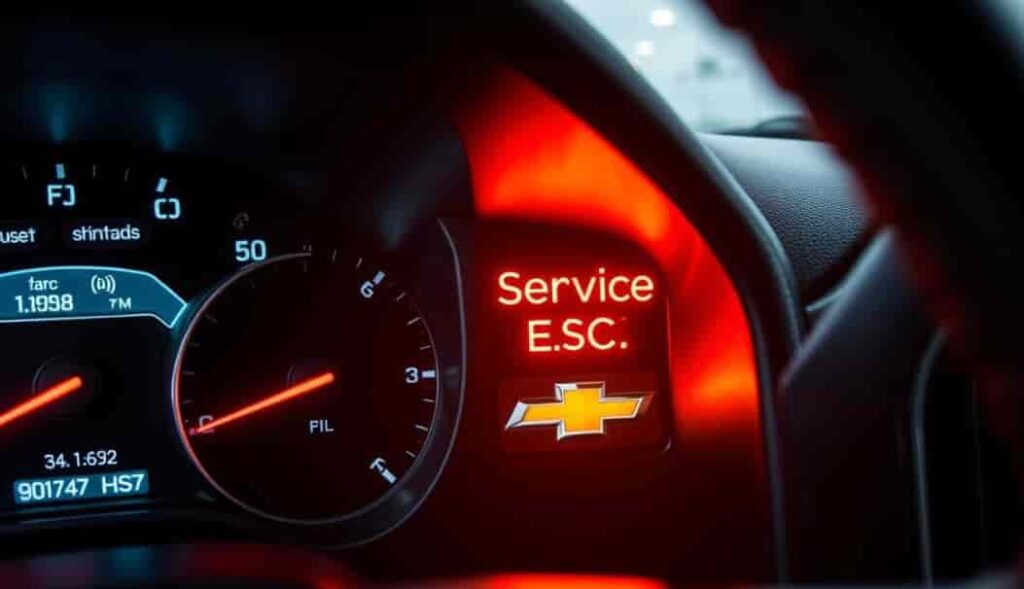
What Is ESC on Chevy Silverado?
Electronic Stability Control, or ESC, is a key safety feature in your Chevy Silverado. It helps you keep control of the vehicle in difficult situations. These include sharp turns, wet roads, or sudden steering changes.
Without ESC, your truck can lose stability more easily. Even skilled drivers may struggle to handle unexpected conditions. That is why this system is essential for both safety and confidence while driving.
In Chevy Silverado models, ESC works together with a system called Stabilitrak. They are part of the same control system. Stabilitrak is simply the name Chevy uses for its stability technology. Along with traction control, these systems prevent wheel slip and loss of control.
ESC uses several sensors across the vehicle. These include wheel speed sensors, steering angle sensors, and yaw sensors. The system constantly monitors how your truck moves. When it detects a mismatch between your steering and the vehicle direction, it reacts immediately.
Instead of waiting for the driver, ESC adjusts engine power and applies braking to specific wheels. This happens in real time. In most cases, you will not even notice the correction.
Understanding this system helps you avoid unnecessary panic. A warning light does not always mean serious damage. Sometimes, the system only detects a temporary issue or incorrect data.
That is why knowing how to reset ESC on Chevy Silverado is important. It allows you to fix minor issues quickly and avoid costly repairs.
Why ESC Light Turns On in Chevy Silverado
The ESC warning light can appear at any time. It often catches drivers off guard and creates unnecessary stress. Many people assume the vehicle has a serious problem, but that is not always true.
In most cases, the ESC light turns on because the system detects unusual data from one or more sensors. These sensors play a key role in keeping your truck stable. When they send incorrect signals, the system reacts by triggering a warning.
One common cause is a faulty wheel speed sensor. This sensor tracks how fast each wheel rotates. If it gets dirty or damaged, it may send incorrect readings. As a result, the ESC system cannot calculate traction accurately.
Another frequent issue involves the steering angle sensor. This sensor tells the system which direction you are turning. If it loses calibration, the vehicle may appear unstable even when it is not. This can trigger the ESC warning light.
Low battery voltage can also cause problems. Modern vehicles rely heavily on electronics. When the voltage drops, systems like ESC may behave unpredictably. In some cases, a simple battery reset can solve the issue.
Road conditions also play a role. Driving on slippery surfaces such as mud, snow, or loose gravel can activate the ESC system. This is normal behavior. However, if the light stays on after conditions improve, you may need to reset the system.
Understanding these causes helps you stay calm and make better decisions. Instead of assuming a costly repair, you can focus on identifying the root issue. This is the first step before learning how to reset ESC on Chevy Silverado effectively.
How to Reset ESC on Chevy Silverado (Step by Step Guide)
Resetting the ESC system on your Chevy Silverado is often simpler than most drivers expect. In many cases, you can restore normal operation without visiting a mechanic. The key is to follow the correct steps and understand which method fits your situation.
Below are the most effective ways to reset ESC on Chevy Silverado. You can start with the simplest method and move to more advanced options if needed.
Method 1: Basic Restart Reset
This is the quickest and most common solution. It works well when the ESC light appears due to a temporary glitch.
Turn off the engine completely and remove the key from the ignition. Wait for about one minute to allow the system to shut down fully. Start the engine again and drive slowly for a short distance. During this time, the system will recalibrate itself.
If the warning light turns off, the issue was likely temporary.
Method 2: Steering Wheel Recalibration
This method helps reset the steering angle sensor, which often causes ESC warnings.
Start the engine and keep the vehicle stationary. Turn the steering wheel fully to the left and hold it for a few seconds. Then turn it fully to the right and hold again. Return the wheel to the center position and drive the vehicle slowly.
This process allows the system to relearn the correct steering position.
Method 3: Battery Disconnect Reset
Use this method if the warning light does not go away after basic steps.
Turn off the engine and open the hood. Disconnect the negative battery terminal carefully. Wait for about ten to fifteen minutes. This will clear stored system data. Reconnect the battery and start the vehicle.
Drive for a few minutes to allow the system to reset completely.
Method 4: Reset Using OBD2 Scanner
This is the most reliable method if the issue persists.
Connect an OBD2 scanner to your vehicle’s diagnostic port. Turn on the ignition and scan for error codes. Clear the codes related to ESC or Stabilitrak. Once cleared, restart the engine and check if the warning light disappears.
This method works best for persistent or recurring issues.
Important Notes
Always test drive your vehicle after performing a reset. If the ESC light comes back, the problem may involve a faulty sensor or hardware issue. In that case, further diagnosis is necessary.
Learning how to reset ESC on Chevy Silverado gives you control over minor issues. It also helps you avoid unnecessary repair costs and saves valuable time.
How to Reset ESC Without a Scanner
Not everyone has access to a diagnostic tool, and that is completely fine. You can still reset the ESC system on your Chevy Silverado using simple methods at home. These approaches work well for minor issues and temporary errors.
Start by turning off the engine completely. Make sure all electrical systems are off. Wait for about one minute before restarting the vehicle. This allows the onboard system to reset basic signals.
Next, perform a steering recalibration. Turn the steering wheel fully to the left, hold for a few seconds, then turn it fully to the right. Return it to the center position. This helps the system relearn steering alignment.
You can also try a short drive reset. Drive your truck at a low speed in a safe area. Avoid sudden acceleration or sharp turns. This gives the ESC system time to recalibrate based on real driving data.
Another effective method is the battery reset. Disconnect the negative battery terminal and wait for about ten minutes. Reconnect it and start the engine. This clears temporary faults stored in the system.
These methods are simple and cost nothing. However, they do not fix deeper mechanical or sensor related problems. If the ESC warning light keeps coming back, the issue may require professional diagnosis.
When Resetting ESC Does Not Work
Sometimes, resetting the system will not solve the problem. When this happens, it usually means there is a deeper issue that needs attention.
One common cause is a faulty wheel speed sensor. If this sensor fails, the ESC system cannot track wheel movement accurately. As a result, the warning light stays on even after a reset.
Another possible issue is a damaged ABS module. This component controls braking signals across the system. When it fails, it can affect both ABS and ESC functions.
Wiring problems can also trigger persistent errors. Loose connections or damaged wires interrupt communication between sensors and the control unit. This leads to repeated warnings that cannot be cleared with simple resets.
In some cases, the steering angle sensor may need recalibration using professional equipment. DIY methods may not be enough if the sensor has lost its baseline completely.
If you notice symptoms such as reduced braking performance, unstable handling, or multiple warning lights, you should not ignore them. These signs indicate a safety risk.
At this point, visiting a qualified mechanic is the safest option. While repair costs may vary, early diagnosis can prevent more expensive damage later.
Can You Drive with ESC Light On?
You can still drive your Chevy Silverado when the ESC light is on, but this does not mean it is safe in all situations. The ESC system helps maintain stability, especially on slippery roads or during sudden maneuvers. When it is not working properly, your vehicle becomes harder to control.
In normal conditions, such as dry roads and low speeds, the risk is lower. However, the situation changes quickly in rain, mud, or sharp turns. Without ESC support, the truck may skid or lose traction more easily. This can increase the chance of an accident.
If the light appears briefly and then turns off, it is usually not a serious issue. The system may have activated temporarily and corrected itself. But if the light stays on, you should take it seriously.
You can drive short distances to reach a safe location or a repair shop. Avoid aggressive driving, high speeds, or dangerous road conditions. The goal is to reduce risk until the problem is resolved.
Understanding how to reset ESC on Chevy Silverado can help you handle this situation quickly. Still, safety should always come first.
Pro Tips to Prevent ESC Issues
Preventing ESC problems is much easier than fixing them. With a few simple habits, you can keep your Chevy Silverado running smoothly and avoid unexpected warning lights.
Regular maintenance is the first step. Make sure your vehicle is serviced on schedule. This helps detect sensor issues early before they become serious problems.
Keep your sensors clean and in good condition. Wheel speed sensors can collect dirt over time, especially if you often drive on rough or muddy roads. Cleaning them periodically can improve system accuracy.
Check your battery health regularly. Low voltage can affect multiple systems, including ESC. Replacing a weak battery early can prevent many electronic issues.
Drive carefully in extreme conditions. While ESC is designed to help, constant exposure to harsh environments can put extra stress on the system.
Pay attention to warning signs. If you notice unusual behavior such as delayed braking response or unstable handling, take action early. Ignoring small issues often leads to bigger and more expensive repairs.
Conclusion
Learning how to reset ESC on Chevy Silverado gives you a practical advantage as a driver. It allows you to handle common issues quickly without panic or unnecessary expenses. In many cases, a simple reset is all you need to restore normal operation.
Throughout this guide, you have learned what ESC is, why the warning light appears, and how to reset the system step by step. You also understand when a deeper problem may require professional attention.
The key takeaway is simple. Not every warning light means a costly repair. With the right knowledge, you can identify the issue, apply the correct solution, and keep your vehicle safe on the road.
If you have experienced ESC issues on your Silverado, consider sharing your experience. Your insight could help other drivers facing the same problem.