When your vehicle starts slipping gears or hesitates between shifts, the problem becomes clear very quickly. The transmission is failing. Repair costs can rise fast, and many drivers feel stuck. They must choose between an expensive rebuild or a full replacement without clear guidance.
This is where a complete 4L60E Transmission Swap Guide becomes valuable. Instead of guessing or relying on scattered information, you can follow a clear and structured process.
The 4L60E transmission remains one of the most popular automatic options for GM vehicles. Many owners choose it because it is affordable, widely available, and easier to install compared to other transmissions. You will often find it in models like the Silverado, Tahoe, and Camaro. It is also a common choice for LS engine swaps.
In this guide, you will learn every important step in the swap process. You will understand the real costs, the tools you need, and the parts required for a successful installation. You will also discover common problems and how to avoid them before they happen.
If you want to save money and avoid costly mistakes, this 4L60E Transmission Swap Guide will help you make the right decisions and complete the job with confidence.
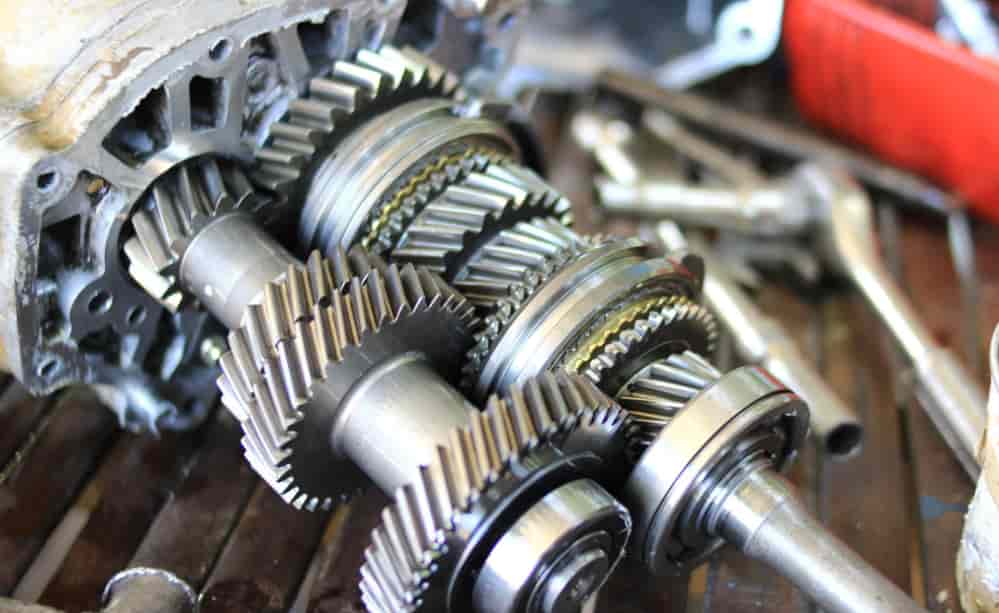
What Is a 4L60E Transmission
The 4L60E is a four speed automatic transmission developed by General Motors. It belongs to a long line of transmissions designed for rear wheel drive vehicles. Over the years, it has become one of the most widely used transmissions in GM trucks and performance cars.
Many drivers prefer the 4L60E because it offers a strong balance between cost and usability. You can find it in popular models such as the Silverado, Tahoe, Suburban, and Camaro. Its wide availability makes it easier to source both used and rebuilt units at a reasonable price.
One of the key advantages of the 4L60E is its electronic control system. The transmission uses sensors and a control module to manage shifting. This allows smoother gear changes and better driving comfort compared to older hydraulic systems. It also makes the transmission more adaptable for modern engine swaps, especially LS builds.
However, the 4L60E is not perfect. It does not handle high horsepower or heavy torque as well as stronger options like the 4L80E. If you push it too hard or neglect maintenance, problems such as slipping or overheating can occur. This is one of the main concerns that many car owners face when planning a transmission swap.
Despite these limitations, the 4L60E remains a practical choice for most daily drivers and moderate performance builds. When installed correctly, it delivers reliable performance and helps extend the life of your vehicle.
Vehicles Compatible with a 4L60E Swap
Before starting any swap, you need to confirm that your vehicle is compatible with the 4L60E transmission. This step is critical. If you skip it, you may face wiring issues, fitment problems, or unexpected costs later.
The 4L60E works best with General Motors vehicles that use rear wheel drive platforms. You will commonly see it in models such as the Silverado, Tahoe, Suburban, Sierra, and Camaro. These vehicles often support a direct swap or require only minor adjustments.
Engine compatibility also plays a major role. The 4L60E pairs well with small block engines like the 5.3L, 5.7L, and most LS based engines. This is why it is a popular choice for LS swap projects. If your build already uses a GM engine, the process becomes much simpler.
However, things become more complex when you install a 4L60E into a non GM vehicle. In this case, you may need an adapter plate, a custom crossmember, and a modified driveshaft. Wiring can also become a challenge, especially if your vehicle does not support electronic transmission control.
Another important factor is the ECU. The 4L60E relies on electronic signals to shift correctly. You must ensure that your ECU supports this transmission or plan to use a standalone controller. Without proper tuning, the transmission may shift poorly or fail to operate at all.
If you take time to verify compatibility early, you can avoid many common problems. This step will save you money and prevent delays during the swap process.
Tools and Parts Needed for a 4L60E Transmission Swap
Before you begin the swap, you need to prepare all the required tools and parts. Good preparation helps you avoid delays and reduces the risk of mistakes during installation. Many problems happen simply because people start the job without the right equipment.
Start with the essential tools. A transmission jack is one of the most important items. It allows you to safely remove and install the transmission without losing balance. You will also need a torque wrench to tighten bolts to the correct specification. This step is critical because incorrect torque can lead to leaks or mechanical failure. A full socket set, extensions, and wrenches will also be required for most of the work.
Next, focus on the core parts. The torque converter must match your 4L60E transmission and engine setup. Always check compatibility before installation. You should also inspect or replace the crossmember, as it supports the transmission in place. A proper wiring harness is necessary to connect the transmission to the ECU. Without it, the system will not function correctly.
It is also smart to replace wear items while everything is accessible. New seals, gaskets, and transmission fluid can prevent leaks and extend the lifespan of your setup. Skipping these small parts may save money now, but it often leads to bigger repair costs later.
Some builders choose to buy a complete swap kit. This option simplifies the process because it includes many required components in one package. However, it can cost more upfront. Buying parts individually may save money, but it requires careful planning and research.
If you prepare properly, the entire swap process becomes smoother and more predictable. This step sets the foundation for a successful 4L60E transmission swap.
Step by Step 4L60E Transmission Swap Process
A successful swap depends on following the correct sequence. If you rush or skip steps, small mistakes can turn into major problems. Follow each step carefully to ensure a smooth installation.
Step 1 Preparation
Start by disconnecting the battery. This prevents electrical issues during the process. Next, lift the vehicle using a jack and secure it with jack stands. Make sure the car is stable before you work underneath it.
Drain the transmission fluid to avoid spills. This step keeps your workspace clean and safe. You should also label bolts and connections as you remove them. This will make reassembly much easier later.
Step 2 Remove the Old Transmission
Begin by removing the driveshaft. Then disconnect the wiring harness, cooler lines, and shift linkage. Take your time with this step to avoid damaging any components.
Support the transmission with a transmission jack. Remove the crossmember and bellhousing bolts. Once everything is disconnected, carefully lower the transmission and move it out of the way.
Step 3 Install the 4L60E Transmission
Before installation, install the torque converter into the new transmission. Make sure it is fully seated. If this step is incorrect, it can cause serious damage when you start the engine.
Lift the 4L60E into position using the transmission jack. Align it with the engine and secure the bellhousing bolts. Reinstall the crossmember to hold the transmission in place.
Step 4 Wiring and ECU Setup
Reconnect the wiring harness and all electrical connectors. Ensure every connection is secure. The 4L60E relies on electronic control, so this step is critical.
Check if your ECU supports the transmission. If needed, update or reprogram the ECU. Some setups may require a standalone transmission controller for proper operation.
Step 5 Testing and Final Checks
Refill the transmission with the correct fluid. Double check all bolts, lines, and connections. Start the engine and let it idle for a few minutes.
Check for leaks and listen for unusual noises. Then perform a short test drive. Pay attention to how the transmission shifts. Smooth shifting indicates that the installation was successful.
Cost Breakdown of a 4L60E Transmission Swap
One of the biggest concerns when planning a swap is the total cost. Many people start the project thinking it will be cheap, but unexpected expenses can appear quickly. If you understand the full cost breakdown early, you can plan your budget more effectively.
The price of the 4L60E transmission itself varies a lot. A used unit usually costs between 300 and 800 dollars. A rebuilt transmission often ranges from 800 to 1500 dollars. If you choose a brand new or performance built unit, the price can exceed 2000 dollars.
Labor cost is another major factor. If you take your vehicle to a repair shop, expect to pay between 500 and 1500 dollars for installation. The final price depends on your vehicle type and the complexity of the setup. Some shops may charge more if custom work is required.
Many car owners choose the DIY route to save money. This approach can reduce total costs significantly, but it comes with risks. If you make mistakes during installation, repair costs can become even higher than professional labor.
You should also consider additional expenses. These include transmission fluid, wiring components, mounts, and small replacement parts. While each item may seem inexpensive, they add up quickly. Ignoring these costs is one of the most common mistakes beginners make.
In most cases, the total cost of a 4L60E transmission swap falls between 800 and 3000 dollars. Complex builds or performance upgrades can push the cost even higher.
If you plan carefully and set a realistic budget, you can avoid financial surprises and complete your swap with confidence.
Common Problems After a 4L60E Swap and How to Fix Them
Even when you follow a proper 4L60E Transmission Swap Guide, problems can still appear after installation. Most issues come from small mistakes or missing steps. If you understand these problems early, you can fix them quickly and avoid serious damage.
One common issue is slipping gears. The engine revs, but the vehicle does not accelerate as expected. This often happens when the torque converter is not installed correctly or when internal pressure is too low. You should check the fluid level first, then inspect the torque converter installation.
Hard or delayed shifting is another frequent problem. The transmission may shift too aggressively or hesitate between gears. This usually points to wiring issues or incorrect ECU tuning. Double check all electrical connections and make sure your ECU settings match the 4L60E requirements.
Some drivers experience a no movement condition after the swap. The engine runs fine, but the vehicle does not move at all. This can happen if the torque converter is not fully seated or if the pump is damaged during installation. In this case, you may need to remove the transmission and inspect it again.
Fluid leaks are also very common. They often come from worn seals, loose bolts, or damaged lines. Always inspect seals and gaskets before installation. Tighten all connections to the correct torque specification to prevent leaks.
Overheating can reduce the lifespan of your transmission. This issue usually occurs when the cooling system is not properly connected or upgraded. Make sure your transmission cooler works efficiently, especially if you use the vehicle for heavy driving.
Most of these problems are preventable. Careful installation, proper tuning, and attention to detail will help you avoid costly repairs and keep your transmission running smoothly.
Pro Tips for a Successful 4L60E Transmission Swap
A successful swap depends on attention to detail. Small steps can make a big difference in long term performance and reliability.
Always install new seals and gaskets during the swap. Old parts can cause leaks even if they look fine. Replacing them now saves time and money later.
Check your transmission cooling system carefully. Heat is one of the main causes of failure in a 4L60E. A good cooler helps maintain stable temperatures and extends the lifespan of the transmission.
Take time to verify torque specifications. Loose bolts can cause leaks or vibration. Bolts that are too tight can damage threads or components. Use a torque wrench and follow recommended values.
Do not ignore ECU tuning. The 4L60E depends on proper electronic control. Incorrect settings can lead to harsh shifting or poor performance. If needed, use a professional tune or a standalone controller.
Label every connection during disassembly. This simple habit makes reassembly faster and reduces confusion. It also helps prevent wiring mistakes.
If you stay organized and follow best practices, your swap will be smoother and more reliable.
Is a 4L60E Transmission Swap Worth It
A 4L60E swap can be a smart decision, but it depends on your situation. You should compare the cost of repair with the cost of replacement before making a choice.
If your current transmission has minor issues, a repair may be more affordable. However, if the damage is severe, a swap often provides better long term value. A rebuilt or upgraded 4L60E can improve reliability and driving performance.
This swap is also a strong option for LS engine projects. The 4L60E works well with many GM engines, which makes installation more straightforward. This compatibility reduces complexity and saves time.
However, it is not the best choice for high horsepower builds. If your setup produces significant torque, you may need a stronger transmission like the 4L80E. Choosing the wrong transmission can lead to repeated failures.
In most cases, the 4L60E offers a good balance between cost, performance, and availability. For daily drivers and moderate builds, it remains a practical and effective solution.
Conclusion
Completing a transmission swap can feel overwhelming at first, especially if you do not have prior experience. However, with the right approach and a clear plan, the process becomes much more manageable. This 4L60E Transmission Swap Guide has walked you through each important step, from preparation and installation to costs and troubleshooting.
You now understand what tools and parts you need, how to perform the swap step by step, and what problems to watch for after installation. More importantly, you know how to avoid common mistakes that can lead to expensive repairs.
A well executed 4L60E swap can save you money and extend the life of your vehicle. It can also improve driving performance when done correctly. The key is preparation, patience, and attention to detail.
If you are planning your own swap, take your time and follow each step carefully. If you have questions or want to share your experience, leave a comment. Your insights may help others complete their own 4L60E transmission swap successfully.