When the air conditioning in your Chevy Equinox starts blowing warm air instead of cold, it can quickly turn a comfortable drive into a frustrating experience especially during hot weather. Many drivers assume the system is broken, but in most cases the real issue is low refrigerant levels that reduce cooling efficiency over time.
The air conditioning system in your vehicle relies on a sealed cycle of refrigerant to absorb heat from inside the cabin and release it outside. As the system ages, small leaks or natural loss of refrigerant can gradually reduce its performance. This is why the AC may still run but fail to deliver cold air.
For many car owners, taking the vehicle to a repair shop for an AC recharge can feel expensive and inconvenient. The good news is that with the right tools and clear instructions, it is possible to recharge your Chevy Equinox AC at home safely and effectively.
In this complete guide, you will learn how the system works, how to identify low refrigerant symptoms, and step by step instructions to recharge the AC properly. You will also understand common mistakes to avoid so you do not damage the system or reduce its long term performance.
By the end of this article, you will have a clear and practical understanding of how to restore optimal cooling performance in your Chevy Equinox without unnecessary guesswork.
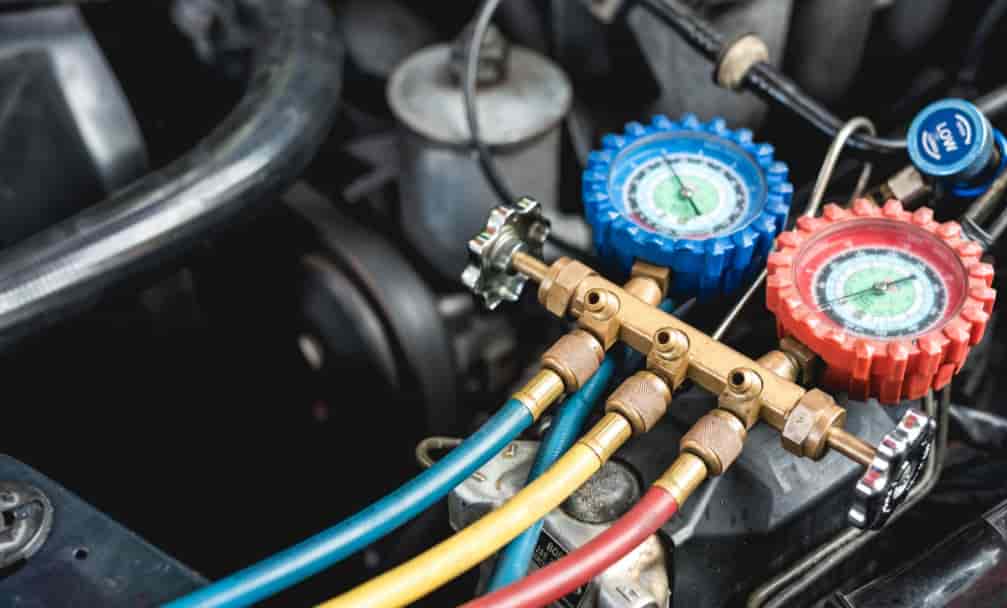
Understanding Chevy Equinox AC System
The air conditioning system in a Chevy Equinox works through a closed loop that moves refrigerant to control cabin temperature. The system removes heat from inside the vehicle and releases it outside. This process keeps the cabin cool and comfortable during hot weather.
The AC compressor plays the most important role in this cycle. It compresses the refrigerant and pushes it through the system. After compression, the refrigerant moves to the condenser. Here it releases heat and turns into a cooler liquid state. Next, it flows through the expansion valve. This part reduces pressure and prepares the refrigerant for cooling. In the evaporator, the refrigerant absorbs heat from the cabin air. It then turns back into gas and continues the cycle.
Over time, the system can lose refrigerant. Small leaks or worn seals often cause this issue. Natural seepage can also reduce refrigerant levels. When this happens, the AC loses cooling power. You may notice weak airflow or warm air from the vents.
It is important to understand how this cycle works before you recharge the system. AC recharge is not just adding refrigerant. It is about restoring the correct pressure level. The system needs balanced pressure to work correctly. Even a strong compressor cannot produce cold air without enough refrigerant.
Proper diagnosis helps you avoid mistakes and ensures the system works efficiently after recharge. This understanding will help you maintain stable cooling performance in your Chevy Equinox.
Signs Your Chevy Equinox AC Needs Recharge
A Chevy Equinox AC system usually shows clear signs when it is running low on refrigerant. Recognizing these symptoms early helps you avoid bigger problems and expensive repairs.
One of the most common signs is warm air coming from the vents even when the AC is set to the lowest temperature. This happens because the system does not have enough refrigerant to absorb heat from the cabin air.
Another sign is weak airflow. The fan may still work, but the air feels less powerful than usual. This often indicates reduced cooling efficiency inside the system.
You may also notice the AC compressor turning on and off more frequently. This behavior shows that the system is struggling to maintain proper pressure. The compressor tries to compensate but cannot sustain stable cooling performance.
In some cases, you might hear unusual clicking or hissing sounds near the engine bay. These sounds can indicate low pressure or small refrigerant leaks in the system.
Frost or ice forming on AC lines is another warning sign. This happens when pressure levels drop too low and the system starts behaving abnormally.
These symptoms often appear gradually. Many drivers ignore them at first, thinking the AC is just slightly weaker. However, these early signs usually point to low refrigerant levels that require a proper recharge.
Identifying these issues early helps you maintain consistent cooling performance and prevents unnecessary strain on the compressor and other AC components.
Tools and Materials You Need
Before you recharge the AC in your Chevy Equinox, you need to prepare the right tools and materials. Using the correct equipment helps you avoid mistakes and ensures the system receives the proper amount of refrigerant.
The most important item is an AC recharge kit. This kit usually includes a refrigerant can and a pressure gauge. The gauge helps you monitor the system pressure while adding refrigerant. It prevents overcharging and keeps the system within safe limits.
You also need to identify the correct refrigerant type for your vehicle. Most Chevy Equinox models use R-134a, while newer versions may use R-1234yf. Using the wrong refrigerant can damage the system and reduce cooling performance.
A pair of safety gloves is also necessary. Refrigerant can cause skin irritation if it comes into direct contact. Safety goggles are recommended as well to protect your eyes during the process.
You may also need a flashlight to locate the low pressure port. This port is where you connect the recharge hose. It is usually located on the larger diameter aluminum line in the AC system.
Having a thermometer can also help you measure the air temperature inside the cabin. This allows you to confirm whether the recharge process is improving cooling performance.
Preparing these tools in advance makes the recharge process smoother and safer. It also reduces the risk of errors that could affect the long term performance of your AC system.
Step by Step Guide to Recharge Your Chevy Equinox AC
This section explains how to recharge your Chevy Equinox AC in a safe and structured way. Follow each step carefully to avoid mistakes and protect your AC system.
Step 1: Locate the low pressure port
Open the hood of your vehicle and find the AC lines. Look for the low pressure port on the larger aluminum line. It usually has a plastic cap labeled with an L. Remove the cap before connecting any tools.
Step 2: Start the engine and turn on the AC
Start your Chevy Equinox and let the engine idle. Set the AC to maximum cooling and highest fan speed. This allows the system to circulate refrigerant during the recharge process.
Step 3: Attach the recharge kit
Connect the recharge hose to the low pressure port. Make sure the connection is tight to prevent leaks. Check the pressure gauge before adding refrigerant. This helps you understand the current system status.
Step 4: Add refrigerant slowly
Shake the refrigerant can if required by the instructions. Begin releasing refrigerant into the system in short bursts. Do not rush this process. Watch the pressure gauge closely while adding refrigerant.
Step 5: Monitor system pressure
Keep an eye on the gauge while charging. Stop adding refrigerant once the pressure reaches the recommended range. Avoid overcharging because it can damage the compressor and reduce cooling efficiency.
Step 6: Check cooling performance
After charging, wait a few minutes and check the air temperature inside the cabin. The air should become noticeably colder. If cooling improves, the recharge process is successful.
Step 7: Disconnect and secure the port
Remove the recharge hose from the low pressure port. Put the protective cap back in place. Close the hood and let the system run for a few minutes to stabilize pressure.
Proper execution of each step ensures your AC system returns to optimal cooling performance. The key is to work slowly, monitor pressure carefully, and avoid overcharging the system.
Common Mistakes to Avoid
When you recharge the AC in your Chevy Equinox, small mistakes can lead to poor cooling performance or even system damage. Understanding these errors helps you protect the AC system and get better results.
One common mistake is overcharging the refrigerant. Many users think adding more refrigerant will improve cooling, but this is incorrect. Too much pressure can damage the compressor and reduce system efficiency.
Another mistake is using the wrong type of refrigerant. Each vehicle is designed for a specific refrigerant such as R-134a or R-1234yf. Mixing or using the wrong type can cause serious damage and may lead to costly repairs.
Some people also ignore possible leaks in the system. If a leak exists, the refrigerant will escape again after charging. This means the AC will stop cooling properly in a short time. It is important to check for leaks before or after recharging.
A frequent error is connecting the recharge hose to the wrong port. The high pressure port is not designed for adding refrigerant. Connecting there can create dangerous pressure levels and damage the system.
Another mistake is rushing the process. Adding refrigerant too quickly can lead to inaccurate pressure readings. This increases the risk of overcharging or undercharging the system.
Avoiding these mistakes ensures your Chevy Equinox AC system works efficiently and maintains stable cooling performance over time.
DIY vs Professional AC Recharge for Chevy Equinox
When your Chevy Equinox AC stops cooling properly, you usually have two options. You can recharge it yourself at home or take it to a professional mechanic. Each option has clear advantages and limitations.
DIY AC Recharge
Doing the recharge yourself is more affordable. You only need a recharge kit and basic tools. The process is simple if you follow the correct steps. It also saves time because you do not need an appointment at a repair shop.
However, DIY recharge comes with risks. You may overcharge the system if you do not monitor pressure correctly. You may also miss hidden leaks that cause the problem to return. In addition, using the wrong refrigerant or incorrect method can damage the compressor.
Professional AC Recharge
A professional service offers more accuracy and safety. Mechanics use advanced tools to measure pressure and detect leaks. They can also identify deeper issues that are not visible during a basic inspection.
The main disadvantage is cost. Professional AC service is more expensive than DIY recharge. It may also require waiting time depending on the workshop schedule.
Which Option Is Better
DIY is suitable for small refrigerant loss and users who understand basic car maintenance. Professional service is better when the system has leaks, inconsistent cooling, or complete AC failure.
Choosing the right option depends on your experience level and the condition of your AC system. If you want safety and long term reliability, professional service is often the better choice.
How Long Does an AC Recharge Last in a Chevy Equinox
The duration of an AC recharge in a Chevy Equinox depends on the overall condition of the system. In a well maintained system with no leaks, a recharge can last several years. However, if the system has small leaks or worn seals, the refrigerant may escape faster and reduce cooling performance sooner.
In most normal cases, a proper AC recharge can last from one to three years. This timeframe varies based on driving conditions, climate, and how often the AC is used. Vehicles driven in hot weather regions may experience faster refrigerant loss because the system works harder to maintain cooling.
If the AC system is healthy, the refrigerant remains stable and the cooling performance stays consistent. However, if there is an underlying leak, the system will gradually lose pressure again even after a full recharge. This is why checking for leaks is important before or after servicing.
Regular maintenance also affects how long the recharge lasts. Replacing cabin air filters, keeping the condenser clean, and servicing the system when needed can improve long term performance.
If you notice that your AC stops cooling again shortly after a recharge, it usually indicates a deeper issue rather than normal refrigerant loss. In that case, a full system inspection is necessary to prevent further damage.
Conclusion
Recharging the AC in your Chevy Equinox is not just about restoring cold air. It is about bringing the entire system back to its proper operating condition. When the refrigerant level drops, the system loses its ability to absorb heat effectively. This leads to weak cooling performance and discomfort during driving.
In this guide, you learned how the AC system works, how to recognize low refrigerant symptoms, and how to safely recharge the system step by step. You also learned what tools are needed and which mistakes to avoid to prevent damage to important components like the compressor.
The key to a successful AC recharge is patience and accuracy. You need to monitor pressure carefully, use the correct refrigerant, and avoid overcharging. These small details make a big difference in long term system performance.
If your AC system continues to lose refrigerant quickly after a recharge, it usually means there is a leak or another hidden issue. In that case, a professional inspection is the safest option.
By following the correct process and maintaining your system regularly, you can keep your Chevy Equinox AC running efficiently and enjoy stable cooling performance in all driving conditions.