The Service Exhaust Fluid System warning appears frequently on modern diesel vehicles. This alert often confuses drivers and creates concern. The system relates directly to diesel emission control technology. It helps reduce harmful nitrogen oxide emissions from the engine.
This system uses Diesel Exhaust Fluid. The system injects this fluid into the exhaust stream. Inside the Selective Catalytic Reduction system, a chemical reaction takes place. This reaction converts nitrogen oxide into nitrogen and water vapor. These substances are harmless to the environment.
The vehicle triggers a warning when the system detects a fault. The ECU monitors all components in real time. It checks sensors, fluid levels, and injection performance. When it finds an issue, it activates the Service Exhaust Fluid System message.
Drivers often notice clear symptoms. The engine may lose power. The vehicle may limit speed. In some cases, the engine will not restart after a certain distance. These actions protect the engine and emission system from further damage.
This situation does not happen randomly. The system activates warnings to prevent serious failure. You need to understand the cause before you attempt any repair. A correct diagnosis helps avoid unnecessary replacement costs and long-term damage.
This guide explains the system in detail. It covers how it works, why it fails, and how to diagnose problems step by step in a professional way.
How the Service Exhaust Fluid System Works in Diesel Engines
The Service Exhaust Fluid System operates as part of the diesel emission control strategy. It works together with the Selective Catalytic Reduction system to reduce harmful exhaust gases. The main target of this system is nitrogen oxide, which forms during diesel combustion.
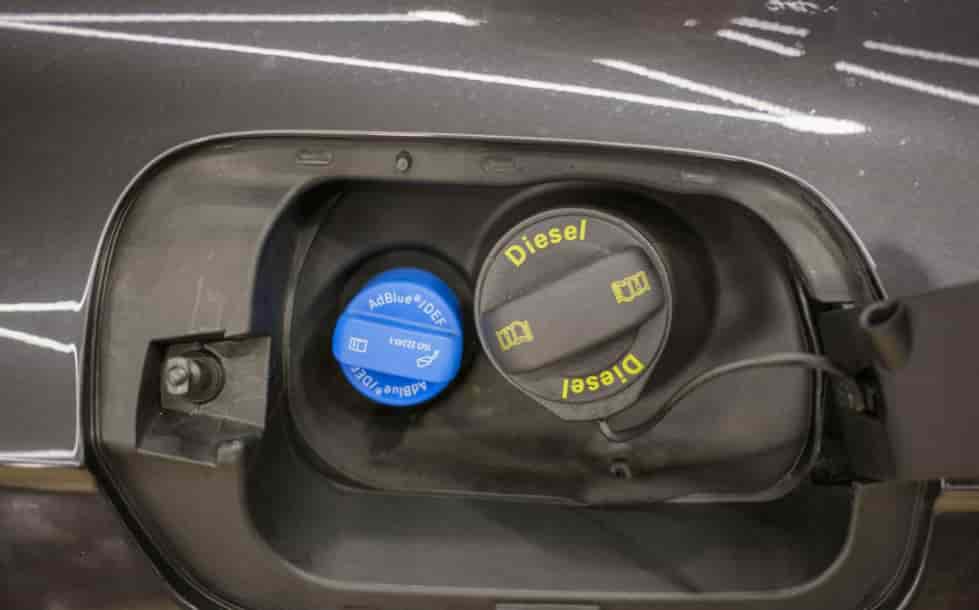
The system stores Diesel Exhaust Fluid in a separate tank. This fluid contains a urea based solution. The system injects the fluid directly into the exhaust stream. This injection happens before the gases enter the SCR catalyst.
Inside the SCR catalyst, a chemical reaction occurs. The system breaks nitrogen oxide into nitrogen and water vapor. The vehicle then releases these substances safely into the atmosphere. This process helps the engine meet emission regulations.
The Engine Control Unit manages the entire system. It monitors fluid level, injection timing, and sensor feedback. The ECU adjusts the system in real time based on engine load and temperature.
NOx sensors play an important role in this process. These sensors measure the level of nitrogen oxide before and after the catalytic converter. The ECU uses this data to adjust fluid injection. If the system detects abnormal readings, it activates a warning message.
The system depends on precise coordination between components. The pump delivers the fluid under pressure. The injector sprays it in controlled amounts. The catalyst completes the final conversion process.
When any part of this chain fails, the system cannot function correctly. The vehicle then triggers the Service Exhaust Fluid System warning to protect emission compliance and engine performance.
Common Causes of Service Exhaust Fluid System Warning
The Service Exhaust Fluid System warning appears when the vehicle detects a fault in the emission control system. This issue usually comes from one or more components in the Diesel Exhaust Fluid and Selective Catalytic Reduction system. Each component plays a critical role, so even a small failure can trigger the warning.
One of the most common causes is low Diesel Exhaust Fluid level. The system cannot operate correctly when the tank runs low. The ECU immediately detects this condition and activates the warning. In many cases, drivers ignore the DEF level until the system starts limiting engine performance.
Contaminated Diesel Exhaust Fluid is another frequent problem. Poor quality fluid or improper storage can change its chemical structure. The system cannot process contaminated fluid correctly. This leads to incorrect NOx conversion and system errors.
A faulty NOx sensor also causes this warning. These sensors monitor exhaust gases before and after the SCR catalyst. When a sensor sends incorrect data, the ECU cannot control injection accurately. The system then triggers a fault message.
The DEF pump can also fail. This pump delivers fluid from the tank to the injector under pressure. If the pump loses pressure or stops working, the system cannot inject fluid into the exhaust stream. The ECU detects this failure quickly.
Another cause involves the SCR catalyst. Over time, the catalyst can become clogged or inefficient. When this happens, the chemical reaction slows down. The system then reports reduced performance and activates a warning.
Software or ECU errors can also trigger the message. Sometimes the system stores incorrect data or fails to reset after maintenance. In these cases, a diagnostic scan is required to clear or recalibrate the system.
Each of these issues affects the emission system differently. A proper diagnosis helps identify the exact cause instead of replacing parts without reason.
Symptoms You Should Never Ignore When the Warning Appears
The Service Exhaust Fluid System warning rarely appears alone. The vehicle usually shows additional symptoms that help identify the severity of the issue. These signs often indicate that the emission system has already entered a protective mode.
One of the most common symptoms is reduced engine power. The engine control unit limits performance to protect the emission system. This condition is often called limp mode. The vehicle still runs, but it cannot deliver full power.
Another clear symptom is speed limitation. The vehicle may restrict maximum speed after the warning appears. This happens when the system detects a serious fault that affects emission compliance. The restriction prevents further damage and encourages immediate repair.
Some vehicles also show a countdown or distance limit. The system warns the driver that the engine will not restart after a certain mileage if the issue is not fixed. This is a safety measure designed to force maintenance before total system failure.
Drivers may also notice increased fuel consumption. When the emission system fails, the engine cannot optimize combustion efficiency. This leads to higher fuel usage and unstable performance.
In some cases, the check engine light appears together with the Service Exhaust Fluid System message. This combination usually indicates a deeper problem within the SCR system or sensor network.
Cold starts may also become difficult. The engine control system may restrict ignition if it detects a critical emission fault. This behavior protects the catalyst and prevents further damage.
These symptoms show that the problem is not cosmetic. The system actively controls engine behavior to reduce risk. Ignoring these signs can lead to expensive repairs and long term damage to emission components.
Diagnostic Process for Service Exhaust Fluid System Issues
Diagnosing the Service Exhaust Fluid System requires a structured approach. Modern diesel vehicles rely on electronic monitoring, so technicians must combine scan tools with physical inspection. A correct diagnosis helps avoid replacing parts that still function properly.
The first step involves using an OBD2 scanner. The technician connects the tool to the vehicle’s diagnostic port. The system retrieves fault codes stored in the Engine Control Unit. These codes often point to specific areas such as NOx sensors, DEF pump performance, or SCR efficiency.
After reading the codes, the technician checks Diesel Exhaust Fluid levels. Low fluid is one of the simplest causes, but it often gets overlooked. The system may still show warnings even after refilling if the ECU has not reset.
Next, the NOx sensors must be tested. These sensors measure exhaust gas composition before and after the catalytic converter. If a sensor sends unstable or incorrect readings, the ECU cannot regulate fluid injection properly. This leads to inaccurate system control and persistent warnings.
The DEF injection system also requires inspection. Technicians check the pump pressure and injector spray pattern. A weak pump or blocked injector prevents proper fluid delivery into the exhaust stream. This directly affects emission conversion efficiency.
The SCR catalyst is another key component. Technicians evaluate its efficiency by comparing upstream and downstream emissions data. A clogged or degraded catalyst reduces conversion performance and triggers system alerts.
In some cases, the issue comes from software calibration. The ECU may require a reset after repairs or fluid replacement. A professional scan tool can clear stored faults and recalibrate system parameters.
A complete diagnosis always follows a step by step process. This ensures the technician identifies the root cause instead of guessing. Accurate testing reduces repair cost and prevents repeated system failures.
How to Fix Service Exhaust Fluid System Errors
Fixing the Service Exhaust Fluid System error depends on the exact cause found during diagnosis. The system requires both fluid quality and electronic accuracy, so every repair step must match the root problem.
The simplest fix is refilling Diesel Exhaust Fluid. Drivers often ignore low fluid levels until the warning appears. Once the tank is refilled with the correct specification fluid, the system may reset automatically after a short driving cycle. Some vehicles still require a manual reset using a diagnostic tool.
If the fluid is contaminated, you need to drain and replace it completely. Contaminated fluid damages the injection system and reduces SCR efficiency. After replacement, the system may need recalibration through the ECU to restore normal operation.
When a NOx sensor fails, replacement is usually required. These sensors cannot be repaired effectively. After installing a new sensor, the system must relearn emission values. A scan tool helps clear fault codes and restore proper communication with the ECU.
If the DEF pump fails, you must replace it. A weak or non functioning pump prevents fluid injection into the exhaust stream. Without proper pressure, the system cannot reduce emissions correctly. After replacement, technicians test pressure output to confirm stability.
In cases where the SCR catalyst becomes clogged or inefficient, cleaning is sometimes possible. However, severe damage requires full replacement. This is one of the most expensive repairs in the system, so early diagnosis is critical.
Software related issues require ECU reset or reprogramming. Sometimes the system stores false error data even after the physical problem is fixed. A professional diagnostic tool can clear stored faults and restore normal system logic.
After any repair, a full system check is necessary. This ensures all components communicate correctly and the warning does not return. Proper fixing always depends on accurate diagnosis and correct repair sequence.
Prevention and Maintenance Strategy for Exhaust Fluid System
Preventing Service Exhaust Fluid System errors is easier and cheaper than repairing them. The system depends on clean fluid, stable sensors, and consistent maintenance. When you follow proper maintenance habits, you reduce the risk of unexpected warnings and expensive repairs.
The first prevention step is using high quality Diesel Exhaust Fluid. You should always choose fluid that meets ISO 22241 standards. Low quality or uncertified fluid can damage the injection system and reduce SCR efficiency over time.
You should also avoid letting the DEF tank run too low. Many systems become unstable when fluid levels drop repeatedly. The ECU may store error history even after refilling. Keeping the tank above minimum level helps maintain stable system pressure and performance.
Regular inspection of NOx sensors is also important. These sensors operate in high temperature environments, so they degrade over time. Early detection of sensor drift helps prevent false warning signals and system miscalculations.
The DEF injector and pump should also be checked during routine maintenance. Dirt buildup or crystallization inside the system can block fluid flow. Cleaning or preventive servicing helps maintain proper injection performance.
Software updates also play an important role. Manufacturers often release ECU updates to improve emission control accuracy. Keeping the system updated reduces the risk of false alerts and calibration errors.
Cold weather conditions can also affect system stability. Diesel Exhaust Fluid may crystallize at low temperatures. Parking the vehicle in a protected environment or using anti freeze rated systems helps reduce this risk.
Consistent maintenance creates long term stability for the emission system. When all components work in balance, the system rarely triggers warning messages and maintains optimal engine performance.
Cost and Risk Analysis of Service Exhaust Fluid System Repairs
Repairing a Service Exhaust Fluid System issue can range from simple and inexpensive to complex and costly. The final cost depends entirely on which component has failed and how long the problem has been ignored.
The lowest cost scenario involves refilling Diesel Exhaust Fluid. This is usually inexpensive and often resolves the warning if the system has no deeper faults. However, repeated low fluid conditions can still lead to stored errors in the ECU that require diagnostic reset.
Replacing a NOx sensor is more expensive. These sensors are sensitive and operate under harsh conditions, so they wear out over time. When they fail, the system cannot measure emissions accurately. After replacement, the system needs recalibration to restore correct readings.
The DEF pump is another mid to high cost component. When it fails, the system loses the ability to inject fluid into the exhaust stream. This directly impacts emission performance and engine behavior. Replacement requires both mechanical work and system testing.
The most expensive repair usually involves the SCR catalyst. This component is essential for converting harmful gases into safe emissions. When it becomes clogged or degraded, cleaning may not be enough. Full replacement can be costly and time consuming.
Ignoring the warning increases the overall risk significantly. The vehicle may enter reduced power mode or limit speed. In some cases, it may prevent engine restart after a certain distance. These restrictions are designed to protect the emission system but can leave the driver stranded.
Long term neglect also increases repair complexity. A single faulty sensor can eventually affect other components in the system. This creates a chain reaction that raises repair costs and extends downtime.
Early diagnosis always reduces financial risk. Fixing small issues before they escalate keeps the system stable and avoids unnecessary replacement of major components.
Conclusion
The Service Exhaust Fluid System plays a critical role in modern diesel engines. It supports the Selective Catalytic Reduction system and helps reduce harmful nitrogen oxide emissions. When the system works correctly, it improves environmental compliance and maintains stable engine performance.
When a warning appears, it signals that one or more components in the system are not functioning properly. The issue can come from low Diesel Exhaust Fluid levels, contaminated fluid, faulty NOx sensors, pump failure, SCR catalyst degradation, or ECU calibration errors. Each of these problems affects emission control in a different way, but all of them require timely attention.
The system does not only display warnings for information. It actively protects the engine by limiting power, reducing speed, or restricting restart capability. These actions help prevent further damage but can also create inconvenience if the issue is ignored.
A proper diagnostic process always starts with OBD2 scanning and continues with physical inspection of fluid levels, sensors, and injection performance. Accurate diagnosis is essential because replacing the wrong component increases cost without solving the real problem.
Regular maintenance reduces the risk of system failure. High quality Diesel Exhaust Fluid, stable sensor performance, and periodic system checks help maintain long term reliability. Preventive care is always more effective than reactive repair.
Understanding this system helps drivers make better decisions when warnings appear. Early action not only protects the emission system but also prevents expensive repairs and unexpected vehicle limitations.