Chevy gas gauge not working is one of the most frustrating and risky issues drivers can experience because it directly affects how you manage fuel and road safety. When the fuel level indicator stops working correctly it may show empty even after refueling or stay stuck on full without changing. In some cases the needle may move unpredictably which makes it impossible to trust the dashboard reading. This creates uncertainty that can lead to unexpected breakdowns or unnecessary fuel stops.
In most Chevrolet vehicles the fuel gauge system relies on a combination of mechanical and electrical components including the fuel sending unit inside the tank wiring connections a float sensor and the instrument cluster on the dashboard. These parts work together to measure fuel level and send accurate signals to the display. When even one component fails the entire system can become inaccurate or stop working completely.
Understanding why a Chevy gas gauge not working happens is important because the issue is not always caused by a broken gauge itself. In many cases the root problem is electrical such as damaged wiring or a failing sensor inside the fuel tank. Other times the problem may be related to communication errors between the ECU or BCM and the instrument cluster.
This guide will break down all major causes of Chevy fuel gauge failure explain how to diagnose the issue step by step and show proven repair methods that mechanics use. The goal is to help you identify the real source of the problem quickly so you can avoid unnecessary repairs and restore accurate fuel readings with confidence.
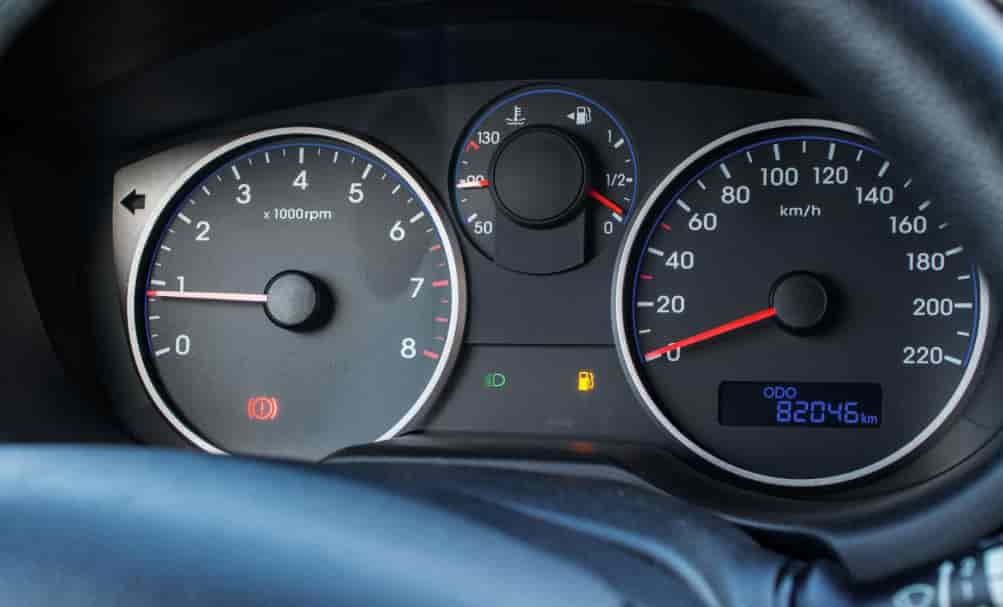
What Does a Chevy Fuel Gauge System Do
The fuel gauge system in a Chevrolet vehicle measures fuel level and shows it on the dashboard. It helps the driver know how much fuel remains and when to refuel. When this system fails the reading becomes unreliable and can lead to unexpected fuel loss on the road.
A key part of this system is the fuel sending unit inside the fuel tank. This unit contains a float and a variable resistor. The float moves up and down based on fuel level. The resistor changes its electrical value as the float moves. This change creates a signal that represents how much fuel is in the tank.
The system sends this signal through the wiring harness. The ECU or BCM receives the signal depending on the vehicle model. It then processes the data and sends it to the instrument cluster. The cluster displays the fuel level on the gauge or digital screen.
Each component plays an important role. A stuck float can cause incorrect readings. Damaged wiring can stop the signal completely. A faulty instrument cluster can show wrong or no information even when the signal is correct.
Understanding this structure is important because a Chevy gas gauge not working issue can start in different places. The problem may come from the tank sensor wiring or dashboard display. You need to identify the exact failure point before you attempt any repair.
Main Causes of Chevy Gas Gauge Not Working
A Chevy gas gauge not working problem usually develops from several common failure points in the fuel system or electrical network. In most cases the issue does not come directly from the dashboard gauge. It often starts deeper in the fuel measurement system or in the wiring that connects all components. Understanding these causes helps you diagnose the problem faster and avoid unnecessary part replacements.
One of the most frequent causes is a faulty fuel sending unit. This component sits inside the fuel tank and measures fuel level using a float connected to a resistor. Over time the float can wear out or get stuck and the resistor can lose accuracy. When this happens the gauge may show empty even when the tank is full or it may jump between incorrect readings without warning.
Wiring issues also cause many fuel gauge failures. The signal from the fuel sending unit must travel through the wiring harness to reach the dashboard system. If wires become corroded damaged or loose the signal can break or weaken. This often results in an unstable gauge or a complete loss of reading.
Another possible cause is instrument cluster failure. The cluster receives the fuel data and displays it on the dashboard. If internal circuits fail the gauge may stop moving even though the fuel system is working correctly. This often leads to confusion because the sensor may not actually be the problem.
Electrical issues such as a blown fuse can also interrupt the system. In addition communication errors between the ECU or BCM and the cluster can distort fuel level data. Although less common these issues still appear in modern Chevy vehicles and should not be ignored during diagnosis.
Symptoms You Should Notice Before Complete Failure
A Chevy gas gauge not working issue rarely appears all at once. In most cases the system shows warning signs before it stops functioning completely. Recognizing these early symptoms helps you diagnose the problem faster and avoid running out of fuel unexpectedly.
One of the most common symptoms is an unstable fuel reading. The gauge may move up and down even when the vehicle is parked on a flat surface. This usually indicates a weak signal from the fuel sending unit or a developing wiring issue. The reading may also jump suddenly from full to empty without any real change in fuel level.
Another frequent sign is a gauge that gets stuck. It may stay on empty even after refueling or remain on full for a long period. This often points to a stuck float inside the fuel tank or a resistor that no longer responds correctly. In some cases the gauge needle stops moving entirely while the vehicle is running normally.
Some drivers also notice delayed updates on the dashboard. The fuel level changes but the gauge reacts slowly or only after restarting the vehicle. This symptom often suggests communication delays between the ECU or BCM and the instrument cluster.
A warning fuel light that turns on incorrectly can also indicate a problem. The light may activate even when there is enough fuel in the tank. This usually happens when the system receives incorrect data from the sending unit.
These symptoms show that the fuel gauge system is starting to fail. Early detection allows you to isolate the issue before it becomes a complete failure that affects driving safety and fuel management.
Step-by-Step Diagnosis Method
When a Chevy gas gauge not working issue appears, you need a structured diagnosis process to find the exact failure point. This helps you avoid replacing parts blindly and reduces repair costs. A step-by-step approach also makes it easier to separate electrical issues from sensor or cluster problems.
Start by checking the actual fuel level in the tank. Fill the tank or verify fuel manually if possible. This confirms whether the issue comes from the gauge system or a misunderstanding of fuel quantity. Many cases start with a simple mismatch between real fuel level and dashboard reading.
Next, inspect the fuse box. Locate the fuse related to the fuel gauge or instrument cluster system. A blown fuse can stop the gauge completely. Replacing a damaged fuse is a quick and low-cost fix if this is the root cause.
After that, check the fuel sending unit inside the fuel tank. You can test its resistance using a multimeter. A stable reading indicates the sensor is still functional. A fluctuating or zero reading often points to a failed float or resistor inside the unit.
Then inspect the wiring harness connected to the fuel system. Look for corrosion, loose connectors, or broken wires. Even minor damage can interrupt the signal and cause incorrect gauge behavior.
Finally, use an OBD2 scanner to check for error codes. The ECU or BCM may store data related to fuel level communication issues. These codes help confirm whether the problem is electrical, sensor-based, or related to the instrument cluster.
This diagnostic process helps narrow down the exact cause of the issue before moving to repairs. It ensures you fix the real problem instead of treating symptoms.
How to Fix Chevy Gas Gauge Not Working
Once you identify the cause of a Chevy gas gauge not working issue, you can move on to the repair stage. The correct fix depends on which component fails during diagnosis. A proper repair approach helps restore accurate fuel readings and prevents the problem from returning.
If the fuel sending unit fails, replacement is usually the most effective solution. This component sits inside the fuel tank and wears out over time. When the float sticks or the resistor breaks, the system cannot measure fuel correctly. Replacing the sending unit restores accurate fuel level readings in most cases.
If wiring issues cause the problem, you need to repair or replace the damaged sections. Corroded connectors should be cleaned or replaced. Loose wires must be secured properly to restore a stable electrical connection. In some cases, a full wiring harness repair may be necessary if damage is widespread.
When the instrument cluster fails, repair or replacement may be required. Some clusters can be repaired if only the internal circuit is damaged. In other cases, replacing the entire cluster is the only reliable fix. After replacement, calibration ensures the gauge displays correct information.
If a blown fuse causes the issue, replacing it is a quick fix. However, you should also check for underlying electrical problems that may have caused the fuse to fail in the first place.
For ECU or BCM communication errors, a system reset or software update may solve the issue. In more complex cases, professional diagnostic tools are required to reprogram or recalibrate the system.
Each repair method targets a specific failure point. Choosing the correct fix based on diagnosis ensures the fuel gauge system works accurately and reliably again.
Cost of Repair
The cost to fix a Chevy gas gauge not working issue depends on the exact cause of the failure and the parts involved. Prices can vary widely based on vehicle model, labor rates, and whether you choose DIY repair or professional service.
If the fuel sending unit is the problem, this is usually the most common repair. The part itself is moderately priced, but labor can be higher because it requires access to the fuel tank. In many cases the tank must be lowered to replace the unit. This makes the total cost higher than basic electrical repairs.
If wiring damage is the cause, the cost depends on the extent of the issue. Minor repairs such as cleaning connectors or fixing small wire breaks are relatively inexpensive. However, if the wiring harness is heavily damaged, the cost increases because more labor is required to trace and replace sections of the circuit.
When the instrument cluster fails, repair costs can vary significantly. Simple internal repairs may cost less, but full cluster replacement is more expensive. Additional calibration may also be required after installation to ensure accurate readings.
If the issue comes from a blown fuse, the repair cost is minimal. Replacing a fuse is one of the cheapest fixes, but it is important to confirm that no deeper electrical issue caused the failure.
For ECU or BCM related problems, costs are usually higher because diagnostic tools and software programming may be required. These repairs often need professional service and specialized equipment.
Overall, the total cost can range from a low-cost quick fix to a more expensive system repair depending on the root cause. Proper diagnosis always helps reduce unnecessary spending.
Prevention Tips and Conclusion
Preventing a Chevy gas gauge not working issue starts with maintaining the fuel system and electrical connections in good condition. Regular attention to small details can help you avoid expensive repairs and unexpected fuel reading failures.
One important step is to keep the fuel tank at a reasonable level. Running the tank too low for long periods can increase stress on the fuel sending unit. The float and resistor inside the unit work harder when fuel levels are constantly near empty, which can shorten their lifespan over time.
It is also important to protect the vehicle’s electrical system. Moisture and corrosion can damage wiring connectors and create unstable signals. Checking connectors during routine maintenance helps detect early signs of wear before they become serious problems. Keeping the fuse box clean and dry also improves system reliability.
Another useful practice is to monitor early warning signs. If the fuel gauge starts behaving irregularly, it is better to inspect the system immediately instead of waiting for a complete failure. Early diagnosis often prevents more expensive repairs such as instrument cluster replacement or wiring harness repair.
Using an OBD2 scanner during regular maintenance can also help detect hidden communication issues between the ECU, BCM, and fuel system. This allows you to fix small errors before they affect the dashboard reading.
In conclusion, a Chevy gas gauge not working problem usually comes from a limited number of causes including the fuel sending unit, wiring issues, instrument cluster failure, or electrical disruptions. Most cases are diagnosable with a structured approach and can be fixed effectively once the root cause is identified. Proper maintenance and early detection are the key factors that keep the fuel gauge system accurate and reliable over time.