The Toyota Tacoma has earned a reputation as one of the most dependable midsize pickup trucks on the market. Known for its durability, off-road capability, and long-term reliability, the Tacoma has become a favorite among truck owners, outdoor enthusiasts, and daily drivers alike. However, even a vehicle with such a strong reputation is not immune to mechanical issues. One area that has generated concern among some owners is the transmission system.
Imagine driving down the highway when your Tacoma suddenly hesitates before shifting gears, jerks unexpectedly during acceleration, or struggles to engage Drive after being parked overnight. While these symptoms may seem minor at first, they can indicate underlying transmission problems that may worsen over time if left unaddressed. Since transmission repairs are often among the most expensive automotive repairs, recognizing early warning signs can save owners significant time, money, and frustration.
Toyota Tacoma transmission problems can range from hard shifting and gear slipping to delayed engagement and torque converter issues. Some model years have also received complaints related to gear hunting and inconsistent shift patterns, particularly in certain automatic transmission configurations. Understanding these issues is essential whether you currently own a Tacoma or are considering purchasing a used one.
In this guide, we will explore the most common Toyota Tacoma transmission problems, their symptoms, likely causes, and the most effective solutions. By learning what to watch for and how to respond, you can help protect your truck’s performance, reliability, and long-term value.
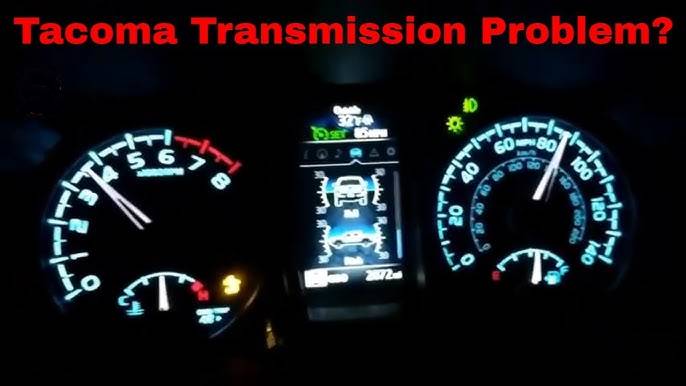
1. Hard Shifting Between Gears
One of the most frequently reported Toyota Tacoma transmission problems is hard shifting. This issue occurs when the transmission changes gears abruptly instead of making smooth transitions. Drivers often describe the sensation as a noticeable jolt, thump, or sudden jerk when accelerating or decelerating.
Hard shifting can occur under various driving conditions, but it is commonly experienced when moving from first gear to second gear or during downshifts while slowing down. In some cases, the vehicle may feel as though it is being pushed forward unexpectedly when the transmission engages the next gear.
Several factors can contribute to hard shifting. Low transmission fluid levels are among the most common causes because insufficient fluid pressure affects the transmission’s ability to operate smoothly. Dirty or degraded fluid can also create shifting issues by reducing lubrication and increasing friction within the system. Faulty shift solenoids, worn internal components, and outdated transmission control software may further contribute to the problem.
Ignoring hard shifting can lead to accelerated wear on gears, clutch packs, and other critical transmission components. If the issue is identified early, a simple fluid service or software update may resolve the problem. However, prolonged neglect can result in significantly higher repair costs.
Owners who notice rough or inconsistent shifting should schedule a transmission inspection as soon as possible. Addressing the issue early can prevent more severe damage and help maintain the Tacoma’s reputation for long term reliability.
2. Transmission Slipping
Transmission slipping is another common concern among Tacoma owners and can be one of the most alarming symptoms of transmission trouble. When a transmission slips, the engine revs increase, but the vehicle does not accelerate as expected. This disconnect between engine speed and vehicle movement often leaves drivers feeling a loss of power and control.
The problem may initially appear only during heavy acceleration, towing, or climbing steep hills. Over time, however, slipping can become more frequent and affect normal driving conditions. Some drivers also report delayed acceleration, unusual noises, or a burning smell coming from the transmission area.
Low transmission fluid is often the first thing technicians check when diagnosing transmission slipping. Insufficient fluid pressure can prevent gears from engaging properly. In other cases, worn clutch packs, damaged bands, failing solenoids, or internal hydraulic issues may be responsible.
Transmission slipping should never be ignored. Continued driving under these conditions generates excessive heat and accelerates internal wear. What starts as a relatively minor repair can quickly escalate into a complete transmission rebuild or replacement.
Routine fluid inspections and prompt diagnostic testing are critical whenever slipping symptoms appear. Early intervention often results in lower repair costs and a better chance of preserving the transmission’s overall health.
3. Delayed Gear Engagement
Delayed gear engagement occurs when there is a noticeable pause between selecting a gear and the transmission responding. For example, after shifting into Drive or Reverse, the vehicle may take several seconds before it begins moving. This hesitation can be frustrating and may indicate developing transmission problems.
Many Tacoma owners first notice this issue during cold starts or after the vehicle has been parked for an extended period. Initially, the delay may seem insignificant. However, as internal wear progresses, engagement times often become longer and more unpredictable.
Several factors can contribute to delayed gear engagement. Low transmission fluid levels reduce hydraulic pressure, making it difficult for the transmission to engage gears quickly. Internal seal wear, valve body problems, torque converter issues, and aging transmission components can also affect engagement performance.
The danger of delayed engagement lies in its tendency to worsen over time. What begins as a minor inconvenience can eventually develop into complete transmission failure if underlying issues are not addressed. Drivers may also experience hard shifting, slipping, or poor acceleration as related symptoms emerge.
A professional diagnosis is typically required to identify the exact cause. In some situations, replacing fluid and filters may restore normal operation. In more advanced cases, internal repairs may be necessary to correct worn or damaged components.
Because transmission repairs become more expensive as damage progresses, addressing delayed engagement early is one of the most effective ways to avoid major repair bills and extend the life of the transmission.
4. Gear Hunting and Inconsistent Shifting
Gear hunting is a frustrating issue that some Toyota Tacoma owners experience, particularly during highway driving or when towing heavy loads. This problem occurs when the transmission repeatedly shifts between gears because it struggles to determine the most appropriate gear for current driving conditions.
Drivers often notice the engine RPM rising and falling unnecessarily as the transmission continuously searches for the correct gear. This behavior can create an uncomfortable driving experience and may reduce fuel efficiency. In some situations, the truck may feel hesitant when accelerating, making it difficult to maintain a consistent speed.
Several factors can contribute to gear hunting. Transmission control module calibration issues are among the most common causes, especially in certain newer Tacoma models. Faulty sensors that provide inaccurate data to the transmission system can also trigger unnecessary gear changes. Additionally, torque converter problems may interfere with the transmission’s ability to maintain stable operation.
While gear hunting may not immediately indicate catastrophic transmission failure, it should not be ignored. Constant shifting increases wear on internal components and can negatively impact overall drivability. Toyota has released software updates for some model years to address shift logic concerns, and many owners have reported noticeable improvements after updating their vehicle’s programming.
If gear hunting becomes frequent, a professional diagnostic inspection can help determine whether the issue is software related or caused by a mechanical fault. Early diagnosis often prevents more serious transmission problems from developing later.
5. Torque Converter Problems
The torque converter plays a critical role in automatic transmission operation by transferring power from the engine to the transmission. When the torque converter begins to fail, drivers may experience a variety of symptoms that can easily be mistaken for other transmission issues.
One of the most common signs of torque converter trouble is shuddering during acceleration. The vehicle may feel as though it is driving over a rough surface even when the road is perfectly smooth. Some drivers also report vibrations at highway speeds, reduced fuel economy, sluggish acceleration, and difficulty maintaining speed under load.
Torque converter problems can result from internal wear, contaminated transmission fluid, overheating, or damaged lockup clutches. Over time, excessive heat and friction can degrade internal components and reduce the converter’s ability to transfer power efficiently.
Ignoring torque converter symptoms can lead to significant transmission damage. As debris circulates through the transmission fluid, other components may become contaminated and begin to wear prematurely. What starts as a torque converter issue can eventually affect the entire transmission system.
Depending on the severity of the damage, solutions may range from a fluid service to complete torque converter replacement. Identifying the problem early often reduces repair costs and helps preserve the overall health of the transmission.
6. Transmission Fluid Leaks
Transmission fluid leaks are among the most overlooked Toyota Tacoma transmission problems. Because leaks often develop gradually, many drivers fail to notice them until performance issues begin to appear. However, even a small leak can create serious consequences if left unresolved.
Transmission fluid serves multiple essential functions. It lubricates moving parts, regulates temperature, and provides the hydraulic pressure necessary for gear changes. When fluid levels drop due to a leak, the transmission may begin exhibiting symptoms such as hard shifting, slipping, delayed engagement, and overheating.
Owners should routinely inspect areas beneath their vehicles for signs of leaking fluid. Healthy transmission fluid is typically bright red or pink in color. As it ages and becomes contaminated, it may appear dark brown and develop a burnt odor. Puddles or stains underneath the truck should never be ignored.
Leaks can originate from several locations, including transmission pan gaskets, cooler lines, seals, and fittings. While some leaks are relatively inexpensive to repair, others may require more extensive labor depending on their location and severity.
One of the biggest risks associated with fluid leaks is overheating. As fluid levels decrease, the transmission loses its ability to dissipate heat effectively. Excessive heat is a leading cause of transmission failure and can significantly shorten the lifespan of internal components.
Regular maintenance inspections can help identify leaks before they become major problems. Addressing a minor fluid leak today is often far less expensive than repairing a damaged transmission tomorrow.
7. Warning Signs of Toyota Tacoma Transmission Failure
Transmission problems rarely occur without warning. In most cases, the vehicle will display several symptoms before a major failure takes place. Recognizing these warning signs early can help Tacoma owners avoid expensive repairs and unexpected breakdowns.
One of the first indicators is unusual noise coming from the transmission area. Grinding, whining, humming, or clunking sounds may suggest internal wear or inadequate lubrication. These noises often become more noticeable during acceleration, gear changes, or when driving under heavy load.
Another common warning sign is the appearance of dashboard warning lights. The Check Engine Light may illuminate when the vehicle’s computer detects transmission-related faults. Some models may also display transmission temperature warnings if the system begins to overheat.
Drivers should also pay close attention to any burning smell. Overheated transmission fluid produces a distinct odor that often indicates excessive friction or inadequate cooling. If this smell is present, immediate inspection is recommended to prevent further damage.
Changes in vehicle performance can also signal transmission trouble. Sluggish acceleration, delayed responses, sudden power loss, or inconsistent shifting behavior should never be dismissed as normal wear. These symptoms often indicate that internal components are beginning to fail.
The sooner these warning signs are addressed, the greater the likelihood of resolving the issue without major repairs. Early diagnosis remains one of the most effective ways to extend transmission life and reduce long term ownership costs.
8. Toyota Tacoma Model Years Most Associated with Transmission Complaints
Although Toyota Tacoma trucks are generally regarded as reliable, certain model years have generated more transmission-related complaints than others. Understanding which years have experienced recurring issues can be valuable for both current owners and prospective buyers.
The 2005 through 2010 Tacoma models are among the years most frequently discussed in owner forums and repair reports. Some drivers reported hard shifting, hesitation during acceleration, delayed engagement, and premature wear of transmission components. While many vehicles operated without major issues, these concerns appeared often enough to attract attention from owners and technicians.
Another group of model years that received significant discussion includes the 2016 through 2018 Tacoma generation. Many owners reported gear hunting and inconsistent shift behavior, particularly during highway driving. In numerous cases, the issue was linked to transmission programming and shift logic rather than mechanical failure.
Toyota addressed some of these concerns through software updates designed to improve transmission performance and drivability. As a result, many owners experienced improvements after receiving updated calibration from dealerships.
It is important to note that not every vehicle within these model years will experience transmission problems. Maintenance history, driving habits, towing practices, and environmental conditions all play a significant role in determining long term transmission reliability.
When shopping for a used Tacoma, reviewing maintenance records and conducting a thorough test drive can help identify potential issues before purchase. A well-maintained vehicle often remains dependable regardless of model year.
9. Diagnosing Toyota Tacoma Transmission Problems
Accurate diagnosis is essential before attempting any transmission repair. Because many symptoms can have multiple causes, identifying the root problem prevents unnecessary expenses and ineffective repairs.
The first step is checking the transmission fluid. Fluid should be at the proper level, free from contamination, and maintain a healthy red appearance. Dark fluid, metal particles, or a burnt smell often indicate internal wear or overheating.
The next step involves scanning the vehicle for diagnostic trouble codes. Modern Tacoma models rely on numerous sensors and electronic control systems to manage transmission operation. A professional scan tool can reveal issues involving shift solenoids, speed sensors, pressure controls, and communication faults within the transmission control system.
A road test is also an important part of diagnosis. During the test drive, technicians evaluate shift quality, acceleration performance, gear engagement, vibration levels, and unusual noises. Observing how symptoms occur under real-world conditions provides valuable insight into potential causes.
If basic inspections fail to identify the issue, a more detailed transmission inspection may be required. Specialists may perform hydraulic pressure testing, valve body analysis, or internal component inspections to pinpoint the source of the problem.
Proper diagnosis not only saves money but also increases the likelihood of a successful repair. Replacing parts without confirming the actual cause often leads to frustration and additional expenses. A systematic diagnostic approach remains the most effective path toward restoring reliable transmission performance.
Common Fixes for Toyota Tacoma Transmission Problems
Once a transmission problem has been properly diagnosed, the next step is selecting the most effective repair solution. The appropriate fix depends on the severity of the issue, vehicle mileage, maintenance history, and the condition of internal components. Fortunately, not every transmission problem requires a complete replacement.
One of the simplest and most cost effective solutions is a transmission fluid service. Over time, transmission fluid breaks down due to heat, contamination, and normal wear. Old fluid loses its ability to lubricate and cool internal components effectively. Replacing degraded fluid can improve shift quality, reduce operating temperatures, and resolve minor performance issues. For many Tacoma owners, regular fluid maintenance is one of the best investments in long term transmission reliability.
Software updates can also play a significant role in addressing certain transmission complaints. Some Tacoma model years experienced shift logic concerns that resulted in gear hunting, hesitation, or inconsistent shifting behavior. Updated transmission control software can optimize shift patterns and improve overall drivability without requiring major mechanical repairs.
In cases involving delayed shifts or incorrect gear engagement, faulty shift solenoids may be responsible. These electronically controlled components regulate fluid flow throughout the transmission. When a solenoid fails, gear changes can become erratic or delayed. Replacing defective solenoids often restores proper transmission operation and prevents further wear.
Torque converter replacement may be necessary when symptoms such as shuddering, vibration, or poor acceleration persist. Since the torque converter is responsible for transferring engine power to the transmission, internal damage can significantly affect vehicle performance. Replacing a failing converter can eliminate vibrations and improve driving comfort.
For transmissions with moderate internal damage, a rebuild may be the most practical solution. During a rebuild, worn components such as clutch packs, seals, bearings, and valves are replaced while retaining the transmission housing and reusable parts. This approach is often less expensive than a full replacement and can restore reliable operation for many years.
When severe internal damage has occurred, complete transmission replacement may be the only viable option. Although this is typically the most expensive repair, it provides a fresh start for vehicles that have experienced catastrophic transmission failure. Owners should carefully compare repair costs against vehicle value when considering this option.
How to Prevent Toyota Tacoma Transmission Problems
Preventive maintenance remains the most effective strategy for avoiding costly transmission repairs. While no mechanical component lasts forever, proper care can significantly extend transmission lifespan and reduce the likelihood of unexpected failures.
Routine transmission fluid inspections should be part of every maintenance schedule. Checking fluid condition allows owners to identify contamination, overheating, or leaks before serious damage develops. Following Toyota’s recommended service intervals helps ensure the transmission receives adequate lubrication and cooling throughout its life.
Drivers who regularly tow trailers or carry heavy loads should pay special attention to transmission temperatures. Excessive heat is one of the leading causes of transmission wear. Installing an auxiliary transmission cooler may provide additional protection for vehicles that frequently operate under demanding conditions.
Smooth driving habits can also contribute to transmission longevity. Aggressive acceleration, sudden braking, and repeated heavy towing place additional stress on internal components. Maintaining steady driving patterns reduces wear and helps preserve transmission performance over time.
Addressing minor symptoms immediately is another important preventive measure. Many major transmission failures begin with relatively small issues such as fluid leaks, occasional hesitation, or minor shift irregularities. Early intervention often prevents these problems from developing into expensive repairs.
By combining routine maintenance, responsible driving habits, and prompt repairs, Tacoma owners can maximize transmission life and maintain the reliability that has made the truck so popular among drivers worldwide.
Conclusion
The Toyota Tacoma has earned its reputation as one of the most dependable midsize trucks available today. However, even the most reliable vehicles can experience transmission problems as they age or accumulate mileage. Understanding the most common Toyota Tacoma transmission problems is essential for maintaining performance, preventing costly repairs, and protecting the long term value of the vehicle.
Issues such as hard shifting, transmission slipping, delayed gear engagement, gear hunting, torque converter failure, and fluid leaks can all affect drivability and reliability. While these problems may initially appear minor, they often become more serious and expensive if ignored. Recognizing early warning signs and taking prompt action can make a significant difference in repair costs and overall vehicle health.
The good news is that many transmission issues can be resolved through routine maintenance, fluid services, software updates, and timely component replacement. In more severe cases, professional repairs, rebuilds, or transmission replacement may restore the vehicle to proper working condition.
For Tacoma owners, prevention is always more affordable than repair. Regular inspections, proper maintenance practices, and immediate attention to unusual symptoms can help ensure years of reliable operation. Whether you currently own a Tacoma or are considering purchasing one, understanding these common transmission concerns will help you make informed decisions and keep your truck performing at its best for the road ahead.