The Ford GT is one of the most valuable American supercars ever built. Its price depends on several factors, including the model year, edition, mileage, condition, and collector demand.
The original Ford GT from the 2017 model year started at about $450,000. Today, many examples sell for much higher prices because Ford produced only a limited number of cars. Strong demand from collectors also increased the market value of this supercar.
Special models can reach even higher prices. The Ford GT Heritage Edition and Liquid Carbon Edition attract collectors because they offer unique designs, rare specifications, and a stronger connection to Ford’s racing history.
This guide explains how much a Ford GT costs in different markets. It covers the original MSRP, current used prices, special edition values, and ownership expenses. It also explains why the Ford GT has a higher value than many other supercars.
Understanding the Ford GT price requires more than looking at the original sticker price. Production numbers, engineering technology, racing heritage, and collector interest all influence its final market value.
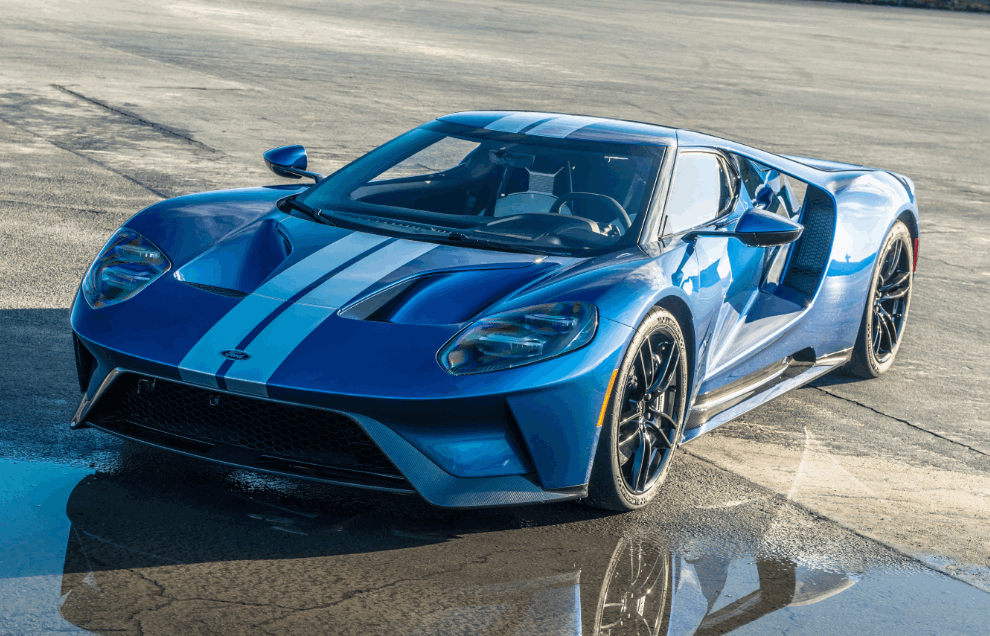
How Much Does a Ford GT Cost?
A Ford GT costs between approximately $500,000 and more than $1 million depending on the model year, condition, mileage, and market demand. The original second generation Ford GT had a starting MSRP of around $450,000 when Ford launched production in 2017. However, the current market price has increased because the vehicle has become a highly desirable collector supercar.
The price difference between the original MSRP and the current market value comes from limited production and strong buyer demand. Ford produced only 1,350 units of the second generation Ford GT between 2016 and 2022. This limited supply created competition among collectors who wanted a rare American performance car with significant racing heritage.
Used Ford GT prices vary based on several vehicle attributes. Low mileage examples with desirable specifications usually command higher prices than heavily driven models. Rare colors, special editions, original ownership history, and documented maintenance records also influence market value.
The Ford GT represents more than a high performance vehicle. Its value comes from the combination of advanced engineering, limited availability, and motorsport history. The car uses a carbon fiber structure, a twin turbocharged 3.5 liter EcoBoost V6 engine, and design elements inspired by Ford’s Le Mans winning legacy.
For buyers researching Ford GT prices, the original purchase price provides only part of the picture. The real market value depends on how collectors evaluate rarity, condition, historical importance, and long term demand.
What Was the Original MSRP of the Ford GT?
The original MSRP of the second generation Ford GT started at approximately $450,000 when Ford introduced the car for the 2017 model year. This price positioned the Ford GT among the most expensive American performance cars available at the time. The final price could increase depending on factory options, customization choices, and delivery costs.
Ford did not sell the Ford GT through a traditional dealership model. The company created a strict application process to select buyers because production numbers remained extremely limited. Approved customers received the opportunity to purchase the car directly, which helped Ford maintain control over ownership and protect the vehicle’s exclusivity.
The Ford GT’s original price reflected its advanced engineering and racing technology. The car featured a carbon fiber monocoque structure, active aerodynamics, and a twin turbocharged EcoBoost V6 engine. These technologies helped reduce weight, improve performance, and connect the road car with Ford’s endurance racing achievements.
The relationship between MSRP and market value changed quickly after production began. Many buyers recognized that Ford produced far fewer Ford GT models than demand required. This created a gap between the factory price and secondary market prices. Some owners listed their cars for significantly higher amounts because collectors valued the vehicle’s rarity and historical importance.
The original MSRP remains an important reference point for understanding Ford GT pricing. However, the current value depends more on market conditions, vehicle history, and collector interest than the original factory price.
Why Is the Ford GT More Expensive Than Its Original Price?
The Ford GT costs more than its original MSRP because supply, demand, engineering, and historical significance have increased its market value. Ford created the second generation Ford GT as a limited production supercar, which made ownership more exclusive than many other high performance vehicles.
Limited production is one of the main reasons behind the Ford GT’s price increase. Ford produced only 1,350 units of the 2017 to 2022 Ford GT generation. This number is significantly lower than many competing supercars from Ferrari, Lamborghini, and Porsche. When demand exceeds available supply, collectors often compete for the remaining vehicles, which pushes prices higher.
The Ford GT’s racing heritage also strengthens its value. The car continues the legacy of the Ford GT40, the race car that defeated Ferrari at the 1966 24 Hours of Le Mans. This connection gives the modern Ford GT historical importance that extends beyond performance numbers. Collectors often pay higher prices for vehicles with a strong motorsport background.
Advanced engineering also contributes to the Ford GT’s premium pricing. Ford used lightweight carbon fiber materials, active aerodynamic systems, and a twin turbocharged EcoBoost V6 engine to create a focused performance machine. These technologies increased manufacturing complexity and separated the Ford GT from ordinary sports cars.
Collector demand remains another important factor. Buyers value low production vehicles with unique stories, strong brand heritage, and long term appeal. The Ford GT combines all three elements, which explains why many examples trade above their original factory price.
How Much Is a Used Ford GT Worth Today?
A used Ford GT is worth between approximately $500,000 and more than $1 million depending on its production year, mileage, condition, and specifications. The secondary market price often exceeds the original MSRP because collectors recognize the Ford GT as a limited production supercar with strong historical importance.
The 2017 to 2022 Ford GT models usually achieve higher prices when they have low mileage and excellent ownership records. A vehicle with only a few hundred miles can attract significant collector interest because buyers often prefer examples that remain close to their original condition. Cars with higher mileage can still maintain strong values, but they usually sell for less than low mileage examples.
The specification of each Ford GT also affects its market price. Buyers often value rare exterior colors, special paint options, carbon fiber packages, and limited editions. The Heritage Edition models usually command higher prices because they connect the modern Ford GT with the legendary Ford GT40 racing history.
Auction results also influence Ford GT market values. High profile sales create new price references for collectors and sellers. When a rare Ford GT sells for a record amount, similar vehicles often receive stronger market attention.
The current Ford GT market shows that price depends on more than age or mileage. The vehicle’s rarity, racing heritage, condition, and collector demand all determine its final value. For buyers researching a Ford GT purchase, understanding these factors provides a more accurate view of the car’s real market price.
How Much Do Ford GT Special Editions Cost?
Ford GT special editions usually cost more than standard models because they combine limited production, unique designs, and stronger collector demand. These versions represent some of the most desirable Ford GT examples because they connect the modern supercar with Ford’s racing history and advanced engineering achievements.
The Ford GT Heritage Edition is one of the most valuable special versions. This model celebrates the original Ford GT40 that won the 1966 24 Hours of Le Mans. Its Gulf Racing inspired paint scheme, exclusive interior details, and historical connection make it highly attractive to collectors. Used Heritage Edition models often sell above standard Ford GT prices because buyers value the combination of rarity and motorsport heritage.
The Ford GT Liquid Carbon Edition also commands a premium in the collector market. Instead of traditional painted body panels, this version highlights the vehicle’s exposed carbon fiber construction. The unique appearance shows the lightweight materials used in the car’s structure and creates a more exclusive visual identity.
The Ford GT Mk II occupies a different position because it was designed specifically for track use. Unlike the road legal Ford GT, the Mk II focuses on maximum performance with improved aerodynamics, increased power, and racing focused components. Its limited production and specialized purpose make it one of the rarest Ford GT variants.
Special editions demonstrate how Ford GT pricing extends beyond performance specifications. Collectors consider historical significance, production numbers, design uniqueness, and exclusivity when determining value. These factors explain why certain Ford GT models can achieve significantly higher prices than standard examples.
How Much Does It Cost to Own a Ford GT?
Owning a Ford GT requires more than paying the purchase price. The total ownership cost includes maintenance, insurance, storage, servicing, and other expenses related to maintaining a limited production supercar. Because the Ford GT uses advanced materials and specialized engineering, owners need professional service to preserve the vehicle’s performance and value.
Maintenance costs for a Ford GT are higher than those of regular performance cars. The vehicle uses a carbon fiber structure, specialized suspension components, and a twin turbocharged EcoBoost V6 engine. These systems require trained technicians and specific parts. Routine servicing, tire replacement, brake maintenance, and repairs can become significant expenses because many components are designed specifically for the Ford GT.
Insurance costs also contribute to ownership expenses. Insurance providers usually evaluate the car based on its market value, replacement cost, driving frequency, and owner profile. A Ford GT with a value above $1 million may require specialized collector car insurance rather than a standard performance vehicle policy.
Storage is another important consideration for Ford GT owners. Many collectors keep their vehicles in climate controlled environments to protect the carbon fiber body, paint finish, and mechanical components. Limited use also helps maintain mileage and preserve resale value.
The long term cost of owning a Ford GT depends on how the owner uses and maintains the vehicle. A carefully maintained example can preserve its collector appeal, while poor maintenance history can reduce market value. For this reason, ownership requires financial planning beyond the initial purchase price.
Is the Ford GT a Good Collector Car Investment?
The Ford GT has become a significant collector car because it combines limited production, racing heritage, and strong market demand. However, its value should be evaluated as a collectible vehicle rather than a guaranteed financial investment. Market prices can change based on economic conditions, collector interest, and the condition of individual vehicles.
The limited production volume is one of the strongest factors supporting the Ford GT’s collector value. Ford built only a small number of second generation Ford GT models, which created long term scarcity. Collectors often seek vehicles with restricted availability because rare models usually attract stronger attention in specialized markets.
The Ford GT’s historical importance also supports its position as a collector vehicle. The connection to the Ford GT40 and the 24 Hours of Le Mans victory gives the modern Ford GT a unique story. Many collectible cars gain value because of their racing achievements, manufacturer history, and cultural significance.
Condition plays a major role in determining future value. Low mileage examples with complete documentation, original specifications, and proper maintenance usually attract more buyers. Special editions and unique configurations may also receive stronger demand because they offer additional exclusivity.
The Ford GT can hold strong collector appeal because it represents a rare combination of American engineering, motorsport heritage, and limited availability. However, owners should consider factors such as maintenance costs, market trends, and personal enjoyment when evaluating its long term value.
How Does Ford GT Price Compare With Other Supercars?
The Ford GT occupies a unique position in the supercar market because its price reflects rarity, engineering, and historical importance rather than only performance. Compared with other high performance vehicles from Ferrari, Lamborghini, and Porsche, the Ford GT often commands a similar or higher market value despite having a different approach to design and production.
Ferrari supercars usually carry strong collector value because of their racing heritage, Italian craftsmanship, and brand reputation. Models such as limited production Ferrari vehicles often achieve high prices because collectors associate the brand with exclusivity and motorsport success. The Ford GT follows a similar strategy by using racing history, especially the Ford GT40 legacy, to create emotional and historical value.
Lamborghini models often attract buyers through dramatic styling, powerful engines, and luxury appeal. While many Lamborghini vehicles remain highly desirable, the Ford GT separates itself through lower production numbers and a stronger connection to endurance racing. This difference helps explain why some Ford GT examples achieve prices beyond many Lamborghini models.
Porsche also produces highly valuable collector cars, especially limited editions connected to motorsport. However, the Ford GT has a different market position because Ford built it as a modern interpretation of a legendary race car rather than as a regular production sports car.
The Ford GT’s pricing demonstrates that supercar value depends on more than horsepower or acceleration. Production volume, engineering innovation, racing history, and collector demand all influence market value. These factors allow the Ford GT to compete with some of the most prestigious vehicles in the global supercar market.
Ford GT Price Summary and Market Value
The Ford GT remains one of the most valuable modern American supercars because its price reflects more than its original factory cost. The second generation Ford GT started with an MSRP of around $450,000, but limited production, collector demand, and racing heritage pushed many examples to much higher market values.
The current cost of a Ford GT depends on several factors, including model year, mileage, condition, specifications, and edition. Standard models already attract strong demand, while special versions such as the Heritage Edition and Liquid Carbon Edition often achieve higher prices because of their rarity and unique characteristics.
The Ford GT’s value comes from the combination of advanced engineering, limited availability, and historical significance. Its carbon fiber construction, twin turbocharged EcoBoost engine, and connection to the Ford GT40 racing legacy make it different from many other supercars.
For buyers and collectors, understanding Ford GT pricing requires looking beyond the purchase price. Ownership costs, maintenance requirements, and long term market demand all influence the vehicle’s overall value. The Ford GT represents a rare combination of performance, technology, and automotive history, which explains why it continues to hold a strong position in the collector car market.