The Ford F-150 AC recharge port is on the low pressure side of the air conditioning system. You can usually find it on the larger refrigerant line near the accumulator or compressor area. The exact location depends on the Ford F-150 model year.
The AC system has two service ports. The low pressure port connects to the recharge equipment. The high pressure port serves a different purpose. You must use the low pressure port when you add refrigerant or check AC pressure.
Many Ford F-150 owners search for the AC recharge port because their truck does not blow cold air. A correct port identification helps prevent wrong connections and inaccurate pressure readings. It also helps you check whether the AC system needs refrigerant or a deeper repair.
This guide explains where the Ford F-150 AC recharge port is located, how to identify the low pressure port, and what you should check before recharging the system. These steps help you understand your truck’s air conditioning system and avoid common AC service mistakes.
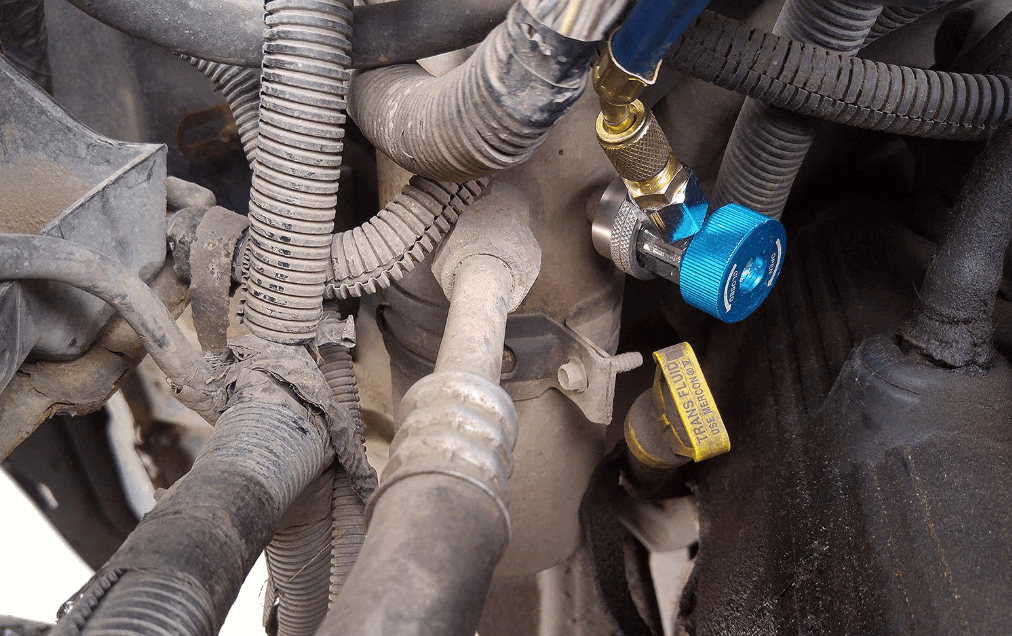
Where Is the AC Recharge Port Located on a Ford F-150?
The Ford F-150 AC recharge port is located on the low pressure refrigerant line in the air conditioning system. In most models, the port sits near the firewall, accumulator, or the larger diameter AC line that connects to the compressor. The low pressure line is larger than the high pressure line because it carries refrigerant back to the compressor after the cooling process.
You can identify the recharge port by looking for a small service fitting with a protective cap. The cap often has markings that indicate the AC service point. The low pressure port uses a different connector size from the high pressure port, which helps prevent incorrect attachment during refrigerant service.
The exact Ford F-150 AC recharge port location changes between model years because Ford has redesigned the engine compartment layout and air conditioning components over time. Older F-150 models may place the port closer to the accumulator, while newer models may position it in a different area of the engine bay. Checking the refrigerant label under the hood and following the larger AC line helps you locate the correct port.
Before connecting any recharge equipment, inspect the AC system first. A Ford F-150 with warm air from the vents may have low refrigerant, a refrigerant leak, a compressor issue, or an electrical problem. Finding the recharge port solves only the location problem. It does not confirm that adding refrigerant will fix the AC system.
How Can You Identify the Low Pressure AC Port on a Ford F-150?
The low pressure AC port on a Ford F-150 has several features that make it easier to identify. The port connects to the larger refrigerant line and usually sits between the evaporator outlet and the AC compressor inlet. This side of the system carries low pressure refrigerant back to the compressor after the refrigerant absorbs heat inside the cabin.
The easiest way to identify the correct port is to compare the two AC service connections. The low pressure port has a larger fitting size and uses a smaller service connector designed for recharge equipment. The high pressure port uses a different connection size and sits on the high pressure side of the refrigerant cycle. Ford designed these different fittings to reduce the chance of connecting recharge tools to the wrong service point.
You should also check the service cap and refrigerant label before connecting any equipment. The label under the hood provides important information about the refrigerant type, such as R-134a or R-1234yf, and confirms the correct AC system specification for your truck. Using the correct refrigerant type protects the compressor and keeps the air conditioning system operating properly.
Many Ford F-150 owners make mistakes by choosing a port based only on location. The closest service port is not always the correct recharge port. Always follow the refrigerant line and confirm that you are working with the low pressure side before adding refrigerant.
Does the Ford F-150 AC Recharge Port Location Change by Model Year?
The Ford F-150 AC recharge port location changes between model years because Ford has updated the truck’s engine design, air conditioning components, and refrigerant systems over different generations. The basic function remains the same, but the position of the low pressure service port can move depending on the engine layout and HVAC system design.
Older Ford F-150 models commonly use R-134a refrigerant and often place the low pressure port near the accumulator or along the larger suction line in the engine compartment. These models have a more traditional AC service layout, which makes the recharge port easier to locate by following the larger refrigerant hose from the firewall area toward the compressor.
Newer Ford F-150 models may use R-1234yf refrigerant and have updated AC components that change the location and appearance of the service ports. The recharge port still connects to the low pressure side, but the engine bay layout may place the fitting in a different position. The refrigerant label under the hood provides the most accurate information about the system specification.
Ford F-150 owners should identify their truck’s model year before searching for the AC recharge port. A location guide for a 2010 F-150 may not match a 2023 F-150 because Ford changed component placement across generations. Checking the vehicle information label and following the refrigerant line provides a more reliable method than relying only on images from another model year.
What Should You Check Before Recharging the AC System on a Ford F-150?
Before you recharge the AC system on a Ford F-150, check the condition of the air conditioning components first. Low refrigerant is one possible cause of weak cooling, but it is not the only reason an AC system stops producing cold air. A proper inspection helps you avoid adding refrigerant to a system that has another mechanical or electrical problem.
The first check should focus on refrigerant leaks. The AC system works as a sealed cycle, so refrigerant does not disappear during normal operation. If the refrigerant level becomes low, a leak may exist in components such as the AC hose, condenser, evaporator, or service port. Adding more refrigerant without repairing the leak only provides a temporary improvement.
You should also check whether the AC compressor operates correctly. The compressor circulates refrigerant through the system and creates the pressure difference needed for cooling. If the compressor clutch does not engage or the compressor has internal damage, adding refrigerant will not restore normal cooling performance.
Another important check is airflow through the condenser. The condenser releases heat from the refrigerant, and blocked airflow can reduce cooling efficiency. Dirt, damaged fins, or a failing cooling fan can increase AC temperature even when the refrigerant level remains correct.
A Ford F-150 AC recharge should start with diagnosis, not just adding refrigerant. Checking leaks, compressor operation, and airflow helps determine whether the system needs a simple recharge or a complete AC repair.
Why Is My Ford F-150 AC Still Not Cold After Recharge?
A Ford F-150 AC system can still blow warm air after a recharge if another problem affects the cooling cycle. Adding refrigerant only improves cooling when low refrigerant causes the issue. If the system has a damaged component, incorrect pressure, or an airflow problem, the AC may continue to perform poorly after adding refrigerant.
One common cause is an incorrect refrigerant level. Too little refrigerant reduces cooling because the evaporator cannot absorb enough heat from the cabin air. Too much refrigerant creates excessive pressure inside the system and can reduce cooling performance. The AC system requires a specific refrigerant amount to maintain the correct pressure balance.
A failing AC compressor can also prevent the Ford F-150 from producing cold air after recharge. The compressor moves refrigerant through the system and creates the pressure changes required for heat transfer. If the compressor clutch does not engage, the compressor has internal wear, or the system cannot build pressure, the refrigerant will not complete the cooling cycle.
Other possible causes include a blocked expansion valve, a restricted refrigerant line, electrical problems, or poor airflow across the condenser. These problems affect how the AC system removes heat from the cabin. A pressure test and component inspection can identify the exact cause.
A successful recharge depends on the overall condition of the Ford F-150 air conditioning system. If the AC remains warm after adding refrigerant, diagnose the complete system instead of adding more refrigerant.
Can You Recharge a Ford F-150 AC System Yourself?
You can recharge a Ford F-150 AC system yourself if the system only needs a small refrigerant adjustment and no major problem affects the cooling cycle. A basic recharge process usually requires an AC recharge kit, a pressure gauge, and the correct refrigerant type listed on the vehicle label. However, DIY recharge does not replace a complete AC diagnosis.
The first step is confirming that the Ford F-150 uses the correct refrigerant. Older models commonly use R-134a, while newer models may use R-1234yf. These refrigerants require different service equipment and have different system specifications. Using the wrong refrigerant can damage AC components and create unsafe pressure conditions.
DIY recharge also has limitations because most recharge kits only measure low side pressure. A professional technician uses additional diagnostic equipment to check both low pressure and high pressure readings, refrigerant quantity, and system performance. This provides a more accurate evaluation of the AC system.
You should avoid recharging the AC system without checking for leaks first. A leaking system will lose refrigerant again after recharge, which means the cooling problem will return. Common leak locations include hoses, condenser connections, evaporator components, and service ports.
A Ford F-150 owner can handle basic inspection and port identification, but professional AC service becomes necessary when the system has leaks, compressor problems, or unusual pressure readings. Proper diagnosis saves time and prevents unnecessary refrigerant use.
What Is the Best Way to Find and Use the Ford F-150 AC Recharge Port?
The best way to find the Ford F-150 AC recharge port is to identify the low pressure service port on the larger refrigerant line. The port location depends on the truck’s model year, but the low pressure side always connects to the suction line that returns refrigerant to the AC compressor.
Before using a recharge kit, confirm the correct port, check the refrigerant type, and inspect the AC system for possible problems. A warm AC system does not always mean the truck needs more refrigerant. Issues such as refrigerant leaks, compressor failure, electrical faults, or airflow problems can also reduce cooling performance.
Understanding the Ford F-150 AC recharge port location helps owners perform basic inspections and avoid common mistakes during AC maintenance. Correct port identification protects the air conditioning system and provides more accurate troubleshooting information.
If the AC system continues to blow warm air after recharge, a complete diagnosis can identify the actual cause and prevent unnecessary repairs. Proper inspection remains the most effective way to maintain reliable cooling performance in a Ford F-150.