Ford Paint Code J7 identifies the original factory paint formula used on specific Ford vehicles. This code helps vehicle owners find the correct color match for repairs, touch up paint, and refinishing projects. A paint code gives a more accurate reference than a general color name.
Many Ford vehicles use unique paint codes because the same color description can appear different across models and production years. The vehicle surface condition, sunlight exposure, and repair method can also affect the final appearance. Checking the correct paint code reduces the risk of choosing the wrong product.
This guide explains the key information about Ford Paint Code J7. It covers the color name, compatible Ford vehicles, paint identification methods, and paint matching options. It also explains how to select the right touch up paint for a professional looking repair.
Finding Ford Paint Code J7 is the first step toward achieving a closer factory color match. Whether you need a small scratch repair or a larger paint restoration, accurate code identification helps you choose the right solution.
What Is Ford Paint Code J7?
Ford Paint Code J7 is an OEM paint identifier that represents a specific factory color formula used by Ford vehicles. The code allows repair professionals, parts suppliers, and vehicle owners to locate the correct paint formulation for a vehicle. Instead of relying only on a visual color description, the paint code provides a precise reference for automotive color matching.
Ford uses paint codes because vehicle colors contain specific pigment combinations, application methods, and finishing processes. Two colors may look similar to the human eye but use different paint formulas. A small difference in pigment ratio can create a visible mismatch after a repair. The J7 code connects the vehicle with its original paint specification and helps maintain a closer factory appearance.
Ford Paint Code J7 is different from a commercial color name. A manufacturer may promote a vehicle color with a name that is easier for customers to remember, but the paint code identifies the technical formula behind that color. Automotive repair shops and paint suppliers use these codes to select compatible products for touch up work, panel repairs, and full refinishing projects.
The paint code also plays an important role when buying replacement paint online. Product listings often contain similar color names, but the correct code confirms whether the product matches the vehicle specification. Checking Ford Paint Code J7 before purchasing paint reduces errors and improves the chance of achieving a consistent repair result.
What Color Is Ford Paint Code J7?
Ford Paint Code J7 identifies a specific factory paint color, but the exact color name depends on Ford’s official paint database and vehicle application records. The paint code provides the technical reference used by manufacturers and automotive paint suppliers to reproduce the original vehicle finish.
A paint code is more reliable than a visual color description because vehicle colors can appear different under various conditions. Sunlight, camera settings, surface wear, and paint aging can change how a color looks. A vehicle that has spent years outdoors may show a different shade compared with a newly painted replacement panel, even when both use the same Ford Paint Code J7 formula.
The correct color match process requires more than selecting a similar looking shade. Automotive paint suppliers compare the J7 code with factory paint information to identify the correct pigment combination. This process helps create a closer match between the repaired area and the original body panels.
Vehicle owners should confirm the paint code before purchasing touch up paint or repair products. Similar color names can appear across different manufacturers and production periods, but the OEM code provides the specific reference needed for accurate matching. Using Ford Paint Code J7 ensures that the selected product follows the original factory specification rather than relying on an estimated color match.
Which Ford Vehicles Use Paint Code J7?
Ford Paint Code J7 can appear on different Ford vehicles depending on the production period, market, and vehicle configuration. The paint code identifies the factory color specification, but it does not represent a single vehicle model. Ford applies the same paint formula across different models when the color is part of the available factory color options.
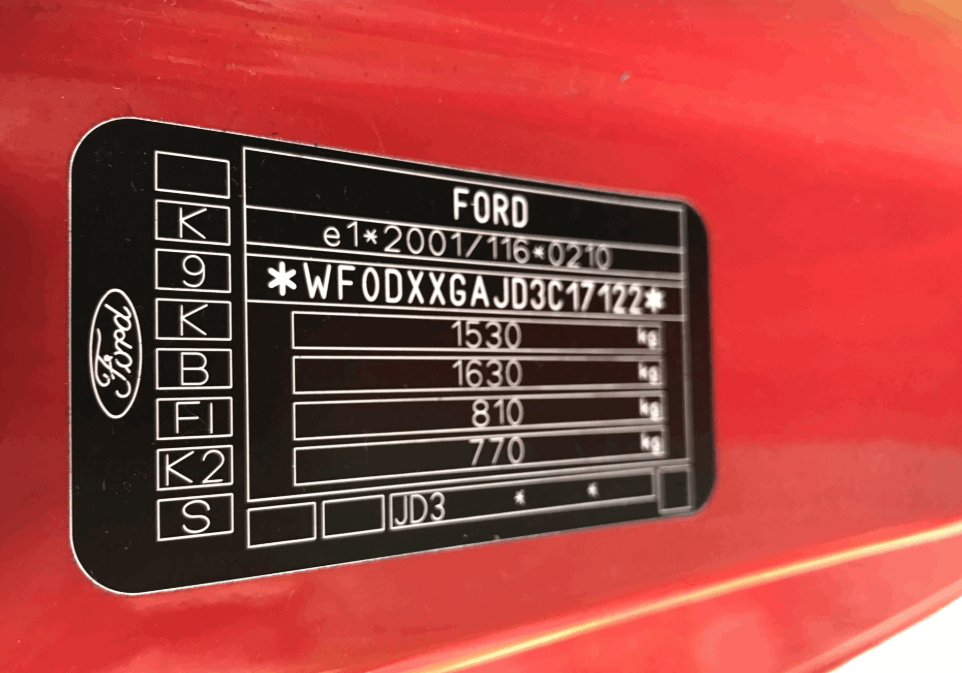
The best way to confirm whether a vehicle uses Ford Paint Code J7 is to check the vehicle identification label. Ford places the paint information on the certification label, which is commonly located on the driver side door jamb or inside the vehicle door area. This label contains important factory information, including the paint code used during production.
Vehicle owners should not rely only on the vehicle’s appearance when identifying a paint match. Different Ford models can share similar colors, and environmental factors can change how the paint looks over time. A blue, black, gray, or other shade may appear close visually but use a different factory formula.
The production year also affects paint availability. Ford updates color options based on model cycles, regional markets, and manufacturing decisions. A specific paint code may appear on multiple Ford vehicles during different years, while some models may never use that code. Checking the original vehicle label remains the most accurate method to verify Ford Paint Code J7 compatibility before ordering repair paint.
How Do You Find Ford Paint Code J7 on Your Vehicle?
You can find Ford Paint Code J7 by checking the factory vehicle identification label on your Ford vehicle. This label contains important manufacturing information, including the paint code used for the original exterior finish. In most Ford vehicles, the label appears on the driver side door jamb or inside the door frame area.
The paint code is usually displayed near other vehicle information such as the VIN, production details, and weight ratings. The exact label format can vary depending on the vehicle model and production year. However, Ford places the paint code in a consistent location on the certification label to help owners and repair professionals identify the correct color specification.
The VIN and paint code serve different purposes. The VIN identifies the vehicle’s history, model, engine type, and production information. The paint code identifies the exterior color formula. A VIN lookup may provide general vehicle details, but checking the physical label remains the most reliable way to confirm Ford Paint Code J7.
You should verify the paint code before purchasing touch up paint or automotive repair products. A small difference between two similar colors can create a noticeable mismatch after application. Confirming the original Ford paint code helps suppliers provide the correct formula and improves the final appearance of the repair.
How Do You Match Ford Paint Code J7 for Vehicle Repairs?
Matching Ford Paint Code J7 correctly requires more than selecting a product with a similar color name. Automotive paint suppliers use the OEM paint code to identify the correct formula and provide a product that follows the original factory specification. This process helps vehicle owners repair scratches, chips, and damaged areas with a closer color match.
Ford J7 paint products are available in different formats depending on the size and type of repair. Paint pens work well for small scratches and stone chips because they provide precise application. Brush bottles are suitable for small damaged areas that require more paint coverage. Spray paint works better for larger areas because it creates a more even layer across the surface.
The repair condition also affects the final result. A clean and properly prepared surface allows the paint to bond better with the vehicle panel. Dirt, wax, rust, or damaged clear coat can prevent the new paint from blending correctly. Professional repair shops often prepare the surface before applying the color layer to achieve a smoother finish.
A complete paint repair may also require primer and clear coat. Primer improves adhesion on exposed surfaces, while clear coat protects the color layer and restores the vehicle’s gloss. Using the correct combination of Ford Paint Code J7 paint, preparation materials, and finishing products creates a more durable repair and a closer match to the original vehicle appearance.
How Do You Apply Ford Paint Code J7 Touch Up Paint?
Applying Ford Paint Code J7 touch up paint correctly requires proper surface preparation, controlled application, and enough drying time between layers. The paint code ensures that you use the correct color formula, but the repair quality depends on how you prepare and apply the product.
The first step is preparing the damaged area. Clean the surface to remove dirt, grease, wax, and other contaminants that can prevent the paint from bonding properly. For deeper scratches that expose bare metal, a primer may be necessary before applying the Ford J7 paint layer. A clean surface creates a stronger foundation and helps the new paint blend with the surrounding area.
Apply the touch up paint in thin layers instead of adding a thick amount at once. Thin coats allow the paint to dry evenly and reduce the risk of uneven texture or visible buildup. Small scratches usually require a precision paint pen, while larger damaged areas may need a brush applicator or spray application for better coverage.
After the color layer dries completely, applying a clear coat can improve protection and restore the original gloss level. The clear coat creates a protective surface against moisture, UV exposure, and everyday wear. Following the correct repair process helps Ford Paint Code J7 touch up paint achieve a cleaner finish and longer lasting result.
Why Can Ford Paint Code J7 Look Different After Repair?
Ford Paint Code J7 can look different after a repair because the final appearance depends on more than the paint formula alone. The OEM code provides the correct color reference, but factors such as vehicle age, surface condition, and application technique can affect the visual result.
One common reason for color differences is paint aging. Factory paint changes over time because of sunlight exposure, weather conditions, washing habits, and environmental contaminants. A new application of Ford J7 paint may follow the original formula but still appear slightly different from older panels because the existing paint has changed.
The repair method also affects the final appearance. A surface that receives uneven paint layers, insufficient preparation, or incorrect drying time may show differences in color depth and texture. Professional painters often blend the repaired area with surrounding panels to create a smoother transition between the new paint and the existing finish.
Lighting conditions can also influence how Ford Paint Code J7 appears. A color may look different under direct sunlight, indoor lighting, or cloudy conditions. Metallic and reflective finishes are especially sensitive to viewing angles because the paint particles reflect light differently.
Using the correct paint code remains the most important step for achieving a close match. Proper preparation, suitable application methods, and protective clear coat application help the repaired area blend more naturally with the original Ford finish.
What Should You Know About Ford Paint Code J7 Before Buying Paint?
Ford Paint Code J7 provides the key reference needed to identify and match the original factory color of a Ford vehicle. Checking the correct paint code helps vehicle owners avoid selecting products with similar but incorrect shades. This step is essential for achieving a repair result that matches the existing vehicle finish more closely.
Before buying Ford J7 touch up paint, confirm the code from the vehicle identification label and compare it with the product information provided by the paint supplier. The correct code ensures that the selected paint follows the intended factory color specification. This process is more reliable than choosing paint based only on appearance or general color names.
A successful paint repair also depends on proper preparation and application. Cleaning the surface, applying suitable layers, allowing enough drying time, and using clear coat protection all contribute to a better final result. The paint code provides the correct color foundation, while the repair process determines how well the new paint blends with the vehicle.
Understanding Ford Paint Code J7 helps vehicle owners make better decisions when repairing scratches, chips, or damaged body panels. Accurate identification, correct product selection, and proper application create a more durable repair with a closer connection to the original Ford finish.