A CP4 to CP3 conversion for Ford diesel engines replaces the Bosch CP4 high pressure fuel pump with a Bosch CP3 pump. This upgrade helps many diesel owners improve fuel system reliability.
Ford diesel owners often research this conversion because CP4 pump failure can damage major fuel system components. A failed pump can release metal debris into the fuel system. This debris can damage fuel injectors, fuel rails, and other common rail injection components.
The main goal of CP4 to CP3 conversion is reliability. It does not focus on increasing engine power. Instead, it helps protect the diesel fuel system from expensive failures. The Bosch CP3 pump uses a different internal design that many owners consider more durable for long term operation.
This guide explains CP4 to CP3 conversion in Ford diesel engines. It covers the difference between CP4 and CP3 pumps, the reasons behind the upgrade, the main benefits, installation factors, and important considerations before choosing this modification.
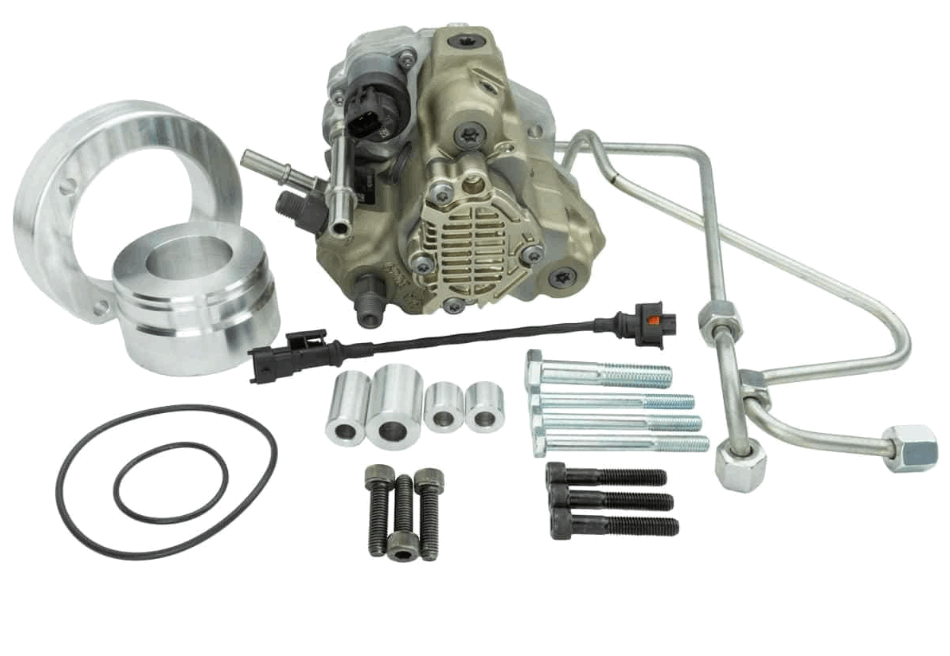
What Is a CP4 to CP3 Conversion for Ford Diesel Engines?
A CP4 to CP3 conversion for Ford diesel engines is a fuel system modification that replaces the original Bosch CP4 high pressure fuel pump with a Bosch CP3 high pressure fuel pump. The conversion changes the main fuel delivery component while keeping the diesel engine’s common rail injection system working with the upgraded pump setup.
The high pressure fuel pump creates the fuel pressure that diesel injectors need for proper combustion. In modern Ford diesel engines, the pump sends pressurized fuel through the fuel rail and into the injectors. The injectors then deliver precise fuel amounts into the combustion chamber. Because the pump controls this process, its durability directly affects the reliability of the entire fuel system.
Ford diesel owners usually choose this conversion as a reliability upgrade rather than a performance modification. The CP4 pump can experience internal wear under certain operating conditions. When the pump fails, it can release metal particles into the fuel system. These particles can travel through the fuel rail and reach other components, which may increase repair costs.
The CP3 pump uses a different internal design that many diesel owners consider more suitable for long term reliability. A CP4 to CP3 conversion replaces a vulnerable fuel system component with a pump design that has a strong reputation in diesel applications. The upgrade helps owners reduce fuel system risks and protect important engine components.
Why Do Ford Diesel Owners Consider a CP4 to CP3 Conversion?
Ford diesel owners consider a CP4 to CP3 conversion because they want to reduce the risk of fuel system damage caused by CP4 pump failure. The main concern comes from the way a failing CP4 pump can affect other fuel system components. A pump failure does not always remain isolated to the pump itself.
The CP4 high pressure fuel pump depends on diesel fuel for lubrication and cooling. When the pump experiences excessive wear, internal components can create metal particles. These particles can move through the fuel system and reach fuel rails, injectors, and other precision components. Modern diesel injection systems require extremely accurate fuel delivery, so contamination can create serious operating problems.
A damaged fuel system can require expensive repairs because technicians may need to replace multiple components instead of only the failed pump. Fuel injectors, fuel lines, fuel rails, and related parts may need inspection or replacement after contamination occurs. This repair process can cost significantly more than a preventive conversion.
Many Ford Power Stroke owners choose CP4 to CP3 conversion as a preventive maintenance strategy. The upgrade helps address a known concern before failure happens. Owners who plan to keep their diesel trucks for many years often view the conversion as a way to improve reliability and reduce potential repair risks.
The decision depends on several factors, including engine model, vehicle usage, mileage, and ownership plans. A high mileage Ford diesel used for towing or heavy workloads may have different reliability priorities compared with a lightly used vehicle.
What Is the Difference Between CP4 and CP3 Fuel Pumps?
The main difference between CP4 and CP3 fuel pumps comes from their internal design, lubrication system, and long term durability characteristics. Both pumps create high fuel pressure for diesel engines, but they use different mechanical structures to deliver fuel through the common rail injection system.
The Bosch CP4 fuel pump uses a compact design that works efficiently in modern diesel applications. It creates high pressure by using internal pumping elements that compress diesel fuel before sending it to the fuel rail. However, the CP4 design has a lower tolerance for lubrication problems because diesel fuel quality directly affects pump operation.
The Bosch CP3 fuel pump uses a different pumping mechanism with a design that many diesel specialists consider more durable. The CP3 pump has a stronger reputation in heavy duty diesel applications because it handles demanding operating conditions effectively. Many diesel platforms used CP3 pumps before manufacturers adopted CP4 systems for efficiency and emissions goals.
The reliability difference between CP4 and CP3 does not mean every CP4 pump will fail. Pump lifespan depends on several factors, including fuel quality, maintenance habits, operating conditions, and vehicle usage. However, Ford diesel owners often choose CP4 to CP3 conversion because the CP3 design provides an additional reliability advantage for long term ownership.
For Ford diesel applications, the conversion focuses on improving fuel system durability. The upgrade replaces the original pump design with a system that many owners trust for better resistance against fuel related failures.
What Are the Benefits of CP4 to CP3 Conversion?
A CP4 to CP3 conversion for Ford diesel engines provides several reliability benefits for owners who want to protect their fuel systems. The main advantage comes from replacing the CP4 high pressure fuel pump with the CP3 pump, which has a different design that many diesel owners consider more durable for long term operation.
The first benefit is reduced risk of widespread fuel system contamination. When a CP4 pump fails internally, metal particles can spread through the diesel fuel system. A CP3 conversion helps owners avoid the original CP4 failure point by using a different pump design. This approach can reduce the possibility of damage to fuel injectors, fuel rails, and other precision components.
The second benefit is improved long term reliability. Many Ford diesel owners keep their trucks for high mileage use, towing, commercial work, or demanding driving conditions. A stronger fuel pump design can provide additional confidence because the fuel system plays a critical role in engine operation.
The third benefit is better protection of expensive fuel system components. Diesel injectors and common rail components require precise fuel delivery. Fuel contamination can affect their performance and create costly repair requirements. A CP4 to CP3 conversion acts as a preventive upgrade that helps owners manage future maintenance risks.
The conversion does not automatically increase horsepower or fuel economy. Its primary purpose is fuel system reliability. For Ford diesel owners who prioritize long term ownership, reduced repair risk, and dependable operation, CP4 to CP3 conversion can become a valuable upgrade.
How Does a CP4 to CP3 Conversion Kit Work?
A CP4 to CP3 conversion kit allows a Ford diesel engine to use a Bosch CP3 high pressure fuel pump instead of the original CP4 pump. The kit provides the necessary components to connect the replacement pump with the existing diesel fuel system. Each kit design depends on the specific Ford engine platform and fuel system configuration.
The conversion process usually involves removing the factory CP4 pump and installing the CP3 pump with compatible mounting and connection components. The kit may include parts such as pump adapters, mounting brackets, fuel line connections, and other hardware required for proper installation. These components help the CP3 pump work with the engine’s existing common rail injection system.
The conversion does not replace the entire diesel fuel system. It focuses on changing the high pressure fuel pump, which plays a central role in fuel delivery. The fuel rail, injectors, and electronic control systems must work correctly with the new pump configuration to maintain proper engine operation.
Professional installation helps ensure the conversion works correctly. Technicians need to verify pump compatibility, fuel connections, and system performance after installation. Proper testing helps identify fuel pressure issues and confirms that the engine receives the correct fuel delivery.
Ford diesel owners should select a conversion kit based on their specific engine model and year. A kit designed for one Power Stroke engine may not fit another application. Checking compatibility before purchase prevents installation problems and ensures the upgrade delivers the expected reliability benefits.
How Much Does a CP4 to CP3 Conversion Cost?
The cost of a CP4 to CP3 conversion for Ford diesel engines depends on several factors, including the conversion kit, engine model, installation labor, and the condition of the existing fuel system. The total investment can vary because different Ford diesel platforms require different components and installation processes.
The conversion kit represents the largest part of the cost. A basic kit usually includes the CP3 fuel pump and the hardware needed to install it. More complete kits may include additional components that support easier installation, better compatibility, or improved fuel system protection. The specific Ford Power Stroke engine determines which kit components are required.
Installation labor also affects the final price. A professional technician must remove the existing CP4 pump, install the CP3 system, check fuel connections, and verify proper operation. The installation process requires knowledge of diesel fuel systems because incorrect installation can create fuel pressure problems or reduce system reliability.
Many Ford diesel owners compare conversion costs with the potential expense of CP4 failure. A failed pump can spread metal contamination through the fuel system and damage components such as injectors, fuel rails, and fuel lines. Repair costs after contamination can become significantly higher because multiple components may require replacement.
For owners who plan to keep their Ford diesel truck for many years, the conversion often represents a preventive maintenance decision. The value comes from reducing future fuel system risks rather than gaining immediate performance improvements. Before choosing a conversion, owners should evaluate vehicle mileage, driving conditions, engine type, and long term ownership plans.
Which Ford Diesel Engines Can Use a CP4 to CP3 Conversion?
A CP4 to CP3 conversion does not fit every Ford diesel engine automatically. Compatibility depends on the engine platform, model year, fuel system design, and the available conversion kit. Ford diesel engines use different configurations, so owners need to confirm the correct application before installing a replacement fuel pump system.
The most common applications involve Ford Power Stroke diesel engines that use Bosch CP4 high pressure fuel pumps. These engines include specific generations of Ford diesel platforms where owners have identified fuel system reliability concerns. However, each engine version requires a conversion solution designed for its exact mechanical and electronic requirements.
Engine compatibility depends on several technical factors. The first factor is the high pressure fuel pump mounting design. The CP3 pump must physically connect to the engine and align correctly with the existing fuel system. The second factor is fuel delivery compatibility because the pump must provide the correct pressure and flow characteristics for the injectors and common rail system.
The third factor is electronic integration. Modern Ford diesel engines use engine control modules to manage fuel pressure, injection timing, and engine performance. A successful conversion must maintain proper communication between the fuel system and the vehicle’s control system.
Ford diesel owners should verify compatibility before purchasing a CP4 to CP3 conversion kit. Checking the engine size, model year, VIN information, and kit specifications helps prevent installation issues. Choosing the correct conversion system ensures that the upgrade improves fuel system reliability without creating unnecessary mechanical or operational problems.
Should You Install a CP4 to CP3 Conversion Before CP4 Failure?
A CP4 to CP3 conversion before failure can help Ford diesel owners reduce the risk of major fuel system repairs. The decision depends on the vehicle’s condition, expected ownership period, driving habits, and the owner’s reliability goals.
Owners who plan to keep their Ford diesel truck for many years often consider preventive conversion because fuel system repairs after CP4 failure can become expensive. A failed pump can spread metal contamination throughout the fuel system and affect components such as injectors, fuel rails, and fuel lines. Installing a CP3 conversion before failure helps address the risk before contamination occurs.
High mileage trucks and vehicles used for heavy workloads often receive more attention from owners considering this upgrade. Towing, commercial operation, and frequent long distance driving place additional demands on diesel fuel systems. In these situations, improving fuel pump reliability can support long term vehicle ownership.
However, a CP4 to CP3 conversion is not necessary for every Ford diesel owner. Owners should consider factors such as current vehicle mileage, maintenance history, warranty coverage, and budget. A newer vehicle with manufacturer protection may require a different approach compared with an older truck used for demanding applications.
The best time to evaluate a CP4 to CP3 conversion is before fuel system problems appear. Once a CP4 pump fails, repair costs can increase because contamination may require additional component replacement. Preventive planning allows owners to make an upgrade decision based on reliability goals rather than emergency repairs.
Is CP4 to CP3 Conversion Worth It for Ford Diesel Owners?
A CP4 to CP3 conversion for Ford diesel engines is a reliability upgrade that focuses on protecting the fuel system rather than increasing engine performance. The conversion replaces the Bosch CP4 high pressure fuel pump with a Bosch CP3 pump to reduce concerns related to potential pump failure and fuel contamination.
The main value of this upgrade comes from prevention. A CP4 failure can affect multiple fuel system components because metal particles may spread through the common rail injection system. These repairs can become expensive when fuel injectors, fuel rails, and other precision components require replacement. A CP3 conversion helps owners address this risk before a failure occurs.
The decision depends on each vehicle’s situation. Ford diesel owners should consider engine type, mileage, driving conditions, maintenance history, and long term ownership plans. Trucks used for towing, heavy workloads, or extended ownership periods may benefit more from a reliability focused upgrade.
A CP4 to CP3 conversion does not provide a direct horsepower increase. Its purpose is to improve fuel system confidence and support dependable diesel operation. For owners who prioritize long term reliability, protecting expensive components, and reducing unexpected repair risks, this conversion can become a practical investment for their Ford diesel engine.