CP4 pump failure is a serious diesel fuel system problem that occurs when the Bosch CP4 high pressure fuel pump can no longer generate the precise fuel pressure required by modern common rail injection systems. The failure usually develops from internal wear, poor fuel lubrication, fuel contamination, or mechanical damage inside the pump. Because the CP4 pump operates under extremely high pressure, a small internal failure can create metal debris that spreads through the fuel system and damages other components such as fuel injectors and the fuel rail.
The Bosch CP4 high pressure fuel pump plays a critical role in delivering pressurized diesel fuel to the engine combustion system. When the pump fails, drivers may experience symptoms such as hard starting, reduced engine power, low fuel pressure, engine stalling, or warning lights from the engine control module. Identifying these symptoms early helps prevent a complete fuel system failure and reduces repair costs.
This guide explains the main causes of CP4 pump failure, the warning signs that indicate a damaged pump, the correct diagnostic process, available repair solutions, and preventive maintenance methods. Understanding how CP4 pump failure develops allows diesel owners and technicians to make better decisions before expensive fuel system damage occurs.
What Is CP4 Pump Failure and Why Is It a Serious Diesel Fuel System Problem?
CP4 pump failure is the loss of performance or complete malfunction of the Bosch CP4 high pressure fuel pump used in modern common rail diesel injection systems. The CP4 pump is responsible for increasing diesel fuel pressure before delivering it to the fuel rail and injectors. Modern diesel engines depend on this high pressure supply to achieve accurate fuel injection timing, efficient combustion, and lower emissions. When the pump cannot maintain the required pressure, the engine control system cannot deliver fuel correctly, which affects overall engine performance.
The Bosch CP4 high pressure fuel pump operates with extremely precise internal components that include a cam mechanism, roller tappet, and pumping elements. These components create the pressure needed for common rail fuel injection systems that operate at very high pressures compared with older diesel designs. Because the internal clearances are extremely small, the pump requires clean diesel fuel with sufficient lubrication to prevent excessive friction and wear.
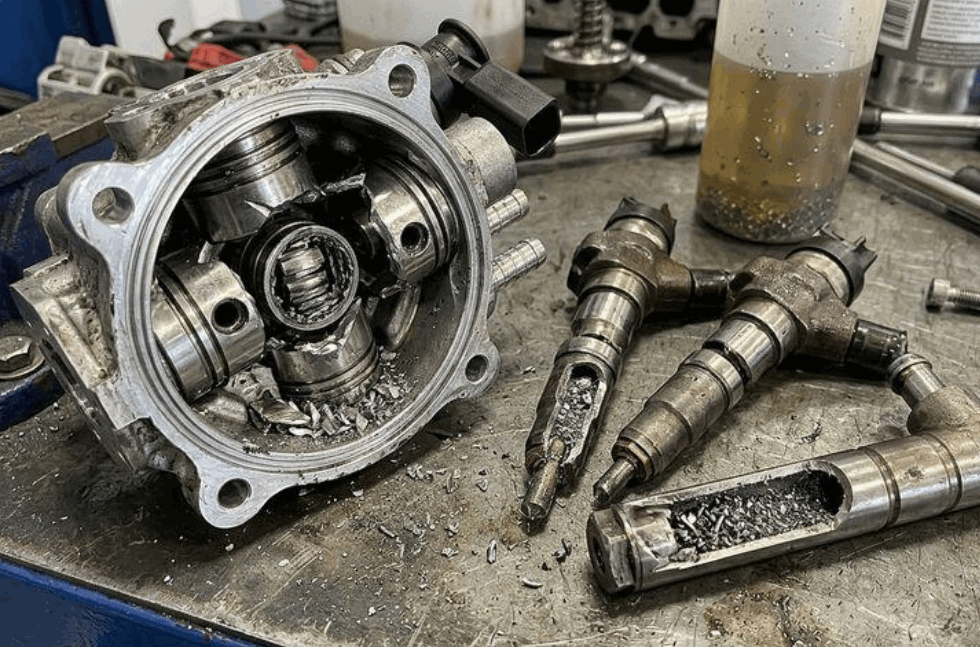
The main reason CP4 pump failure becomes a serious problem is that internal damage can release metal particles into the entire diesel fuel system. Unlike a simple component failure, a damaged CP4 pump can contaminate the fuel rail, injectors, fuel lines, and other high pressure components. Once metal debris circulates through the system, replacing only the failed pump may not solve the problem because other fuel system parts may also require inspection, cleaning, or replacement.
CP4 pump failure affects both vehicle reliability and repair costs because the damage can extend beyond the original pump. Early diagnosis is important because detecting fuel pressure problems or contamination before complete failure can reduce the risk of widespread diesel injection system damage. Understanding the role of the CP4 pump helps vehicle owners recognize why proper fuel quality, regular maintenance, and accurate diagnosis are essential for modern diesel engines.
What Causes CP4 Pump Failure?
CP4 pump failure is mainly caused by three factors: fuel contamination, poor lubrication, and internal component wear. The Bosch CP4 high pressure fuel pump depends on clean diesel fuel to work correctly. Diesel fuel provides both pressure transfer and lubrication inside the pump. When fuel quality decreases, internal damage can develop quickly.
Fuel contamination is one of the primary causes of CP4 pump failure. Contaminated diesel fuel can contain water, dirt, or other particles. These contaminants damage the precision surfaces inside the pump. Water is especially harmful because it does not provide the lubrication needed for high pressure components.
The CP4 pump contains parts that operate with extremely small clearances. Clean fuel helps these parts move smoothly. Contaminated fuel increases friction between components. This friction creates wear and reduces pump performance over time.
Poor fuel lubrication can also cause CP4 pump failure because the pump relies on diesel fuel to reduce internal friction. Modern diesel engines use high pressure fuel systems to improve efficiency and emissions. However, these systems require accurate lubrication conditions.
When lubrication decreases, internal components experience more stress. The roller tappet and cam mechanism can develop excessive wear. This damage reduces the pump’s ability to create stable fuel pressure.
Internal component wear is another major cause of CP4 pump failure. Damaged parts inside the pump can produce metal debris. These particles can move through the entire common rail fuel system.
Metal contamination creates a larger problem because it can damage fuel injectors, fuel rails, and other high pressure components. A failed CP4 pump may therefore require more than a simple pump replacement.
Preventing CP4 pump failure requires proper fuel system maintenance. Using clean diesel fuel, replacing fuel filters on schedule, and checking fuel quality can reduce the risk of internal pump damage.
What Are the Common Symptoms of CP4 Pump Failure?
CP4 pump failure creates several warning signs that affect engine performance, fuel pressure, and overall vehicle operation. The most common symptoms include low fuel rail pressure, difficult engine starting, reduced power, engine hesitation, stalling, and fuel system warning codes. These symptoms appear because the damaged CP4 pump cannot deliver the correct amount of fuel at the pressure required by the common rail diesel system.
Low fuel pressure is one of the earliest symptoms of CP4 pump failure. The high pressure fuel pump must maintain stable pressure inside the fuel rail for proper injector operation. When internal pump components wear, the pump loses efficiency and cannot create enough pressure. The engine control module detects this pressure problem and may activate warning signals or reduce engine performance.
Hard starting or engine stalling can occur when the CP4 pump cannot supply enough fuel to the injectors. Diesel engines require precise fuel delivery during startup and operation. A weak CP4 pump may cause delayed ignition because the fuel rail does not reach the required pressure. In severe cases, the engine may stop running because the fuel injection system cannot maintain combustion.
Reduced engine power is another common sign of CP4 pump problems. The engine needs consistent fuel pressure to produce stable combustion. When pressure drops, the engine may enter a protective mode to prevent further damage. Drivers may notice slower acceleration, poor throttle response, or reduced towing performance.
Metal debris inside the fuel system is a critical warning sign of CP4 pump failure. Internal pump wear can create small metal particles that spread through the diesel fuel system. These particles can damage fuel injectors, fuel lines, and other high pressure components. Finding metal contamination often indicates that the entire fuel system requires inspection.
Early diagnosis of these symptoms helps prevent extensive repairs. A CP4 pump problem detected at an early stage is easier to manage than a complete fuel system failure caused by widespread contamination.
How Do You Diagnose CP4 Pump Failure?
Diagnosing CP4 pump failure requires a complete inspection of the diesel fuel system, not only the fuel pump itself. A failed CP4 pump can create symptoms that look similar to other fuel system problems. Technicians need to confirm fuel pressure issues, check for contamination, and inspect related components before replacing any parts.
The first step in CP4 pump diagnosis is checking diagnostic trouble codes from the engine control module. Modern diesel engines monitor fuel pressure through sensors connected to the common rail system. Fault codes related to low fuel pressure, injector performance, or fuel delivery problems can indicate a possible CP4 pump issue. However, error codes alone cannot confirm pump failure because other components can create similar signals.
Fuel pressure testing is another important step in identifying CP4 pump problems. The high pressure fuel pump must create and maintain the pressure required by the common rail injection system. A technician can compare actual fuel rail pressure with the manufacturer’s specifications. A large difference between required and measured pressure may indicate reduced pump performance.
Inspecting the fuel system for metal contamination is essential when CP4 pump failure is suspected. Internal pump damage can release metal particles into the diesel fuel system. Technicians usually inspect the fuel filter, fuel lines, and other components for signs of contamination. Finding metal debris often means the problem has extended beyond the pump.
A complete diagnosis also requires checking fuel injectors and related fuel system components. Metal particles from a damaged CP4 pump can affect injector operation and fuel delivery accuracy. Replacing only the pump without addressing contamination can lead to repeated failure.
Accurate CP4 pump diagnosis prevents unnecessary repairs and helps determine the correct solution. A complete inspection identifies whether the issue requires pump replacement, fuel system cleaning, or additional component repairs.
Can a Failed CP4 Pump Be Repaired or Does It Need Replacement?
A failed CP4 pump can sometimes be repaired, but complete replacement is often required when internal damage has occurred. The repair decision depends on the level of wear, the condition of the fuel system, and whether metal contamination has spread to other components. A simple pump rebuild may not be enough if the failure has affected the entire diesel injection system.
CP4 pump rebuilding is possible when the damage is limited to specific internal components. Specialized diesel repair facilities can inspect and replace worn parts inside the pump. These repairs usually focus on restoring internal movement, sealing, and pressure generation. However, rebuilding requires precise equipment because CP4 pumps operate with very small internal tolerances.
Complete CP4 pump replacement is usually necessary when the pump creates metal debris. Metal particles indicate that internal components have suffered severe wear or mechanical damage. These particles can travel through the fuel rail, injectors, and fuel lines. Replacing only the pump may cause another failure if contaminated components remain in the system.
The total repair cost depends on the amount of fuel system damage and the vehicle application. A basic pump replacement involves the cost of the new pump and labor. A contaminated fuel system may require additional repairs, including injector replacement, fuel system cleaning, and component inspection. The final cost increases when more parts are affected.
Some diesel owners consider a CP3 conversion as an alternative to replacing a failed CP4 pump. The CP3 high pressure fuel pump has a different internal design and is known for strong durability in many diesel applications. However, a conversion depends on vehicle compatibility, installation requirements, and manufacturer specifications.
Choosing the correct repair solution requires an accurate diagnosis first. Replacing the CP4 pump without understanding the original failure cause can result in repeated fuel system problems. A complete repair should address both the damaged component and the conditions that caused the failure.
How Can You Prevent CP4 Pump Failure?
CP4 pump failure can be reduced through proper fuel system maintenance, clean diesel fuel, and regular inspection. The Bosch CP4 high pressure fuel pump depends on fuel quality and lubrication to operate correctly. Preventive maintenance helps protect internal pump components and reduces the risk of expensive diesel fuel system repairs.
Using high quality diesel fuel is one of the most effective ways to protect a CP4 pump. Contaminated fuel can introduce water, dirt, and abrasive particles into the fuel system. These contaminants increase internal wear and reduce the pump’s ability to create stable fuel pressure. Choosing reliable fuel sources helps maintain cleaner fuel conditions.
Replacing the diesel fuel filter at the correct service interval helps prevent contamination from reaching the CP4 pump. The fuel filter removes particles and separates water before fuel enters the high pressure pump. A blocked or damaged filter can reduce fuel flow and increase stress on the pump. Regular filter replacement supports consistent fuel delivery.
Maintaining proper fuel lubrication is also important because the CP4 pump relies on diesel fuel to reduce friction between internal components. Modern diesel engines operate at higher injection pressures than older systems. These higher pressures create more stress on precision parts inside the pump. Clean fuel with adequate lubricity helps reduce wear on components such as the roller tappet and pumping elements.
Regular fuel system inspections can identify early signs of CP4 pump problems before major damage occurs. Checking fuel filters, monitoring engine performance, and investigating unusual fuel pressure changes can reveal developing issues. Early detection reduces the chance of metal contamination spreading through the fuel system.
Fuel additives may support fuel lubricity in some situations, but they cannot repair a damaged CP4 pump or replace proper maintenance. The best prevention strategy combines clean fuel, scheduled filter replacement, and timely diagnosis of fuel system problems.
Is CP4 Pump Failure More Common Than CP3 Pump Failure?
CP4 pump failure is generally considered more common than CP3 pump failure because the CP4 design operates with higher pressure demands and lower tolerance for fuel lubrication problems. Both pumps are high pressure fuel pumps used in diesel common rail systems, but their internal designs create different levels of durability under challenging fuel conditions.
The Bosch CP4 pump was developed to improve fuel injection efficiency and meet stricter diesel emission requirements. The pump produces high injection pressure with a compact design. This allows modern diesel engines to achieve better fuel economy and cleaner combustion. However, the design uses less internal fuel lubrication compared with older pump systems, which makes fuel quality more important.
The CP3 pump has a reputation for strong durability because of its internal design and lubrication characteristics. The CP3 pump uses a different pumping mechanism that provides greater resistance to certain fuel quality issues. Many diesel owners and technicians consider the CP3 design more tolerant in demanding operating conditions.
The main difference between CP4 and CP3 pumps is their response to fuel system stress. The CP4 pump can experience accelerated wear when contaminated fuel or poor lubrication conditions occur. The CP3 pump is generally more resistant to these conditions, but it can still fail if maintenance is neglected or fuel system problems are ignored.
Some diesel owners choose CP3 conversion kits after experiencing CP4 pump concerns. A CP3 conversion replaces the original CP4 pump with a CP3 unit that is compatible with specific diesel applications. The conversion may improve long term reliability, but it requires proper installation and vehicle compatibility checks.
CP4 and CP3 pumps both serve the same purpose of creating high pressure fuel delivery for diesel engines. The correct choice depends on the vehicle design, performance requirements, maintenance conditions, and repair goals. Understanding the differences between these fuel pumps helps diesel owners make better decisions about prevention and replacement options.
How Can You Reduce the Risk of CP4 Pump Failure?
Reducing the risk of CP4 pump failure requires maintaining fuel quality, monitoring fuel system performance, and identifying problems before major damage occurs. The Bosch CP4 high pressure fuel pump is a critical component in modern common rail diesel systems. Its performance depends on clean fuel, proper lubrication, and correct maintenance practices.
Fuel contamination and internal wear are the two main problems that lead to CP4 pump failure. Water, dirt, and poor fuel quality can increase friction inside the pump and damage precision components. Regular fuel filter replacement and using reliable diesel fuel sources help reduce these risks.
Early diagnosis is also important because CP4 pump failure can damage more than the pump itself. When internal components wear, metal debris can spread through the fuel system. Checking fuel pressure, inspecting fuel filters, and investigating performance changes can prevent larger repair problems.
A failed CP4 pump does not always mean the entire fuel system must be replaced, but the correct repair decision depends on the level of contamination and component damage. Understanding the failure process helps diesel owners choose between repair, replacement, or alternative solutions such as CP3 conversion when appropriate.
Proper maintenance does not guarantee that a CP4 pump will never fail, but it significantly reduces the conditions that cause failure. Clean fuel, regular inspections, and timely repairs are the most effective methods for protecting the diesel fuel injection system and avoiding expensive damage.