A Ford F-150 differential fluid change is an essential maintenance service that protects the gears inside the truck’s differential system. Differential fluid lubricates the ring gear, pinion gear, and internal bearings while reducing friction and controlling heat during operation. When the fluid becomes contaminated or loses its protective properties, the differential components experience increased wear that can affect drivetrain reliability.
The correct differential fluid change process depends on several factors, including the Ford F-150 model year, drivetrain configuration, axle type, and driving conditions. A 4×4 F-150 with frequent towing or off-road use requires different maintenance considerations compared with a truck used mainly for highway driving.
This guide explains everything Ford F-150 owners need to know about differential fluid replacement, including the correct fluid type, recommended change intervals, warning signs of degraded fluid, replacement procedures, fluid capacity, and service costs. Understanding these factors helps prevent differential damage and maintains the long-term performance of one of the most important components in the truck’s drivetrain system.
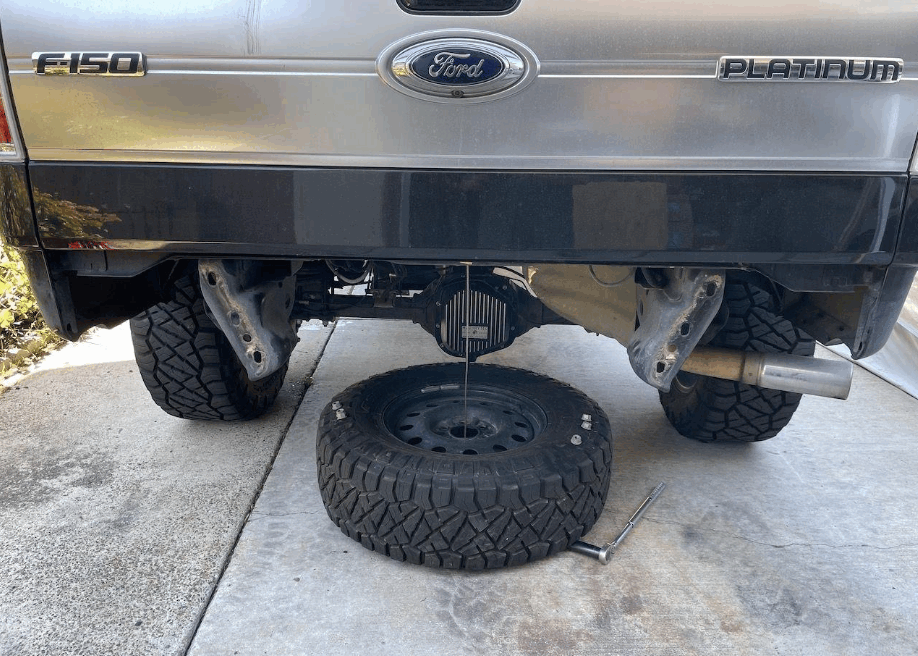
What Is a Differential Fluid Change on a Ford F-150?
A differential fluid change on a Ford F-150 is the process of removing old gear oil from the differential housing and replacing it with new fluid that meets the vehicle’s lubrication requirements. The differential is a mechanical component in the axle assembly that allows the wheels to rotate at different speeds while the truck turns. This function is especially important because the inside and outside wheels travel different distances during cornering.
The differential fluid protects several internal components, including the ring gear, pinion gear, bearings, and other moving parts inside the housing. These components operate under high pressure because they transfer engine torque from the driveshaft to the wheels. Without proper lubrication, metal surfaces create more friction, generate excessive heat, and experience accelerated wear.
Unlike engine oil, differential fluid does not lubricate combustion components or require frequent replacement during normal operation. Its primary purpose is protecting the gear surfaces inside the axle system. Over time, however, the fluid breaks down because of repeated heat cycles, heavy towing loads, water contamination, and metal particles produced by normal gear movement.
A Ford F-150 differential fluid change restores the protective properties of the lubricant and helps maintain drivetrain performance. The service applies to both rear and front differentials on four-wheel-drive models, although the fluid specification and capacity depend on the axle configuration and model year.
Understanding the role of differential fluid helps Ford F-150 owners recognize why this maintenance service matters. A properly lubricated differential reduces stress on drivetrain components and supports reliable operation during daily driving, towing, and demanding conditions.
Why Does a Ford F-150 Need Differential Fluid Replacement?
A Ford F-150 needs differential fluid replacement because the lubricant inside the differential gradually loses its ability to protect gears under pressure. Differential components operate with constant contact between metal surfaces, and the fluid creates a protective layer that reduces friction, controls heat, and prevents excessive wear.
There are four main reasons why differential fluid replacement is important for Ford F-150 maintenance. The first reason is gear protection. The ring gear and pinion gear transfer engine power to the wheels, creating significant mechanical pressure during acceleration, towing, and hauling. Fresh differential fluid helps these gears maintain smooth contact and reduces the risk of surface damage.
The second reason is temperature control. Differential fluid absorbs and transfers heat generated by gear movement. When the lubricant becomes old, contaminated, or chemically degraded, it loses thermal protection and allows operating temperatures to increase. Excessive heat can accelerate lubricant breakdown and damage internal components.
The third reason is contamination control. Normal differential operation creates microscopic metal particles from gear contact. High quality differential fluid contains additives that help protect surfaces, but these additives become less effective over time. Replacing the fluid removes accumulated contaminants and restores proper lubrication.
The fourth reason is maintaining reliability during demanding conditions. Ford F-150 owners who frequently tow trailers, carry heavy loads, or drive on rough terrain place additional stress on the differential system. These conditions increase heat and mechanical load, making proper fluid maintenance more important.
Regular differential fluid replacement supports the long term durability of the Ford F-150 drivetrain. It helps prevent expensive repairs caused by worn gears, damaged bearings, and differential failure while keeping the truck ready for everyday driving and heavy duty use.
What Differential Fluid Does a Ford F-150 Use?
A Ford F-150 uses differential fluid that matches the specifications of its axle design, drivetrain configuration, and model year. The correct lubricant is important because different differential systems operate under different mechanical requirements. Using the wrong fluid type can reduce lubrication performance, increase wear, and affect the operation of internal components.
Ford F-150 differential systems commonly use specialized gear oil designed to protect high pressure gear assemblies. The fluid viscosity, such as SAE 75W-85 or SAE 75W-90, determines how the lubricant performs under different temperature conditions. A thinner fluid can improve flow during cold operation, while a heavier fluid can provide additional protection under higher loads and temperatures.
The required differential fluid also depends on the type of axle system installed on the truck. A standard open differential, limited slip differential, and electronic locking differential may require different lubrication characteristics. Limited slip differentials often require additional friction control properties because the clutch packs inside the system need proper lubrication to operate smoothly.
Synthetic differential fluid is commonly selected for Ford F-150 applications because it provides improved resistance against heat, oxidation, and heavy operating conditions. This makes synthetic gear oil suitable for trucks used for towing, hauling, and off-road driving where the differential experiences higher stress.
Ford F-150 owners should always verify the correct fluid specification through the vehicle owner’s manual or official service information before performing a differential fluid change. The correct lubricant protects the differential components and ensures the drivetrain operates according to the manufacturer’s engineering requirements.
Choosing the right differential fluid is not only about filling the housing with gear oil. It is about matching the lubricant properties with the specific mechanical design and operating conditions of the Ford F-150.
How Often Should You Change Differential Fluid on a Ford F-150?
A Ford F-150 differential fluid change interval depends on the truck’s model specifications, driving conditions, and workload. Unlike engine oil, differential fluid does not require frequent replacement because it operates in a sealed gear housing. However, the lubricant gradually loses its protective ability as it absorbs heat, collects contaminants, and experiences repeated mechanical stress.
For normal driving conditions, many Ford F-150 owners follow the maintenance schedule recommended by Ford for their specific model year and axle configuration. The exact interval varies because different generations use different drivetrain systems and differential designs. Checking the owner’s manual provides the most accurate replacement recommendation for a specific truck.
Driving conditions have a major impact on differential fluid lifespan. There are three main situations that usually require more frequent fluid inspections: frequent towing, heavy hauling, and off-road driving. Towing increases the load placed on the ring gear and pinion gear, which creates additional heat inside the differential housing. Higher temperatures accelerate fluid degradation and reduce the lubricant’s ability to protect metal surfaces.
Off-road driving creates another challenge because water, mud, and debris can affect differential performance. If water enters through a vent or damaged seal, it can contaminate the gear oil and reduce lubrication quality. This is especially important for Ford F-150 models used in environments with deep water crossings or rough terrain.
A Ford F-150 used mainly for highway commuting generally experiences less differential stress than a truck used for commercial work or recreational activities. However, regular fluid inspections remain important because early detection of contaminated or degraded fluid helps prevent expensive drivetrain repairs.
Maintaining the correct differential fluid replacement schedule protects the axle assembly, improves long term reliability, and ensures the Ford F-150 continues to perform properly under different driving conditions.
What Are the Signs That a Ford F-150 Needs Differential Fluid Change?
A Ford F-150 needs a differential fluid change when the lubricant no longer provides sufficient protection for the internal gear components. Old or contaminated differential fluid affects lubrication quality and can increase friction between moving parts. Recognizing early warning signs helps prevent more serious drivetrain problems and reduces the risk of expensive differential repairs.
One of the most common signs is unusual noise from the axle area. A whining sound during acceleration or deceleration often indicates increased stress between the ring gear and pinion gear. When differential fluid loses its protective properties, the gears may experience more direct metal contact, creating noise that becomes more noticeable under load.
Another warning sign is a burning smell coming from the differential housing. Excessive heat can break down the lubricant and reduce its ability to control friction. This problem is more common in Ford F-150 trucks that regularly tow trailers, carry heavy payloads, or operate in demanding environments where the differential works harder than normal.
Fluid leakage is another indication that the differential system requires inspection. Oil spots under the rear axle area may suggest damaged seals, loose plugs, or problems with the differential housing. A leaking differential can gradually lose lubricant, which increases the risk of gear damage.
Drivers may also notice vibration or reduced drivetrain smoothness when differential components are not properly lubricated. Although vibration can come from several sources, including tires, driveshaft components, or suspension parts, differential problems should be considered when symptoms appear with unusual axle noises.
The condition of the drained fluid provides additional information during maintenance. Healthy differential fluid usually maintains a consistent appearance, while old fluid may appear dark, contain metal particles, or have a burnt odor. These signs indicate that the lubricant has reached the point where replacement is necessary.
Regular inspection allows Ford F-150 owners to identify differential fluid problems before they develop into major mechanical failures. Replacing degraded fluid at the appropriate time protects the axle assembly and maintains reliable truck performance.
How Do You Change Differential Fluid on a Ford F-150?
A Ford F-150 differential fluid change involves removing the old gear oil from the differential housing and replacing it with new lubricant that meets the required specification. The process requires careful preparation because the differential contains important drivetrain components that depend on correct fluid level and proper sealing.
Before starting the replacement process, the vehicle should be parked on a level surface and secured safely. The differential housing must remain stable during the service because incorrect vehicle positioning can affect fluid drainage and filling accuracy. The correct replacement fluid, tools, and sealing materials should be prepared before removing any plugs.
The first step is checking the fill plug before draining the old fluid. Removing the fill plug first confirms that it can be opened and prevents a situation where old fluid is removed but new fluid cannot be added. After confirming access, the drain plug or differential cover can be opened to remove the used lubricant.
During drainage, inspect the old differential fluid for signs of contamination. Dark fluid, a burnt smell, or visible metal particles may indicate excessive wear inside the axle assembly. This inspection provides useful information about the condition of the ring gear, pinion gear, and internal bearings.
After removing the old fluid, clean the drain area and replace any required gasket or sealing material. The differential housing must be properly sealed to prevent leaks after the service. New differential fluid is then added until it reaches the manufacturer’s recommended fill level.
A final inspection should confirm that there are no leaks around the fill plug, drain plug, or differential cover. After completing the service, a short test drive helps verify that the drivetrain operates smoothly without unusual sounds or vibration.
A proper Ford F-150 differential fluid change is more than simply replacing old oil. It is a maintenance procedure that protects internal gears, maintains lubrication performance, and supports long term drivetrain reliability.
How Much Does a Ford F-150 Differential Fluid Change Cost?
A Ford F-150 differential fluid change cost depends on several factors, including the service method, fluid type, and vehicle configuration. The average cost is different for a DIY service and a professional repair shop.
A DIY differential fluid change is usually less expensive because the owner only pays for materials. The main expenses include differential fluid, a replacement gasket or sealant, and basic tools. The total cost depends on the required fluid specification and the amount needed for the differential system.
Professional service costs more because the price includes labor, equipment, and inspection. A technician can check for leaks, damaged seals, and abnormal wear during the service. This inspection is valuable because differential problems can become expensive if they are ignored.
The type of differential also affects the total cost. A Ford F-150 with a limited slip differential or electronic locking differential may require specific fluid products. Some systems may also need additional additives to maintain proper operation.
Towing and off-road vehicles may require more frequent differential maintenance. Although this increases service expenses over time, regular fluid replacement helps prevent costly repairs. Damaged gears, worn bearings, or complete differential failure can require significantly higher repair costs.
The best way to estimate Ford F-150 differential fluid change cost is to consider the truck’s exact specifications. Model year, axle type, fluid requirement, and service location all influence the final price.
Maintaining the differential with the correct lubricant is a cost effective way to protect the drivetrain. A small maintenance expense can prevent major mechanical problems in the future.
Can You Drive a Ford F-150 With Old Differential Fluid?
You can drive a Ford F-150 with old differential fluid for some time, but degraded lubricant increases the risk of drivetrain damage. Differential fluid does not fail immediately after reaching its service limit. However, continued use allows wear to develop inside the axle assembly.
Old differential fluid loses some of its protective properties because of heat, friction, and contamination. The lubricant becomes less effective at separating metal surfaces. As a result, the ring gear and pinion gear experience more stress during operation.
The first effects usually appear as increased noise or reduced smoothness. Drivers may notice whining sounds from the rear axle area, especially during acceleration or when carrying heavy loads. These symptoms indicate that the differential components are operating under greater stress.
Ignoring old differential fluid can lead to more serious problems. Excessive wear may damage gears, bearings, and other internal components. A damaged differential can require expensive repairs or complete replacement of the axle assembly.
Ford F-150 trucks often experience higher drivetrain loads than passenger vehicles. Towing trailers, carrying heavy cargo, and driving on rough terrain increase differential stress. These conditions make fluid condition more important because the lubricant must manage higher temperatures and pressure.
Replacing old differential fluid does not guarantee that existing damage will disappear. However, timely maintenance reduces future wear and protects healthy components. Regular inspections help identify fluid problems before they become major mechanical failures.
A Ford F-150 owner should not wait until severe symptoms appear before checking differential fluid condition. Preventive maintenance keeps the drivetrain reliable and helps maintain the truck’s long term performance.
Should You Change Front and Rear Differential Fluid Together?
You should check both front and rear differential fluid systems when maintaining a Ford F-150, especially on four wheel drive models. Each differential works as part of the drivetrain system, but they experience different operating conditions and loads.
The rear differential usually handles more power transfer because it delivers torque directly to the rear wheels. It often experiences higher stress during towing, hauling, and acceleration. The front differential on four wheel drive models operates differently because it engages when additional traction is required.
Changing both fluids at the same service interval can simplify maintenance planning. It allows owners to track drivetrain service more easily and reduces the chance of forgetting one differential. However, the replacement schedule should still follow the vehicle’s specifications and driving conditions.
Ford F-150 trucks used for normal commuting may not require the same maintenance frequency as trucks used for heavy duty applications. A vehicle that frequently pulls trailers or drives through mud and water may need more frequent differential inspections.
The condition of each differential fluid should also be considered separately. One differential may show signs of contamination or wear before another. During inspection, technicians can evaluate fluid color, odor, and possible metal particles to determine the condition of each system.
Maintaining both front and rear differentials helps protect the complete drivetrain. Proper lubrication supports smooth power transfer, reduces component wear, and improves reliability in different driving environments.
For Ford F-150 owners with four wheel drive systems, checking both differentials provides a more complete approach to preventive maintenance. It ensures that every part of the axle system receives the protection it needs.
Ford F-150 Differential Fluid Change: Complete Guide Summary
A Ford F-150 differential fluid change is a key maintenance service that protects the truck’s axle system and drivetrain components. The differential relies on proper lubrication to reduce friction, control heat, and protect high pressure gears such as the ring gear and pinion gear.
The correct maintenance approach depends on several factors, including the F-150 model year, axle configuration, driving conditions, and fluid specification. A truck used for daily commuting may require a different maintenance schedule compared with a vehicle that regularly performs towing, hauling, or off-road driving.
Choosing the correct differential fluid is essential because different axle systems have different lubrication requirements. Using the recommended gear oil helps maintain proper gear operation and supports long term reliability.
Regular inspections also help identify problems before they become major repairs. Unusual noises, fluid leaks, burning smells, and contaminated lubricant are common signs that the differential system requires attention.
A proper Ford F-150 differential fluid change protects important drivetrain components and improves vehicle durability. By following the correct replacement interval and using the right lubricant, owners can maintain smoother operation and reduce the risk of expensive differential damage.
For Ford F-150 owners, differential maintenance is not only a repair task. It is a preventive service that supports reliable performance throughout the truck’s lifespan.