If your Toyota Tacoma has been experiencing hard starts, sluggish acceleration, engine hesitation, or reduced fuel efficiency, the fuel filter could be part of the problem. As one of the most important components in the fuel system, the fuel filter helps prevent dirt, rust, and other contaminants from reaching the fuel injectors and engine. When it becomes restricted or fails, vehicle performance can suffer significantly.
One of the most common questions Tacoma owners ask is: Where is the fuel filter located on a Toyota Tacoma? The answer depends largely on the model year. Toyota has changed the fuel system design several times throughout the Tacoma’s production history. While older models feature a serviceable external fuel filter that can be replaced independently, newer generations use an integrated fuel filter housed inside the fuel pump assembly within the fuel tank.
This difference often creates confusion for owners attempting maintenance or troubleshooting fuel-related issues. Understanding your Tacoma’s fuel filter location can save time, prevent unnecessary repairs, and help you make informed maintenance decisions.
In this complete guide, we’ll break down the Toyota Tacoma fuel filter location by model year, explain how the fuel system evolved over time, discuss common symptoms of a clogged fuel filter, and help you determine whether replacement is necessary for your specific Tacoma.
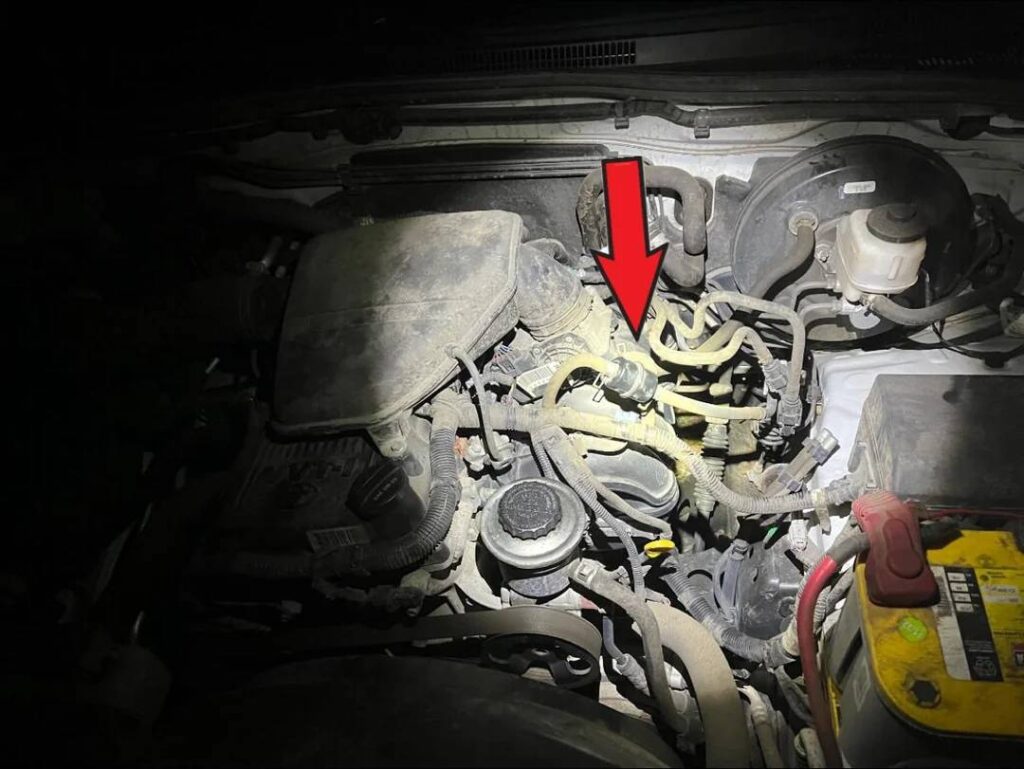
Understanding the Toyota Tacoma Fuel Filter System
Before identifying the fuel filter location on your Toyota Tacoma, it is important to understand the role this component plays within the vehicle’s fuel delivery system.
The fuel filter serves as a protective barrier between the fuel tank and the engine. Its primary purpose is to remove contaminants such as dirt, rust particles, debris, and sediment from the fuel before it reaches sensitive components like the fuel injectors. Even small contaminants can reduce fuel system efficiency, affect engine performance, and lead to costly repairs over time.
A clean fuel filter helps maintain consistent fuel pressure and ensures that the engine receives an adequate supply of clean fuel under all driving conditions. This contributes to smoother acceleration, better fuel economy, improved engine responsiveness, and reduced wear on fuel system components.
Over the years, Toyota has modified the Tacoma’s fuel system design to improve reliability and reduce maintenance requirements. Earlier Tacoma models used a separate external fuel filter that could be replaced during routine maintenance. However, beginning with later generations, Toyota integrated the fuel filter into the fuel pump assembly located inside the fuel tank.
This design change offers several advantages. The enclosed system provides better protection from environmental contaminants, reduces the number of external fuel line connections, and extends the service life of the filter. The tradeoff is that replacement becomes more complex and often requires removal of the fuel tank or replacement of the entire fuel pump module.
Understanding these design differences is essential because the location and serviceability of the fuel filter vary significantly depending on your Tacoma’s model year.
Toyota Tacoma Fuel Filter Location for First Generation Models (1995 to 2004)
If you own a first generation Toyota Tacoma, locating the fuel filter is relatively straightforward compared to newer models.
Most Tacoma models produced between 1995 and 2004 feature an external fuel filter mounted along the vehicle’s frame rail or within the engine compartment. The exact location can vary depending on the engine configuration and production year, but it is typically easy to access during routine maintenance.
On many four cylinder and V6 models, the fuel filter can be found on the driver side frame rail beneath the vehicle. In some configurations, it may be mounted inside the engine bay near the firewall or along the fuel line route leading to the engine.
Because the fuel filter is a standalone component, replacement is generally simple and affordable. Many owners choose to replace it themselves using basic hand tools. This serviceability makes first generation Tacomas particularly attractive for DIY maintenance enthusiasts.
Common signs that the fuel filter may need replacement include difficulty starting the engine, hesitation during acceleration, loss of power when climbing hills, rough idling, and poor fuel economy. Since the filter is externally mounted, visual inspection is often possible when diagnosing fuel delivery issues.
For owners of older Tacoma models, checking the fuel filter should be one of the first steps when investigating performance problems related to fuel supply.
Toyota Tacoma Fuel Filter Location for Second Generation Models (2005 to 2015)
The second generation Toyota Tacoma introduced a major redesign of the fuel system that changed the location and serviceability of the fuel filter.
Unlike earlier models, Tacoma trucks produced from 2005 through 2015 do not use a separate external fuel filter. Instead, Toyota integrated the fuel filter directly into the fuel pump assembly located inside the fuel tank.
This means owners searching underneath the truck or inside the engine compartment for a conventional fuel filter will not find one. The filter is housed within the fuel tank as part of a larger module that includes the fuel pump, fuel pressure regulator, and fuel level sensor.
The integrated design was intended to reduce routine maintenance requirements and improve long term reliability. Under normal operating conditions, the fuel filter is expected to last for many years without replacement. Toyota does not specify a regular replacement interval for these integrated filters.
However, if fuel contamination occurs or if symptoms such as hard starting, power loss, engine misfires, or inconsistent fuel pressure develop, the fuel filter may need inspection. In many cases, replacement involves servicing the entire fuel pump assembly rather than replacing the filter alone.
Because accessing the module requires removal of the fuel tank or access through a service opening, repairs are more labor intensive than on first generation models. As a result, many owners choose professional service when fuel system issues arise.
Understanding this integrated design can prevent confusion and help owners avoid wasting time searching for a fuel filter that is no longer mounted externally on second generation Tacoma trucks.
Toyota Tacoma Fuel Filter Location for Third Generation Models (2016 to 2023)
Toyota continued using the integrated fuel system design throughout the third generation Tacoma lineup produced between 2016 and 2023. As a result, the fuel filter remains part of the fuel pump assembly located inside the fuel tank.
Many owners are surprised to learn that there is no traditional serviceable fuel filter mounted under the vehicle or inside the engine compartment. This design differs significantly from older trucks and often leads to confusion when researching maintenance procedures online.
The integrated fuel filter is designed to provide long service life and typically does not require routine replacement. Under normal driving conditions, the filter can last well beyond 100,000 miles without causing performance issues. Toyota’s engineering focus during this generation was to reduce maintenance requirements while improving overall fuel system reliability.
Although the fuel filter is not intended for frequent servicing, contamination from poor quality fuel, debris entering the fuel tank, or excessive mileage can eventually affect fuel flow. When this occurs, drivers may notice symptoms such as reduced acceleration, rough idling, hesitation during throttle application, or difficulty starting the engine.
Accessing the fuel filter requires reaching the fuel pump module inside the tank. Depending on the repair procedure, technicians may need to lower the fuel tank to remove the assembly. Because of the complexity involved, replacement is typically performed by professional mechanics rather than vehicle owners.
For third generation Tacoma owners, understanding that the fuel filter is integrated into the fuel pump module can save significant time during troubleshooting and help identify the correct repair approach when fuel delivery issues occur.
Toyota Tacoma Fuel Filter Location for Fourth Generation Models (2024 to Present)
The fourth generation Toyota Tacoma continues the trend of using an advanced fuel delivery system with an integrated fuel filter located inside the fuel tank. While the latest Tacoma introduces numerous technological improvements across the powertrain and electronics systems, the fuel filter remains part of the fuel pump assembly rather than a separate serviceable component.
This modern design offers several benefits. By placing the filter within the fuel tank, Toyota reduces exposure to environmental contaminants and minimizes the number of external fuel line connections. The result is a cleaner and more efficient fuel delivery system that requires less routine maintenance throughout the vehicle’s lifespan.
Owners of 2024 and newer Tacoma models should understand that there is no external fuel filter available for routine replacement. In most cases, the filter is expected to last for many years without service. Unless fuel contamination or fuel system failure occurs, replacement is rarely necessary.
Advanced fuel system monitoring technologies used in newer Tacoma models can also help detect fuel delivery abnormalities earlier than previous generations. Warning lights, diagnostic trouble codes, or noticeable changes in vehicle performance may indicate issues that require inspection of the fuel pump module and integrated filter.
Because modern fuel systems operate with precise pressure and flow requirements, proper diagnosis is essential before replacing any components. Professional diagnostic equipment is often necessary to determine whether the fuel filter, fuel pump, or another fuel system component is responsible for the problem.
For most fourth generation Tacoma owners, fuel filter maintenance is no longer a routine service item but rather a component that is addressed only when specific symptoms or system faults arise.
Symptoms of a Clogged Toyota Tacoma Fuel Filter
Regardless of where the fuel filter is located, recognizing the symptoms of a restricted filter can help prevent more serious fuel system problems. As contaminants accumulate over time, fuel flow to the engine may become limited, resulting in a variety of performance issues.
One of the most common symptoms is hard starting. A partially clogged filter can reduce fuel pressure, making it more difficult for the engine to start, particularly after the vehicle has been sitting for an extended period.
Drivers may also experience noticeable power loss during acceleration. When the engine demands additional fuel under heavy load, a restricted filter may be unable to provide sufficient fuel volume. This can result in sluggish performance, delayed throttle response, or reduced towing capability.
Engine hesitation is another frequent warning sign. The vehicle may stumble or feel unresponsive when accelerating from a stop or merging onto highways. In severe cases, the engine may misfire due to inconsistent fuel delivery.
Poor fuel economy can also indicate fuel system restrictions. When fuel flow becomes irregular, the engine management system may compensate by adjusting fuel delivery parameters, potentially increasing fuel consumption.
Rough idling is another symptom that should not be ignored. An inadequate fuel supply can cause unstable combustion, leading to vibration, fluctuating engine speed, or uneven operation while the vehicle is stationary.
In more advanced cases, the Check Engine Light may illuminate. Modern Tacoma models use sensors to monitor fuel system performance, and abnormal readings can trigger diagnostic trouble codes related to fuel pressure or fuel delivery.
While these symptoms do not always indicate a clogged fuel filter, they should prompt a thorough inspection of the fuel system to identify the root cause before more expensive repairs become necessary.
How to Determine Your Toyota Tacoma Fuel Filter Location
If you are unsure where the fuel filter is located on your specific Toyota Tacoma, the easiest approach is to identify the vehicle’s model year first. The model year is the most important factor because Toyota significantly changed the fuel system design between generations.
Owners of Tacoma models built from 1995 through 2004 should expect to find a serviceable fuel filter mounted externally along the frame rail or inside the engine compartment. These filters are relatively easy to inspect and replace.
Owners of Tacoma models manufactured from 2005 onward will generally find that the fuel filter is integrated into the fuel pump assembly inside the fuel tank. In these vehicles, there is no separate external filter available for routine replacement.
The vehicle owner’s manual can provide additional guidance regarding fuel system maintenance and recommended service procedures. Factory service manuals are even more valuable because they include detailed diagrams showing component locations and removal instructions.
If fuel system issues are suspected, it is also a good idea to inspect related components such as fuel lines, fuel injectors, fuel pressure regulators, and the fuel pump itself. Many symptoms commonly blamed on a fuel filter may actually originate from another part of the fuel delivery system.
Understanding the correct fuel filter location before beginning repairs can save time, reduce frustration, and prevent unnecessary replacement of functioning components.
Toyota Tacoma Fuel Filter Replacement Cost
The cost of replacing a Toyota Tacoma fuel filter varies significantly depending on the vehicle generation and fuel system design.
For first generation Tacoma models, replacement is generally affordable because the fuel filter is a separate component. The filter itself is relatively inexpensive, and labor costs remain low due to easy accessibility. In many cases, experienced owners can perform the replacement themselves with basic tools.
For second, third, and fourth generation Tacoma models, costs can be considerably higher because the fuel filter is integrated into the fuel pump assembly. Depending on the specific model, replacement may involve removing the fuel tank and installing a new fuel pump module.
Parts costs can vary widely depending on whether original equipment manufacturer components or aftermarket alternatives are used. Labor expenses may also differ based on local shop rates and the complexity of the repair.
Before authorizing a replacement, vehicle owners should ensure that a proper diagnosis has been performed. Fuel system symptoms can sometimes be caused by faulty fuel pumps, clogged injectors, damaged sensors, or electrical issues rather than the fuel filter itself.
Accurate diagnosis helps avoid unnecessary expenses and ensures that the correct component is repaired or replaced.
Frequently Asked Questions
Does a 2017 Toyota Tacoma have a replaceable fuel filter?
No. The 2017 Toyota Tacoma uses an integrated fuel filter that is part of the fuel pump assembly inside the fuel tank. It is not designed as a separately serviceable component.
Where is the fuel filter located on a 2003 Toyota Tacoma?
Most 2003 Toyota Tacoma models have an external fuel filter mounted along the frame rail or within the engine compartment, depending on engine configuration and production specifications.
How often should a Toyota Tacoma fuel filter be replaced?
For first generation Tacoma models, replacement intervals may vary depending on driving conditions and maintenance schedules. For newer generations with integrated filters, replacement is generally performed only when fuel system problems occur or when the fuel pump assembly requires service.
Can I replace the fuel filter myself?
Many owners can replace the external fuel filter found on first generation Tacoma models using standard tools and basic mechanical knowledge. For newer models with integrated fuel filters, replacement is substantially more complex and is often best handled by qualified technicians.
What happens if a fuel filter becomes clogged?
A clogged fuel filter can restrict fuel flow to the engine, resulting in hard starting, poor acceleration, reduced fuel economy, engine hesitation, rough idling, and potential damage to other fuel system components if left unaddressed.
Conclusion
Understanding the Toyota Tacoma fuel filter location is essential for proper maintenance and accurate troubleshooting. While many owners expect to find a traditional fuel filter mounted under the vehicle or inside the engine compartment, the actual location depends entirely on the model year.
First generation Tacoma models produced between 1995 and 2004 use an external, serviceable fuel filter that is relatively easy to inspect and replace. Beginning with the 2005 model year, Toyota transitioned to an integrated design that places the fuel filter inside the fuel pump assembly within the fuel tank. This configuration continues through current Tacoma models.
Knowing which fuel system design your truck uses can save valuable time when diagnosing performance issues such as hard starting, loss of power, rough idling, or poor fuel economy. It can also help prevent unnecessary repairs and ensure that maintenance efforts are directed toward the correct components.
If your Tacoma is showing symptoms of fuel delivery problems, start by identifying your model year and understanding where the fuel filter is located. A proper diagnosis today can help avoid expensive repairs tomorrow and keep your Toyota Tacoma running reliably for years to come.