Toyota has long been recognized as one of the most reliable automotive manufacturers in the world. From fuel-efficient sedans to family-friendly SUVs, the brand has earned a reputation for durability, low maintenance costs, and long-term dependability. However, even Toyota is not immune to mechanical concerns. In recent years, a growing number of drivers have reported issues related to Toyota’s 8-speed automatic transmission, particularly in models such as the Camry, Highlander, Avalon, Sienna, and certain Lexus vehicles.
Owners have described a variety of symptoms, including rough shifting, hesitation during acceleration, gear hunting, delayed engagement, and unexpected downshifts. While some of these concerns may seem minor at first, they can affect driving comfort, vehicle performance, and overall confidence behind the wheel. In some cases, unresolved transmission problems may even lead to costly repairs.
The good news is that not every Toyota equipped with an 8-speed transmission experiences these issues, and many problems can be addressed through software updates, routine maintenance, or timely repairs. In this guide, we will explore the most common Toyota 8-speed transmission problems, examine their root causes, discuss potential repair costs, and provide practical solutions to help keep your vehicle operating smoothly for years to come.
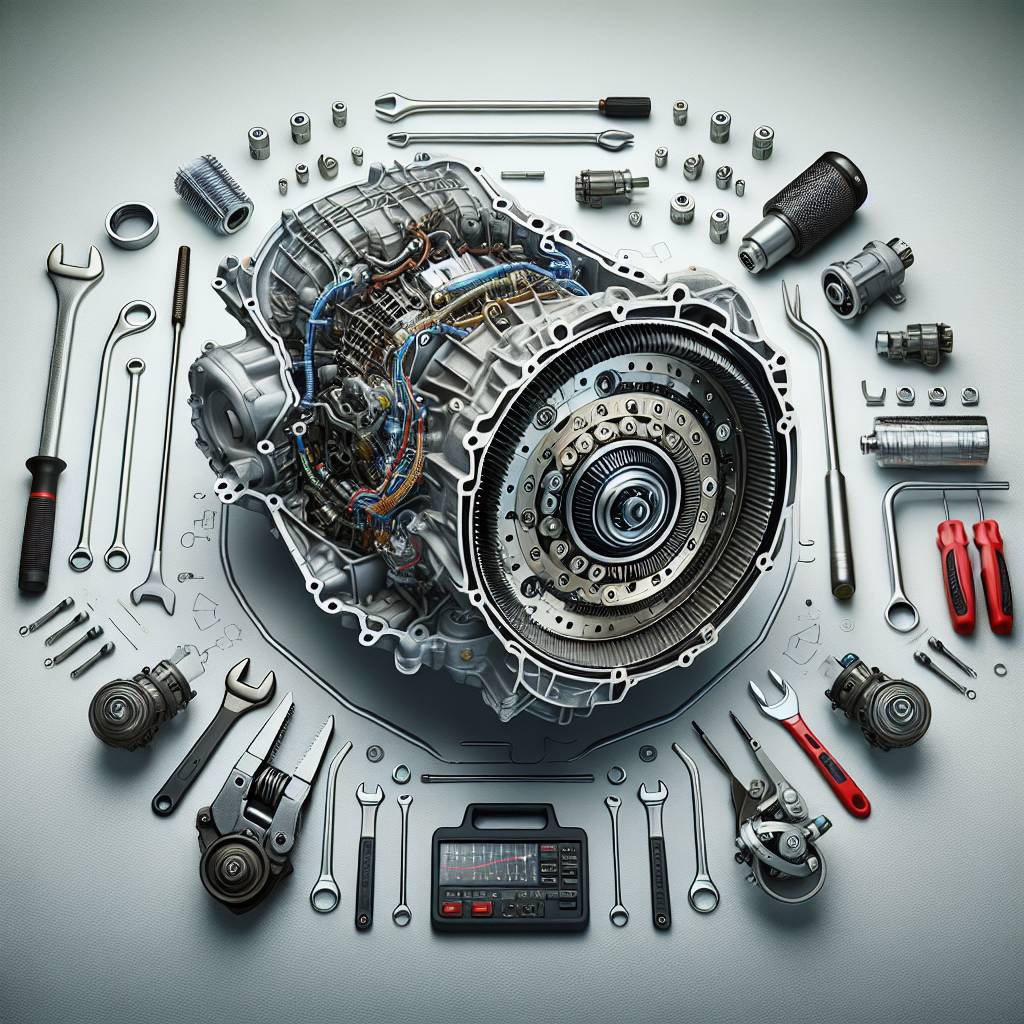
Understanding Toyota’s 8-Speed Automatic Transmission
Toyota introduced its 8-speed automatic transmission to improve both fuel efficiency and driving performance. Known in many applications as the Direct Shift 8AT, this transmission was engineered to provide smoother gear transitions, quicker acceleration, and lower engine speeds during highway driving. By offering eight forward gears instead of six, Toyota aimed to keep the engine operating within its optimal power range while reducing fuel consumption.
The transmission is found in a variety of Toyota and Lexus models, including the Toyota Camry, Highlander, Avalon, Sienna, and Lexus ES and RX. On paper, the design offers several advantages. Drivers can benefit from improved fuel economy, quieter cruising, and enhanced responsiveness under certain driving conditions.
Despite these benefits, some owners have reported that the transmission does not always behave as expected. Instead of delivering seamless gear changes, certain vehicles may exhibit hesitation, rough shifts, or inconsistent gear selection. In many cases, these complaints are related to transmission programming rather than a catastrophic mechanical defect. Understanding how the system operates is the first step toward diagnosing and resolving potential issues.
Harsh or Rough Shifting
One of the most frequently reported Toyota 8-speed transmission problems is harsh or rough shifting. Drivers often notice a sudden jolt or thump when the transmission changes gears, particularly at lower speeds or during stop-and-go traffic. The sensation can be unsettling because it feels as though the transmission is struggling to engage the next gear smoothly.
Harsh shifting may occur during upshifts, downshifts, or both. Some drivers report that the issue is most noticeable when accelerating from a stop, while others experience it during deceleration. In severe cases, passengers may feel a noticeable impact each time the transmission changes gears.
Several factors can contribute to rough shifting. Software calibration issues are among the most common causes. The transmission control system may command shifts that prioritize fuel economy over smoothness, resulting in abrupt gear changes. Worn transmission fluid, hydraulic pressure irregularities, and valve body issues can also contribute to the problem.
Ignoring rough shifting for extended periods can increase wear on internal transmission components. If the condition becomes more frequent or severe, a professional inspection is recommended to identify the root cause before additional damage occurs.
Delayed Acceleration and Hesitation
Another common complaint involves delayed acceleration, often described as hesitation when pressing the accelerator pedal. Drivers may notice a brief pause between pressing the throttle and the vehicle responding. This delay can be particularly frustrating when merging onto highways, crossing busy intersections, or attempting quick maneuvers in traffic.
Many owners describe the experience as if the vehicle is “thinking” before deciding which gear to select. During this hesitation period, engine speed may increase slightly while the transmission searches for the appropriate gear. Although the delay often lasts only a second or two, it can create uncertainty and reduce driver confidence.
In many Toyota 8-speed transmission applications, hesitation is linked to shift programming designed to maximize fuel efficiency. The transmission may attempt to remain in a higher gear for as long as possible, causing a noticeable delay when sudden acceleration is requested. Adaptive learning strategies can also influence how the transmission responds based on driving habits.
Fortunately, hesitation issues can often be improved through software updates released by Toyota. In other situations, maintenance procedures such as fluid replacement, transmission relearning, or component inspections may be necessary. Addressing the problem early can help restore smoother performance and prevent the issue from worsening over time.
Gear Hunting
Gear hunting is another commonly reported issue among drivers of Toyota vehicles equipped with the 8-speed automatic transmission. This condition occurs when the transmission repeatedly shifts between gears while attempting to determine the most appropriate gear ratio for current driving conditions. Instead of maintaining a steady gear, the transmission continuously moves up and down through the gear range, creating an inconsistent driving experience.
Drivers often notice gear hunting when traveling on rolling hills, maintaining moderate highway speeds, or driving in congested urban traffic. The engine RPM may fluctuate unexpectedly, and the vehicle can feel indecisive during acceleration. In some cases, drivers report a sensation that the vehicle cannot settle into a comfortable gear.
One of the primary reasons for gear hunting is the transmission’s effort to balance fuel efficiency and performance. Modern transmission software constantly evaluates speed, throttle input, road conditions, and engine load. When these variables change rapidly, the system may repeatedly adjust gear selection in an attempt to optimize efficiency.
Although occasional gear changes are normal, excessive gear hunting can reduce driving comfort and contribute to premature wear of certain transmission components. Software updates issued by Toyota have improved gear selection logic in some models, helping to reduce the frequency of this complaint. If gear hunting persists, a technician should inspect the transmission for software calibration issues, fluid condition concerns, or internal mechanical problems.
Jerking During Low-Speed Driving
Many owners report jerking or lurching sensations while driving at low speeds. This issue is particularly noticeable in parking lots, residential neighborhoods, heavy traffic, or situations where frequent stopping and starting occurs. Instead of moving smoothly, the vehicle may suddenly surge forward or feel as though it is struggling to maintain a consistent pace.
Low-speed jerking can make everyday driving uncomfortable and may leave drivers wondering whether a serious transmission problem is developing. The sensation is often most noticeable when transitioning between first and second gear or when reapplying the accelerator after coasting.
Several factors may contribute to this behavior. In many cases, transmission software calibration plays a significant role. Modern automatic transmissions are designed to adapt to driving habits over time. As the system learns driver behavior, shift timing and throttle response may change. Occasionally, this adaptive learning process can produce less-than-ideal results, leading to jerky operation.
Dirty or degraded transmission fluid can also affect hydraulic pressure and shift quality. Additionally, worn components within the valve body or torque converter may contribute to inconsistent power delivery. Identifying the exact cause requires a thorough diagnostic evaluation.
Drivers who notice persistent jerking should not ignore the symptom. Early diagnosis often results in simpler and less expensive repairs compared to allowing the problem to continue unchecked.
Delayed Engagement
Delayed engagement refers to a situation in which the transmission does not immediately respond after the driver shifts into Drive or Reverse. Instead of moving promptly, the vehicle may pause for several seconds before engaging the selected gear. This delay can be alarming, especially when attempting to park, reverse, or enter traffic.
The problem may occur intermittently or become more noticeable as the vehicle accumulates mileage. Some drivers report that the delay is worse during cold starts, while others experience it regardless of operating temperature. In severe cases, the vehicle may feel as though it is slipping before finally engaging the desired gear.
Several potential causes can lead to delayed engagement. Low transmission fluid levels can reduce hydraulic pressure, preventing the transmission from engaging gears efficiently. Internal wear within clutch packs, seals, or valve body components may also contribute to the issue. In some cases, software-related calibration problems can affect engagement timing.
Addressing delayed engagement quickly is important because prolonged operation under these conditions may accelerate wear inside the transmission. Routine maintenance, fluid inspections, and professional diagnostics can help identify the source of the problem before it develops into a more serious and expensive repair.
What Causes Toyota 8-Speed Transmission Problems?
Transmission problems rarely stem from a single source. In many cases, a combination of software behavior, maintenance history, driving conditions, and component wear can contribute to the symptoms drivers experience. Understanding the underlying causes is essential for choosing the most effective repair strategy and avoiding unnecessary expenses.
Modern automatic transmissions are far more complex than previous generations. They rely on sophisticated electronics, sensors, hydraulic systems, and mechanical components working together in real time. When any part of this system fails to operate correctly, drivability issues can quickly appear.
While some Toyota owners may experience only minor inconveniences, others may face recurring transmission concerns that require professional diagnosis. Identifying the root cause early can significantly reduce repair costs and improve long-term reliability.
Transmission Software Calibration Issues
One of the most widely discussed causes of Toyota 8-speed transmission complaints involves transmission software calibration. Modern vehicles use advanced control modules that continuously monitor driving conditions and determine when gear changes should occur. These systems are designed to maximize fuel economy, reduce emissions, and enhance overall efficiency.
In certain Toyota models, drivers have reported that the transmission’s shift strategy feels overly aggressive in its pursuit of fuel savings. The system may hold higher gears longer than expected or hesitate before downshifting when additional power is requested. As a result, drivers may experience delayed acceleration, gear hunting, rough shifting, or inconsistent throttle response.
Software calibration issues do not necessarily indicate that the transmission itself is mechanically defective. Instead, the programming may simply require refinement to better balance efficiency and drivability. Toyota has released various software updates and technical service procedures over the years to address customer complaints related to shift quality and transmission responsiveness.
Many drivers notice significant improvements after receiving updated transmission control software. For this reason, checking for available software updates should be one of the first steps when diagnosing transmission-related concerns.
Low or Degraded Transmission Fluid
Transmission fluid plays a critical role in the operation of any automatic transmission. It lubricates moving components, transfers hydraulic pressure, helps regulate temperature, and supports smooth gear changes. When fluid levels become low or the fluid deteriorates over time, transmission performance can suffer considerably.
Contaminated or aged fluid may lose its ability to provide proper lubrication and hydraulic control. As a result, drivers may experience rough shifting, delayed engagement, slipping, overheating, or unusual transmission behavior. In severe cases, prolonged operation with degraded fluid can accelerate internal wear and increase the risk of major component failure.
Although some modern transmissions are marketed as requiring minimal maintenance, many transmission specialists recommend periodic fluid inspections and service intervals based on driving conditions. Vehicles frequently used for towing, carrying heavy loads, or operating in extreme temperatures may require more frequent maintenance.
Routine transmission fluid service is often one of the most cost-effective ways to protect the longevity of the transmission. Maintaining proper fluid condition can help reduce friction, improve shift quality, and minimize the likelihood of expensive repairs later in the vehicle’s life.
Valve Body Problems
The valve body is often referred to as the control center of an automatic transmission. It contains a network of channels, valves, and solenoids that regulate hydraulic pressure and direct transmission fluid to various components. Because every gear change depends on precise hydraulic control, even minor valve body issues can significantly affect transmission performance.
When the valve body begins to wear or certain solenoids fail to operate properly, drivers may notice symptoms such as rough shifting, delayed gear engagement, erratic shifting patterns, or sudden changes in transmission behavior. In some situations, the transmission may struggle to select the correct gear or may hesitate before completing a shift.
Valve body problems can develop gradually over time due to normal wear and tear. Contaminated transmission fluid may also accelerate component deterioration by allowing debris to circulate through the hydraulic system. As internal clearances increase, hydraulic pressure may become inconsistent, leading to unpredictable transmission operation.
Diagnosing valve body issues typically requires advanced diagnostic equipment and pressure testing. Because many symptoms overlap with software-related concerns, a professional inspection is often necessary to determine whether repairs involve electronic calibration, solenoid replacement, or valve body service.
Torque Converter Issues
The torque converter serves as the connection between the engine and the transmission. Its primary function is to transfer engine power to the transmission while allowing the vehicle to remain stationary when the engine is running. When operating correctly, the torque converter provides smooth power delivery and contributes to overall driving comfort.
Problems arise when internal components of the torque converter begin to wear or fail. Drivers may notice shuddering during acceleration, vibrations at certain speeds, delayed acceleration, or a sensation that the transmission is slipping. These symptoms can sometimes be mistaken for transmission failure even though the underlying issue originates within the torque converter itself.
Heat is one of the most significant factors affecting torque converter longevity. Frequent towing, heavy loads, stop-and-go traffic, and inadequate maintenance can place additional stress on the component. Over time, internal clutch surfaces may wear down, reducing efficiency and creating drivability concerns.
Early diagnosis is important because a failing torque converter can generate debris that circulates throughout the transmission. If left unresolved, this contamination may damage other internal components and increase overall repair costs.
Toyota Models Most Frequently Associated with 8-Speed Transmission Complaints
While transmission concerns can occur in any vehicle, certain Toyota and Lexus models appear more frequently in owner discussions and service reports. It is important to note that not every vehicle experiences these issues, and many owners report years of trouble-free operation. However, understanding which models generate the most feedback can help buyers and owners stay informed.
The Toyota Camry is one of the most commonly discussed models when it comes to 8-speed transmission behavior. Some owners have reported hesitation, rough shifting, and gear hunting, particularly in earlier years of the current generation. Because the Camry is one of Toyota’s best-selling vehicles, even a small percentage of complaints can result in a large number of reports.
The Toyota Highlander has also generated feedback related to shift quality and low-speed drivability. Family-oriented driving conditions often involve frequent stops, city traffic, and varying passenger loads, making transmission behavior more noticeable to owners.
The Toyota Avalon, known for its comfort-focused design, has received complaints from some drivers who expected smoother transmission performance. In luxury-oriented vehicles, even minor drivability concerns tend to attract greater attention because customer expectations are higher.
The Toyota Sienna and several Lexus models that share similar transmission architecture have also appeared in owner discussions regarding hesitation, rough shifts, and inconsistent gear selection. Although software updates have improved performance in many cases, these vehicles remain among the most frequently mentioned when discussing Toyota 8-speed transmission concerns.
How Toyota Has Addressed These Transmission Issues
As customer feedback regarding 8-speed transmission performance increased, Toyota implemented several measures aimed at improving drivability and addressing common complaints. In many cases, the company determined that transmission behavior was related more to software calibration than to widespread mechanical defects.
Toyota engineers continuously evaluate real-world vehicle performance data and customer reports to identify opportunities for improvement. When patterns emerge, technical updates may be developed to refine transmission operation, improve shift quality, and enhance overall driving experience.
For vehicle owners experiencing transmission concerns, understanding the solutions Toyota has made available can be an important step toward resolving drivability issues without immediately resorting to expensive mechanical repairs.
Software Updates and Technical Service Bulletins
One of the most common remedies for Toyota 8-speed transmission complaints has been software reprogramming. Modern transmissions rely heavily on electronic control systems that determine shift timing, gear selection, and throttle response. Adjustments to these parameters can significantly change how a vehicle behaves on the road.
Toyota has issued multiple Technical Service Bulletins, often referred to as TSBs, for certain models experiencing transmission-related concerns. These bulletins provide dealership technicians with diagnostic procedures, software updates, and repair recommendations designed to address specific customer complaints.
A software update may modify shift schedules, improve downshift responsiveness, reduce hesitation during acceleration, and minimize gear hunting. Many owners report noticeable improvements in transmission behavior after receiving updated programming from authorized service centers.
It is important to understand that a Technical Service Bulletin is not the same as a recall. A TSB serves as a repair guideline for known issues, whereas a recall typically involves a safety-related concern. Vehicle owners experiencing transmission symptoms should consult a dealership to determine whether applicable software updates or service bulletins exist for their specific model and year.
Repair Costs for Toyota 8-Speed Transmission Problems
Repair costs can vary significantly depending on the nature of the problem, the vehicle model, labor rates in a particular region, and whether the issue is electronic or mechanical. Some transmission concerns can be resolved relatively inexpensively, while others may require extensive repairs.
Software updates and transmission relearning procedures are often among the least expensive solutions. In some cases, these services may even be covered under warranty or performed during routine dealership visits. Transmission fluid service generally represents another affordable maintenance item that can improve shift quality and prolong component life.
More substantial repairs may involve replacing transmission solenoids, servicing the valve body, or repairing the torque converter. These procedures require specialized labor and diagnostic expertise, increasing the overall cost of ownership. Depending on the severity of the issue, repair expenses can rise quickly if internal transmission components have sustained damage.
In worst-case scenarios involving significant internal wear or component failure, a complete transmission replacement may become necessary. Although such situations are relatively uncommon compared to software-related complaints, they represent the highest potential repair expense for vehicle owners. Prompt diagnosis and maintenance remain the most effective ways to avoid major transmission failures and reduce long-term repair costs.
How to Fix and Prevent Toyota 8-Speed Transmission Problems
While some transmission issues require professional repairs, many problems can be minimized or prevented through proper maintenance and proactive care. Taking action early can improve driving performance, extend transmission life, and reduce the likelihood of costly repairs.
One of the most important maintenance practices is monitoring transmission fluid condition. Clean, high-quality fluid helps maintain proper hydraulic pressure, reduces internal friction, and supports smooth gear changes. Vehicle owners should follow recommended service schedules and consider more frequent inspections if they regularly tow heavy loads or drive in demanding conditions.
Keeping vehicle software up to date is equally important. Since many reported transmission concerns are linked to calibration issues, software updates may significantly improve shift quality and overall drivability. Owners experiencing hesitation, gear hunting, or rough shifting should ask their dealership whether updated transmission programming is available.
Drivers should also pay attention to early warning signs. Strange noises, delayed engagement, vibrations, or changes in shift behavior should never be ignored. Addressing minor symptoms early often prevents larger mechanical failures later.
Driving habits can also influence transmission longevity. Smooth acceleration, gradual braking, and avoiding unnecessary stress on the drivetrain can help reduce wear over time. Although Toyota transmissions are designed for durability, responsible driving practices contribute significantly to long-term reliability.
Finally, working with qualified transmission specialists can ensure accurate diagnosis and proper repairs. Modern automatic transmissions are highly sophisticated systems that require specialized knowledge and equipment for effective troubleshooting.
Should You Be Concerned About Toyota’s 8-Speed Transmission?
The answer depends largely on the specific vehicle, driving conditions, maintenance history, and symptoms being experienced. While Toyota’s 8-speed automatic transmission has generated a noticeable number of owner complaints, it is important to keep these reports in perspective.
Many drivers never experience significant transmission issues and continue to enjoy reliable service for hundreds of thousands of miles. In numerous cases, reported concerns involve drivability characteristics such as hesitation, gear hunting, or rough shifting rather than complete transmission failure. These symptoms can often be improved through software updates, maintenance procedures, or relatively minor repairs.
At the same time, persistent symptoms should not be dismissed. Early intervention remains critical because unresolved transmission issues may lead to accelerated wear and more expensive repairs. Understanding how the transmission operates and recognizing potential warning signs can help owners make informed decisions regarding maintenance and repairs.
For prospective buyers, the presence of reported transmission complaints does not necessarily mean a Toyota vehicle should be avoided. Instead, buyers should research specific model years, review maintenance records, verify software updates, and perform thorough test drives before making a purchase decision.
Conclusion
Toyota has earned its reputation as one of the most dependable automotive brands in the world, but even reliable vehicles can experience occasional mechanical and drivability concerns. Among the most frequently reported Toyota 8-speed transmission problems are rough shifting, delayed acceleration, gear hunting, low-speed jerking, delayed engagement, and unexpected downshifts.
These issues can arise from a variety of factors, including transmission software calibration, degraded transmission fluid, valve body wear, torque converter problems, and individual driving conditions. Fortunately, many cases can be addressed through software updates, routine maintenance, and timely repairs before major damage occurs.
The key to protecting any automatic transmission is early detection and consistent maintenance. Paying attention to changes in vehicle behavior, following recommended service intervals, and seeking professional diagnosis when symptoms appear can help prevent small concerns from becoming expensive repairs.
If you own a Toyota equipped with an 8-speed transmission, staying informed is your best defense against unexpected problems. By understanding the common issues, causes, and available fixes, you can make smarter maintenance decisions and keep your vehicle performing at its best for years to come.
Have you experienced any Toyota 8-speed transmission problems? Share your vehicle model, model year, and symptoms in the comments. Your experience may help other Toyota owners identify and solve similar transmission concerns.
I have a 2005 lexus e 330 with the same trany problem.