Choosing the correct Hyundai coolant type is far more important than many drivers realize. A large number of Hyundai owners focus on oil changes and tire maintenance while ignoring the cooling system until serious problems appear. Unfortunately, using the wrong coolant can lead to overheating, corrosion inside the radiator, water pump failure, and even permanent engine damage. Modern Hyundai engines are designed with specific cooling system materials that require compatible antifreeze formulations. This means not every coolant on the shelf is safe for your vehicle.
Many drivers assume coolant color is the only thing that matters. That mistake often causes expensive repairs. Pink, green, blue, and universal coolants may look similar, but their chemical compositions can react differently inside a Hyundai cooling system. Mixing incompatible formulas can create sludge buildup, reduce cooling efficiency, and shorten the lifespan of critical engine components.
This Hyundai coolant type guide explains everything drivers need to know before adding or replacing antifreeze. You will learn which coolant Hyundai recommends, how coolant compatibility works, what coolant colors actually mean, and which aftermarket products are safe alternatives to OEM Hyundai coolant. This guide also covers coolant recommendations for popular Hyundai models including the Elantra, Sonata, Tucson, Santa Fe, Kona, and Palisade.
Whether you want to prevent overheating during summer driving or avoid costly engine repairs in the future, understanding the correct Hyundai coolant type is essential for long term reliability and engine performance.
What Is the Correct Hyundai Coolant Type?
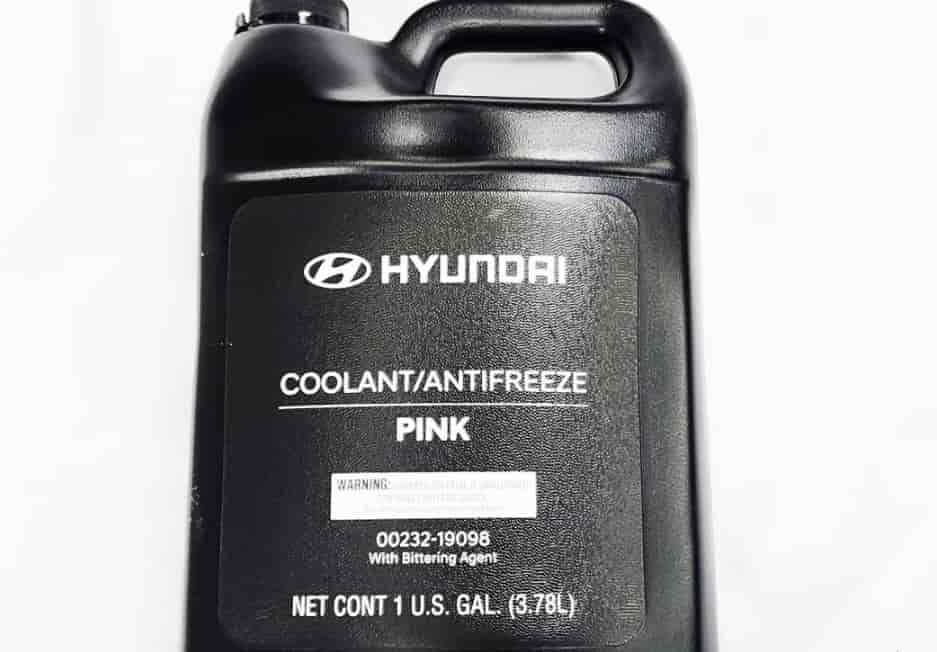
The correct Hyundai coolant type is usually a phosphate enhanced Organic Acid Technology coolant. Many newer Hyundai models also use Hybrid Organic Acid Technology formulas made for Asian vehicles. These coolants protect aluminum engine parts and help maintain stable engine temperatures.
Most Hyundai vehicles use ethylene glycol based antifreeze. This formula prevents freezing in winter and overheating in hot weather. It also protects the radiator, water pump, and cooling passages from corrosion.
Hyundai recommends using OEM coolant or an aftermarket coolant designed for Asian vehicles. Popular options include Zerex Asian Vehicle Coolant and Prestone Asian Vehicles Antifreeze. These products match Hyundai cooling system requirements and provide long term protection.
Many drivers choose coolant based only on color. This is a common mistake. Pink coolant does not always mean it is compatible with Hyundai engines. Different brands may use similar colors with completely different chemical formulas. Always check the coolant specification before adding it to the reservoir.
Using the wrong Hyundai coolant type can create serious problems over time. Incompatible coolant may form sludge inside the radiator and reduce cooling efficiency. It can also damage seals and increase the risk of overheating. Repair costs can become very expensive if the engine overheats repeatedly.
Choosing the correct coolant helps improve engine reliability and cooling performance. It also extends the lifespan of the entire cooling system while reducing long term maintenance costs.
Hyundai Coolant Colors Explained
Many Hyundai owners believe coolant color is the easiest way to identify the correct antifreeze. While color can provide a basic clue, it should never be the only factor used when choosing coolant for a Hyundai vehicle. Different manufacturers often use similar colors for completely different coolant formulas. This creates confusion and increases the risk of using an incompatible product.
Most modern Hyundai models use pink or reddish coolant from the factory. This coolant is designed for Asian vehicle cooling systems and contains additives that protect aluminum components from corrosion. Some older Hyundai vehicles may use green coolant, especially if the coolant was replaced with an aftermarket formula during previous maintenance.
The biggest problem appears when drivers mix coolants based only on appearance. Two coolants may look identical but contain different chemical technologies. Mixing incompatible formulas can create sludge inside the radiator and restrict coolant flow. Over time, this may cause overheating, weak heater performance, and water pump damage.
Coolant color standards are not universal across the automotive industry. One brand may use pink coolant for Organic Acid Technology formulas, while another may use pink for Hybrid Organic Acid Technology coolant. This is why checking the owner manual and coolant specification is always more reliable than checking color alone.
Drivers should also avoid topping off coolant with random universal antifreeze products. Universal formulas may not provide the same corrosion protection required for Hyundai engines. Choosing a compatible Asian vehicle coolant helps maintain stable engine temperatures and improves long term cooling system reliability.
Understanding Hyundai coolant colors can help drivers avoid expensive mistakes. However, compatibility and chemical composition always matter more than appearance.
Hyundai Coolant Type by Model
Most modern Hyundai vehicles use phosphate enhanced coolant designed for Asian engines. This coolant helps protect aluminum engine components and improves long term cooling system performance. While many Hyundai models share similar coolant technology, coolant capacity and replacement intervals may vary depending on the engine and vehicle size.
The Hyundai Elantra commonly uses pink OEM coolant or an equivalent Asian vehicle antifreeze. This compact sedan relies on stable engine temperatures for fuel efficiency and daily driving reliability. Using incompatible coolant may reduce cooling performance and increase internal corrosion over time.
The Hyundai Sonata also requires long life coolant formulated for modern aluminum engines. Drivers who use the correct Hyundai coolant type can help prevent overheating during heavy traffic and hot weather conditions. Many Sonata owners prefer OEM coolant because it matches factory specifications and provides reliable corrosion protection.
SUV models such as the Hyundai Tucson and Hyundai Santa Fe operate under higher thermal loads. These vehicles often carry more passengers and cargo, which increases engine stress during long trips. High quality coolant helps maintain proper heat transfer and protects the radiator from scale buildup.
The Hyundai Palisade uses advanced cooling system technology designed for larger engines and higher operating temperatures. Choosing compatible antifreeze helps maintain engine reliability and reduces the risk of cooling system damage. The Hyundai Kona, especially turbocharged versions, also requires coolant with strong thermal stability. Turbocharged engines generate more heat and place greater demand on the cooling system.
Using the correct Hyundai coolant type for each model improves engine durability, cooling efficiency, and long term maintenance performance.
Best Aftermarket Coolants Compatible with Hyundai
Many Hyundai owners choose aftermarket coolant because it costs less than OEM products while still providing strong cooling system protection. However, not all antifreeze formulas are safe for Hyundai engines. Choosing the wrong product can reduce cooling efficiency and increase the risk of corrosion inside the radiator and engine block.
One of the most popular options is Zerex Asian Vehicle Coolant. This formula is designed for Asian vehicles and matches the chemical requirements used in many Hyundai cooling systems. It provides strong corrosion protection and helps maintain stable engine temperatures during daily driving.
Prestone Asian Vehicles Coolant is another common choice among Hyundai drivers. This coolant is formulated for aluminum engines and contains additives that help prevent rust and scale buildup. Many drivers prefer it because it is widely available and compatible with several Hyundai models.
PEAK Asian Red and Pink Coolant is also considered a reliable aftermarket alternative. It offers long life protection and works well in vehicles that require phosphate enhanced antifreeze. This coolant is often used in Hyundai SUVs and turbocharged engines because of its stable thermal performance.
Some drivers still prefer OEM Hyundai coolant for maximum compatibility. Genuine Hyundai antifreeze is specifically developed for factory cooling system requirements. It may cost more, but many owners believe the added reliability is worth the investment.
Before choosing any aftermarket product, drivers should always verify compatibility with their Hyundai model. Reading the owner manual and checking coolant specifications can help prevent expensive cooling system damage. Using a high quality Hyundai coolant type improves engine protection and helps extend the lifespan of the radiator, water pump, and other cooling components.
Can You Mix Different Hyundai Coolant Types?
Many drivers add coolant without checking the existing formula inside the cooling system. This is one of the most common maintenance mistakes among Hyundai owners. Mixing different coolant types may seem harmless at first, but incompatible formulas can create serious problems over time.
Hyundai vehicles typically use phosphate enhanced coolant designed for Asian engines. These coolants contain specific additives that protect aluminum engine components and maintain stable operating temperatures. When mixed with incompatible antifreeze, the chemical balance inside the cooling system can change quickly.
One major risk is sludge formation. Some coolant formulas react with each other and create thick deposits inside the radiator and coolant passages. This buildup restricts coolant flow and reduces heat transfer efficiency. As a result, the engine may begin overheating during traffic or long distance driving.
Mixing coolant types can also damage seals, hoses, and the water pump. Corrosion may develop inside the radiator, especially if the coolant loses its protective properties. In severe cases, repeated overheating can lead to head gasket failure and expensive engine repairs.
Drivers should never assume coolant compatibility based only on color. Pink, green, blue, and red coolants may use completely different chemical technologies. The safest option is to use OEM Hyundai coolant or a compatible Asian vehicle antifreeze that matches factory specifications.
If the wrong coolant has already been added, a complete coolant flush is usually recommended. Flushing the system removes contaminated fluid and helps restore proper cooling performance. Using the correct Hyundai coolant type after a flush improves engine protection and reduces the risk of future cooling system damage.
Symptoms of Using the Wrong Coolant in a Hyundai
Using the wrong Hyundai coolant type may not cause immediate problems, but damage often develops slowly inside the cooling system. Many drivers only notice the issue after overheating or expensive repair costs appear. Incorrect coolant can reduce cooling efficiency and weaken the protection designed for modern Hyundai engines.
One of the most common warning signs is engine overheating. Incompatible coolant may struggle to transfer heat properly, especially during heavy traffic or hot weather. Drivers may notice rising temperature readings, warning lights, or steam coming from the engine bay.
Rust and corrosion inside the radiator are also common symptoms. The wrong coolant formula may fail to protect aluminum engine parts and internal cooling passages. Over time, corrosion can block coolant flow and reduce radiator performance.
Some Hyundai owners experience weak heater performance during colder months. This often happens when sludge or deposits begin forming inside the cooling system. Restricted coolant circulation prevents proper heat transfer and reduces cabin heating efficiency.
Coolant leaks may also develop after using incompatible antifreeze. Certain coolant additives can damage seals, hoses, and water pump components. Small leaks may eventually become larger problems that require expensive repairs.
Drivers should also watch for unusual coolant color changes or thick residue inside the reservoir tank. These signs often indicate coolant contamination or chemical breakdown. Ignoring these symptoms can lead to severe engine damage over time.
Using the correct Hyundai coolant type helps maintain stable temperatures and protects critical cooling system components. Routine coolant inspections and proper maintenance can prevent overheating, corrosion, and costly engine repairs in the future.
How Often Should You Replace Hyundai Coolant?
Hyundai recommends replacing coolant at specific service intervals to maintain engine performance and cooling system reliability. Many newer Hyundai models use long life coolant that can last several years before replacement is necessary. However, driving conditions and maintenance habits can affect coolant lifespan much earlier than expected.
In many Hyundai vehicles, the first coolant replacement is recommended around 120,000 miles or 10 years. After the initial service, coolant changes are usually required every 30,000 miles or every few years depending on the model. Drivers should always check the owner manual because service schedules may vary between engines and production years.
Severe driving conditions can shorten coolant life significantly. Frequent stop and go traffic, high temperatures, towing, and mountain driving place extra stress on the cooling system. Under these conditions, coolant may lose its protective additives faster and become less effective at controlling engine temperature.
Many drivers only top off coolant when the reservoir level drops. While topping off can temporarily restore fluid levels, it does not replace worn out additives inside the system. Old coolant may still contain contamination, corrosion particles, or degraded chemicals that reduce cooling efficiency.
A complete coolant flush is often recommended during scheduled maintenance. Flushing removes old antifreeze, rust particles, and sludge from the radiator and engine passages. Fresh coolant then restores proper corrosion protection and improves heat transfer performance.
Ignoring coolant replacement intervals can increase the risk of overheating, radiator blockage, and water pump damage. Using the correct Hyundai coolant type and following routine maintenance schedules helps extend engine lifespan and prevents expensive cooling system repairs.
How to Check Hyundai Coolant Level Safely
Checking the coolant level in a Hyundai is a simple maintenance task, but safety should always come first. Many drivers open the radiator cap too quickly and risk serious burns from hot coolant and steam. The engine should always be completely cool before inspecting the cooling system.
Start by parking the vehicle on a flat surface and turning off the engine. Open the hood and locate the coolant reservoir tank. Most Hyundai models use a transparent reservoir with minimum and maximum level markings on the side. The coolant level should remain between these two lines when the engine is cold.
If the coolant level is below the minimum mark, the system may need additional antifreeze. Drivers should always use the correct Hyundai coolant type recommended for their specific model. Adding incompatible coolant can reduce cooling performance and increase the risk of internal corrosion.
Before adding coolant, inspect the reservoir for unusual discoloration or thick residue. Clean pink or red coolant usually indicates a healthy system. Brown fluid or sludge may suggest contamination, rust, or coolant breakdown. In these situations, a complete coolant flush may be necessary.
When refilling coolant, pour slowly into the reservoir to avoid spills and trapped air bubbles. Drivers should never overfill the tank because coolant expands as the engine temperature rises. After refilling, securely close the reservoir cap and monitor the coolant level during the next few drives.
Routine coolant inspections help detect leaks and cooling system problems before major damage occurs. Checking the coolant regularly also helps prevent overheating and improves long term engine reliability. Proper maintenance and the correct Hyundai coolant type can protect the radiator, water pump, and engine from expensive repairs.
Frequently Asked Questions About Hyundai Coolant Type
Many Hyundai owners are unsure whether universal coolant is safe for their vehicles. While some aftermarket products claim broad compatibility, Hyundai engines are designed for specific coolant chemistry. Most modern Hyundai models use phosphate enhanced coolant made for Asian vehicles. Using the wrong antifreeze may reduce corrosion protection and increase the risk of overheating over time. For the best results, drivers should choose OEM Hyundai coolant or a trusted Asian vehicle formula that matches factory specifications.
Coolant color also creates confusion for many drivers. Most Hyundai vehicles leave the factory with pink or reddish coolant, but color alone does not confirm compatibility. Different brands may use the same color while relying on completely different chemical technologies. This is why checking coolant specifications is more important than relying on appearance alone.
Some Hyundai coolant products come pre mixed and are ready to use immediately. Other aftermarket formulas are sold as concentrated coolant and require mixing with distilled water before installation. Using the wrong mixture ratio can reduce cooling performance and affect freeze protection during cold weather.
Low coolant levels are another common cause of engine overheating in Hyundai vehicles. When coolant drops below the recommended level, the cooling system cannot transfer heat efficiently. Drivers who notice frequent coolant loss should inspect the radiator, hoses, and water pump for leaks.
Coolant capacity also varies between Hyundai models. Compact sedans often require less coolant than larger SUVs or turbocharged engines. Checking the owner manual is the safest way to confirm the correct Hyundai coolant type and capacity for a specific vehicle.
Conclusion
Choosing the correct Hyundai coolant type is essential for maintaining engine performance, cooling efficiency, and long term vehicle reliability. Many drivers underestimate the importance of coolant compatibility until overheating or expensive repairs begin to appear. Modern Hyundai engines rely on advanced cooling systems that require specific antifreeze formulations designed for aluminum components and stable temperature control.
Using the wrong coolant can lead to corrosion, sludge buildup, radiator blockage, and water pump damage. Problems may develop slowly, but repair costs can become very expensive once the cooling system begins to fail. This is why Hyundai owners should always verify coolant specifications instead of relying only on coolant color.
OEM Hyundai coolant remains one of the safest choices because it matches factory cooling system requirements. However, several aftermarket Asian vehicle coolants also provide reliable protection when they meet Hyundai compatibility standards. Products designed for Asian engines can help maintain proper heat transfer and reduce long term cooling system wear.
Routine maintenance is equally important. Checking coolant levels, following recommended replacement intervals, and performing coolant flushes when necessary can help prevent overheating and improve engine durability. Drivers who notice coolant leaks, unusual discoloration, or rising engine temperatures should inspect the cooling system immediately before more serious damage occurs.
Understanding the correct Hyundai coolant type helps drivers protect their vehicles from avoidable problems and costly repairs. Proper coolant selection and regular maintenance can extend the lifespan of the radiator, water pump, and engine while improving overall driving reliability for years to come.