The global automotive industry is changing faster than many experts expected. Electric vehicle growth is slowing in several major markets. At the same time, production costs continue to rise. Many automakers are now facing pressure from inflation, supply chain issues, and weaker consumer spending.
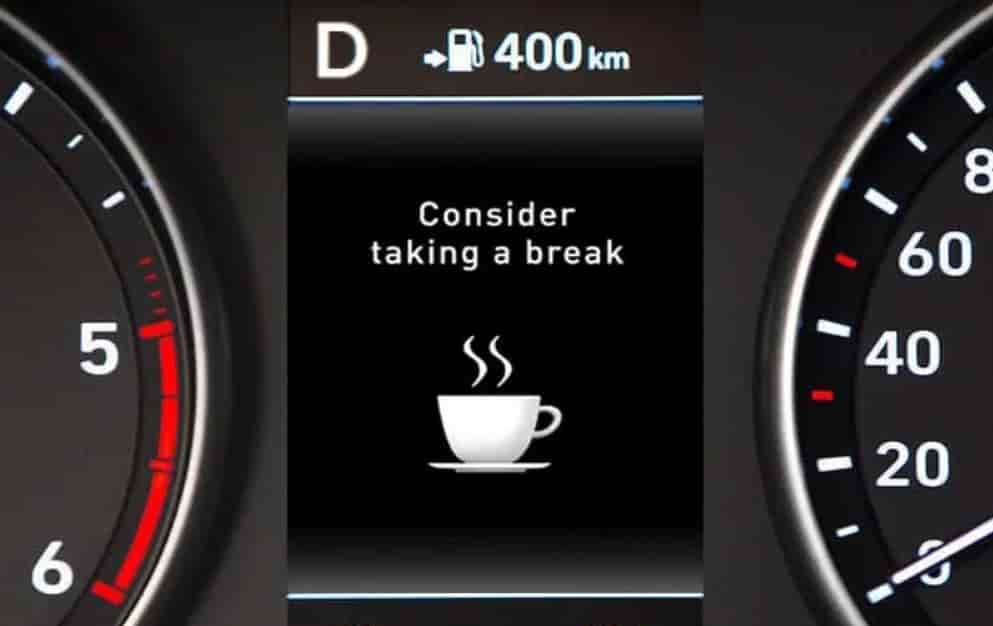
Hyundai is one of the companies attracting attention during this transition period. Industry analysts believe Hyundai may be considering taking a break while reassessing its long term strategy. Although the company remains a major player in the global car market, current conditions are forcing automakers to move more carefully.
The electric vehicle sector has become increasingly competitive. Tesla continues to lower prices, while Chinese brands aggressively expand into international markets. Traditional automakers are also investing billions into EV development. This intense competition is making profitability more difficult across the industry.
Consumers are also changing their buying habits. Many drivers still support electric vehicles, but high prices remain a major concern. Others are worried about charging availability, battery life, and long term maintenance costs. Because of this, some buyers are choosing hybrid vehicles instead of fully electric models.
For Hyundai, taking a temporary pause could be a strategic decision rather than a sign of weakness. The company may be focusing on improving efficiency, controlling costs, and adapting to changing market demand. Many experts believe automakers that slow down and adjust carefully may perform better in the long run.
As global auto market trends continue to evolve, Hyundai’s next move could reveal important insights about the future of the automotive industry. The company’s strategy may also influence how other manufacturers respond to the rapidly changing EV market.
Slowing Electric Vehicle Demand Is Creating New Challenges
Electric vehicle demand is still growing worldwide, but the pace has started to slow in several major markets. Many consumers are becoming more cautious about expensive purchases because inflation and high interest rates continue to affect household budgets. As a result, several automakers are now facing pressure after years of aggressive EV investment.
For Hyundai, this shift in consumer behavior may be an important reason behind the company’s possible strategic break. Although Hyundai successfully expanded its electric vehicle lineup in recent years, market conditions are no longer as predictable as before. Buyers now prioritize affordability, charging convenience, and long term ownership costs more carefully.
Some consumers are also delaying EV purchases because charging infrastructure remains inconsistent in many regions. Others are choosing hybrid vehicles instead of fully electric models because they offer greater flexibility and lower risk. These changing preferences are forcing automakers to rethink production targets and long term expansion strategies.
Supply Chain Problems Continue to Affect Automakers
Global supply chain instability remains a major challenge for the automotive industry. Although conditions have improved compared to previous years, many manufacturers still face delays and rising operational costs. These issues continue to affect vehicle production, inventory management, and overall profitability.
Battery materials such as lithium and nickel remain expensive and unpredictable. Price fluctuations are making electric vehicle production more costly for automakers around the world. At the same time, semiconductor shortages still impact manufacturing capacity in several markets. Modern vehicles rely heavily on chips and advanced software systems, making supply disruptions difficult to avoid.
Shipping and logistics costs are also creating additional pressure. Transportation delays and unstable global trade conditions have forced many automotive companies to review their production strategies more carefully. For Hyundai, maintaining efficiency while controlling costs has become increasingly important during this uncertain period.
Because of these ongoing challenges, a temporary strategic break could help Hyundai improve operational flexibility and reduce financial risks before making further investments in production expansion.
Rising Competition Is Increasing Pressure Across the EV Market
Competition in the electric vehicle market is becoming more intense every year. Tesla continues to dominate global attention with aggressive pricing strategies and rapid technology development. At the same time, Chinese automakers are expanding quickly into international markets with lower prices and improving vehicle quality.
Brands like BYD are gaining strong momentum across Asia and Europe. These companies are attracting consumers who want more affordable electric vehicles without sacrificing modern technology. This growing competition is creating serious pressure for traditional automakers, including Hyundai.
Legacy automotive companies are also investing heavily in electric mobility. Ford, Toyota, Volkswagen, and General Motors continue to expand their EV production plans while competing for market share. As more manufacturers enter the market, profitability becomes harder to maintain.
For Hyundai, aggressive expansion may no longer be the safest approach. The company could be focusing on sustainable growth and long term stability instead of chasing short term production targets. A temporary strategic break may allow Hyundai to strengthen its position while adapting to rapidly changing global auto market trends.
Market Uncertainty Is Changing Long Term Industry Planning
The global automotive industry is going through a period of uncertainty that is affecting long term planning for nearly all major manufacturers. Demand patterns are shifting, economic pressure remains high, and the transition to electric vehicles is happening in a more uneven way than expected. These combined factors are making it difficult for automakers to rely on stable forecasts.
For Hyundai, this environment may be one of the key reasons behind the idea of taking a temporary break. Instead of continuing rapid expansion, the company could be reassessing where to allocate resources in order to maintain long term stability and profitability. This type of adjustment is becoming more common across the industry.
Many automakers are now prioritizing flexibility over speed. They are adjusting production plans more frequently and avoiding large scale commitments that may not match future demand. This reflects a broader shift in strategy as companies respond to unpredictable market conditions.
As the global auto market continues to evolve, Hyundai’s approach may signal a more cautious and adaptive phase for the entire industry. Companies that can respond effectively to uncertainty may be better positioned for long term success.
Conclusion The Automotive Industry Is Entering a More Cautious Era
The global automotive industry is clearly moving into a more complex and uncertain phase. Electric vehicle growth is still present, but it is no longer as fast or predictable as before. At the same time, economic pressure, supply chain challenges, and rising competition are forcing automakers to rethink how they operate.
For Hyundai, the idea of taking a temporary break reflects a more strategic and controlled approach rather than a slowdown in ambition. It shows that the company may be focusing on long term stability instead of short term expansion. In a rapidly changing market, this kind of adjustment can be essential for maintaining competitiveness.
The automotive sector is now balancing innovation with caution. Companies are still investing in electric vehicles and new technologies, but they are also becoming more selective about where and how they grow. This shift suggests that the industry is entering a more mature and disciplined stage of development.
Ultimately, Hyundai’s potential decision highlights a broader truth about the global auto market. Success in the future will depend not only on speed and innovation, but also on timing, flexibility, and the ability to adapt to uncertainty.