The Hyundai check engine light confuses many drivers because it does not show a clear explanation on the dashboard. It only signals that the engine control system has detected a problem that needs attention. Modern Hyundai vehicles use an onboard diagnostic system that constantly monitors engine performance, fuel delivery, emissions, and sensor activity in real time.
When this warning light turns on, drivers often do not know how serious the issue is. Some cases involve minor problems like a loose fuel cap. Other cases involve more serious faults such as sensor failures or engine misfires. Hyundai check engine light codes help reveal the exact cause behind the warning so drivers can avoid guessing.
This guide explains Hyundai diagnostic trouble codes in a simple and structured way. You will learn how the codes work, what they mean, and how to fix common issues. The content also helps you understand symptoms early and decide whether you can continue driving or need immediate repair.
You will also learn how to read codes using an OBD2 scanner. This gives you more control over vehicle diagnostics and helps reduce unnecessary repair costs. The goal is to help you understand the system clearly and take the right action at the right time.
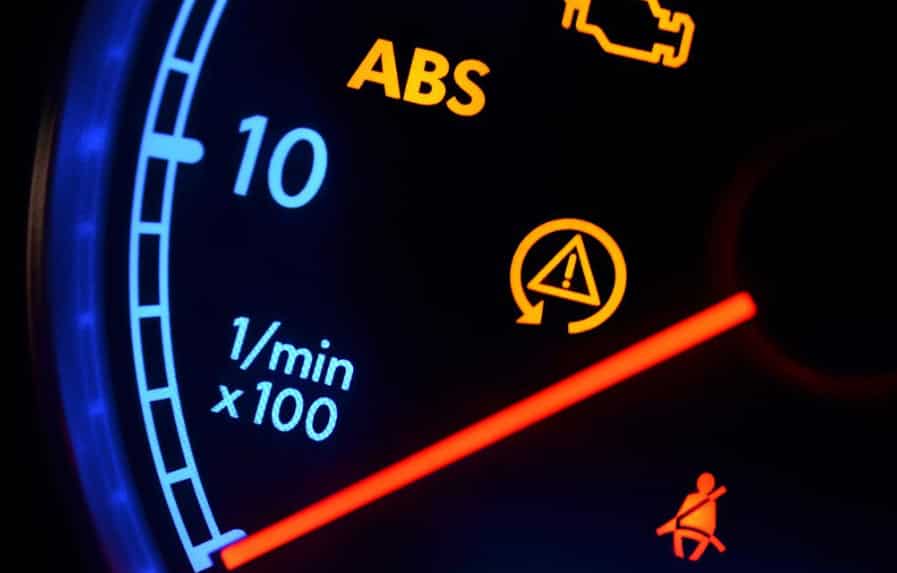
What Is Hyundai Check Engine Light System
The Hyundai check engine light system is part of the onboard diagnostic system in modern vehicles. This system continuously monitors engine performance and emissions in real time. It helps the vehicle detect problems early before they turn into serious damage.
The engine control unit acts as the main processing center of the system. It collects data from multiple sensors across the engine and other related components. These sensors track air intake, fuel delivery, exhaust emissions, ignition timing, and overall engine efficiency. When the system detects values outside normal limits, it triggers the check engine light on the dashboard.
The system also stores a diagnostic trouble code inside the engine control unit. This code represents the specific issue detected by the system. Drivers cannot read these codes directly from the dashboard, so an OBD2 scanner is needed to access the information. The code helps identify which part of the system is causing the problem, but it does not always show the exact root cause.
The Hyundai check engine light does not always indicate a critical failure. It can point to small issues like a loose gas cap or more serious problems like sensor failure or engine misfires. This makes the system important for early detection and preventive maintenance. Understanding how this system works helps drivers react correctly when the warning light appears.
How Hyundai Check Engine Light Codes Work
Hyundai check engine light codes follow the OBD2 diagnostic standard used in most modern vehicles. These codes help identify issues in the engine and related systems. Each code contains letters and numbers that describe the type of problem and the affected system.
The first character in a code shows the system category. The letter P refers to powertrain systems, which include the engine and transmission. The letter B refers to body systems, while C refers to chassis systems. The letter U refers to network communication between control modules. Most Hyundai check engine light codes fall under the P category because they relate directly to engine performance.
The second character shows whether the code is generic or manufacturer specific. A zero indicates a generic OBD2 code that applies to all car brands. A one indicates a manufacturer specific code that applies to Hyundai or other specific brands. This structure helps narrow down the source of the issue more quickly.
The remaining numbers in the code provide detailed information about the exact fault. These numbers point to systems such as fuel delivery, ignition, air intake, or emissions control. For example, a code related to misfires will differ from a code related to oxygen sensors or catalytic converter efficiency.
The engine control unit generates these codes when it detects abnormal readings from sensors or when system performance drops below expected levels. Each code is stored in memory until it is cleared or repaired. However, one code can have multiple possible causes, so further diagnosis is always required before fixing the issue.
Understanding this structure helps drivers interpret Hyundai check engine light codes more accurately and avoid unnecessary repairs.
How to Read Hyundai Check Engine Light Codes Step by Step
Reading Hyundai check engine light codes starts with accessing the vehicle diagnostic system. Most Hyundai models use a standard OBD2 port located under the dashboard near the driver side. You connect an OBD2 scanner to this port to retrieve stored error codes from the engine control unit.
Once the scanner is connected, you turn on the ignition without starting the engine. The scanner communicates with the vehicle system and displays any active or stored trouble codes. These codes usually appear as a combination of letters and numbers such as P0300 or P0420.
After you retrieve the codes, you need to record them before clearing anything. Many drivers make the mistake of clearing codes immediately, which removes important diagnostic data. The freeze frame data stored in the system also provides valuable context such as engine temperature, RPM, and vehicle speed at the time the fault occurred.
Next, you interpret each code using a reliable database or manufacturer reference. The code points you toward a specific system, but it does not always identify the exact faulty part. For example, a misfire code may come from spark plugs, ignition coils, or fuel injectors.
After identifying the possible cause, you perform physical inspection or further testing. You check sensors, wiring, fuel system components, and air intake for any visible issues. In some cases, the problem may require professional diagnostic tools to confirm the root cause accurately.
This step by step process helps you read Hyundai check engine light codes correctly and avoid replacing parts without proper diagnosis.
Most Common Hyundai Check Engine Light Codes and Meanings
Hyundai vehicles generate several common check engine light codes that appear frequently across different models. These codes help identify recurring engine, sensor, and emissions issues. Understanding them helps you react quickly and avoid further damage.
P0300 to P0306 Engine Misfire Codes
These codes indicate engine misfires in one or more cylinders. A misfire happens when fuel does not burn properly inside the engine cylinder. The problem often comes from worn spark plugs, faulty ignition coils, or fuel delivery issues. Drivers may notice rough idling, reduced power, or poor fuel economy.
P0420 Catalytic Converter Efficiency Below Threshold
This code appears when the catalytic converter does not function efficiently. The system detects that exhaust emissions are not being properly converted. Common causes include a failing catalytic converter, faulty oxygen sensors, or engine misfires that damage the exhaust system over time.
P0171 and P0174 System Too Lean
These codes indicate that the engine receives too much air or too little fuel. This imbalance affects combustion and engine performance. The issue often comes from vacuum leaks, dirty mass air flow sensors, or weak fuel pumps. Drivers may feel hesitation during acceleration.
P0106 Manifold Absolute Pressure Sensor Issue
This code signals a problem with the MAP sensor, which measures air pressure in the intake manifold. A faulty sensor can lead to incorrect fuel calculations and poor engine performance. Symptoms include unstable idling and slow throttle response.
P0441 Evaporative Emission System Incorrect Flow
This code relates to the EVAP system, which controls fuel vapor emissions. A loose gas cap is one of the most common causes. Other causes include damaged hoses or faulty purge valves. This issue usually does not affect driving performance but increases emissions.
These Hyundai check engine light codes represent the most frequent problems drivers encounter. Each code points to a system, but accurate diagnosis still requires inspection and testing before replacing any parts.
Hyundai Sensor-Related Check Engine Light Codes Explained
Sensor-related Hyundai check engine light codes appear when the engine control unit detects abnormal signals from key engine sensors. These sensors monitor air intake, fuel delivery, throttle input, and internal engine timing. When any sensor sends incorrect data, the ECU cannot calculate the correct air fuel mixture or engine behavior, which triggers a warning light.
Oxygen sensor related codes often appear when the sensor fails or becomes slow in response. This affects how the engine adjusts fuel delivery based on exhaust gases. When this system fails, the engine may run too rich or too lean. Drivers usually notice higher fuel consumption, rough idle, or increased emissions. In many cases, a failing oxygen sensor also reduces overall engine efficiency over time.
Mass air flow sensor codes are also very common in Hyundai vehicles. This sensor measures the amount of air entering the engine so the ECU can adjust fuel injection accurately. When the sensor gets dirty or damaged, it sends incorrect airflow readings. This can cause weak acceleration, unstable idling, and poor throttle response. Cleaning the sensor can sometimes fix the issue, but replacement is often required when damage is severe.
Throttle position sensor codes occur when the system cannot accurately detect accelerator input. This leads to delayed acceleration or inconsistent engine response. In some cases, the engine may feel unresponsive or suddenly change speed without warning.
Crankshaft and camshaft sensor codes are more serious because they affect engine timing. When these sensors fail, the engine may struggle to start, stall while driving, or stop completely. These issues require immediate diagnosis to avoid engine damage.
Sensor-related Hyundai check engine light codes should always be checked early because they directly impact performance, fuel efficiency, and engine stability. Proper diagnosis helps prevent more expensive repairs later.
Engine Misfire Codes in Hyundai Vehicles
Engine misfire codes are some of the most serious and common Hyundai check engine light codes. These codes usually start with P0300 to P0306 and indicate that one or more engine cylinders are not firing correctly. When a misfire happens, fuel inside the cylinder does not burn properly, which affects engine power, fuel efficiency, and emissions.
A random misfire code like P0300 means the problem occurs in multiple cylinders without a specific pattern. This often points to general issues such as fuel system problems, vacuum leaks, or weak ignition performance. A specific cylinder misfire code such as P0301 or P0302 indicates that only one cylinder is affected, which helps narrow down the diagnosis.
The most common cause of misfire codes in Hyundai vehicles is worn spark plugs. Spark plugs lose their ability to create a strong ignition spark over time, which leads to incomplete combustion. Faulty ignition coils are another frequent cause because they fail to deliver enough voltage to the spark plugs. Fuel injector problems can also lead to misfires when fuel is not delivered evenly into the cylinder.
Drivers experiencing misfire issues often notice engine vibration, rough idle, loss of power, and increased fuel consumption. In more severe cases, the check engine light may start blinking, which signals a critical condition that can damage the catalytic converter if ignored.
Proper diagnosis is important because multiple components can trigger the same code. Mechanics often test spark plugs, ignition coils, and fuel injectors step by step to find the exact cause. Early repair helps restore engine performance and prevents long term damage to the exhaust system.
How to Diagnose Hyundai Check Engine Light Properly
Proper diagnosis of Hyundai check engine light codes starts with collecting accurate data from the vehicle system. The first step is always to connect an OBD2 scanner to the diagnostic port and retrieve all stored trouble codes. This gives you a starting point, but it does not provide the full picture of the problem.
After reading the codes, you should check the freeze frame data stored in the engine control unit. This data shows the exact operating conditions at the time the fault occurred, including engine speed, temperature, and load. This information helps you understand whether the issue happens during acceleration, idle, or steady driving.
The next step is to analyze symptoms and match them with the retrieved codes. For example, a misfire code combined with rough engine idle often points toward ignition or fuel system issues. If the engine runs normally but a sensor code appears, the problem may be electrical or related to wiring instead of mechanical failure.
After that, you perform a physical inspection of key components. You check spark plugs, ignition coils, air intake system, vacuum lines, and sensors for damage or contamination. Many Hyundai check engine light issues come from simple causes like loose connections or dirty sensors.
If the problem is not obvious, you move to deeper testing using multimeters or advanced diagnostic tools. This step helps confirm whether a component is truly faulty before replacing it.
A proper diagnostic process reduces the risk of replacing unnecessary parts and helps identify the real cause of Hyundai check engine light codes more accurately.
Repair Solutions for Hyundai Check Engine Light Codes
Repairing Hyundai check engine light codes depends on the exact cause identified during diagnosis. Some issues require only simple fixes, while others need part replacement or professional repair. The key is to match the repair level with the severity of the problem.
In minor cases, the issue can be resolved quickly without replacing any parts. A loose or improperly tightened gas cap often triggers EVAP system codes, and simply tightening or replacing the cap can clear the warning light. In some situations, resetting the ECU after fixing the issue is enough to turn off the check engine light.
For moderate problems, component cleaning or replacement is usually required. Dirty mass air flow sensors, failing oxygen sensors, or worn spark plugs can cause performance issues and trigger codes. Cleaning sensors may temporarily improve performance, but replacement is often the more stable long term solution. These repairs restore proper air and fuel balance and help the engine run efficiently again.
In more serious cases, repairs involve major components such as ignition coils, fuel injectors, or catalytic converters. These parts directly affect engine combustion and emissions. When they fail, the vehicle may experience power loss, rough running, or increased fuel consumption. Replacement is usually necessary to restore normal engine function.
Repair costs vary depending on the part and model, but early diagnosis helps reduce expenses significantly. Ignoring Hyundai check engine light codes can lead to more severe damage over time, especially when misfires or emission system failures are involved.
A structured repair approach ensures that each issue is addressed correctly, improving engine performance and preventing recurring warning lights.
Can You Drive With Hyundai Check Engine Light On?
Whether you can drive with the Hyundai check engine light on depends on the condition behind the warning. The light does not always indicate an emergency, but it always signals that the engine control system has detected a fault that needs attention. Understanding the type of warning is important before deciding to continue driving.
If the check engine light stays solid, the issue is often less severe. In many cases, this can be related to emissions systems, sensors, or small mechanical faults such as a loose fuel cap. The vehicle may still operate normally, but fuel efficiency or performance can gradually decrease. In this situation, you can usually continue driving for a short period, but you should schedule a diagnostic check as soon as possible.
If the check engine light is blinking, the situation is more serious. A blinking light often indicates an active engine misfire that can damage the catalytic converter. In this case, continued driving can lead to expensive repairs and further engine damage. It is safer to stop driving and seek immediate inspection.
Driving behavior also matters. If the vehicle shows symptoms such as strong vibration, loss of power, unusual noises, or difficulty accelerating, it is a sign that the problem is affecting engine performance. Even if the car still moves, continuing to drive may worsen the issue.
The safest approach is to treat every Hyundai check engine light code as an early warning. Quick diagnosis helps prevent small issues from turning into major engine failures.
How to Prevent Hyundai Check Engine Light Issues
Preventing Hyundai check engine light codes starts with consistent vehicle maintenance and proper driving habits. Most engine warning issues do not appear suddenly without any reason. They usually develop over time due to wear, poor maintenance, or sensor degradation.
Regular servicing plays the most important role in prevention. Changing spark plugs at the recommended interval helps maintain stable combustion and reduces the risk of engine misfires. Replacing air filters on time also ensures proper airflow into the engine, which helps the engine control unit maintain the correct fuel mixture. Clean airflow reduces stress on sensors and improves overall engine efficiency.
Fuel quality also has a direct impact on engine health. Low quality or contaminated fuel can affect injectors and combustion performance. Using recommended fuel types helps protect the fuel system and reduces the chance of triggering emissions related codes. A properly sealed fuel cap should always be checked because even a small leak can activate EVAP system warnings.
Sensor care is another important factor. Components such as oxygen sensors, mass air flow sensors, and throttle sensors gradually degrade over time. Keeping the intake system clean helps reduce sensor contamination and improves accuracy. In some cases, simple cleaning can extend sensor lifespan and prevent false warning signals.
Finally, early response to small symptoms is key. Issues like rough idling, delayed acceleration, or unusual fuel consumption often appear before the check engine light turns on. Addressing these early signs prevents more serious Hyundai check engine light codes from developing later.
Preventive maintenance reduces repair costs and helps the engine run smoothly for a longer time without unexpected warnings.
Conclusion
Hyundai check engine light codes provide an early warning system that helps detect engine and emission problems before they become serious. These codes do not directly describe the fault in simple language, but they point to specific systems that need inspection and diagnosis. Understanding how these codes work helps drivers avoid confusion and respond correctly when the warning light appears.
Most issues behind Hyundai check engine light codes come from sensors, ignition components, fuel system problems, or emissions control failures. Some problems are minor and easy to fix, such as a loose fuel cap or a dirty sensor. Other issues require deeper inspection and part replacement, especially in cases involving misfires or catalytic converter efficiency.
The key to managing these warnings is proper diagnosis instead of guessing. Using an OBD2 scanner, analyzing freeze frame data, and checking physical components helps identify the real cause of the problem. This approach reduces unnecessary repairs and improves long term vehicle performance.
Drivers who respond early to warning signs can prevent small issues from turning into expensive engine damage. Regular maintenance, good fuel quality, and timely inspections all help reduce the risk of recurring check engine light problems.
In the end, Hyundai check engine light codes are not just warnings. They are a structured communication system between the vehicle and the driver that helps maintain engine health and safety over time.