Hyundai 2.4 Engine Recall Explained: Causes, Affected Models, and Full Technical Breakdown is one of the most serious engine reliability issues in modern mass production vehicles. Many drivers who own cars using the 2.4 liter engine from Hyundai Motor Company do not fully understand the scope of this problem. They also do not know how it started or why it led to a large scale recall.
The issue relates to the Theta II engine family. This engine was designed to balance power and fuel efficiency. However, it later showed critical internal defects. These defects can cause engine knocking, sudden power loss, and in some cases full engine failure while driving. Many drivers miss early warning signs because the symptoms often appear gradually.
This topic matters because it affects safety, repair cost, and long term vehicle value. It also helps owners understand whether their car belongs to affected production batches. More importantly, it guides them on what actions to take next.
In this article, we explain the technical causes behind the failure. We also cover affected models, warning symptoms, and available repair solutions. Each part is broken down in a clear and practical way.
By the end, you will understand why the Hyundai 2.4 Engine Recall happened. You will also know how serious the issue is and what it means for current vehicle owners.
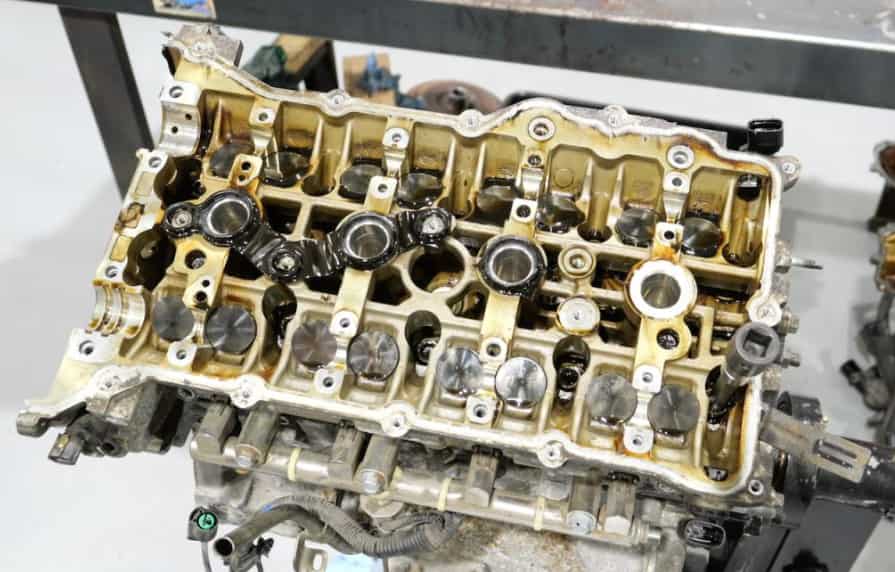
What Is the Hyundai 2.4 Engine Recall?
The Hyundai 2.4 Engine Recall refers to a series of safety and reliability actions related to engine defects found in vehicles produced by Hyundai Motor Company. The recall focuses mainly on engines that experience internal wear, oil flow issues, and unexpected mechanical failure during normal driving conditions. These problems can lead to reduced performance and, in severe cases, complete engine shutdown.
The issue became widely known after repeated reports of engine knocking, loss of power, and sudden stalling. Many cases showed that the engine could fail without clear early warning signs. This created serious safety concerns, especially at high speeds or in heavy traffic. As more cases appeared, manufacturers and regulators expanded inspection and recall programs to cover a wider range of vehicles.
At the center of the problem is the Theta II engine family. This engine was used in multiple Hyundai and Kia models for its balance of power and efficiency. However, internal design and manufacturing weaknesses created long term durability problems. Metal debris left inside some engines and oil circulation restrictions contributed to bearing damage and overheating.
Over time, these issues caused engine components to wear faster than expected. Once critical parts such as connecting rod bearings fail, the engine can seize completely. This is the main reason why the recall became a major global automotive issue.
The recall process includes inspections, software updates, and in many cases full engine replacement. These actions aim to reduce the risk of sudden failure and improve long term reliability for affected vehicles.
Causes of Hyundai 2.4 Engine Failure
The main causes behind the Hyundai 2.4 Engine Recall come from internal mechanical and manufacturing problems within the Theta II engine design. These issues affect long term durability and increase the risk of sudden engine failure in vehicles produced by Hyundai Motor Company.
One major cause is manufacturing debris left inside the engine during production. Small metal particles can remain in oil passages. Over time, these particles move through the lubrication system and create blockages. When oil flow becomes restricted, engine parts do not receive enough lubrication. This leads to faster wear and heat buildup.
Another key issue is bearing wear in the connecting rod system. The engine relies on smooth oil circulation to protect these bearings. When lubrication drops, the bearings start to degrade. This process creates knocking sounds and vibration. If the damage continues, the engine can fail completely without warning.
Oil starvation also plays an important role. Some engines experience inconsistent oil distribution. This condition increases friction between moving parts. High friction raises internal temperature and accelerates component damage.
The Theta II engine, Hyundai Theta II Engine, was widely used because it delivered strong performance and fuel efficiency. However, its design made it sensitive to oil flow and internal contamination. Even small defects could escalate into serious mechanical failure.
In severe cases, these combined issues lead to engine seizure. This happens when internal parts lock up and the engine stops working completely. At that point, repair is often not possible without full engine replacement.
Affected Hyundai 2.4 Engine Recall Models & Years
The Hyundai 2.4 Engine Recall affects a wide range of vehicles produced by Hyundai Motor Company. Most of these vehicles use the Theta II 2.4 liter engine, which was installed across multiple popular sedan and SUV models. The issue does not apply to every vehicle, but it is concentrated in specific production years and engine batches.
One of the most commonly affected models is the Hyundai Sonata. Many model years of the Sonata equipped with the 2.4 liter engine have been included in recall or service campaigns due to engine knocking and failure risks. Another heavily impacted model is the Hyundai Santa Fe, which uses the same engine architecture in several generations.
The Hyundai Tucson also appears in affected lists depending on engine configuration and production period. Some hybrid variants and regional versions may also be included if they use the same engine family. The variation in recall coverage depends on manufacturing date, assembly plant, and engine batch quality control results.
In general, vehicles produced during the peak usage period of the Theta II engine are more likely to be affected. These vehicles share similar internal components and lubrication system design, which is where most failures originate. Owners are usually advised to check their Vehicle Identification Number to confirm eligibility for recall services.
The affected models are not limited to a single region. Reports have shown that vehicles in North America, Asia, and other global markets may all be included. This wide distribution is one reason why the recall became a major international automotive issue.
Symptoms Before Engine Failure
Vehicles affected by the Hyundai 2.4 Engine Recall often show warning signs before a complete engine failure occurs. These symptoms may appear gradually, which makes them easy to ignore at first. Many drivers notice the issues only when the damage has already become serious in vehicles produced by Hyundai Motor Company.
One of the earliest signs is engine knocking noise. This sound usually comes from the lower part of the engine and becomes more noticeable during acceleration. It often indicates that internal components such as bearings are wearing out due to poor lubrication.
Another common symptom is the oil pressure warning light. When oil flow becomes unstable, the engine cannot maintain proper pressure. This warning should never be ignored because it often signals internal damage or oil starvation.
Drivers may also experience sudden power loss while driving. The vehicle can feel weak or unresponsive even when the accelerator is pressed. In some cases, the engine may stall completely, especially at low speeds or during idle.
Excessive oil consumption is another important warning sign. Some engines begin to burn oil faster than normal due to internal wear. This leads to frequent oil top ups and reduced engine efficiency over time.
In more severe cases, the engine may shake or vibrate abnormally. This usually indicates advanced mechanical wear inside the combustion system. If these symptoms appear together, the risk of full engine failure increases significantly.
Recognizing these signs early is important. Early detection can help reduce repair costs and prevent sudden breakdowns on the road.
Risks of Ignoring Hyundai 2.4 Engine Recall
Ignoring the Hyundai 2.4 Engine Recall can lead to serious mechanical and safety consequences for vehicle owners of Hyundai Motor Company. The most critical risk is sudden engine failure while driving, which can happen without clear warning once internal damage reaches a severe level.
When engine components such as connecting rod bearings wear out, the engine can stop functioning completely. This condition is known as engine seizure. In this situation, the vehicle loses power instantly and may become difficult to control, especially at high speeds or in heavy traffic.
Another major risk is increased repair cost. Once the engine is heavily damaged, simple repairs are no longer effective. In many cases, the only solution is a full engine replacement, which can be expensive and time consuming.
Safety risk is also a key concern. A sudden loss of engine power can create dangerous situations on highways or intersections. Drivers may not have enough time to react, which increases the chance of accidents.
Ignoring the recall can also affect long term vehicle value. Cars with unresolved recall issues often have lower resale value and reduced buyer confidence. This makes it harder to sell or trade the vehicle in the future.
Over time, minor symptoms can develop into major mechanical failure if no action is taken. This is why manufacturers strongly recommend inspection and repair as soon as recall eligibility is confirmed.
Hyundai 2.4 Engine Recall Fixes and Solutions
The Hyundai 2.4 Engine Recall includes several repair and prevention solutions designed to reduce the risk of engine failure in vehicles produced by Hyundai Motor Company. These solutions vary depending on the condition of the engine and the severity of internal wear.
One of the most common fixes is a full engine inspection. Technicians check for metal debris, oil flow issues, and early signs of bearing damage. If the engine shows minor symptoms, software updates may be applied to improve early detection of knocking.
A key improvement introduced in many affected vehicles is the Knock Sensor Detection System. This system monitors abnormal vibrations inside the engine. When it detects unusual knocking patterns, it alerts the driver and can reduce engine stress to prevent further damage.
In more severe cases, manufacturers offer complete engine replacement. This solution is applied when internal components are already damaged beyond safe repair. A new or refurbished engine is installed to restore full performance and reliability.
Extended warranty coverage is also part of the recall response in many regions. This helps reduce repair costs for owners and ensures that defects are addressed even after the standard warranty period expires.
Preventive maintenance plays an important role as well. Regular oil changes, proper oil level monitoring, and early response to warning signs can help reduce the risk of sudden engine failure. These steps do not fix the design issue but help slow down damage progression.
Hyundai 2.4 Engine Recall Timeline (2015–2026)
The Hyundai 2.4 Engine Recall developed over many years as reports of engine failures increased across different markets for vehicles produced by Hyundai Motor Company. The timeline shows how a technical issue gradually became a large scale global recall.
The early phase began when isolated cases of engine knocking and sudden failure were reported. At first, these incidents were treated as individual mechanical defects. However, as similar problems appeared in multiple regions, patterns started to emerge around the Theta II engine family.
Between 2015 and 2017, investigations intensified as more drivers reported engine seizure and loss of power. Regulatory bodies and manufacturers began collecting data from service centers. This period marked the transition from isolated complaints to a recognized engineering concern.
From 2018 onward, recall and service campaigns expanded. More vehicle models were added as analysis confirmed shared design vulnerabilities. Manufacturers introduced inspection programs, software updates, and extended warranty coverage to address the growing number of affected vehicles.
In the following years, class action lawsuits and settlements further highlighted the severity of the issue. These legal actions pushed for broader compensation and long term support for affected owners.
By 2026, the issue is no longer an active engineering mystery, but a long running service and maintenance challenge. Many vehicles have already been repaired or replaced, yet some owners continue to verify eligibility and seek updates through recall databases and dealership services.
Conclusion
The Hyundai 2.4 Engine Recall Explained shows how a widely used engine platform can develop long term reliability issues that affect safety, performance, and ownership costs. The problem is closely linked to the Theta II engine family used in vehicles produced by Hyundai Motor Company, where internal wear, lubrication issues, and manufacturing debris created a chain of mechanical failures over time.
Across multiple model years and vehicle types, the same core problems appeared. Drivers reported engine knocking, sudden power loss, and in some cases complete engine failure. These symptoms often developed gradually, which made early detection difficult. As the issue expanded across global markets, it became one of the most significant recall cases in the modern automotive industry.
The technical breakdown shows that even small internal defects can escalate into serious engine damage. Once critical components such as bearings fail, the engine may seize completely. At that point, repair is often not possible without major intervention such as engine replacement.
For owners, the most important step is awareness. Checking recall eligibility through VIN lookup and monitoring early warning signs can significantly reduce risk. Regular maintenance also helps slow down deterioration, even if it does not fully eliminate the underlying design issue.
Understanding this recall is not only about fixing a vehicle. It is also about preventing safety risks and protecting long term vehicle value. Drivers who stay informed and act early are better positioned to avoid costly repairs and unexpected breakdowns.