The issue of how to reset Chevy Silverado ambient temperature sensor often appears when drivers notice incorrect outside temperature readings or unstable dashboard data.
When this problem happens, many Silverado owners worry that a serious system failure has occurred. In reality, the issue is often caused by a temporary sensor glitch, dirt buildup, or a need for recalibration. The ambient temperature sensor plays an important role in measuring outside air and sending accurate data to the vehicle’s HVAC system and dashboard display.
When the sensor stops working correctly, it can lead to wrong temperature readings, poor climate control performance, and inconsistent cabin comfort. These problems can feel confusing, especially when the dashboard shows values that do not match real weather conditions.
This guide explains how to reset Chevy Silverado ambient temperature sensor in a clear step-by-step way. You will also learn how to troubleshoot common issues, identify causes of incorrect readings, and understand when a simple reset is enough or when a repair is required.
By following this guide, you can restore accurate temperature readings and avoid unnecessary repair costs while keeping your Chevy Silverado HVAC system working correctly.
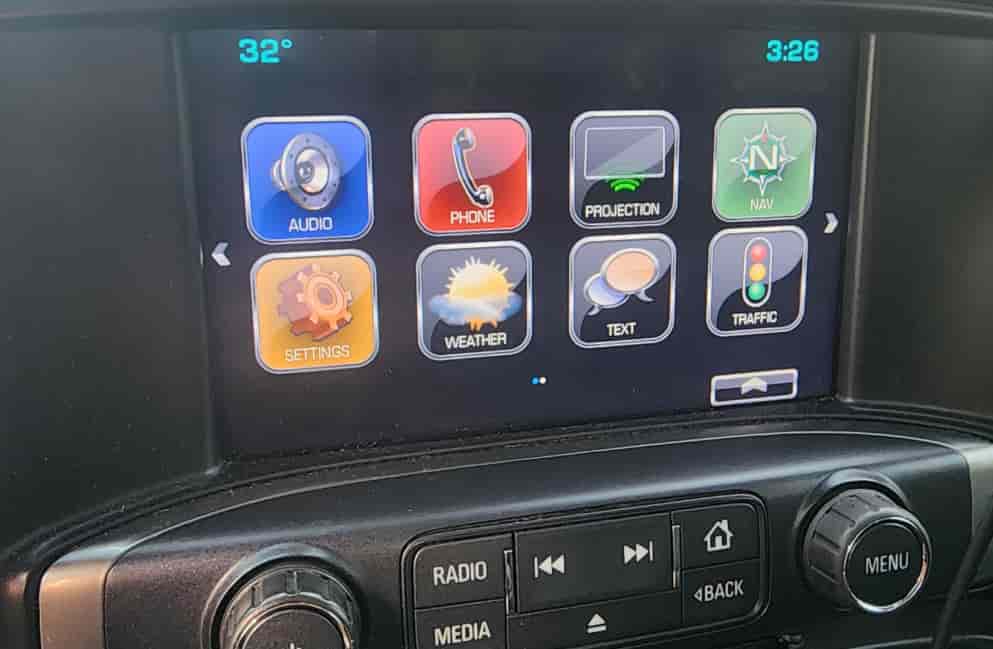
What Is the Chevy Silverado Ambient Temperature Sensor
The ambient temperature sensor in a Chevy Silverado measures the outside air temperature. It sends this data directly to the vehicle computer system. The system then uses this information for the dashboard display and climate control adjustments. This helps the HVAC system respond correctly to real weather conditions.
In most Chevy Silverado models, the sensor sits at the front of the vehicle. This position helps it read airflow and outdoor temperature more accurately. The sensor constantly sends data to the engine control module and the climate system. These systems use the data to adjust air conditioning performance in real time.
When the sensor works correctly, the dashboard shows an accurate outside temperature. The reading usually matches the actual environment within a small range. The HVAC system also reacts properly and keeps the cabin comfortable.
When the sensor fails or shifts out of position, problems appear quickly. The dashboard may show incorrect temperature values. Sometimes the reading jumps up and down without reason. In other cases, the display freezes or shows unrealistic numbers. These issues can also affect how the air conditioning system performs inside the cabin.
Most of the time, this problem does not come from a major system failure. It often comes from a dirty sensor, a loose connection, or a temporary electronic glitch. In many cases, you do not need to replace the part. A simple reset or recalibration can restore normal function and bring accurate readings back.
Common Symptoms of a Faulty Temperature Sensor
A faulty ambient temperature sensor on a Chevy Silverado usually shows clear warning signs. These symptoms often appear before the sensor stops working completely. Identifying them early helps you avoid unnecessary repairs and confusion.
One of the most common signs is an incorrect outside temperature reading on the dashboard. The display may show a temperature that is far higher or lower than the actual weather. This often confuses drivers, especially when the reading changes suddenly without any real environmental change.
Another symptom is unstable or fluctuating temperature values. The number may jump up and down while driving, even in stable weather conditions. This usually points to a weak sensor signal or a poor connection in the system.
Some drivers also notice that the air conditioning system does not behave correctly. The cabin may feel too cold or too warm compared to the selected settings. This happens because the HVAC system relies on the sensor data to adjust cooling and heating output.
In more severe cases, the dashboard may show a blank reading or symbols like dashes instead of a number. This often indicates that the sensor has lost communication with the vehicle system.
A delayed temperature update is another possible sign. The display may take a long time to reflect real outside conditions. This delay usually signals a sensor that responds slowly due to dirt buildup or internal wear.
Most of these symptoms do not always mean the sensor is fully damaged. In many cases, the issue comes from dirt, moisture, wiring issues, or temporary electronic errors. This is why troubleshooting and reset steps are important before deciding to replace the part.
Where Is the Ambient Temperature Sensor Located on Chevy Silverado
The ambient temperature sensor on a Chevy Silverado is usually installed at the front of the vehicle. Most models place it behind the front grille or near the lower bumper area. This location helps the sensor read outside air temperature more accurately because it stays exposed to direct airflow.
Chevrolet designs this position to avoid heat interference from the engine. The front placement allows the sensor to measure real environmental conditions instead of internal vehicle heat. This improves the accuracy of both the dashboard display and the climate control system.
In some Silverado versions, the sensor sits behind the grille support structure. You may need to look through the front grille or check near the lower air intake area to find it. It often appears as a small plastic component connected to a wiring harness.
Because of its exposed position, the sensor can collect dirt, dust, or road debris over time. This buildup can block airflow and reduce accuracy. In some cases, physical damage can also occur from rocks or road impact. These issues often lead to incorrect temperature readings or system errors.
Understanding the exact location is important before attempting any reset or repair. Many temperature problems come from poor sensor positioning or blockage rather than internal failure. Cleaning or checking the sensor in its proper location often solves the issue without further action.
How to Reset Chevy Silverado Ambient Temperature Sensor (Step-by-Step)
Resetting the ambient temperature sensor on a Chevy Silverado is often the first and simplest solution when the outside temperature display becomes inaccurate. In many cases, the issue comes from a temporary electronic glitch rather than a damaged sensor, so a reset can restore normal operation without any parts replacement.
Before starting, make sure the vehicle is parked safely and the ignition is turned off. This helps prevent any electrical interference during the reset process.
First, turn off the ignition completely and remove the key or press the stop button depending on your model. This ensures the vehicle systems are not actively processing sensor data.
Next, disconnect the negative terminal of the battery. This step helps clear temporary memory in the vehicle’s electrical system. Leave it disconnected for about 10 to 15 minutes so the system can fully discharge and reset.
After waiting, reconnect the battery terminal securely. Make sure the connection is tight to avoid unstable electrical signals when restarting the vehicle.
Then start the engine and allow the system to reboot fully. The dashboard may take a few moments to refresh and display updated information.
Finally, check the outside temperature reading on the dashboard. In many cases, the value stabilizes after a short driving period as the sensor recalibrates with real airflow.
This reset method works because it clears temporary data stored in the vehicle computer. It forces the system to restart communication with the ambient temperature sensor and often fixes incorrect or frozen readings without further repair.
Alternative Method: Sensor Relearn and Calibration
If a simple reset does not fix the ambient temperature issue on your Chevy Silverado, the system may need a relearn or calibration process. This method helps the vehicle computer rebuild accurate communication with the ambient temperature sensor over time.
Unlike a full reset, this process does not clear everything instantly. Instead, it allows the system to adjust gradually as the vehicle collects new temperature data during normal driving.
Start by driving the vehicle under normal conditions for at least 15 to 30 minutes. Make sure the truck is exposed to open airflow, not stuck in heavy traffic or parked in a garage. This helps the sensor read real outside conditions more accurately.
During the drive, avoid turning the engine on and off repeatedly. A stable driving cycle allows the HVAC system and control module to process consistent data. Over time, the temperature display should begin to stabilize and match the actual environment.
In some Chevy Silverado models, turning the ignition off and restarting the vehicle after a full drive cycle can help the system finalize the relearn process. This allows the HVAC module to store updated sensor values.
If calibration is successful, the dashboard temperature will gradually correct itself. The readings will become stable and match real outdoor conditions more closely.
However, if the issue continues after multiple drive cycles, the problem is likely not software related. In that case, the sensor itself or its wiring may be damaged and require physical inspection or replacement.
Common Causes of Wrong Temperature Readings
Incorrect outside temperature readings on a Chevy Silverado usually come from a few common issues. Most of them are simple and do not require major repairs, but they still affect how the ambient temperature sensor performs.
One frequent cause is dirt or debris blocking the sensor. Since the sensor sits at the front of the vehicle, it is exposed to dust, mud, and road grime. When airflow is restricted, the sensor cannot measure outside air correctly, which leads to inaccurate readings.
Another common issue is a loose or damaged wiring connection. The sensor depends on stable electrical signals to send data to the vehicle computer. If the wiring becomes worn or disconnected, the signal weakens or stops completely. This often results in fluctuating or missing temperature values.
Extreme weather conditions can also affect sensor accuracy. Sudden temperature changes, heavy rain, or snow buildup can temporarily disrupt readings. In some cases, ice or moisture can interfere with the sensor surface.
Sensor aging is another possible reason. Over time, the internal components lose sensitivity and respond more slowly to environmental changes. This leads to delayed or incorrect temperature updates on the dashboard.
Software glitches in the vehicle control module can also cause display errors. The system may misinterpret sensor data or fail to update it correctly after startup.
Most of these problems do not require immediate sensor replacement. In many cases, cleaning, resetting, or checking connections can restore normal function. However, identifying the exact cause is important to avoid repeated issues in the future.
How to Fix Chevy Silverado Ambient Temperature Sensor Issues
Fixing ambient temperature sensor issues on a Chevy Silverado depends on the root cause. In most cases, you can resolve the problem without replacing the sensor if you follow a clear troubleshooting process.
Start by cleaning the sensor area. Locate the sensor at the front of the vehicle and remove any dirt, dust, or debris around it. Use a soft brush or compressed air to clear the surface. A blocked sensor often causes inaccurate temperature readings, so cleaning is one of the simplest and most effective fixes.
Next, inspect the wiring connection. Check if the sensor connector is loose, corroded, or damaged. A weak connection can interrupt the signal between the sensor and the vehicle computer. If you find any loose wiring, reconnect it securely and ensure there is no visible wear.
If cleaning and checking connections do not solve the issue, perform a system reset. Disconnect the negative battery terminal for a short period, then reconnect it. This helps clear temporary errors in the system and forces the vehicle to recalibrate sensor communication.
In cases where the sensor continues to fail, replacement may be necessary. A damaged or worn-out sensor cannot provide accurate data even after reset or cleaning. Replacing it with a compatible OEM or high-quality aftermarket part will restore proper function.
After completing any fix, always test the vehicle by driving under normal conditions. Monitor the dashboard temperature to confirm that readings stabilize and match the real environment.
Most ambient temperature sensor issues are caused by simple external factors rather than serious system failure. This means careful inspection and basic maintenance often solve the problem effectively without costly repairs.
DIY Fix vs Professional Repair
When dealing with a Chevy Silverado ambient temperature sensor issue, you usually have two options: fix it yourself or take it to a professional mechanic. The right choice depends on the cause of the problem and your comfort level with vehicle maintenance.
A DIY fix works well when the issue is simple. If the sensor is dirty, blocked, or has a loose connection, you can often solve it at home. Cleaning the sensor, checking the wiring, or performing a basic reset does not require advanced tools. These steps are safe for most vehicle owners and can restore normal temperature readings quickly.
DIY repair is also cost effective. You avoid labor charges and only spend money if small replacement parts are needed. For many Silverado owners, this is the first approach because it solves common issues without extra expense.
However, professional repair becomes necessary when the problem is more complex. If the sensor is damaged internally or the wiring harness has serious electrical faults, a mechanic will be needed. Professionals can run diagnostic tests to confirm whether the sensor, the HVAC module, or the vehicle computer is causing the issue.
Mechanics also have access to specialized tools that can recalibrate or reprogram the system if needed. This ensures the repair is accurate and prevents the issue from returning.
In short, DIY methods work best for simple maintenance and resets, while professional repair is better for persistent or electrical problems. Choosing the right approach saves time, avoids unnecessary costs, and ensures the temperature system works correctly again.
Cost of Replacing Ambient Temperature Sensor
The cost of replacing a Chevy Silverado ambient temperature sensor depends on the model year, labor rates, and whether you choose OEM or aftermarket parts. In most cases, the sensor itself is not expensive, but labor can increase the total cost if you use a repair shop.
A typical ambient temperature sensor part usually falls in a low to moderate price range. OEM parts cost more but offer better compatibility and long term reliability. Aftermarket options are cheaper and can work well if you choose a reputable brand.
Labor cost varies depending on the workshop. Since the sensor is usually located at the front of the vehicle and is relatively easy to access, installation time is short. However, diagnostic fees may apply if the mechanic needs to confirm the exact cause of the issue before replacement.
If you decide to replace the sensor yourself, you can save a significant amount of money. DIY replacement usually only requires basic tools and careful handling of the wiring connector. This makes it a cost effective option for many Silverado owners.
Overall, replacing the ambient temperature sensor is not one of the most expensive repairs on a vehicle. The main cost difference comes from choosing professional service versus doing it yourself.
Conclusion
The ambient temperature sensor on a Chevy Silverado plays an important role in ensuring accurate outside temperature readings and proper climate control performance. When it stops working correctly, it can cause confusion on the dashboard and affect the comfort of your driving experience.
In many cases, the issue does not come from serious damage. Simple problems like dirt buildup, loose wiring, or temporary system glitches often cause incorrect readings. This is why basic troubleshooting steps such as cleaning, resetting, and recalibration are usually effective.
If these methods do not solve the problem, then sensor replacement or professional diagnosis may be necessary. Choosing the right approach depends on how severe the issue is and how long it has been occurring.
By understanding the causes, symptoms, and repair options, you can handle most temperature sensor problems confidently and avoid unnecessary repair costs. Proper maintenance also helps ensure your Chevy Silverado continues to deliver accurate and reliable temperature readings over time.