The Chevy 2.7 Turbo engine has gained a lot of attention in modern trucks like the Chevrolet Silverado and GMC Sierra. Chevrolet designed this engine to deliver strong performance while improving fuel efficiency through a smaller turbocharged inline four setup. This idea looks great on paper because it combines power and economy in one package.
However, real world ownership experiences show a more mixed picture. Some drivers enjoy smooth performance and good fuel economy in daily driving. Others report concerns such as engine noise, oil consumption, and inconsistent turbo response under heavy load. These differences have created debate in the truck community about long term reliability.
Many truck owners now question whether the Chevy 2.7 Turbo can handle long term use without costly repairs. Marketing claims highlight efficiency and power, but real usage often reveals a more complex situation.
In this article, we will break down the most common Chevy 2.7 Turbo problems in a clear way. We will also explain the technical causes behind these issues and review real owner feedback. This will help you understand how the engine performs beyond marketing promises and whether it fits your driving needs.
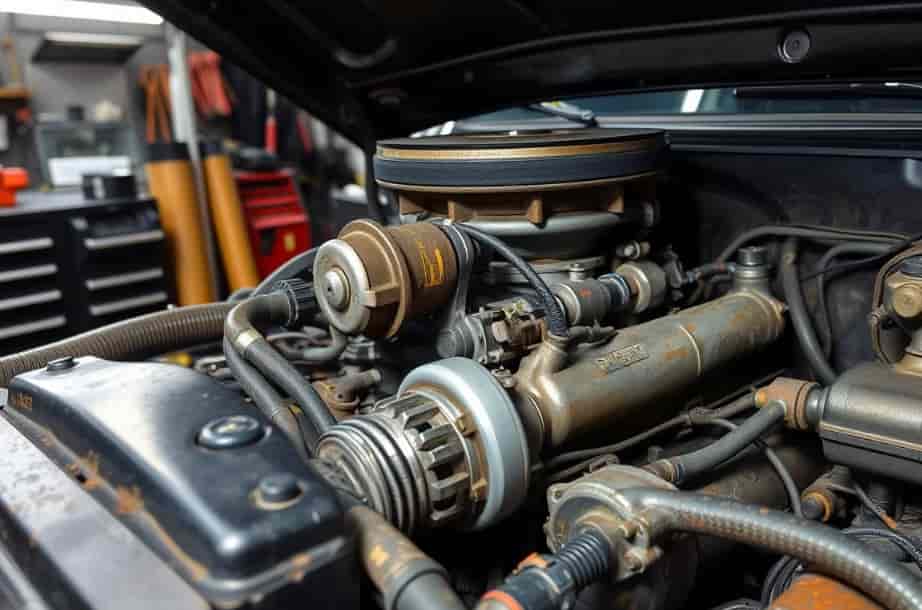
Overview of the Chevy 2.7 Turbo Engine
The Chevy 2.7 Turbo engine belongs to GM’s modern family of turbocharged small displacement engines. Chevrolet uses this 2.7 liter inline four in popular trucks such as the Silverado 1500 and GMC Sierra. The company designed it to replace larger naturally aspirated engines in some configurations while still delivering competitive torque and towing ability.
This engine uses a turbocharger to increase air intake and improve combustion efficiency. Chevrolet tuned it to produce strong low end torque, which helps with towing and daily driving in trucks. On paper, it offers a balance between power and fuel economy that appeals to drivers who want a capable truck without a large V8 engine.
In real usage, many drivers appreciate the smooth acceleration in normal driving conditions. The engine performs well in city driving and light highway use. It also delivers better fuel economy compared to traditional V8 options in similar trucks.
However, the engine’s design also introduces complexity. Turbocharged systems place more stress on internal components compared to naturally aspirated engines. This creates sensitivity to maintenance habits, oil quality, and driving conditions. Because of this, long term reliability becomes a key concern for many owners.
The gap between expected performance and real world durability is one of the main reasons the Chevy 2.7 Turbo generates so much discussion among truck owners today.
Common Chevy 2.7 Turbo Problems
The Chevy 2.7 Turbo engine delivers solid performance in many driving situations, but real owners have reported several recurring problems that affect long term confidence. One of the most discussed issues is oil consumption. Some drivers notice that the engine burns more oil than expected, especially after higher mileage. This often becomes visible between regular oil changes when the level drops faster than normal. The problem usually relates to piston ring wear, turbo pressure, and heat stress from continuous operation. Because turbocharged engines work under higher internal pressure, they naturally place more demand on lubrication, which can increase oil usage over time if maintenance is not consistent.
Another common concern involves turbo lag and long term wear. While the turbo helps deliver strong low end torque, some drivers feel a delay when they press the accelerator, especially from a stop or during sudden acceleration. Over time, heat cycles and constant pressure can also reduce turbo efficiency, leading to slower response and weaker power delivery. Engine noise is another issue mentioned by owners, especially ticking or light knocking sounds. In many cases this comes from normal direct injection or lifter operation, but it still creates uncertainty for drivers who are not familiar with these sounds.
Fuel economy also shows inconsistent results depending on driving conditions. The engine performs well in light driving, but efficiency drops quickly under heavy loads or city traffic. Some owners feel real world fuel economy does not always match expectations. Finally, power delivery under heavy load can feel limited when the engine operates near its maximum capacity for long periods, which shows that this engine works best within a specific usage range rather than extreme towing conditions.
Root Causes of Chevy 2.7 Turbo Problems
The problems seen in the Chevy 2.7 Turbo engine do not come from a single failure point. They result from a combination of design choices, operating conditions, and maintenance sensitivity. Understanding these root causes helps explain why some owners experience issues while others do not.
One major factor is engine downsizing. Chevrolet designed the 2.7 Turbo as a smaller displacement engine to replace larger V6 or V8 options in certain use cases. While this improves fuel efficiency, it also increases stress on internal components because the engine must work harder to produce similar power levels. Turbocharging adds even more pressure, which raises heat and mechanical load during acceleration or towing.
Heat management also plays a critical role. Turbocharged engines generate higher operating temperatures, especially under load. If the cooling system or driving habits do not manage this heat properly, long term wear can increase. This can affect turbo lifespan, oil condition, and overall engine stability.
Maintenance quality is another key factor. The 2.7 Turbo depends heavily on clean, high quality oil and regular service intervals. If oil changes are delayed or low quality oil is used, internal components can wear faster. Turbo systems are especially sensitive because they rely on constant lubrication and cooling.
Driving behavior also influences performance and durability. Frequent heavy acceleration, towing near maximum capacity, or stop and go city driving can increase stress on the engine. Over time, these conditions amplify normal wear patterns and make issues more noticeable.
In summary, most Chevy 2.7 Turbo problems come from a mix of engineering trade offs and real world usage demands rather than a single defect.
Real Owner Experiences and Feedback
Real world owner feedback on the Chevy 2.7 Turbo engine shows a mixed but consistent pattern. Many drivers report positive experiences during the first years of ownership, especially when using the engine for daily commuting and light duty work. They often highlight smooth acceleration, quiet operation, and better fuel economy compared to traditional V8 engines. In normal driving conditions, the engine feels responsive and easy to manage, which makes it appealing for everyday use.
However, as mileage increases, some owners begin to notice changes in performance and reliability. A portion of drivers report higher oil consumption after extended use, which requires more frequent monitoring between service intervals. Others mention occasional engine noise that creates concern, even when it turns out to be normal mechanical operation. These small issues do not always lead to failure, but they affect confidence over time.
Some truck owners also share concerns about long term durability when the engine is used for heavy towing or continuous load. In these cases, the engine can feel strained and less efficient, especially compared to larger displacement alternatives. This creates a clear divide between light duty users who are satisfied and heavy duty users who expect more strength.
Interestingly, many positive reviews come from drivers who follow strict maintenance schedules and use high quality oil. These owners often report fewer issues and more stable performance. On the other hand, negative experiences tend to come from inconsistent maintenance or more demanding usage patterns.
Overall, real owner feedback suggests that the Chevy 2.7 Turbo performs well within its intended use case, but it requires proper care and realistic expectations to maintain long term satisfaction.
Severity Analysis: Are These Problems Serious?
The issues reported on the Chevy 2.7 Turbo engine vary in severity depending on usage, maintenance, and driving conditions. Most problems do not indicate immediate engine failure, but they can become more noticeable over time if owners ignore early warning signs or use the engine outside its ideal operating range.
Oil consumption, for example, can sound alarming, but it does not always mean a serious defect. In many cases, it develops gradually and stays within acceptable limits when the engine is properly maintained. However, if drivers do not check oil levels regularly, this issue can lead to increased wear and long term damage.
Turbo lag and turbo wear also depend heavily on driving style. In normal driving, the lag is usually mild and manageable. Over time, aggressive acceleration, frequent towing, or poor cooling habits can increase stress on the turbo system. This can reduce performance, but it rarely leads to sudden failure if maintenance remains consistent.
Engine noise is another area where perception plays a big role. Some noises come from normal direct injection or lifter operation and do not indicate damage. However, persistent knocking or abnormal sounds should always be inspected early to avoid larger mechanical issues.
Fuel economy inconsistencies and reduced performance under heavy load are more related to design limitations than actual defects. The engine performs best in light to moderate use, and it shows limitations when pushed continuously at high demand.
Overall, most Chevy 2.7 Turbo problems fall into the moderate severity category. They do not represent widespread engine failure, but they do highlight the importance of proper maintenance and realistic expectations based on how the engine is used.
How to Prevent Chevy 2.7 Turbo Problems
Owners can reduce most Chevy 2.7 Turbo problems by following proper maintenance habits and using the engine within its intended limits. The key factor is consistency because this engine reacts strongly to how it is maintained and driven over time.
Regular oil changes play the most important role. The turbo system depends on clean, high quality oil to reduce heat and friction. When drivers extend oil change intervals too long, they increase the risk of sludge buildup and faster internal wear. Many experienced owners choose shorter service intervals than the minimum recommendation to keep the engine stable over the long term.
Driving behavior also has a direct impact on engine health. Smooth acceleration helps reduce stress on the turbocharger and internal components. Drivers should avoid repeated hard acceleration from a stop, especially when the engine is cold. After long highway drives or heavy towing, allowing the engine to cool down before shutting it off can also help protect the turbo system.
Load management is another important factor. The Chevy 2.7 Turbo performs best in light to moderate towing conditions. Continuous heavy towing pushes the engine closer to its limits and increases heat buildup. Staying within recommended load ranges helps maintain both performance and durability.
Using high quality fuel and following proper maintenance schedules also improves long term reliability. Clean fuel helps maintain combustion efficiency and reduces carbon buildup inside the engine.
In summary, most problems do not come from sudden defects. They develop slowly when maintenance or driving habits do not match the demands of a turbocharged engine. With proper care, many owners report stable and consistent performance over time.
Should You Buy a Chevy 2.7 Turbo Engine?
The decision to buy a vehicle with the Chevy 2.7 Turbo engine depends heavily on how you plan to use it. This engine fits a specific driving profile very well, but it does not suit every type of truck owner. Understanding this difference is key before making a purchase decision.
If you mainly drive in the city or use your truck for daily commuting, the 2.7 Turbo can be a good option. It delivers smooth acceleration, solid low end torque, and better fuel efficiency compared to larger engines. Many owners in this category report a comfortable and cost effective driving experience when maintenance is done properly.
However, if you plan to use your truck for heavy towing or continuous high load work, the engine may feel limited. While it can handle towing within its rated capacity, long periods of demanding use increase stress on the turbo system and overall engine performance. In these cases, larger V6 or V8 engines often provide better long term durability and more consistent power delivery.
Another important factor is maintenance discipline. The Chevy 2.7 Turbo requires consistent oil changes and proper care to maintain reliability. Owners who follow strict maintenance schedules usually report fewer issues, while those who delay service tend to experience more problems over time.
In short, this engine is not inherently bad or unreliable. It is a modern turbocharged design that performs well in the right conditions. The key is to match the engine with your driving needs instead of expecting it to behave like a traditional heavy duty V8.
Conclusion
The Chevy 2.7 Turbo engine delivers a mix of strong performance, good fuel efficiency, and modern turbocharged technology. It works well for many drivers, especially those who use their trucks for daily commuting or light duty tasks. In these conditions, the engine provides smooth power delivery and competitive fuel economy compared to larger displacement engines.
At the same time, real world feedback shows that this engine has limitations. Some owners report issues such as oil consumption, turbo lag, engine noise, and inconsistent performance under heavy load. These problems do not affect every vehicle, but they appear often enough to shape the overall discussion around reliability.
Most of these concerns come from how the engine is used rather than a single design flaw. The Chevy 2.7 Turbo performs best when owners follow proper maintenance routines and stay within recommended usage limits. When pushed into heavy duty roles or maintained poorly, the engine shows more stress and long term wear.
The key takeaway is simple. This engine is not a bad choice, but it is a specific one. It fits drivers who prioritize efficiency and daily usability more than extreme towing power or heavy workload durability. Understanding this balance helps set realistic expectations and reduces the risk of dissatisfaction over time.
Before choosing a vehicle with this engine, it is important to match it with your driving needs and maintenance habits. A well informed decision will always lead to better long term ownership experience.