The 4.8 Vortec engine powers many GM trucks and SUVs such as the Chevy Silverado, Tahoe, and GMC Sierra. It earned a strong reputation for durability and long service life. However, many owners still face 4.8 Vortec engine problems after high mileage or long-term use.
These problems often start small. Drivers may notice engine misfires, higher oil consumption, overheating, rough idle, or weak acceleration. The check engine light may also appear and stay on. These signs usually point to early engine wear or failing components.
In many cases, poor maintenance or normal engine aging causes these issues. Worn spark plugs, faulty ignition coils, and clogged fuel injectors often trigger performance loss. Cooling system issues can also lead to overheating. Oil leaks or worn piston rings may cause long-term damage if ignored.
You can often prevent major damage if you detect these symptoms early. Simple repairs and regular maintenance can solve many issues before they get worse. However, delayed action can lead to expensive repairs or even engine failure.
This guide explains the most common causes, symptoms, and fixes for 4.8 Vortec engine problems. It helps you understand what is happening inside the engine and how to deal with each issue effectively.
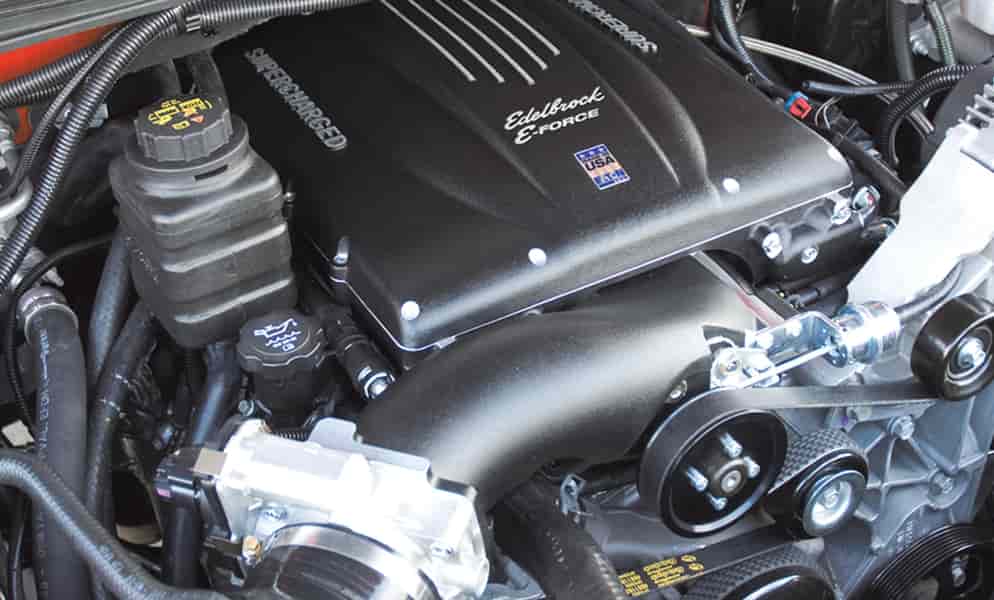
What Is the 4.8 Vortec Engine
The 4.8 Vortec engine is a 4.8 liter V8 gasoline engine developed by General Motors. It belongs to the GM Vortec small block engine family and shares its architecture with other LS based engines. GM designed it for trucks and full size SUVs that need a balance of power, durability, and fuel efficiency.
You will often find this engine in vehicles like the Chevy Silverado, Chevrolet Tahoe, GMC Sierra, and GMC Yukon. GM used it widely in work trucks because it delivers solid towing capability and long service life when properly maintained.
The engine produces a smooth V8 power delivery and handles heavy loads well. It uses a simple overhead valve design that improves reliability and reduces long term maintenance complexity. Many mechanics consider it one of the more straightforward GM engines to repair.
However, like all engines, it develops wear over time. High mileage units often start to show 4.8 Vortec engine problems such as reduced compression, ignition issues, and fuel system wear. These problems do not usually appear early, but they become more common as the engine ages.
Understanding the basic structure of the 4.8 Vortec engine helps you diagnose issues more accurately. Once you know how it works, you can better identify where performance loss or mechanical failure begins.
Most Common 4.8 Vortec Engine Problems
The 4.8 Vortec engine delivers solid performance in many GM trucks and SUVs, but it still develops several common issues as mileage increases. These problems usually appear gradually and start with small changes in engine behavior. When you understand them early, you can prevent costly repairs and extend engine life.
Engine misfires are one of the most frequent 4.8 Vortec engine problems. The engine may run rough, shake at idle, or lose power during acceleration. Worn spark plugs often cause misfires, but faulty ignition coils and dirty fuel injectors can also trigger the issue. Poor combustion inside the cylinders may contribute as well. If you ignore misfires, they can damage the catalytic converter and reduce overall engine efficiency.
Oil consumption issues also appear in high mileage engines. Many owners notice that oil levels drop faster than expected between oil changes. Worn piston rings or damaged valve seals allow oil to enter the combustion chamber. This leads to exhaust smoke and reduced lubrication inside the engine. If oil levels stay low for too long, internal engine wear increases significantly.
Overheating is another serious problem. A failing thermostat, clogged radiator, or leaking coolant system often causes the engine temperature to rise. A weak water pump can also reduce coolant circulation. Repeated overheating can damage the head gasket and lead to major engine failure if not fixed early.
Many drivers also experience power loss and slow acceleration. This usually happens due to clogged fuel filters, dirty air filters, or failing sensors like the mass airflow sensor. In some cases, ignition system wear also reduces engine performance over time.
The check engine light often appears when these issues start developing. It can signal misfires, sensor failures, or fuel system problems. Ignoring this warning can turn small issues into expensive engine repairs.
Symptoms of 4.8 Vortec Engine Problems
The 4.8 Vortec engine usually shows clear warning signs before serious failure occurs. These symptoms often start small and become more noticeable over time. When you recognize them early, you can avoid major engine damage and expensive repairs.
One of the most common symptoms is rough idle. The engine may vibrate or feel unstable when the vehicle is stopped. This often happens when combustion becomes inconsistent due to worn spark plugs, weak ignition coils, or fuel delivery issues. You may also notice engine misfires during acceleration, especially when the vehicle carries heavy loads.
Another key symptom is reduced power. The vehicle may feel slower and less responsive than usual. Acceleration becomes weak, and the engine struggles under pressure. This often results from clogged fuel systems, dirty air filters, or failing sensors that disrupt air and fuel balance.
Excessive oil consumption is also a strong warning sign. You may find yourself adding oil more frequently than before. In some cases, blue smoke comes from the exhaust, which indicates oil burning inside the combustion chamber. This usually points to worn piston rings or damaged valve seals.
Overheating is another serious symptom. The temperature gauge may rise quickly during driving or idle. You may also notice coolant leaks or a sweet smell from the engine bay. These signs often indicate cooling system failure, such as a bad thermostat or leaking radiator.
The check engine light is another important indicator. It can signal many underlying issues, including misfires, sensor failures, or fuel system problems. When this light appears, you should scan the engine codes immediately to identify the root cause.
Main Causes Behind 4.8 Vortec Engine Failures
The 4.8 Vortec engine develops problems mainly due to wear over time, maintenance habits, and component aging. Most failures do not happen suddenly. They build up slowly as small issues accumulate inside the engine system.
Poor maintenance is one of the leading causes. When owners delay oil changes or use low quality oil, internal parts lose proper lubrication. This increases friction and accelerates wear on piston rings, valve seals, and bearings. Over time, this leads to oil consumption issues and reduced engine performance.
Ignition system wear also plays a major role. Spark plugs and ignition coils degrade after long use. When they fail, the engine starts misfiring and runs unevenly. Fuel injectors can also become dirty or clogged, which disrupts proper fuel delivery and affects combustion quality.
Cooling system failure is another common cause. The engine depends on stable temperature control. When the thermostat fails or the radiator becomes clogged, the engine overheats. Repeated overheating can damage the head gasket and weaken internal engine structure.
High mileage naturally contributes to engine problems as well. After many years of operation, seals harden, metal parts wear down, and engine compression decreases. This leads to power loss, rough idle, and poor acceleration.
Driving conditions also affect engine health. Heavy towing, aggressive driving, or frequent stop and go traffic increases stress on the engine. These conditions speed up wear and make existing weaknesses more noticeable.
In many cases, multiple causes work together. For example, poor maintenance combined with high mileage often leads to misfires, oil burning, and overheating at the same time.
How to Fix 4.8 Vortec Engine Problems
Fixing 4.8 Vortec engine problems depends on the severity of the issue and how early you detect it. Most problems start small, so simple maintenance often restores performance if you act quickly. Ignoring symptoms usually leads to more expensive repairs later.
For engine misfires, you should start by inspecting spark plugs and ignition coils. Replacing worn spark plugs often solves rough running and improves combustion. If the issue continues, you may need to check ignition coils and fuel injectors. Cleaning or replacing clogged injectors helps restore proper fuel delivery and smooth engine operation.
For excessive oil consumption, you need to inspect valve seals and piston rings. In mild cases, using higher quality oil and maintaining regular oil changes can reduce the problem. In more severe cases, mechanical repair is necessary to prevent oil from entering the combustion chamber and damaging engine components.
For overheating issues, you should check the cooling system first. Replacing a faulty thermostat often restores normal temperature control. Cleaning or replacing a clogged radiator improves coolant flow. If the water pump fails, replacing it is essential to prevent long term engine damage.
For power loss and poor acceleration, start by replacing air filters and fuel filters. Cleaning the mass airflow sensor can also improve engine response. If the problem persists, you may need a deeper fuel system inspection.
For check engine light warnings, you should always scan the error codes first. This helps identify the exact cause, such as sensor failure or misfires. Once you know the code, you can fix the specific component instead of guessing.
Regular maintenance remains the most effective solution. When you service the engine on time, you prevent most 4.8 Vortec engine problems before they become serious.
Cost of Repairing 4.8 Vortec Engine Problems
The cost of fixing 4.8 Vortec engine problems varies widely depending on the type of issue, the severity of damage, and labor rates in your area. Small maintenance tasks are usually affordable, but major engine repairs can become expensive if problems are ignored for too long.
Simple repairs such as replacing spark plugs, ignition coils, or air filters are usually the cheapest. These services often cost a few hundred dollars or less, depending on parts and labor. Cleaning fuel injectors or replacing sensors like the mass airflow sensor also stays within a moderate price range, especially if the issue is caught early.
Cooling system repairs fall in the middle range. Replacing a thermostat, radiator hose, or water pump typically costs more due to labor time and part complexity. If overheating has already caused damage, such as a blown head gasket, the repair cost increases significantly.
Oil consumption problems can become expensive when internal engine wear is involved. Replacing valve seals or piston rings requires major labor because the engine must be partially or fully disassembled. In severe cases, drivers may face a full engine rebuild, which can cost several thousand dollars.
Misfire related repairs are usually manageable when handled early. However, if ignored, they can damage the catalytic converter, which adds another costly repair to the total bill.
Overall, early diagnosis is the most effective way to control repair costs. When you fix 4.8 Vortec engine problems at the first sign of symptoms, you avoid major mechanical damage and keep expenses much lower. Delayed action almost always leads to higher repair bills and longer downtime for your vehicle.
Is the 4.8 Vortec Engine Reliable?
The 4.8 Vortec engine is generally considered a reliable GM V8 when it receives proper maintenance. Many owners report that it can last well over 200,000 miles without major internal failure. Its simple pushrod design and durable construction help it handle heavy workloads in trucks and SUVs.
This engine performs especially well in commercial and daily driving conditions. It delivers steady torque, stable power output, and consistent performance over time. Many mechanics also appreciate its straightforward design, which makes repairs and maintenance easier compared to more complex modern engines.
However, reliability does not mean the engine is free from problems. As mileage increases, certain 4.8 Vortec engine problems become more common. These include ignition wear, oil consumption, sensor failures, and cooling system issues. Most of these problems come from natural aging rather than design flaws.
The engine’s lifespan depends heavily on maintenance habits. Regular oil changes, proper cooling system care, and timely replacement of wear parts significantly improve long term reliability. Engines that receive poor maintenance tend to develop issues much earlier, especially under heavy use or towing conditions.
Driving style also affects durability. Smooth driving and moderate load usage help extend engine life, while aggressive driving or constant heavy towing increases stress on internal components.
Overall, the 4.8 Vortec engine remains a dependable powertrain when maintained correctly. It may develop common wear related issues over time, but most of them are manageable and repairable. With proper care, it continues to deliver strong and consistent performance for many years.
How to Prevent Future 4.8 Vortec Engine Problems
Preventing 4.8 Vortec engine problems depends mostly on consistent maintenance and smart driving habits. Most engine issues do not appear suddenly. They develop slowly when small maintenance tasks are ignored over time. When you stay proactive, you can significantly extend engine life and reduce repair costs.
Regular oil changes are the most important step. Clean oil keeps internal components properly lubricated and reduces friction inside the engine. You should also use high quality oil that matches GM specifications. Dirty or low quality oil increases wear on piston rings, valves, and other moving parts.
The cooling system also needs regular attention. You should check coolant levels frequently and inspect hoses, radiator, and thermostat for early signs of failure. A healthy cooling system prevents overheating, which is one of the most damaging conditions for this engine.
Replacing wear items on time is another key factor. Spark plugs, ignition coils, and fuel filters should be replaced according to maintenance intervals. These small parts directly affect combustion quality and engine performance. When they fail, they often trigger misfires and power loss.
Air intake maintenance also plays an important role. A clean air filter helps the engine breathe properly and improves fuel efficiency. Cleaning the mass airflow sensor can also improve throttle response and overall smoothness.
Driving habits matter as well. Avoid constant heavy towing when possible and reduce aggressive acceleration. Smooth driving reduces stress on engine components and helps maintain long term reliability.
When you combine proper maintenance with careful driving, you can avoid most 4.8 Vortec engine problems and keep the engine running strong for many years.
Conclusion
The 4.8 Vortec engine remains a strong and dependable GM V8 that performs well in trucks and SUVs. It offers solid durability, stable power output, and long service life when properly maintained. However, like any high mileage engine, it can develop a range of 4.8 Vortec engine problems over time.
Most issues start with small warning signs. Drivers may notice misfires, oil consumption, overheating, reduced power, or a persistent check engine light. These symptoms usually point to wear in ignition components, fuel system parts, or the cooling system. When ignored, they can lead to more serious and expensive engine damage.
The good news is that many of these problems are preventable. Regular oil changes, timely replacement of spark plugs and filters, and proper cooling system maintenance significantly reduce the risk of failure. Careful driving habits also help extend engine life and reduce stress on internal components.
Understanding the causes, symptoms, and fixes allows you to take action early. When you respond quickly to engine warning signs, you avoid major repairs and keep the vehicle running smoothly. This approach not only saves money but also improves long term reliability.
In the end, the 4.8 Vortec engine can remain a reliable powertrain for many years if you maintain it correctly. Consistent care is the key factor that separates a long lasting engine from one that develops repeated problems.