Have you ever turned on your Chevy Equinox climate control and felt warm air instead of cool air? This problem happens more often than you think, especially on hot days when you need your AC the most.
Many drivers face issues with the climate control system. The AC may stop cooling. The heater may not respond. Sometimes, the airflow stays stuck in one position. These problems create discomfort and make driving stressful.
Most people assume a serious mechanical failure. They often plan to visit a repair shop and expect high costs. However, the real cause is usually much simpler.
In many cases, electronic glitches or actuator misalignment cause the system to behave incorrectly. These issues do not require expensive repairs. A simple reset can often bring the system back to normal.
In this guide, you will learn how to reset Chevy Equinox climate control step by step. The instructions apply to all models and are easy to follow. You will also discover different reset methods, including options that do not require disconnecting the battery.
By the end of this guide, you can fix common climate control problems on your own and avoid unnecessary repair costs.
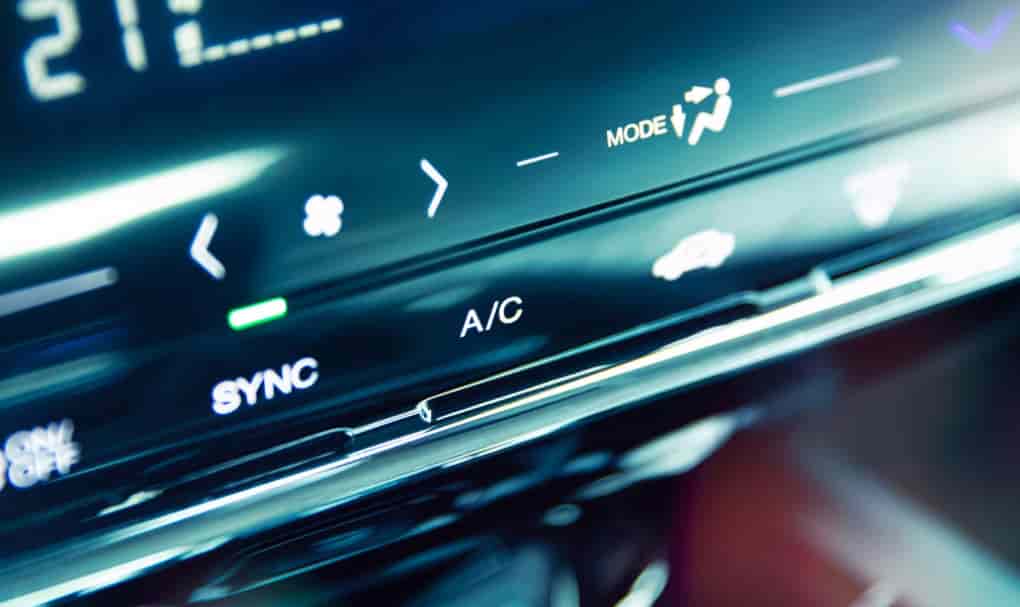
What Is the Chevy Equinox Climate Control System?
The climate control system in the Chevy Equinox helps maintain a comfortable temperature inside the vehicle. It controls cooling, heating, airflow, and air distribution. This system plays a key role in driving comfort, especially during extreme weather.
At its core, the system belongs to the HVAC group, which stands for heating, ventilation, and air conditioning. It combines several components that work together in real time.
The climate control module acts as the brain of the system. It receives input from the driver and sends signals to other components. The blend door actuator adjusts how much hot or cold air enters the cabin. Sensors measure cabin temperature and send feedback to the system. The AC compressor cools the air before it reaches the vents.
Each component depends on accurate electronic communication. When one part loses calibration, the system may stop working correctly. For example, the actuator may move to the wrong position. This can cause warm air to blow when you select cold air.
Modern Chevy Equinox models rely heavily on electronic controls instead of manual systems. This design improves comfort and precision. However, it also makes the system more sensitive to electrical issues.
Because of this, even a small glitch can affect the entire climate control system. That is why a reset often helps restore proper function. It allows the system to recalibrate and return to its correct settings.
Common Signs You Need to Reset Climate Control
Your Chevy Equinox climate control system usually shows clear warning signs when it stops working correctly. These symptoms often appear gradually, but sometimes they show up suddenly without any clear reason.
One of the most common signs is when the air conditioner blows warm air even though you set it to cold. This often confuses drivers because the system still appears to work normally.
Another frequent issue is when the heater does not respond. You may increase the temperature, but the air stays cold or only slightly warm. This usually indicates a calibration or communication problem inside the HVAC system.
Some drivers also notice inconsistent airflow. The air may only come out of one vent, even when you change the settings. In other cases, the airflow direction may stay stuck and refuse to switch between windshield, footwell, or face vents.
You might also hear clicking noises coming from behind the dashboard. This sound often comes from a blend door actuator trying to adjust but failing to reach the correct position.
In more advanced cases, the temperature settings on the display do not match the actual cabin temperature. You may set a specific temperature, but the system ignores the command or reacts slowly.
These symptoms usually point to a system glitch rather than a full mechanical failure. When they appear, a reset often helps restore normal operation by recalibrating the climate control system.
Main Causes of Climate Control Issues
The Chevy Equinox climate control system can stop working properly for several different reasons. Most of them are not serious mechanical failures. Instead, they often come from electrical or calibration problems inside the HVAC system.
One common cause is a weak or recently disconnected battery. When the battery loses power, the climate control module can reset incorrectly. After reconnection, the system may fail to recalibrate the actuator positions.
Another frequent issue comes from electronic glitches. The climate control system depends on signals between multiple components. If these signals interrupt or lag, the system may respond incorrectly or freeze certain functions.
A faulty blend door actuator also creates many problems. This small motor controls how air flows through the vents. When it wears out or loses position memory, it can send wrong airflow directions or produce clicking noises.
A blown fuse can also disable part of the HVAC system. When this happens, the AC, heater, or fan may stop working entirely or behave unpredictably. Checking the fuse box often reveals a simple and fast fix.
Software calibration errors also play a role in newer Chevy Equinox models. The system relies on programmed settings to control temperature and airflow. If the calibration becomes corrupted, the climate control may behave inconsistently until it is reset.
These causes often overlap and create similar symptoms. That is why a reset procedure usually becomes the first recommended step before attempting deeper repairs.
How to Reset Chevy Equinox Climate Control (Step-by-Step)
Resetting the Chevy Equinox climate control system is simple and often fixes common HVAC issues without any repair costs. You can follow a few different methods depending on the model and situation.
Method 1: Battery Disconnect Reset
This is the most common reset method. It helps clear stored errors and forces the system to recalibrate.
Turn off the engine completely. Remove the key or press the stop button if your model uses push start. Open the hood and locate the negative battery terminal. Disconnect it carefully and leave it unplugged for about 10 to 15 minutes. This allows the system to fully discharge and reset internal memory.
Reconnect the battery terminal securely. Start the engine and let it idle. Do not touch the climate controls immediately. Wait a few minutes so the system can relearn actuator positions and restore normal function.
Method 2: HVAC Relearn Without Battery Disconnect
This method works well for minor glitches and does not require removing power from the vehicle.
Turn the ignition to the ON position without starting the engine. Set the climate control system to OFF. Avoid pressing any buttons for at least 2 to 5 minutes. During this time, the system performs an automatic calibration process.
After waiting, turn the system back on and test all functions. Check airflow, temperature control, and vent direction to confirm proper operation.
Method 3: Fuse Reset Method
This method works when the issue is linked to electrical interruption.
Locate the fuse box, usually under the hood or dashboard. Identify the HVAC or climate control fuse using the diagram on the cover. Remove the fuse carefully and wait for a few minutes. Then reinstall it firmly in the same position.
Start the vehicle and test the system again. The reset often restores normal function if the issue came from a temporary electrical fault.
Method 4: Quick System Reset (No Tools Required)
Some Chevy Equinox models allow a soft reset through simple control behavior.
Turn the ignition ON. Set temperature to the lowest setting. Then switch it to the highest setting. Repeat this cycle a few times. This can trigger internal recalibration in some systems.
Reset Chevy Equinox Climate Control Without Disconnecting the Battery
In many cases, you do not need to disconnect the battery to reset the climate control system. This method works well when the issue comes from minor software glitches or temporary calibration errors.
This approach is also safer because it does not interrupt other electronic systems in the vehicle. It allows the HVAC system to relearn settings while keeping normal power supply active.
Start by turning the ignition to the ON position without starting the engine. Make sure all climate control settings are turned off before you begin. Do not press any buttons for a few minutes. This waiting period allows the system to enter a self calibration mode.
Next, observe the dashboard display and listen for small actuator movements. These sounds usually indicate that the system is adjusting internal airflow doors. During this time, avoid interacting with any climate control functions.
After waiting about three to five minutes, turn the system back on. Set the temperature to a mid range level and test each function one by one. Check cooling, heating, fan speed, and airflow direction to confirm everything responds correctly.
If the system still behaves incorrectly, repeat the process once more. In some cases, the HVAC module needs a second cycle to fully reset internal memory.
This method is useful when you want a quick fix without opening the hood or working with the battery. It is often the first step drivers try before moving to more advanced troubleshooting.
What to Do If Reset Does Not Work
Sometimes the climate control system in your Chevy Equinox does not return to normal after a reset. When this happens, the issue is usually deeper than a simple calibration error.
Start by checking the blend door actuator. This component controls airflow direction and temperature mixing. If it fails, the system may ignore your settings or produce clicking noises behind the dashboard. Replacing a faulty actuator often restores proper operation.
Next, inspect the HVAC fuse again. A partially damaged or weak fuse can still pass limited power but cause unstable behavior. Replace it if you see any sign of damage or discoloration.
You should also consider scanning the vehicle for diagnostic trouble codes. Many modern Chevy Equinox models store HVAC-related error codes that help identify the exact failing component. A basic OBD2 scanner can reveal these hidden issues.
If the system still does not respond correctly, the problem may involve the climate control module itself. This module acts as the control center of the HVAC system. When it fails, it can send incorrect signals to all connected components.
In some cases, software corruption inside the module requires professional reprogramming. This step usually needs specialized tools available at a dealership or repair shop.
At this stage, it is important to avoid repeated resets without diagnosis. Continuous resets will not fix hardware damage and may delay proper repair.
If all basic checks fail, visiting a qualified mechanic becomes the most reliable solution. This ensures the system is properly tested and repaired without unnecessary part replacement.
Cost of Fixing Climate Control Issues
The cost of repairing Chevy Equinox climate control problems can vary widely depending on the root cause. In many cases, drivers spend more money than necessary because they skip basic troubleshooting steps like a system reset.
If the issue is caused by a faulty blend door actuator, replacement usually costs between moderate to high range depending on labor rates. The part itself is not extremely expensive, but access inside the dashboard increases labor time, which raises the total cost.
A blown fuse is the cheapest problem to fix. In most cases, it only requires a simple replacement that costs very little. This is why checking the fuse should always be one of the first steps before assuming a major failure.
If the climate control module is damaged, repair costs become significantly higher. This component may need reprogramming or full replacement. Labor and programming fees can increase the total expense, especially at dealership service centers.
Diagnostic scanning also adds a small cost, but it is often worth it. It helps identify the exact problem instead of guessing and replacing parts unnecessarily.
When comparing reset versus repair, the difference is clear. A reset costs nothing and takes only a few minutes. Repairing hardware issues, on the other hand, can range from affordable fixes to expensive replacements depending on the severity of the failure.
Because of this, most technicians recommend starting with a reset before moving to deeper repairs. This simple step can often save both time and money.
Conclusion
The Chevy Equinox climate control system is designed to deliver consistent comfort, but small electronic or calibration issues can still cause it to malfunction. When problems appear, many drivers immediately think about expensive repairs. In reality, the cause is often much simpler than expected.
A system reset can resolve many common issues such as warm air blowing instead of cold, heater failure, or incorrect airflow direction. These problems usually come from temporary glitches, actuator misalignment, or lost calibration inside the HVAC system. Resetting the system allows it to relearn correct positions and restore normal operation.
This guide has shown multiple methods on how to reset Chevy Equinox climate control, including battery disconnect, HVAC relearn, fuse reset, and quick soft reset techniques. Each method works in different situations, and most of them require no special tools or technical experience.
However, if the reset does not solve the issue, the problem may involve a faulty actuator, damaged fuse, or climate control module failure. In that case, proper diagnosis becomes necessary to avoid unnecessary part replacement and wasted money.
Before visiting a repair shop, it is always recommended to try a reset first. This simple step often fixes the problem within minutes and helps you avoid unnecessary repair costs.
If your Chevy Equinox climate control is still not working after following these steps, the next best move is a professional inspection to identify the exact cause.