When the check engine light turns on in a Chevrolet Traverse, many drivers immediately feel worried. This warning comes from the onboard diagnostic system in the Chevrolet Traverse, and it signals that the engine or emissions system has detected an abnormal condition. The light itself does not explain the exact problem, which often creates confusion.
Modern vehicles use the OBD2 system to monitor engine performance in real time. This system can detect many types of issues, from small sensor errors to serious engine faults. However, most drivers do not understand Chevy Traverse Check Engine Light Codes, so they cannot identify what the vehicle is trying to report.
This lack of clarity often leads to two common mistakes. Some drivers ignore the warning because the car still runs normally. Others rush into repairs without knowing the real cause, which can lead to unnecessary costs.
In this guide, you will learn how these codes work and what they actually mean. You will also understand how to diagnose them step by step. The goal is to help you make clear and informed decisions before you go to a repair shop.
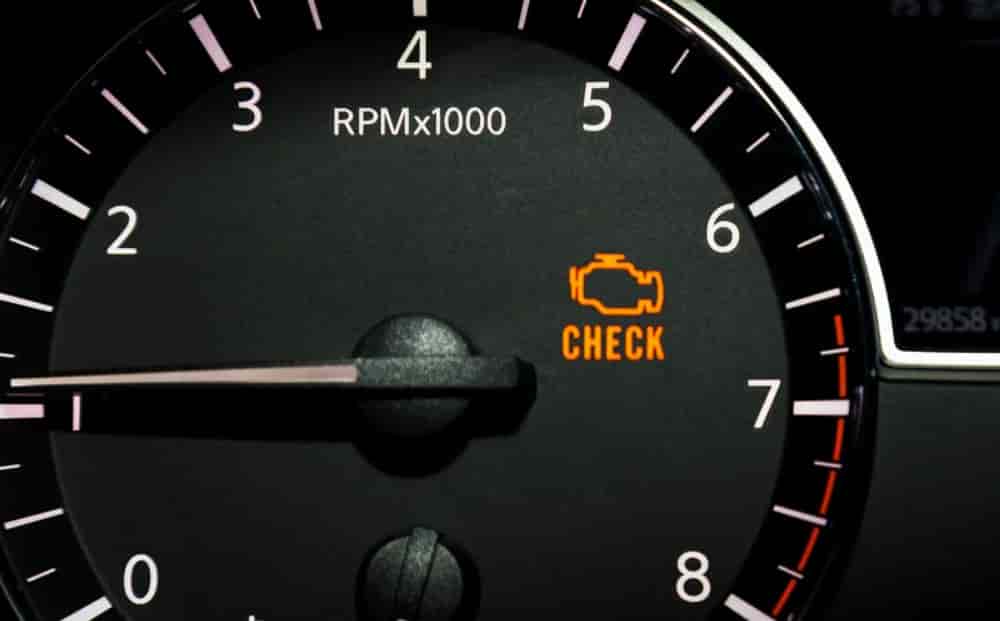
What the Check Engine Light Really Means in a Chevy Traverse
The check engine light in a Chevrolet Traverse is controlled by the engine computer, also known as the Engine Control Unit. This system constantly monitors how the vehicle performs in real time. It checks the engine, fuel system, and emissions components without stopping.
When the system detects a problem, it stores a diagnostic trouble code and turns on the warning light. This happens even if the car still drives normally. The goal is to alert the driver early before the issue becomes serious.
Each code follows the OBD2 standard. The code starts with a letter that shows the system involved. The letter P refers to the powertrain system, which includes the engine and transmission. Most Chevy Traverse Check Engine Light Codes fall into this category because they relate directly to engine performance.
The system does not only detect failures. It also identifies performance drops that are still within working range but not optimal. For example, a weak oxygen sensor may not stop the engine, but it will still trigger a warning.
This early detection system helps prevent major damage. It allows drivers to fix small issues before they turn into expensive repairs. However, understanding the meaning behind each code is important. Without proper knowledge, drivers may misinterpret the warning and take the wrong action.
How to Read Chevy Traverse Check Engine Light Codes Using an OBD2 Scanner
To understand Chevy Traverse Check Engine Light Codes, you need an OBD2 scanner. This tool connects to the diagnostic port under the dashboard of the Chevrolet Traverse. It reads data directly from the engine computer and shows stored error codes.
After you plug in the scanner, you turn on the ignition without starting the engine. The device then communicates with the vehicle’s system. Within a few seconds, it displays one or more diagnostic trouble codes.
Each code follows a clear structure. For example, a code like P0300 refers to engine misfires. A code like P0420 points to catalytic converter efficiency issues. These codes are not random. Each one represents a specific system problem.
It is important to understand that a single code does not always point to one faulty part. Instead, it gives you a starting point for diagnosis. The real issue may come from another component that affects the system.
Many modern scanners also show live data. This includes fuel trim, oxygen sensor readings, and engine temperature. This information helps you understand how the engine behaves while running.
Some users make the mistake of replacing parts immediately after reading a code. This often leads to wasted money because the root cause may not be the part shown in the code. A proper diagnosis always combines the code with system data and symptoms.
Using an OBD2 scanner correctly helps you move from guessing to understanding. It gives you a clearer picture of what is happening inside the engine system.
Most Common Chevy Traverse Check Engine Light Codes Explained
Several Chevy Traverse Check Engine Light Codes appear more often than others. These codes usually point to common engine and emissions problems in the Chevrolet Traverse. Understanding them helps you diagnose issues faster and avoid unnecessary repairs.
One of the most frequent codes is P0300. This code indicates random engine misfires. A misfire happens when one or more cylinders fail to burn fuel properly. Drivers may notice rough idling, weak acceleration, or higher fuel consumption. The cause often comes from worn spark plugs, failing ignition coils, or fuel delivery issues.
Another common code is P0420. This code refers to low catalytic converter efficiency. The system detects that exhaust gases are not being processed correctly. In some cases, the catalytic converter is failing. In other cases, the issue comes from oxygen sensors or small exhaust leaks.
The P0171 code means the engine is running too lean. This happens when there is too much air and not enough fuel in the combustion mix. A dirty mass airflow sensor or a vacuum leak often causes this condition. Drivers may feel hesitation during acceleration or unstable engine performance.
The P0455 code relates to the EVAP system. It usually means there is a large fuel vapor leak. A loose or damaged gas cap is a very common cause. Although this issue is not usually dangerous, it still triggers the check engine light.
The P0011 code points to camshaft timing problems. This affects how the engine controls valve timing. Low oil quality or timing system wear often leads to this issue. It can cause poor engine performance and reduced fuel efficiency.
Each of these codes represents a different system in the vehicle. When you understand them, you can quickly narrow down the source of the problem instead of guessing.
Main Causes Behind Chevy Traverse Check Engine Light Codes
Most Chevy Traverse Check Engine Light Codes come from a small group of engine systems. When one of these systems fails or performs poorly, the ECU in the Chevrolet Traverse quickly detects the change and stores a code. Understanding the main causes helps you diagnose problems faster and avoid unnecessary part replacements.
One of the most common causes is the ignition system. This includes spark plugs and ignition coils. When spark plugs wear out, they cannot ignite fuel properly. This leads to misfires and triggers codes like P0300. Ignition coils can also fail and cause unstable engine performance.
The fuel system is another major source of problems. Fuel injectors may become dirty or clogged over time. When this happens, the engine does not receive the correct fuel amount. This can create lean or rich fuel conditions and trigger codes such as P0171.
The oxygen sensor system also plays a key role. These sensors measure oxygen levels in the exhaust and help the engine adjust fuel delivery. When sensors become slow or fail, the engine receives incorrect data. This affects fuel efficiency and emissions performance.
The EVAP system is another frequent trigger point. It controls fuel vapor inside the tank and prevents leaks into the atmosphere. Even a small issue like a loose gas cap can trigger a warning code such as P0455. In some cases, cracked hoses or faulty valves also cause EVAP system errors.
Air intake issues can also affect engine performance. A dirty air filter or a failing mass airflow sensor can disrupt the air-fuel balance. When this balance is incorrect, the engine runs inefficiently and produces warning codes.
Most of these issues develop slowly over time. This is why regular maintenance plays an important role in preventing check engine light problems.
Symptoms You Should Never Ignore
When Chevy Traverse Check Engine Light Codes appear in the Chevrolet Traverse, the warning light alone does not tell the full story. The real condition of the vehicle often shows through clear driving symptoms. Paying attention to these signs helps you decide how urgent the problem is.
One of the most serious symptoms is engine misfire. You may feel the engine shaking or running unevenly. This usually happens when fuel does not burn correctly inside one or more cylinders. If this continues, it can damage other engine components over time.
Another common symptom is reduced engine power. The vehicle may feel slower during acceleration or struggle when climbing hills. This often indicates problems in the fuel system, ignition system, or air intake system. The engine cannot produce the correct power output when one of these systems fails.
Poor fuel efficiency is also a warning sign. If you notice that the vehicle uses more fuel than usual, the engine may not be running at the correct air-fuel ratio. This is often linked to oxygen sensor issues or fuel delivery problems.
Rough idling is another symptom that should not be ignored. The engine may vibrate or feel unstable when the vehicle is stopped. This usually points to misfires, vacuum leaks, or sensor malfunctions.
In some cases, drivers may also notice unusual smells. A fuel smell or strong exhaust odor can indicate leaks or incomplete combustion. These conditions can affect both performance and safety.
If these symptoms appear together with Chevy Traverse Check Engine Light Codes, the issue is usually more than a minor fault. Early diagnosis can prevent expensive repairs and further engine damage.
How to Fix Chevy Traverse Check Engine Light Codes
Fixing Chevy Traverse Check Engine Light Codes depends on the exact cause found in the Chevrolet Traverse. The key point is to avoid guessing and instead follow a clear diagnostic process. This helps you save time and prevent unnecessary repairs.
Some issues are simple and can be fixed quickly. For example, a loose or damaged gas cap often triggers EVAP related codes like P0455. In this case, tightening or replacing the gas cap can solve the problem. Another simple fix is replacing worn spark plugs when misfire codes appear. This can restore smooth engine performance and improve fuel efficiency.
Air intake issues can also be solved with basic maintenance. A dirty air filter or a contaminated mass airflow sensor can affect engine balance. Cleaning or replacing these parts often improves performance and clears related codes.
However, not all problems are simple. If the issue comes from oxygen sensors, ignition coils, or fuel injectors, more detailed diagnosis is needed. These parts require testing before replacement to confirm the real cause.
In some situations, drivers try to reset the engine light using an OBD2 scanner. This can temporarily turn off the warning light, but it does not fix the root problem. If the issue still exists, the code will return after the system runs its next diagnostic check.
Professional repair is needed when the problem involves timing systems, catalytic converters, or internal engine faults. These systems require special tools and technical knowledge. Incorrect repairs can lead to more serious damage.
The best approach is to combine code reading, symptom analysis, and system testing. This method ensures that you fix the real cause instead of only treating the warning light.
Repair Cost Breakdown for Chevy Traverse Check Engine Issues
The cost of fixing Chevy Traverse Check Engine Light Codes can vary widely depending on the root cause found in the Chevrolet Traverse. Some issues are inexpensive and quick to solve, while others require advanced repairs and higher labor costs. Understanding these differences helps you plan your budget more effectively.
Simple repairs are usually the cheapest. Replacing a gas cap is one of the most common low cost fixes, especially for EVAP related codes like P0455. Spark plug replacement is also relatively affordable and can resolve misfire issues such as P0300. These repairs are often considered routine maintenance.
Mid range repairs usually involve sensors or ignition components. Oxygen sensor replacement is a common example. These sensors play a key role in fuel efficiency and emissions control, so failure can trigger multiple codes. Ignition coil replacement also falls into this category and is often needed when misfires occur repeatedly.
Higher cost repairs involve more complex systems. Catalytic converter replacement is one of the most expensive fixes because both parts and labor are costly. Timing related issues, such as those linked to camshaft performance codes like P0011, can also increase repair costs significantly.
Labor rates also affect total cost. Prices can vary depending on location, vehicle age, and workshop type. Dealership repairs are usually more expensive than independent mechanics, but they may offer more advanced diagnostic tools.
The best way to control repair costs is early diagnosis. When you identify Chevy Traverse Check Engine Light Codes early, you often prevent small issues from turning into expensive failures.
Conclusion
Understanding Chevy Traverse Check Engine Light Codes gives you a major advantage as a vehicle owner. Instead of guessing what is wrong, you can interpret signals from the system in the Chevrolet Traverse and respond with clarity and confidence.
The check engine light is not always a sign of immediate danger. In many cases, it only indicates early-stage problems such as sensor issues, fuel system imbalance, or minor emissions faults. However, ignoring it for too long can lead to more serious damage and higher repair costs.
By learning how OBD2 codes work, you can quickly narrow down the source of the issue. You also understand when a problem is simple enough for basic maintenance and when it requires professional diagnosis. This balance helps you avoid unnecessary repairs and reduces long term ownership costs.
The key takeaway is consistency in monitoring and early action. When you respond to warning codes early, you protect the engine, improve performance, and extend the lifespan of your vehicle. This approach keeps your Chevrolet Traverse running more efficiently and reliably over time.
If you treat these codes as useful diagnostic information instead of random warnings, you gain better control over maintenance decisions. This is the most effective way to manage engine health and avoid unexpected breakdowns.