Chevy Cylinder Deactivation has become one of the most talked about engine technologies among truck and SUV owners, especially those driving powerful V8 models like the Silverado or Tahoe. At first glance, it sounds like the perfect solution. You get the power of a V8 engine when you need it and the fuel efficiency of a smaller engine when you do not. But if it is so effective, why are so many Chevy owners concerned about it?
The answer lies in the balance between innovation and long term reliability. Chevy Cylinder Deactivation, also known as Active Fuel Management, was designed to reduce fuel consumption and meet strict emission standards. Under light driving conditions, the system shuts down half of the engine cylinders, allowing the vehicle to run more efficiently without sacrificing performance when it matters.
However, beneath these benefits, there are growing reports of hidden issues that can lead to serious engine problems. From lifter failure to excessive oil consumption, many drivers have faced costly repairs that raise an important question. Is the fuel saving worth the potential risk?
In this guide, you will discover how Chevy Cylinder Deactivation works, what benefits it actually delivers, and the hidden problems that every owner should understand before it is too late.
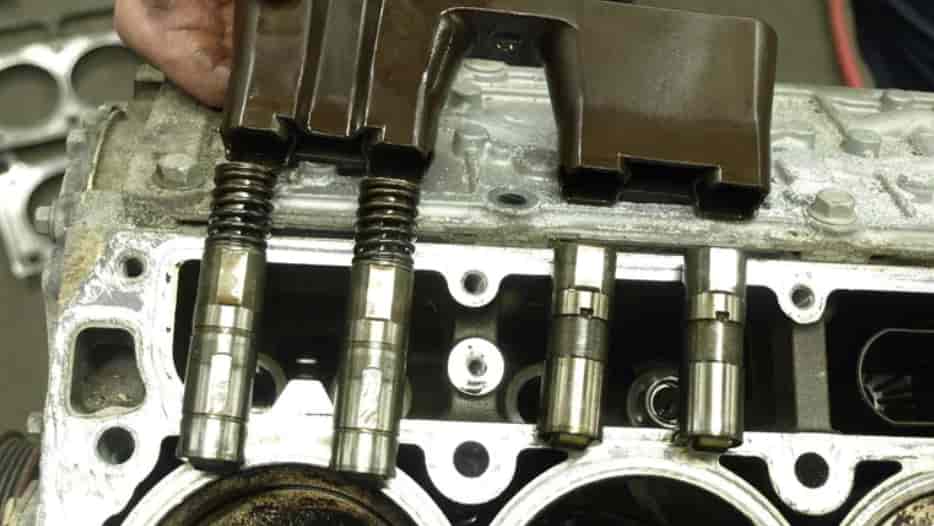
What Is Chevy Cylinder Deactivation?
Chevy Cylinder Deactivation, also known as Active Fuel Management or AFM, is a smart engine technology that improves fuel efficiency without reducing V8 power. Instead of running all eight cylinders constantly, the system shuts down four cylinders when full power is not needed.
The engine control unit manages this process in real time. When you drive at a steady speed or apply light throttle, the system switches the engine from V8 mode to V4 mode. This change happens smoothly, and most drivers do not even notice it.
The main goal of Chevy Cylinder Deactivation is simple. It helps reduce fuel consumption and lowers emissions. Large V8 engines typically burn more fuel, so this system allows Chevrolet to balance power and efficiency more effectively.
You will find this technology in several popular Chevy models. These include the Silverado, Tahoe, Suburban, and some Camaro versions. These vehicles deliver strong performance, especially for towing and hauling, but they also benefit from better fuel economy during daily driving.
Although the concept seems straightforward, the system itself is quite complex. It relies on specialized lifters, oil control solenoids, and precise timing. Each component must work perfectly together. This complexity plays a major role in both the benefits and the hidden issues that many owners eventually face.
How Chevy Cylinder Deactivation Works
Chevy Cylinder Deactivation works by temporarily shutting down half of the engine’s cylinders during low demand driving conditions. In a typical V8 engine, this means the system switches from using eight cylinders to just four when full power is not required.
The engine control unit constantly monitors your driving behavior. It analyzes speed, throttle input, engine load, and road conditions. When the system detects steady cruising or light acceleration, it activates cylinder deactivation. When you press the accelerator harder, it quickly returns the engine to full V8 mode.
The key components behind this process include special hydraulic lifters, oil control solenoids, and the engine’s computer system. The lifters play the most critical role. When activated, they collapse and stop opening the valves in selected cylinders. This prevents fuel and air from entering those cylinders, effectively shutting them down.
Oil pressure controls this entire operation. The system redirects oil through solenoids to engage or disengage the lifters. Because of this, precise oil flow and pressure are essential for smooth performance. Any disruption in this process can lead to serious mechanical issues.
The transition between V8 and V4 mode happens very quickly. Most drivers will not feel any noticeable change under normal conditions. However, in some cases, slight vibrations or changes in engine sound may occur, especially as the system ages.
This constant switching may seem harmless, but it adds stress to internal components over time. The repeated activation and deactivation cycles can wear down lifters and related parts. This is one of the main reasons why Chevy Cylinder Deactivation can become problematic in the long run.
Key Benefits of Chevy Cylinder Deactivation
Chevy Cylinder Deactivation offers several clear advantages, especially for drivers who want to balance power and fuel efficiency. The most obvious benefit is reduced fuel consumption. When the engine runs in V4 mode during light driving, it burns less fuel compared to operating in full V8 mode. This can make a noticeable difference over long highway trips.
Another important benefit is lower emissions. By using fewer cylinders when full power is not needed, the engine produces less exhaust output. This helps Chevrolet meet strict environmental regulations while still offering powerful engines in trucks and SUVs.
The system also improves overall driving efficiency. Drivers can enjoy strong acceleration and towing capability when needed, then switch to a more economical mode during steady cruising. This flexibility makes Chevy vehicles more practical for both daily commuting and heavy duty tasks.
In ideal conditions, the transition between V8 and V4 mode feels smooth and seamless. Many drivers do not notice when the system activates. This creates a refined driving experience while still delivering the benefits of a large engine.
Chevy Cylinder Deactivation also allows automakers to continue producing larger engines without sacrificing efficiency standards. Instead of downsizing engines, manufacturers can use this technology to meet fuel economy targets while maintaining performance.
Despite these advantages, the benefits often depend on driving habits and maintenance. Drivers who spend more time on highways tend to gain the most from this system. In contrast, frequent short trips in city traffic may limit its effectiveness and increase wear over time.
Hidden Issues and Common Problems
Chevy Cylinder Deactivation may improve fuel efficiency, but it also introduces several hidden issues that concern many owners. The most serious and widely reported problem involves lifter failure. The special lifters used in this system must constantly activate and deactivate. Over time, they can wear out or collapse, leading to engine misfires and rough operation.
Another common issue is excessive oil consumption. Many drivers notice that their engine begins to burn more oil than expected after extended use of the system. This problem often develops gradually, which makes it harder to detect early. If left unchecked, it can lead to further internal damage.
Engine misfires are another warning sign. When the system fails to properly activate or deactivate cylinders, the engine may run unevenly. This can trigger the check engine light and reduce overall performance. In some cases, drivers also report unusual ticking noises coming from the engine, which often points to failing lifters.
Long term reliability becomes a major concern as these issues progress. What starts as a minor performance problem can quickly turn into a costly repair. Replacing lifters or repairing internal engine damage can cost thousands of dollars, especially if the problem spreads to other components.
These hidden issues create a difficult trade off. While Chevy Cylinder Deactivation helps save fuel in the short term, it may increase maintenance costs in the long run. This is why many owners begin to question whether the system is truly worth it after experiencing these problems firsthand.
Why Chevy Cylinder Deactivation Fails
Chevy Cylinder Deactivation does not fail randomly. Several underlying factors increase the risk over time, and most of them relate to design complexity and operating conditions.
The system relies on many moving parts that must work in perfect sync. Specialized lifters, oil control solenoids, and precise timing all play critical roles. When one component starts to weaken, it can affect the entire system. This chain reaction often leads to more serious engine problems.
Oil pressure is another key factor. The system depends on stable oil flow to activate and deactivate cylinders correctly. If the oil pressure drops or becomes inconsistent, the lifters may not function as intended. Poor oil quality or delayed maintenance can make this issue worse.
Driving habits also have a strong impact. Short trips and stop and go traffic prevent the system from operating in stable conditions. The engine keeps switching between V8 and V4 modes more frequently. This constant cycling increases wear on internal components, especially the lifters.
Heat and engine load add further stress. Over time, repeated expansion and contraction of engine parts can reduce durability. Even small inconsistencies can grow into larger mechanical failures.
In many cases, the failure is not caused by a single defect. Instead, it results from a combination of design sensitivity, maintenance habits, and driving conditions. This is why some owners experience problems early, while others drive for years without major issues.
Should You Disable Chevy Cylinder Deactivation?
Many Chevy owners ask the same question after learning about potential issues. Should you disable Chevy Cylinder Deactivation or keep it active? The answer depends on your priorities, driving habits, and long term plans for the vehicle.
Disabling the system can reduce the risk of lifter failure and related engine damage. When the engine runs in full V8 mode at all times, it avoids the constant switching that puts stress on internal components. This can improve long term reliability, especially for drivers who plan to keep their vehicle for many years.
However, disabling Chevy Cylinder Deactivation comes with trade offs. The most obvious downside is increased fuel consumption. Without V4 mode, the engine burns more fuel during highway cruising and light driving. For some drivers, this added cost can become significant over time.
There are several ways to disable the system. Some drivers use an AFM delete kit, which involves mechanical modifications. Others choose ECU tuning or plug in devices that prevent the system from activating. Each option has different costs, risks, and levels of permanence.
Not every driver needs to disable the system. If you mostly drive on highways and maintain your vehicle properly, you may never experience serious issues. On the other hand, if you drive short distances in heavy traffic or want maximum engine durability, disabling the system may be a safer choice.
In the end, the decision comes down to balancing fuel savings against long term reliability. Understanding how you use your vehicle will help you make the right choice.
How to Prevent or Fix AFM Problems
Preventing problems with Chevy Cylinder Deactivation starts with consistent and proper maintenance. The system depends heavily on clean oil and stable pressure, so regular oil changes are essential. Using high quality engine oil that meets manufacturer specifications can significantly reduce the risk of lifter wear and internal damage.
Driving habits also play an important role. Longer trips at stable speeds allow the system to operate more smoothly and reduce constant switching between modes. In contrast, frequent short trips and stop and go traffic increase stress on the lifters and related components. Adjusting how you drive can help extend the life of the system.
If early symptoms appear, such as ticking noises, rough idle, or increased oil consumption, you should act quickly. Ignoring these signs can lead to more serious engine damage. In some cases, replacing faulty lifters early can prevent a full engine rebuild and save a significant amount of money.
Some owners choose to upgrade critical components. Improved lifters and performance parts can increase durability and reduce the likelihood of failure. However, this option requires professional installation and careful selection of parts.
Another common solution is disabling the AFM system. This can be done through ECU tuning or by installing a delete kit. While this approach removes the root cause of many issues, it also eliminates the fuel saving benefits. It is important to weigh both sides before making a decision.
In the end, early prevention and proactive maintenance offer the best protection. Understanding how the system works and responding to warning signs can help you avoid costly repairs and keep your engine running smoothly.
Conclusion
Chevy Cylinder Deactivation stands out as a smart solution that aims to balance power and fuel efficiency in modern V8 engines. By switching between V8 and V4 modes, the system helps reduce fuel consumption and emissions without removing the performance that many drivers expect from Chevy trucks and SUVs.
However, this technology comes with trade offs that every owner should understand. While the benefits are clear in ideal driving conditions, the hidden issues can become serious over time. Problems such as lifter failure, oil consumption, and engine misfires have led many drivers to question the long term reliability of Chevy Cylinder Deactivation.
The key is not to see the system as good or bad, but to understand how it fits your driving habits. If you maintain your vehicle properly and drive under stable conditions, you may enjoy the efficiency benefits without major issues. On the other hand, if you prioritize durability and plan to keep your vehicle for many years, you may consider alternative solutions such as disabling the system.
In the end, Chevy Cylinder Deactivation is a technology that requires awareness and informed decisions. Would you keep it for fuel savings, or disable it for peace of mind? The choice depends on what matters most to you.