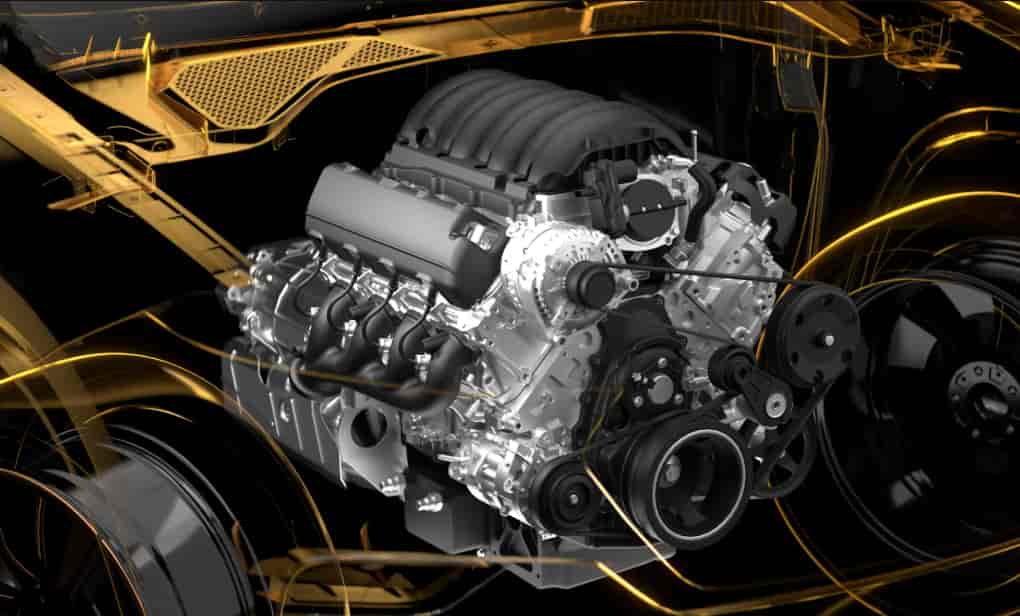
The GM 6.2L L87 Recall has quickly become one of the most discussed topics among truck and SUV owners in recent years, and for good reason. This powerful V8 engine, widely used across popular models like the Silverado, Tahoe, and Escalade, was originally praised for its strong performance, smooth power delivery, and towing capability. However, recent reports of engine issues and unexpected failures have raised serious concerns among drivers and potential buyers.
For many owners, the biggest fear is not just the inconvenience of a recall, but the possibility of sudden engine failure that could lead to costly repairs or even complete engine replacement. When an engine of this caliber shows signs of problems, it directly impacts trust, resale value, and long term ownership costs. This is especially worrying for those who rely on their vehicles daily for work, family, or travel.
Understanding the GM 6.2L L87 Recall is essential if you own or are considering buying a vehicle equipped with this engine. In this guide, you will discover the full list of affected vehicles, the root causes behind the issue, and the official fixes provided by GM. More importantly, you will learn how these problems might affect you and what actions you should take to protect your investment.
Whether you are a current owner looking for answers or a buyer trying to avoid a costly mistake, this article will give you a complete and clear picture of the situation.
FULL LIST OF AFFECTED VEHICLES
The GM 6.2L L87 Recall affects several full size trucks and SUVs. These vehicles are among the most popular in North America. That is why this issue has gained massive attention.
Many owners choose these models for power and towing. They expect strong performance and long term reliability. When engine problems appear, it creates serious concern.
Vehicles Equipped with the 6.2L L87 Engine
You can find the L87 engine in the following models:
- Chevrolet Silverado 1500
- GMC Sierra 1500
- Chevrolet Tahoe
- Chevrolet Suburban
- GMC Yukon and Yukon XL
- Cadillac Escalade
These vehicles often come in higher trims. Buyers usually pick them for premium performance and V8 power.
Not Every Vehicle Is Affected
Not every vehicle with the L87 engine has this issue. GM identifies affected units using VIN numbers. This means two identical models may have different recall status.
Many owners assume their vehicle is safe if no symptoms appear. This assumption can lead to serious risk. Engine problems often develop silently before failure.
Why VIN Check Is Critical
The most reliable way to confirm your status is a VIN check. You can visit the official GM website or contact a dealership. This step takes only a few minutes.
If your vehicle appears on the recall list, act quickly. Early inspection can prevent major damage. It can also save you from expensive repairs later.
For anyone owning these models, ignoring this step is a costly mistake. The GM 6.2L L87 Recall is not something you should overlook.
WHAT CAUSED THE GM 6.2L L87 RECALL?
The GM 6.2L L87 Recall originates from a combination of mechanical risks and potential manufacturing inconsistencies that affect engine reliability over time. Many owners first reported unusual engine behavior, which led to deeper investigation into the root causes behind these issues.
One major concern involves lubrication. The engine may fail to distribute oil evenly to critical components. When this happens, internal parts experience increased friction. Over time, this friction accelerates wear and can lead to severe internal damage. In extreme cases, the engine may fail without warning, creating serious safety and financial concerns.
Another contributing factor comes from defects in internal components such as lifters or bearings. Even a small defect can disrupt the balance of the engine. For example, a faulty lifter can affect valve timing and reduce performance. As stress builds inside the engine, the problem can spread to other components, making repairs more complex and expensive.
Manufacturing variation also plays a role in the GM 6.2L L87 Recall. Not all engines leave the factory with identical precision. Small inconsistencies during production can lead to long term reliability issues. This explains why some vehicles operate normally while others develop problems early.
These issues are serious because they can lead to engine knocking, power loss, or sudden failure. For many owners, this turns a high performance V8 into a potential financial risk.
SYMPTOMS AND WARNING SIGNS
The GM 6.2L L87 Recall has raised concern not only because of the root causes but also due to the warning signs that often appear before serious failure. Recognizing these symptoms early can help owners avoid costly damage and unexpected breakdowns.
One of the most common signs is unusual engine noise. Drivers may hear ticking, knocking, or metallic sounds coming from the engine bay. These noises often indicate internal wear or improper lubrication. In many cases, the sound becomes more noticeable during acceleration or when the engine is under load.
Another warning sign is a sudden loss of power. The vehicle may feel weaker than usual or struggle to accelerate smoothly. This can happen when internal components fail to function correctly, which reduces overall engine efficiency. Some drivers also report rough idling or vibration, especially at low speeds.
The check engine light is another important indicator. While it may seem minor at first, it often signals deeper mechanical issues. Ignoring this warning can allow the problem to worsen over time.
In more severe cases, the engine may stall or shut down unexpectedly. This is one of the most dangerous situations, as it can occur while driving and create serious safety risks.
These symptoms should never be ignored. The GM 6.2L L87 Recall highlights how small warning signs can quickly develop into major engine failure if left unchecked.
GM’S OFFICIAL FIX AND REPAIR PROCESS
The GM 6.2L L87 Recall includes a structured repair process designed to identify and resolve engine related issues before they lead to failure. GM instructs owners to bring their vehicles to authorized dealerships for inspection. Technicians perform a detailed diagnostic to detect abnormal wear, lubrication problems, or faulty components.
In many cases, the repair process starts with an engine inspection and oil system evaluation. If technicians find signs of internal damage, they may replace affected parts such as lifters, bearings, or other critical components. In more severe situations, the dealership may recommend a full engine replacement to ensure long term reliability.
GM typically covers the cost of these repairs if the vehicle qualifies under the recall program. This reduces the financial burden for owners, especially considering the high cost of V8 engine repairs. However, repair time can vary depending on parts availability and the severity of the issue. Some owners may need to wait several days or longer to complete the process.
Another important aspect of the GM 6.2L L87 Recall is software updates or recalibration in certain cases. These updates help optimize engine performance and reduce the risk of further issues. While software alone does not fix mechanical defects, it can improve how the engine operates after repairs.
Overall, the repair process aims to restore performance and prevent future failure. For owners, acting early and scheduling a dealership visit is the best way to minimize risk and ensure the engine remains reliable.
COSTS, WARRANTY, AND OWNER IMPACT
The GM 6.2L L87 Recall creates serious financial and emotional concerns for many vehicle owners. While GM may cover repair costs under the recall program, the situation becomes more complicated if the vehicle falls outside warranty coverage.
Repairing a 6.2L V8 engine can be extremely expensive. Minor fixes such as replacing lifters or internal components may still cost a significant amount. In more severe cases, a full engine replacement can cost thousands of dollars. This is a major concern for owners who depend on their vehicles for daily use or work.
Warranty coverage plays a critical role in reducing this burden. If the vehicle qualifies under the recall, GM typically handles the repair at no cost. However, delays in diagnosis or missed recall notices can lead to situations where damage worsens over time. This increases the risk of out of pocket expenses.
Beyond repair costs, the GM 6.2L L87 Recall also affects vehicle value and owner confidence. Many buyers become hesitant when they hear about engine issues. This can reduce resale value and make it harder to sell the vehicle in the future.
Owners also face indirect costs such as downtime and inconvenience. Being without a vehicle for several days can disrupt work schedules and daily routines. For some, this adds frustration on top of financial stress.
Understanding these impacts helps owners make better decisions. Acting early and addressing the recall can prevent larger expenses and protect long term vehicle value.
HOW TO CHECK IF YOUR VEHICLE IS AFFECTED
If you own a vehicle equipped with this engine, checking your status in the GM 6.2L L87 Recall should be your top priority. Many owners delay this step because their vehicle still runs normally. This can be a costly mistake, as engine issues often develop before clear symptoms appear.
The most accurate way to verify your vehicle is through a VIN check. The VIN is a unique identification number assigned to every vehicle. GM uses this number to determine which units are included in the recall. You can enter your VIN on the official GM website or use trusted recall lookup tools. The process takes only a few minutes and provides a clear answer.
Another option is to contact an authorized GM dealership. Service advisors can quickly check your VIN and confirm whether your vehicle qualifies. They can also guide you through the next steps if your vehicle is affected. This includes scheduling an inspection and explaining the repair process.
It is important not to rely on assumptions. Owning a model listed under the recall does not guarantee your vehicle is included, but it also does not mean you are safe. The GM 6.2L L87 Recall targets specific production units, which makes verification essential.
Taking action early helps you avoid unexpected engine failure and high repair costs. A simple VIN check can protect both your vehicle and your finances.
SHOULD YOU WORRY ABOUT THE L87 ENGINE?
The GM 6.2L L87 Recall has created understandable concern among owners, but the level of risk depends on several factors. Not every engine experiences problems, and many vehicles continue to operate without any issues. However, ignoring the situation is not a smart approach, especially when the potential consequences involve major engine failure.
For vehicles included in the recall, the risk becomes more serious if the issue is not addressed early. Engine problems related to lubrication or internal components can worsen over time. What starts as a minor defect can quickly turn into a complete breakdown. This is why early inspection and repair play a critical role in preventing long term damage.
On the other hand, vehicles that have already undergone inspection and repair may offer improved reliability. Once faulty components are replaced and systems are checked, the engine can return to stable performance. However, some buyers and owners still remain cautious due to the history of the issue.
From a practical perspective, concern should lead to action rather than panic. The GM 6.2L L87 Recall serves as a warning, not a guarantee of failure. Owners who take proactive steps such as checking their VIN and completing repairs can significantly reduce risk.
For potential buyers, the situation requires careful evaluation. A vehicle with a completed recall and proper documentation may still be a good option. However, skipping verification or ignoring recall history can lead to costly mistakes.
CONCLUSION
The GM 6.2L L87 Recall highlights a significant issue affecting one of GM’s most widely used V8 engines. Throughout this article, we explored the full list of affected vehicles, the technical causes behind the problem, the warning signs drivers may notice, and the official repair process provided by GM. Each part of this situation shows that the issue is not just isolated but relevant to a large number of truck and SUV owners.
What stands out most is the importance of early awareness. Many engine problems begin with small symptoms that are easy to ignore. However, when it comes to the L87 engine, delayed action can lead to severe damage and high repair costs. This makes routine checks and VIN verification essential steps for every owner.
GM’s recall process aims to reduce risk by inspecting and repairing affected engines before failure occurs. While this provides some reassurance, it also shows how serious the issue can become if left unaddressed. Owners who act early are in a much better position to protect both performance and long term value.
Ultimately, the GM 6.2L L87 Recall is not just a technical notice but a reminder about vehicle maintenance and risk management. If you own or plan to buy a vehicle with this engine, staying informed and proactive is the best way to avoid unexpected problems. Checking your VIN and following official guidance can make a significant difference in safety, reliability, and ownership cost.