When investing in a heavy duty truck, reliability is not just a preference, it is a necessity. The GM 6.6L L8T gasoline engine has gained popularity for its simplicity and strong performance, especially in work trucks like the Silverado HD and Sierra HD. However, many owners and potential buyers are increasingly searching for one critical topic: L8T engine problems.
The concern is understandable. Engine issues can lead to unexpected downtime, expensive repairs, and long term frustration, particularly for those who rely on their trucks for towing, hauling, or daily work. While the L8T engine is often praised for its durability compared to more complex turbocharged or diesel alternatives, it is not completely free from mechanical weaknesses.
This guide provides a complete and structured breakdown of L8T engine problems, including the most common issues, their root causes, and proven fixes. You will also learn how these problems develop over time and what you can do to prevent costly failures. Whether you already own a truck with this engine or are considering buying one, understanding these details will help you make smarter decisions and avoid unpleasant surprises.
By the end of this article, you will not only recognize the warning signs early but also gain practical strategies to extend the lifespan and reliability of your L8T engine.
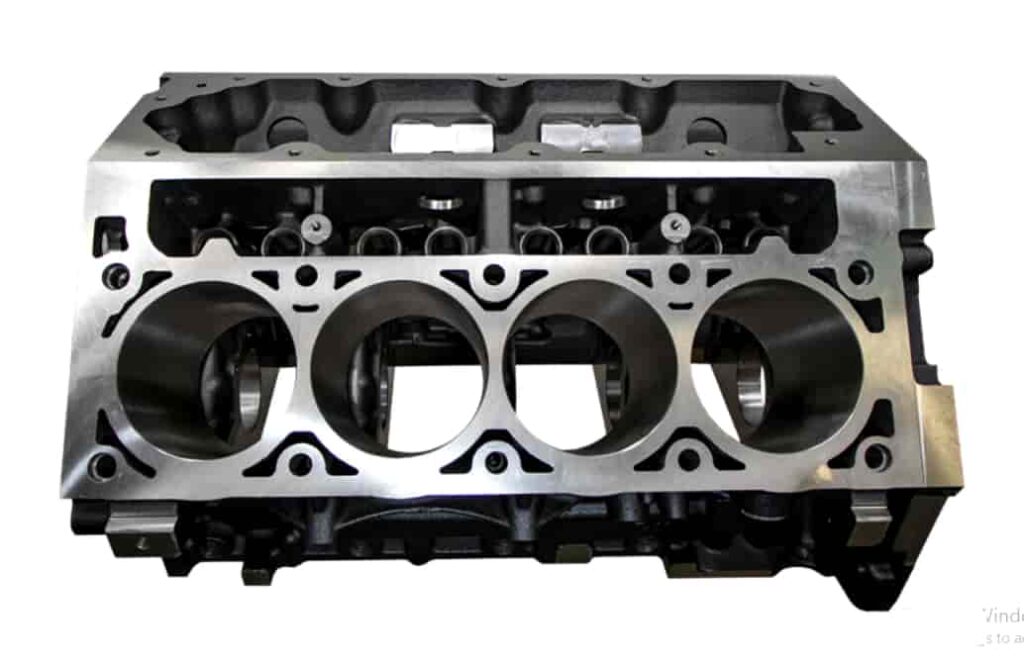
What Is the L8T Engine
General Motors developed the L8T engine as a 6.6 liter V8 gasoline engine for heavy duty trucks. It powers models like the Chevrolet Silverado HD and GMC Sierra HD. Instead of focusing on complexity, this engine prioritizes durability and consistent performance.
The L8T delivers strong horsepower and torque. It handles towing and hauling tasks with ease. Engineers paired it with a heavy duty transmission to support demanding workloads. Its pushrod design keeps the structure simple and easier to maintain than modern turbocharged systems.
Another important feature is the port fuel injection system. This setup reduces carbon buildup and improves long term reliability. Many truck owners prefer this design because it lowers maintenance risks over time.
However, simplicity comes with trade offs. The engine can face stress under heavy loads or frequent towing. Over time, this stress may lead to wear in key components. Some L8T engine problems start to appear after extended use in demanding conditions.
Understanding how the L8T engine works helps you identify issues early. It also explains why certain problems occur more often in real world usage.
Most Common L8T Engine Problems
Although the L8T engine is known for durability, it still develops several common issues over time. Most of these problems do not appear immediately. They often show up after consistent heavy use, especially in towing or high load conditions. Understanding these issues early helps you avoid serious damage and high repair costs.
Lifter Noise and Valve Train Issues
Many owners report ticking or tapping sounds from the top of the engine. This noise often comes from the valve train, especially the lifters. In most cases, insufficient lubrication or gradual wear causes the problem.
You may notice the sound during cold starts or under light acceleration. If ignored, worn lifters can affect engine performance and lead to more serious damage.
To fix this issue, you should check oil quality and change it regularly. Using the correct oil type also helps reduce wear. In more severe cases, replacing lifters becomes necessary.
Excessive Oil Consumption
Excessive oil consumption is another concern that some L8T owners experience. The engine may burn more oil than expected between service intervals. This issue often relates to piston rings or the PCV system.
Drivers usually notice low oil levels or the need for frequent top ups. If the problem continues, it can reduce engine efficiency and increase long term wear.
Regular oil checks help detect this issue early. Fixing it may involve replacing worn components or updating the PCV system.
Fuel System Inefficiency
Some drivers report poor fuel economy compared to expectations. While the L8T engine is not designed for maximum efficiency, certain issues can make consumption worse.
Dirty fuel injectors or inconsistent fuel delivery often cause this problem. Driving habits and heavy loads also contribute to higher fuel usage.
Cleaning the fuel system and maintaining proper driving patterns can improve efficiency. Regular maintenance plays a key role in preventing this issue.
Engine Ticking Noise
A ticking noise does not always indicate a serious problem. In some cases, it is normal for this type of engine. However, persistent or loud ticking may signal internal wear.
The sound may come from injectors, lifters, or other moving parts. Identifying the source is important before taking action.
If the noise becomes louder over time, you should inspect the engine. Early diagnosis helps prevent more expensive repairs.
Root Causes Behind L8T Engine Problems
Understanding the root causes of L8T engine problems helps you prevent costly damage and extend engine life. Most issues do not come from a single failure. Instead, they develop from a mix of design limits, wear over time, and real world driving conditions.
The L8T engine uses a pushrod design that focuses on durability and simplicity. This design works well under heavy loads, but it also creates more mechanical stress on internal components. Over time, parts such as lifters and valve train components can wear faster, especially under constant towing or hauling.
Material wear also plays a major role. Heat, pressure, and friction affect engine parts every time you drive. As mileage increases, small issues begin to appear. You may notice ticking noises, higher oil consumption, or reduced efficiency. These early signs often indicate deeper internal wear.
Maintenance habits directly impact engine performance. Skipping oil changes or using low quality oil reduces lubrication and increases friction. This accelerates component wear and leads to more serious problems. Regular inspections help detect issues before they become expensive repairs.
Driving conditions further influence engine health. Heavy towing, long hours of operation, and high temperatures all increase stress on the engine. Drivers who push their trucks harder often experience L8T engine problems earlier than expected.
Cost of Repairing L8T Engine Problems
Repair costs are one of the biggest concerns for truck owners. L8T engine problems may seem minor at first, but they can quickly turn into expensive repairs if you ignore early warning signs. Understanding these costs helps you plan ahead and avoid unexpected financial pressure.
Minor issues such as ticking noise or fuel inefficiency usually cost less to fix. You may only need an oil change, injector cleaning, or basic inspection. These services often range from low to moderate cost and help restore normal engine performance.
More serious problems can become expensive very quickly. Lifter failure or valve train damage often requires part replacement and labor intensive work. These repairs can cost significantly more, especially if the issue affects multiple components. Excessive oil consumption may also lead to internal engine repairs if piston rings or seals wear out.
In worst case scenarios, major engine damage may require a full rebuild or replacement. This is where costs rise sharply and can reach several thousand dollars. Many owners face this situation because they ignored early symptoms or delayed maintenance.
The key to saving money lies in early detection and consistent care. Regular maintenance costs far less than major repairs. By addressing small L8T engine problems early, you reduce the risk of severe damage and protect your long term investment.
How to Fix and Prevent L8T Engine Problems
Fixing L8T engine problems is important, but preventing them is even more valuable. With the right approach, you can reduce wear, avoid major failures, and keep your engine running smoothly for years.
Start with regular oil maintenance. Always use high quality oil that meets manufacturer specifications. Change the oil at recommended intervals or sooner if you drive under heavy load. Clean oil reduces friction and protects critical components such as lifters and piston rings.
Pay attention to early warning signs. Unusual noises, increased oil consumption, or reduced performance often indicate developing issues. Do not ignore these signals. A quick inspection can prevent a small problem from becoming a costly repair.
Keep the fuel system clean and efficient. Use quality fuel and consider periodic injector cleaning. This helps maintain proper combustion and improves engine performance. It also reduces strain on internal components.
Driving habits also play a key role. Avoid excessive idling and reduce unnecessary heavy loads when possible. If you tow frequently, monitor engine temperature and allow proper cooling time. These habits lower stress and extend engine life.
Routine inspections should become part of your schedule. Check fluid levels, cooling systems, and visible components regularly. Consistent care helps you detect issues early and maintain long term reliability.
By combining proper maintenance and smart driving, you can significantly reduce the risk of L8T engine problems and avoid unexpected expenses.
L8T Engine Reliability: Is It a Good Engine
The L8T engine delivers strong reliability for drivers who need consistent power and durability. General Motors designed this engine for heavy duty use, so it performs well under towing and hauling conditions. Many owners appreciate its simple structure, which reduces the risk of complex failures.
Compared to modern turbocharged engines, the L8T uses a more traditional design. This approach improves long term durability and makes maintenance easier. The port fuel injection system also helps reduce carbon buildup, which often affects direct injection engines. These factors give the L8T an advantage in long term ownership.
However, reliability depends heavily on how you use and maintain the engine. Drivers who follow proper maintenance schedules often experience fewer issues. In contrast, those who push the engine under constant heavy load without proper care may encounter problems sooner. Most L8T engine problems appear gradually rather than suddenly.
When compared to alternatives like the 6.2 liter V8 or diesel engines, the L8T stands out for simplicity and lower maintenance risk. It may not offer the best fuel efficiency, but it provides stable performance and predictable behavior over time.
Overall, the L8T engine is a solid choice for users who value durability and straightforward maintenance. If you understand its limitations and take care of it properly, you can avoid most common L8T engine problems and enjoy reliable performance for many years.
Real World Owner Experiences
Real world feedback provides valuable insight into L8T engine problems. Many owners report that the engine performs reliably in daily use, especially for towing and heavy duty work. They often highlight its strong power delivery and simple design as major advantages.
However, some users begin to notice minor issues after extended mileage. Ticking noises, slight oil consumption, and reduced fuel efficiency are among the most common concerns. These problems usually develop gradually rather than appearing suddenly. This pattern suggests that wear over time plays a key role.
Owners who follow strict maintenance routines tend to report fewer problems. Regular oil changes, proper fuel use, and early inspections help keep the engine in good condition. In contrast, drivers who delay maintenance often experience more serious L8T engine problems later.
Another common observation relates to driving conditions. Trucks used for constant towing or heavy loads show signs of wear earlier. Heat and stress from demanding tasks can accelerate component degradation. This explains why usage patterns strongly influence reliability.
Despite these concerns, many owners still consider the L8T engine dependable. They value its durability and lower complexity compared to other engine options. Most agree that with proper care, the engine can deliver long term performance without major failures.
Conclusion
L8T engine problems may raise concerns for many truck owners, but they are not necessarily a deal breaker. Like any heavy duty engine, the L8T develops issues over time, especially under demanding conditions. The key lies in understanding these problems early and taking the right steps to manage them.
Throughout this guide, you have seen that most L8T engine problems come from wear, maintenance habits, and usage patterns. Issues such as lifter noise, oil consumption, and fuel inefficiency often start small. If you address them early, you can avoid major repairs and reduce long term costs.
The L8T engine still stands out for its durability, simple design, and consistent performance. It may not be the most advanced engine on the market, but it offers reliability that many truck owners value. With proper maintenance and smart driving habits, you can extend its lifespan and maintain strong performance over time.
If you are considering buying a truck with this engine, the best approach is to stay informed and proactive. If you already own one, regular care and early diagnosis will help you avoid most common issues.
Have you experienced any L8T engine problems yourself? Share your thoughts and experiences to help others make better decisions.