Why do so many drivers experience LC9 engine problems even when they follow regular maintenance schedules and use high quality oil? This question has become increasingly common among owners of vehicles equipped with the GM 5.3L V8 LC9 engine. At first glance, the LC9 engine appears to be a reliable and efficient powertrain, especially with its Active Fuel Management system designed to improve fuel economy. However, beneath this efficiency lies a set of recurring issues that can lead to serious mechanical failures if left unaddressed.
LC9 engine problems are not always obvious in the early stages. Many drivers only notice something is wrong when symptoms like excessive oil consumption, engine misfires, or ticking noises begin to appear. By that point, repair costs can quickly escalate into thousands of dollars, turning what seemed like a dependable engine into a financial burden.
This complete guide will help you understand LC9 engine problems from the ground up. You will learn the real causes behind these issues, how to identify the warning symptoms early, and most importantly, the proven fixes that can save you both time and money. Whether you already own a vehicle with this engine or are considering buying one, this guide will give you the clarity you need to make smarter decisions.
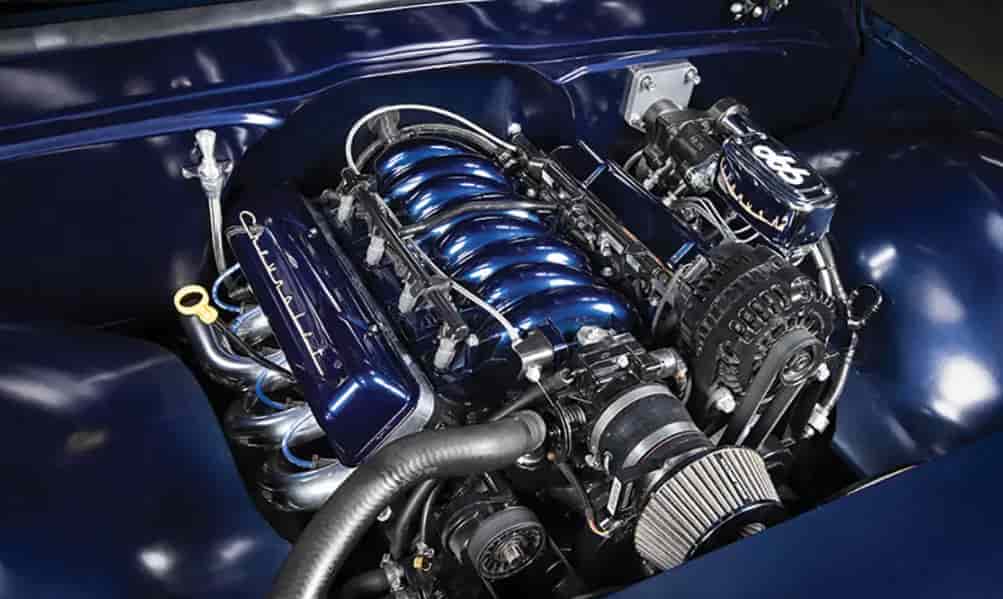
What Is the LC9 Engine and Why Does It Matter
The LC9 engine belongs to General Motors’ Vortec 5300 family, a series of 5.3 liter V8 engines used in trucks and SUVs like the Chevrolet Silverado, Tahoe, and Suburban. It delivers strong performance and decent fuel efficiency, which makes it a popular choice for daily driving and heavy duty tasks.
A key feature of the LC9 engine is the Active Fuel Management system. This system switches between eight cylinders and four cylinders depending on driving conditions. It helps reduce fuel consumption during light loads such as highway cruising. However, this system also adds complexity and plays a major role in many LC9 engine problems.
Most LC9 engine problems come from how the engine operates, not random failure. For example, the same system that improves fuel efficiency can also lead to lifter failure and excessive oil consumption over time. These issues often develop gradually, which makes them harder to detect early.
Driving conditions also affect reliability. Many LC9 engines power heavy vehicles that handle towing, hauling, or long trips. These demands increase wear on internal components and make existing weaknesses more noticeable.
Understanding how the LC9 engine works helps you see why these problems happen. It also makes it easier to spot early warning signs and choose the right solution before repair costs become too high.
Most Common LC9 Engine Problems
Excessive Oil Consumption
Excessive oil consumption is one of the most reported LC9 engine problems. Many owners notice that oil levels drop quickly even after regular oil changes. This issue often starts subtly but becomes serious if ignored.
The main cause comes from piston ring design and the behavior of the Active Fuel Management system. When the engine switches modes, oil control becomes less stable. Over time, oil can slip past the piston rings and enter the combustion chamber.
Common symptoms include low oil levels between service intervals, blue smoke from the exhaust, and a burning oil smell. Some drivers also experience reduced engine performance.
To fix this issue, you need both short term and long term solutions. Regularly checking oil levels helps prevent damage. Installing an oil catch can can reduce oil entering the intake system. For a permanent fix, many owners choose to disable the AFM system.
AFM Failure
AFM failure is another major source of LC9 engine problems. While the system improves fuel efficiency, it also increases mechanical stress on key components.
The most common cause is lifter collapse. The AFM system relies on special lifters that activate and deactivate cylinders. These lifters can fail due to oil pressure issues or internal wear.
When AFM fails, the engine often shows clear warning signs. Drivers may notice misfires, rough idle, or unusual ticking sounds. In some cases, the check engine light appears with cylinder deactivation errors.
Fixing AFM issues usually requires replacing the affected lifters. This repair can be expensive and time consuming. Because of this, many owners choose to install an AFM delete kit to remove the system entirely and prevent future failures.
Lifter Failure
Lifter failure is one of the most serious LC9 engine problems. It often connects directly to AFM issues but can also occur on its own over time.
This problem develops when the lifters wear out or fail to maintain proper movement. Once a lifter collapses, it affects valve timing and engine performance.
The most noticeable symptom is a loud ticking noise from the engine. Drivers may also feel a loss of power, rough acceleration, or engine vibration. If left untreated, this issue can damage the camshaft and lead to costly repairs.
The best solution is to replace all lifters, not just the failed one. Mechanics often recommend inspecting or replacing the camshaft at the same time. This approach prevents repeat failures and ensures long term reliability.
Spark Plug Fouling
Spark plug fouling is another issue linked to LC9 engine problems, especially in engines that already suffer from oil consumption. When excess oil enters the combustion chamber, it coats the spark plugs and reduces their ability to ignite the air fuel mixture efficiently.
This problem often leads to misfires, rough idle, and reduced fuel efficiency. Some drivers may also notice slow acceleration or difficulty starting the engine. These symptoms can appear gradually, which makes them easy to overlook at first.
The most effective fix is to replace the fouled spark plugs and address the root cause. If oil consumption continues, the new spark plugs will fail again. Regular inspection and early intervention help prevent repeated issues and keep the engine running smoothly.
Symptoms of LC9 Engine Problems
Recognizing early symptoms can help you avoid costly repairs. Many LC9 engine problems share similar warning signs, so paying attention to small changes in performance is critical.
One common sign is the check engine light. While it may seem minor, it often signals deeper issues such as misfires or AFM malfunction. Ignoring this warning can lead to more serious damage.
Engine knocking or ticking noises are also important indicators. These sounds often point to lifter issues or internal wear. If the noise becomes louder over time, the problem may already be severe.
Rough idle and unstable performance are other clear symptoms. The engine may feel shaky when stopped or struggle to maintain consistent power. This can affect both driving comfort and fuel efficiency.
Another warning sign is poor fuel economy. If the engine consumes more fuel than usual, it may not be operating efficiently. This often connects to AFM problems or combustion issues.
A burning oil smell or visible smoke from the exhaust is a strong indicator of oil consumption. This symptom should never be ignored, as it can lead to engine damage if left untreated.
Understanding these symptoms helps you act early. The sooner you identify LC9 engine problems, the easier and cheaper they are to fix.
Proven Fixes for LC9 Engine Problems
Fixing LC9 engine problems requires a clear approach based on the root cause. Simple fixes can reduce symptoms, but long term reliability depends on addressing the core issues.
One of the most effective solutions is disabling the Active Fuel Management system. Many owners choose an AFM delete kit to remove the source of lifter failure and oil instability. This upgrade improves reliability but may reduce fuel efficiency slightly.
Regular oil monitoring is also critical. Checking oil levels frequently helps prevent internal damage caused by low lubrication. Using high quality engine oil further protects internal components and slows wear.
Installing an oil catch can is another practical upgrade. It reduces the amount of oil entering the intake system and helps keep combustion cleaner. This solution works well for engines with early signs of oil consumption.
Upgrading or replacing lifters with higher quality components can also improve durability. When combined with proper maintenance, this reduces the risk of repeated failures.
Cost of Fixing LC9 Engine Problems
Repair costs are one of the biggest concerns for owners dealing with LC9 engine problems. The total cost depends on the severity of the issue and the chosen solution.
Replacing lifters typically costs between 1,500 and 3,500 dollars. The price varies based on labor and whether additional components need replacement.
An AFM delete kit usually costs between 800 and 2,000 dollars, including parts and installation. While this may seem expensive, it often prevents more costly repairs in the future.
If the engine suffers severe damage, a full rebuild can exceed 4,000 dollars. In extreme cases, replacing the engine may become the only option, which increases costs even further.
Understanding these costs highlights the importance of early diagnosis. Fixing small problems early is always cheaper than waiting for major failure.
How to Prevent LC9 Engine Problems
Preventing LC9 engine problems is possible with consistent maintenance and smart upgrades. Small actions can significantly extend engine life.
Changing engine oil at shorter intervals helps maintain proper lubrication and reduces internal wear. This is especially important for engines with AFM systems.
Avoiding long idle periods can also reduce stress on engine components. Frequent idling affects oil pressure and contributes to uneven wear.
Monitoring oil consumption is essential. If oil levels drop faster than expected, early action can prevent serious damage.
Many experienced owners choose to disable AFM early. This proactive step removes a major source of failure and improves long term reliability.
Conclusion
LC9 engine problems are not random or unpredictable. They come from specific design choices, especially the Active Fuel Management system and its impact on internal components. While the LC9 engine offers strong performance and efficiency, these benefits come with known risks that every owner should understand.
The most common issues include excessive oil consumption, AFM failure, and lifter damage. These problems often develop gradually, but they can lead to expensive repairs if ignored. Recognizing early symptoms and applying proven fixes can save thousands of dollars and prevent major engine failure.
If you already own a vehicle with this engine, staying proactive is the best strategy. Regular maintenance, careful monitoring, and the right upgrades can significantly improve reliability. If you are considering buying one, understanding LC9 engine problems gives you a clear advantage and helps you make a smarter decision.