Is your L84 engine making strange ticking noises or losing power without warning? Many truck owners face this exact problem. These issues often appear suddenly and create serious concern. Worse, repair costs can quickly rise into the thousands if you ignore early signs.
The L84 engine is a 5.3L V8 built by General Motors. It powers popular trucks like the Chevrolet Silverado 1500 and GMC Sierra 1500. This engine delivers strong performance and solid fuel efficiency. It uses advanced systems like Dynamic Fuel Management to improve efficiency. However, this added complexity also increases the risk of failure over time.
Many drivers do not recognize the early symptoms. They continue driving until the problem becomes severe. At that point, repairs become expensive and harder to manage.
In this guide, you will learn everything about L84 Engine Problems. We will break down the most common issues, their root causes, and the warning signs you should never ignore. You will also discover practical fixes and real repair costs. This knowledge helps you protect your engine and avoid unnecessary expenses.
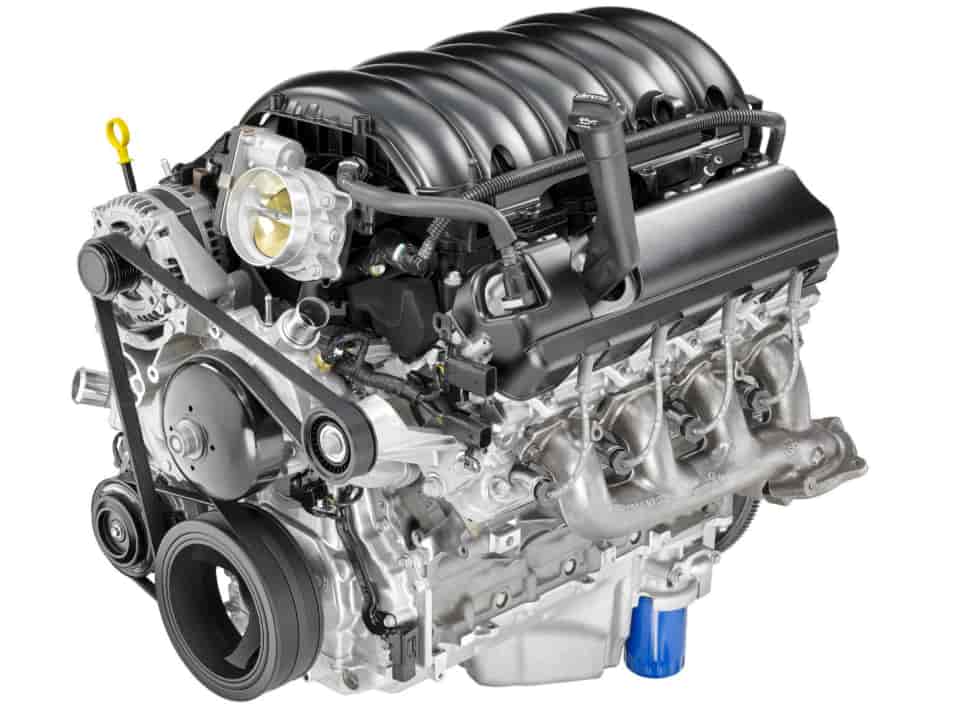
What Is the L84 Engine? Overview and Key Specifications
The L84 engine is a 5.3L V8 developed by General Motors. It belongs to the EcoTec3 engine family and appears in many full size trucks from 2019 onward. You can find this engine in models like the Chevrolet Silverado 1500 and GMC Sierra 1500.
This engine focuses on balancing power and fuel efficiency. It produces strong horsepower while still meeting modern emission standards. Many drivers choose it because it offers reliable towing performance and smooth driving under normal conditions.
One key feature of the L84 engine is Dynamic Fuel Management. This system adjusts the number of active cylinders based on driving conditions. When you drive at a steady speed, the engine shuts down some cylinders to save fuel. When you need more power, it quickly reactivates all cylinders.
The engine also uses direct fuel injection. This technology improves combustion efficiency and increases power output. However, it can also lead to carbon buildup over time. This issue becomes more noticeable if the engine does not receive proper maintenance.
Although the L84 engine offers modern technology and solid performance, it also introduces more complexity. More components mean more potential failure points. This is why many L84 engine problems relate to systems like lifters, fuel delivery, and cylinder management.
Understanding how this engine works will help you identify problems faster. It also gives you an advantage when deciding how to fix or prevent future issues.
Common L84 Engine Problems You Should Know
Many drivers choose this engine for its balance of power and efficiency, but real world use shows several recurring L84 Engine Problems that you should not ignore. One of the most serious issues involves lifter failure, often linked to the Dynamic Fuel Management system. When lifters fail, the engine may produce a ticking sound, misfire, or even suffer internal damage if left untreated. This ticking noise is also a common early warning sign. It usually starts quietly and becomes louder over time, often caused by poor lubrication or worn components.
Another issue many owners report is excessive oil consumption. Drivers may need to refill oil more often than expected, which increases the risk of engine wear if levels drop too low. Fuel injector problems also appear in some cases. Clogged or failing injectors can lead to rough idling, hesitation, and reduced performance. In addition, the direct injection system can cause carbon buildup on intake valves. This buildup restricts airflow and reduces efficiency over time.
Some drivers also experience cold start problems, where the engine runs rough during the first few seconds. Others report hesitation during acceleration, which affects driving smoothness and response. These L84 Engine Problems may seem minor at first, but they often signal deeper mechanical issues. Early detection and proper maintenance can help you avoid costly repairs and extend the life of your engine.
Causes of L84 Engine Problems
Many L84 Engine Problems do not happen randomly. They often come from a combination of design complexity, maintenance habits, and operating conditions. One of the main causes is the Dynamic Fuel Management system. This system constantly activates and deactivates cylinders to improve fuel efficiency. While it works well in theory, it also puts extra stress on components like lifters. Over time, this repeated stress can lead to premature wear or failure.
Another important factor is oil quality and lubrication. The L84 engine relies on proper oil flow to protect internal parts. If you use low quality oil or delay oil changes, friction increases inside the engine. This can accelerate wear on lifters, camshafts, and other critical components. Many issues begin as small lubrication problems but grow into serious damage if ignored.
Driving habits also play a major role. Frequent short trips prevent the engine from reaching optimal temperature. This condition allows carbon deposits to build up more quickly, especially in direct injection systems. As carbon accumulates, airflow becomes restricted and performance drops.
In some cases, early production models may include minor manufacturing defects. These issues do not affect every engine, but they can increase the likelihood of failure in certain units. Combined with modern engine complexity, even small defects can lead to noticeable problems over time.
Understanding these root causes helps you avoid incorrect repairs. More importantly, it allows you to take preventive action before small issues turn into expensive failures.
Symptoms of L84 Engine Problems
Recognizing early warning signs can help you prevent serious L84 Engine Problems and avoid high repair costs. Many issues begin with small symptoms that drivers often ignore. One of the most common signs is a ticking or knocking noise coming from the engine. This sound usually appears during startup or acceleration and often points to lifter or lubrication issues.
Another clear symptom is rough idling. The engine may feel unstable when the vehicle stops or runs at low speed. This condition often links to fuel injector problems or carbon buildup. In some cases, you may also notice a loss of power during acceleration. The vehicle may respond slowly or feel weaker than usual, especially under load.
The check engine light is another warning you should never ignore. It often appears when the engine detects misfires, sensor issues, or fuel system problems. Along with this, some drivers experience engine misfires, which cause shaking or uneven performance. These misfires can damage internal components if they continue over time.
High oil consumption is also a common symptom. If you find yourself adding oil frequently between service intervals, it may indicate internal wear or sealing issues. In colder conditions, the engine may struggle during startup or run roughly for a short time. While this may seem minor, it often signals deeper underlying problems.
These symptoms may appear separately or together. Identifying them early allows you to fix the issue before it becomes severe and expensive.
How to Fix L84 Engine Problems
Fixing L84 Engine Problems requires the right approach based on the root cause. Some issues have simple solutions, while others demand major repairs. If you hear a ticking noise or suspect lifter failure, you should inspect the valvetrain as soon as possible. In many cases, mechanics need to replace faulty lifters and related components. This repair can be expensive, but delaying it may lead to severe engine damage.
For less serious issues, regular maintenance can make a big difference. Using high quality engine oil and changing it on time helps reduce internal wear. Proper lubrication protects critical parts and prevents many common failures. If the engine runs rough or loses power, fuel injector cleaning may restore performance. In some cases, replacing faulty injectors provides a more permanent solution.
Carbon buildup also requires attention. Professional intake valve cleaning can improve airflow and restore engine efficiency. This service becomes especially important for engines with direct injection systems. If you often drive short distances, you should consider periodic cleaning to prevent buildup.
Software updates can also help resolve certain performance issues. Updating the engine control system may improve how the Dynamic Fuel Management system operates. This can reduce stress on internal components and improve overall reliability.
Some drivers choose more advanced solutions, such as disabling cylinder management systems to prevent recurring problems. However, this option may affect fuel efficiency and should be considered carefully.
Choosing the right fix early can save you a significant amount of money and help extend the life of your engine.
L84 Engine Repair Costs Explained
Repair costs are one of the biggest concerns when dealing with L84 Engine Problems. Many drivers feel shocked when they receive the first estimate from a mechanic. The cost often depends on how early you detect the issue and how severe the damage becomes.
One of the most expensive repairs involves lifter failure. Replacing lifters and related components can cost between $2,000 and $4,000. In severe cases, the repair may require additional parts, which increases the total cost even further. This is why early detection is critical.
Fuel injector issues are less expensive but still significant. Cleaning injectors may cost a few hundred dollars, while full replacement can range from $500 to $1,500. If the problem affects multiple injectors, the cost can rise quickly.
Carbon buildup cleaning is usually more affordable. Professional intake cleaning services often cost between $200 and $600. This service can restore performance and prevent more serious problems later.
Oil related issues may seem minor at first, but they can lead to costly damage if ignored. Regular maintenance costs much less than repairing internal engine wear. Spending a small amount on oil changes can save thousands in the long run.
In worst case scenarios, severe engine damage may require a full rebuild or replacement. This can cost several thousand dollars and create significant downtime.
Understanding these costs helps you make better decisions. Acting early not only reduces expenses but also protects the long term reliability of your engine.
How to Prevent L84 Engine Problems
Preventing L84 Engine Problems is much easier and cheaper than fixing them after they appear. The most important step is to follow a strict maintenance routine. Regular oil changes play a critical role in protecting engine components. Always use high quality oil that meets manufacturer specifications. Clean oil reduces friction and helps prevent premature wear inside the engine.
Driving habits also have a strong impact on engine health. Frequent short trips can prevent the engine from reaching its optimal temperature. This condition increases the risk of carbon buildup, especially in direct injection systems. Try to include longer drives when possible to allow the engine to operate efficiently and burn off deposits.
Monitoring oil levels is another simple but effective habit. Low oil levels can quickly lead to serious damage if ignored. Checking your oil regularly helps you detect issues like excessive consumption before they become critical.
Keeping the fuel system clean also improves performance and reliability. Using quality fuel and occasional injector cleaners can reduce buildup and maintain smooth engine operation. In addition, scheduling periodic intake cleaning can help prevent carbon deposits from restricting airflow.
You should also stay updated with software improvements. Engine control updates can optimize system performance and reduce stress on components like lifters. These updates may seem minor, but they can improve long term reliability.
By following these preventive steps, you can reduce the risk of major failures. More importantly, you can extend the lifespan of your engine and avoid unexpected repair costs.
Is the L84 Engine Reliable? Final Verdict
The L84 engine offers a strong balance between performance and efficiency. It delivers solid power for daily driving and towing, which makes it a popular choice in full size trucks. Many drivers appreciate its smooth operation and modern technology.
However, reliability depends heavily on maintenance and driving habits. While the engine performs well under proper care, several known L84 Engine Problems can appear over time. Issues like lifter failure, carbon buildup, and oil consumption often relate to system complexity rather than poor design alone.
Drivers who follow regular maintenance schedules tend to experience fewer serious problems. Using high quality oil, avoiding excessive short trips, and addressing early symptoms can make a significant difference. On the other hand, neglecting small warning signs often leads to expensive repairs.
Overall, the L84 engine is reliable for most users, but it is not completely trouble free. It requires more attention than older, simpler engines. If you understand its common issues and take preventive action, you can enjoy long term performance without major concerns.
Conclusion
L84 Engine Problems may seem intimidating at first, especially when repair costs can reach thousands of dollars. However, most of these issues do not appear overnight. They develop gradually and often provide clear warning signs before becoming serious.
By understanding the causes, symptoms, and proper fixes, you can take control of the situation early. Simple actions like regular oil changes, monitoring engine behavior, and maintaining the fuel system can prevent many common problems. These steps not only reduce repair costs but also extend the life of your engine.
If you are considering buying a vehicle with this engine, do not let these issues scare you away. Instead, use this knowledge to make a smarter decision. A well maintained L84 engine can still deliver strong and reliable performance for years.
Have you experienced any L84 Engine Problems yourself? Share your experience or questions below. Your insight could help other drivers avoid costly mistakes.