When it comes to modern V8 engines, the L83 has built a strong reputation for balancing power and fuel efficiency. However, many owners start searching for “L83 Engine Problems” after experiencing unexpected issues that can quickly turn a reliable truck into a costly headache. If you have ever heard a ticking noise from your engine, noticed excessive oil consumption, or felt your vehicle losing performance, you are not alone.
The L83 engine, commonly found in popular trucks like the Chevy Silverado and GMC Sierra, is part of GM’s EcoTec3 family. While it offers impressive performance and advanced technologies such as direct injection and Active Fuel Management, these same features can also introduce specific mechanical weaknesses over time. This is where most problems begin to surface, especially after higher mileage.
Understanding L83 Engine Problems is not just about identifying what goes wrong. It is about knowing the symptoms early, understanding the root causes, and most importantly, learning how to fix or prevent these issues before they lead to expensive repairs. Many owners face repair bills worth thousands of dollars simply because they missed early warning signs.
In this complete guide to L83 Engine Problems, you will discover the most common issues, their causes, practical fixes, and real repair costs. Whether you already own a vehicle with this engine or are planning to buy one, this guide will help you make smarter and more confident decisions.
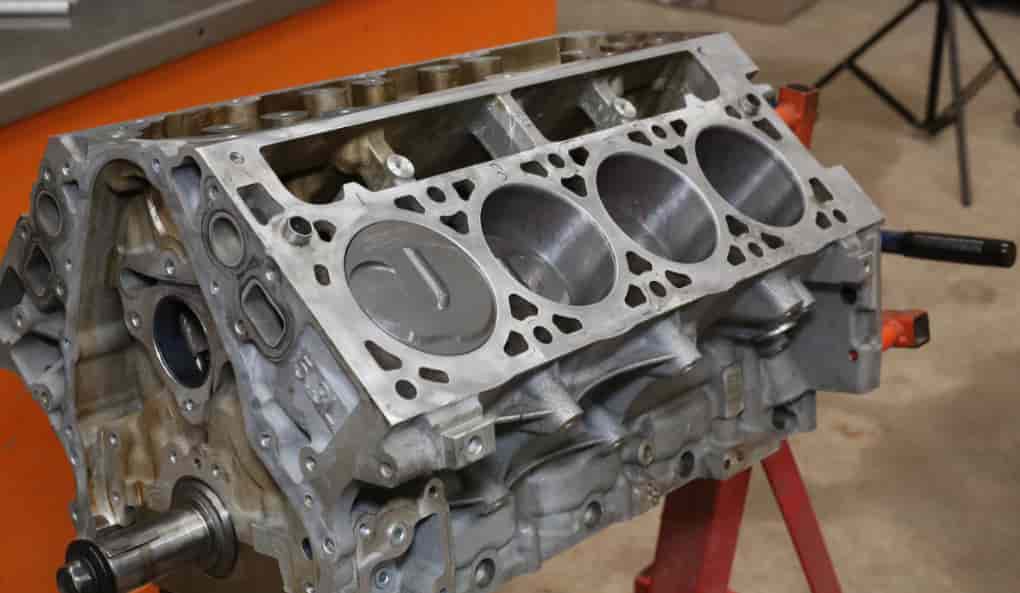
What Is the L83 Engine?
Before diving into L83 Engine Problems, you need to understand why this engine is so popular. The L83 is a 5.3 liter V8 developed by General Motors. It belongs to the EcoTec3 engine family. GM designed it to balance strong performance with better fuel efficiency. That is why it became a standard option in trucks like the Chevrolet Silverado and GMC Sierra.
One key feature of the L83 engine is its direct fuel injection system. This system sends fuel straight into the combustion chamber. As a result, the engine delivers better power and improved fuel economy. The L83 also uses Active Fuel Management, or AFM. This system shuts down some cylinders during light driving to save fuel. While this improves efficiency, it also leads to many common L83 Engine Problems.
The engine produces solid horsepower and torque. It handles towing, hauling, and daily driving with ease. Many drivers enjoy its smooth performance and reasonable fuel consumption for a V8. However, these advanced systems add complexity. Over time, this complexity can cause reliability issues, especially with poor maintenance.
When you understand how the L83 works, you can spot problems earlier. You can also connect common L83 Engine Problems to parts like lifters, injectors, and the AFM system. This knowledge helps you diagnose issues faster and avoid expensive repairs.
Top 7 Most Common L83 Engine Problems
AFM Failure and Lifter Collapse
One of the most serious L83 Engine Problems comes from the Active Fuel Management system. While AFM improves fuel efficiency, it often creates long term mechanical risks. Many owners report ticking noises, rough idling, or sudden engine misfires.
The main issue comes from lifter collapse. AFM relies on special lifters that deactivate cylinders during light driving. Over time, these lifters can fail and stop working properly. When this happens, the engine may produce a loud ticking sound. In worse cases, it can lead to internal engine damage.
You may first notice a subtle ticking noise when starting the engine. As the problem gets worse, performance drops and misfires become more frequent. Ignoring these symptoms can result in costly repairs.
Fixing this issue usually requires replacing the lifters. Some owners choose to disable AFM completely to prevent future failures. This solution improves reliability but may reduce fuel efficiency.
Repair costs can range from 2000 to 4000 dollars depending on labor and parts. This makes AFM failure one of the most expensive L83 Engine Problems.
Lifter Failure Without Warning
Lifter failure is closely related to AFM, but it can also occur on its own. This is one of the most feared L83 Engine Problems because it can happen without clear warning signs.
In many cases, the engine suddenly develops a loud ticking or knocking sound. The vehicle may lose power or run unevenly. Some drivers only notice the issue when the engine performance drops significantly.
The root cause often involves oil pressure issues or internal wear. Poor lubrication can accelerate lifter damage. Low quality oil or extended oil change intervals can make the problem worse.
Once a lifter fails, it can damage the camshaft and other internal components. This turns a small issue into a major repair. That is why early detection is critical.
Repairing lifter failure often requires partial engine disassembly. Costs usually fall between 2500 and 5000 dollars. In severe cases, a full engine rebuild may be necessary.
Excessive Oil Consumption
Another common concern among owners is excessive oil consumption. This issue often appears after higher mileage and can go unnoticed at first.
Drivers may find themselves adding oil more frequently between changes. In some cases, the engine burns oil faster than expected. If ignored, low oil levels can lead to serious engine damage.
Several factors can cause this problem. Worn piston rings and issues in the PCV system are the most common. These components allow oil to enter the combustion chamber, where it burns along with fuel.
Symptoms include blue smoke from the exhaust and a drop in oil levels. Some drivers also notice reduced engine performance over time.
Fixing oil consumption problems can be complex. It may involve replacing piston rings or repairing the PCV system. Costs vary widely, but repairs can easily exceed 1500 dollars.
Carbon Build Up on Intake Valves
Carbon build up is a common issue in engines with direct injection, including the L83. Fuel no longer washes over the intake valves, so carbon deposits start to form over time. This buildup restricts airflow and reduces engine efficiency.
You may notice rough idling, poor acceleration, or reduced fuel economy. In some cases, the engine may hesitate during acceleration. These symptoms often appear gradually, which makes them easy to ignore at first.
Short trips and low quality fuel can speed up carbon buildup. Over time, the deposits become thick and harder to remove. If left untreated, performance will continue to decline.
A common solution is walnut blasting. This process cleans the intake valves and restores airflow. The cost usually ranges from 300 to 800 dollars. Regular maintenance and occasional high load driving can help reduce buildup.
Fuel Injector Problems
Fuel injectors play a critical role in engine performance. When they become clogged or fail, the engine cannot deliver fuel properly. This leads to uneven combustion and poor performance.
Common symptoms include rough idle, engine hesitation, and reduced power. Some drivers also experience increased fuel consumption. In more severe cases, the engine may misfire.
Dirty fuel or carbon deposits often cause injector problems. Over time, buildup blocks the injector nozzles and affects spray patterns. This reduces efficiency and increases engine strain.
Cleaning the injectors may solve minor issues. However, damaged injectors need replacement. Costs typically range from 500 to 1500 dollars depending on the number of injectors affected.
Cooling System Issues
The L83 engine can also face cooling system problems, especially as it ages. Components like the thermostat, radiator, or water pump may fail over time.
When the cooling system does not work properly, the engine can overheat. This creates serious risks, including warped components and internal damage. Overheating is one of the fastest ways to destroy an engine.
Drivers may notice rising temperature readings or coolant leaks. Steam from the engine bay is a clear warning sign. Ignoring these symptoms can lead to very expensive repairs.
Fixing cooling system issues depends on the faulty component. Replacing a thermostat is relatively cheap, while a radiator or water pump costs more. Regular coolant checks can help prevent these problems.
Transmission and Engine Interaction Issues
Although not a direct engine failure, transmission behavior can affect how the L83 performs. Many vehicles with this engine use automatic transmissions that may shift harshly or inconsistently.
Drivers often report jerking, delayed shifting, or hesitation during acceleration. These issues can feel like engine problems, even when the engine works correctly.
The root cause may involve transmission tuning or fluid condition. In some cases, software updates can improve shifting behavior. Poor maintenance can also make the problem worse.
Fixing these issues may require fluid changes, software updates, or deeper transmission repairs. Costs vary depending on the severity of the problem.
Root Causes of L83 Engine Problems
To fully understand L83 Engine Problems, you need to look beyond the symptoms and focus on the root causes. Many of these issues do not happen randomly. They come from specific design choices and maintenance factors that affect long term reliability.
One major cause is the Active Fuel Management system. AFM improves fuel efficiency by deactivating cylinders, but it adds mechanical complexity. The system relies on specialized lifters that are more prone to failure. Over time, these components wear out faster than standard parts, which leads to ticking noise and engine damage.
Another key factor is direct injection technology. While it boosts performance and fuel economy, it also creates side effects. Fuel no longer cleans the intake valves, so carbon deposits build up over time. This reduces airflow and affects combustion efficiency.
Oil pressure and lubrication also play a critical role. The L83 engine depends on stable oil pressure to keep internal components working properly. Low oil levels or poor oil quality can accelerate wear on lifters, camshafts, and other moving parts. Many serious L83 Engine Problems begin with neglected oil maintenance.
Driving habits can also influence engine health. Frequent short trips prevent the engine from reaching optimal temperature. This increases carbon buildup and reduces overall efficiency. Aggressive driving without proper maintenance can also speed up component wear.
Finally, maintenance practices make a huge difference. Skipping oil changes, using low quality fuel, or ignoring early warning signs can turn small issues into major failures. Many expensive repairs could be avoided with proper care.
Understanding these root causes helps you prevent problems before they start. It also allows you to make better decisions when maintaining or buying a vehicle with the L83 engine.
Cost to Fix L83 Engine Problems
Understanding the cost of L83 Engine Problems is crucial for any owner or buyer. Many of these issues are not cheap to fix, and repair costs can quickly add up if problems are ignored.
One of the most expensive repairs involves lifter failure. Replacing lifters often requires significant engine disassembly. The total cost usually ranges from 2000 to 4000 dollars. If the camshaft is also damaged, the cost can increase even further.
Another common expense comes from fixing AFM related issues. Some owners choose to perform an AFM delete to prevent future failures. This modification improves reliability but comes with a cost between 1500 and 3500 dollars depending on parts and labor.
Fuel injector replacement is another potential expense. If multiple injectors fail, the repair cost can range from 500 to 1500 dollars. Cleaning services may reduce costs in minor cases, but replacement is often necessary for long term reliability.
Carbon buildup cleaning is less expensive but still important. Walnut blasting typically costs between 300 and 800 dollars. While this is more affordable, ignoring the issue can lead to performance loss and further complications.
Cooling system repairs vary depending on the component. Replacing a thermostat may cost under 300 dollars, while a water pump or radiator can push costs higher. Early detection helps keep these expenses manageable.
In worst case scenarios, severe engine damage may require a full rebuild or replacement. This can cost 5000 dollars or more, making it one of the most painful L83 Engine Problems for owners.
Knowing these costs helps you prepare financially and make smarter maintenance decisions. It also highlights why early diagnosis is critical.
How to Fix and Prevent L83 Engine Problems
Fixing L83 Engine Problems can be expensive, but the good news is that many of these issues are preventable with the right approach. Proper maintenance and early action can save you thousands of dollars and extend the life of your engine.
One of the most important steps is changing the engine oil regularly. Clean oil keeps internal components lubricated and reduces wear on lifters and camshafts. Many experts recommend shorter oil change intervals instead of waiting too long. Using high quality oil also makes a noticeable difference.
Another effective solution is managing the AFM system. Since AFM is a major source of L83 Engine Problems, some owners choose to disable it. This can improve long term reliability and reduce the risk of lifter failure. However, it may slightly reduce fuel efficiency.
Fuel quality also plays a key role. Using clean, high quality fuel helps prevent injector clogging and reduces carbon buildup. Occasional long drives at highway speeds can also help burn off deposits and keep the engine running smoothly.
Regular inspections are essential. Listening for unusual noises, checking oil levels, and monitoring engine performance can help you detect problems early. Small symptoms often appear before major failures, so early action is critical.
It is also important to address issues as soon as they appear. Ignoring warning signs like ticking noise or rough idle can lead to severe damage and higher repair costs. Preventive maintenance always costs less than major repairs.
By following these simple steps, you can reduce the risk of L83 Engine Problems and keep your engine running reliably for years.
What Years of L83 Engine to Avoid
When researching L83 Engine Problems, many buyers ask the same question: are there specific years to avoid? While the L83 engine is generally reliable, some model years show higher reports of certain issues, especially related to AFM and lifter failure.
Early production years, particularly from 2014 to 2016, tend to receive more complaints. These models were among the first to use the updated EcoTec3 design with direct injection and Active Fuel Management. As a result, some components had not yet been fully refined. Owners of these vehicles often report lifter failure, excessive oil consumption, and AFM related issues.
Later model years, such as 2017 to 2018, show some improvements. However, they are not completely free from L83 Engine Problems. The same core design remains, which means issues can still occur if maintenance is neglected.
If you are planning to buy a used vehicle with the L83 engine, the model year should not be your only concern. Maintenance history plays a much bigger role. A well maintained 2014 engine can be more reliable than a poorly maintained newer one.
Before buying, you should check for ticking noises, review service records, and inspect oil condition. These steps help you avoid hidden problems that could lead to expensive repairs.
Understanding which years have more reported issues helps you make a safer buying decision. However, proper inspection and maintenance remain the most important factors in avoiding serious L83 Engine Problems.
Conclusion
L83 Engine Problems are not uncommon, but they are also not a reason to avoid this engine completely. The L83 offers strong performance, good fuel efficiency, and solid everyday usability. However, like many modern engines, it comes with specific weaknesses that every owner should understand.
The most common L83 Engine Problems often involve the AFM system, lifter failure, and oil consumption. These issues can lead to serious damage if ignored, especially when early warning signs are missed. At the same time, many of these problems can be prevented with proper maintenance and timely repairs.
If you already own a vehicle with this engine, staying proactive is the key. Regular oil changes, careful monitoring, and quick action when symptoms appear can save you from costly repairs. If you plan to buy one, always check the maintenance history and inspect the engine carefully before making a decision.
In the end, understanding L83 Engine Problems gives you an advantage. It helps you avoid common mistakes, reduce long term costs, and keep your vehicle running reliably.
Have you experienced any L83 Engine Problems yourself? Share your experience in the comments and help other drivers make better decisions.