A Chevy flashing check engine light is not something you should ever ignore. Unlike a steady light that may signal a minor issue, a flashing warning is your vehicle’s way of telling you that something serious is happening inside the engine right now. Many drivers panic when they see it, yet still wonder if they can continue driving for a few more miles. That hesitation can lead to severe damage and costly repairs.
One of the biggest problems is confusion. Drivers often assume all check engine lights mean the same thing, but a flashing light usually indicates a severe engine misfire. This means fuel is not burning properly, which can quickly damage critical components like the catalytic converter. In the worst cases, ignoring this warning can turn a relatively affordable repair into a bill worth thousands of dollars.
If you have ever asked yourself whether it is safe to keep driving or what steps you should take immediately, you are not alone. This guide is designed to give you clear and practical answers. You will learn what a Chevy flashing check engine light really means, the most common causes behind it, the warning symptoms you should never ignore, and exactly what you must do to protect your engine and your wallet.
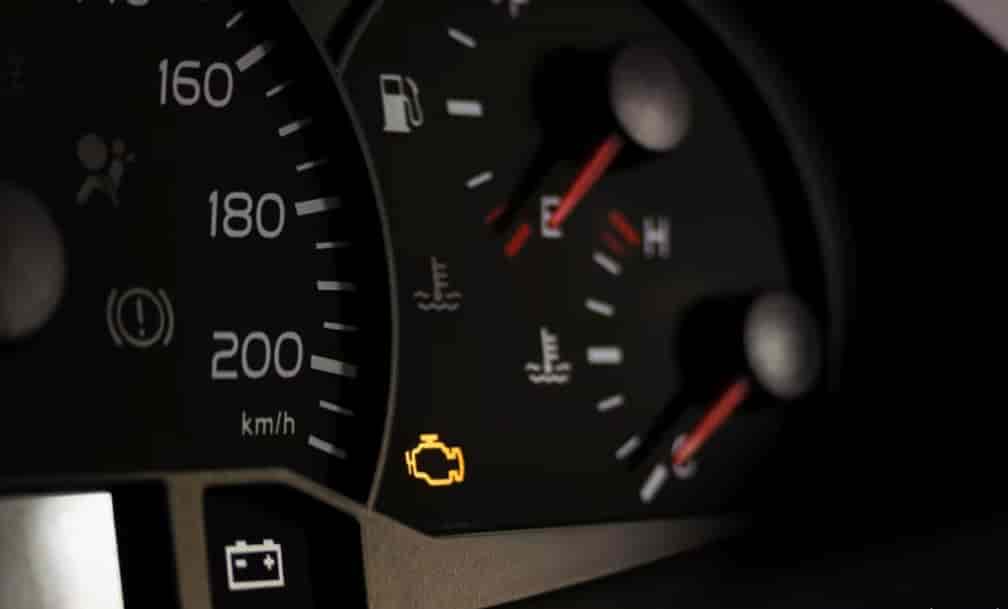
What Does a Flashing Check Engine Light Mean in a Chevy?
When you see a Chevy flashing check engine light, your vehicle is warning you about a serious and active problem that requires immediate attention. This is very different from a steady check engine light, which usually indicates a less urgent issue that can be diagnosed and fixed later. A flashing light signals that something is going wrong in real time, most commonly a severe engine misfire.
An engine misfire happens when the air fuel mixture inside one or more cylinders does not ignite properly. Instead of a smooth combustion process, the engine experiences incomplete or irregular burning. This disrupts performance and creates excess unburned fuel. That fuel can enter the exhaust system, where it may overheat and damage the catalytic converter. This component is expensive to replace, which is why a flashing warning should never be ignored.
Modern Chevy vehicles rely on the engine control unit to monitor performance. When the system detects repeated misfires, it triggers the flashing light to alert you immediately. This is not just a notification. It is an urgent signal that continuing to drive could worsen the damage within minutes.
Another important point is how quickly the situation can escalate. A minor ignition issue can rapidly turn into a major engine problem if left unchecked. What starts as a faulty spark plug or ignition coil can lead to overheating, reduced engine efficiency, and long term internal damage.
Understanding this warning correctly helps you make better decisions. A flashing check engine light in your Chevy is not a suggestion to check your car later. It is a clear message that your engine is under stress and needs attention right away.
Top Causes of a Chevy Flashing Check Engine Light
Understanding the root cause of a Chevy flashing check engine light is essential if you want to fix the problem quickly and avoid expensive damage. In most cases, the issue is directly related to engine misfires, but the underlying reasons can vary. Below are the most common causes that drivers encounter.
Faulty Spark Plugs
Spark plugs play a critical role in igniting the air fuel mixture inside the engine. When they wear out or become fouled, the combustion process becomes inconsistent. This leads to misfires, which can immediately trigger a flashing check engine light. Over time, neglected spark plugs can also reduce fuel efficiency and engine performance.
Ignition Coil Failure
Ignition coils supply the high voltage needed for the spark plugs to function. If one or more coils fail, the corresponding cylinder will not fire properly. This results in noticeable engine shaking and a loss of power. Ignition coil issues are one of the most common reasons behind a Chevy flashing check engine light, especially in higher mileage vehicles.
Fuel Injector Problems
Fuel injectors are responsible for delivering the correct amount of fuel into the engine. If they become clogged or malfunction, the air fuel mixture becomes unbalanced. Too much or too little fuel can both cause misfires. This not only triggers the warning light but can also lead to increased emissions and rough engine operation.
Vacuum Leaks
A vacuum leak allows extra air to enter the engine without being measured by the system. This disrupts the ideal air fuel ratio and can cause misfires. While vacuum leaks might seem minor at first, they can quickly escalate and contribute to engine instability when left unresolved.
Catalytic Converter Stress or Damage
Although the catalytic converter is often a victim rather than the root cause, it still plays a major role in this issue. When unburned fuel enters the exhaust system due to misfires, it can overheat the converter. This creates a dangerous cycle where engine performance worsens and repair costs increase significantly.
Each of these causes can start as a relatively manageable issue. However, when combined with continued driving, they can lead to severe engine damage. Identifying the exact cause early is the key to preventing a small problem from turning into a costly repair.
Common Symptoms You Should Never Ignore
A Chevy flashing check engine light rarely appears alone. In most cases, your vehicle will show clear warning signs that something is seriously wrong. Recognizing these symptoms early can help you avoid severe engine damage and costly repairs.
One of the most noticeable symptoms is engine shaking or vibration. When a misfire occurs, the engine no longer runs smoothly. You may feel the car trembling, especially when idling or accelerating. This is a direct sign that one or more cylinders are not firing correctly.
Another common issue is a sudden loss of power. Your Chevy may struggle to accelerate or feel unusually weak when you press the gas pedal. This happens because the engine is not producing power efficiently. In real driving situations, this can also become a safety risk, especially when merging into traffic or climbing hills.
You might also notice unusual smells. A strong fuel odor often indicates that unburned gasoline is passing through the engine. In some cases, you may even detect a burning smell, which could signal overheating components. Both situations point to serious internal problems that should not be ignored.
Jerking or hesitation during acceleration is another warning sign. Instead of a smooth driving experience, the car may feel like it is stuttering or lagging. This symptom is closely linked to misfires and often becomes more noticeable under load.
Fuel consumption may also increase unexpectedly. When the combustion process is inefficient, the engine uses more fuel to compensate. This not only affects your wallet but also signals that the engine is not operating properly.
These symptoms are your car’s way of reinforcing the urgency of a flashing check engine light. Ignoring them can quickly turn a manageable issue into a major repair. The moment you notice any of these signs, it is crucial to take action immediately.
What You Must Do Immediately
When a Chevy flashing check engine light appears, your response in the next few minutes can determine whether you face a minor repair or a major engine overhaul. Acting quickly and correctly is essential to minimize damage.
The first thing you should do is reduce your speed. Avoid aggressive acceleration and keep your driving as smooth as possible. High engine load will only make the misfire worse and increase the risk of damaging internal components. By easing off the throttle, you give your engine a better chance to avoid further stress.
Next, avoid hard acceleration or sudden movements. Many drivers panic and continue driving normally, which is a costly mistake. Gentle driving can temporarily reduce the severity of the issue while you look for a safe place to stop.
If the engine starts shaking сильно or you notice a significant loss of power, you should pull over as soon as it is safe. Continuing to drive in this condition can quickly overheat the catalytic converter. Once that component is damaged, repair costs can rise dramatically.
If you have access to an OBD2 scanner, this is the right time to use it. The scanner will provide diagnostic trouble codes that help identify the exact cause of the problem. Even a basic scan can point you toward issues like ignition failure or fuel system imbalance.
However, do not rely solely on clearing the code. Resetting the warning light without fixing the root cause will only delay the problem and may lead to more severe damage later.
Finally, contact a professional mechanic or bring your vehicle to the nearest repair shop. A flashing check engine light is not a situation for guesswork unless you have strong technical experience. Getting an accurate diagnosis early can save you a significant amount of money and prevent long term damage.
Taking immediate action is the difference between a quick fix and a repair bill that can reach thousands of dollars. When your Chevy flashing check engine light comes on, every minute matters.
Can You Drive with a Flashing Check Engine Light?
The short answer is no, you should not continue driving when a Chevy flashing check engine light appears. This warning is not designed for convenience. It is a signal that your engine is experiencing a serious issue that can worsen very quickly.
In most cases, the flashing light indicates a severe misfire. When this happens, unburned fuel can enter the exhaust system and overheat the catalytic converter. This component is not only critical for emissions control but also one of the most expensive parts to replace. Driving even a short distance in this condition can push repair costs from a few hundred dollars to several thousand.
There are limited situations where you may need to keep driving briefly. For example, if you are in an unsafe location, you can continue at a very low speed and with minimal acceleration to reach the nearest safe stop or repair shop. However, this should only be done as a temporary measure and never as a long term decision.
Many drivers make the mistake of ignoring the flashing light because the car still moves. This is risky thinking. Just because the vehicle is still running does not mean it is safe to drive. Internal damage can happen quickly and without obvious warning beyond what you are already seeing.
The safest approach is always to stop driving as soon as possible and have the vehicle inspected. Acting quickly can prevent further damage and save you from significantly higher repair costs.
Repair Costs for Chevy Flashing Check Engine Light
One of the biggest concerns when dealing with a Chevy flashing check engine light is the potential repair cost. The total expense can vary widely depending on the root cause, but what many drivers do not realize is how quickly costs can escalate if the issue is ignored.
For minor causes, the repair can be relatively affordable. Replacing spark plugs typically costs between 100 and 300 dollars, depending on your Chevy model and labor rates. This is often the best case scenario and one of the most common fixes when misfires occur.
If the issue involves ignition coils, the cost increases slightly. You can expect to pay around 150 to 400 dollars. While still manageable, delaying this repair can lead to further engine imbalance and additional damage.
Fuel injector problems are more expensive. Cleaning or replacing injectors can range from 200 to 600 dollars. Since injectors directly affect fuel delivery, any delay in fixing them can worsen performance and increase fuel consumption.
The most expensive scenario involves the catalytic converter. If it becomes damaged due to prolonged misfires, replacement costs can range from 1000 to over 3000 dollars. This is where many drivers face financial stress, especially when the original problem could have been fixed at a much lower cost.
It is also important to consider diagnostic fees. A professional inspection using advanced tools may cost between 50 and 150 dollars, but this step is essential for accurate repair. Skipping proper diagnosis often leads to unnecessary part replacements and higher overall expenses.
The key takeaway is simple. The longer you ignore a Chevy flashing check engine light, the more expensive the repair becomes. Acting early not only protects your engine but also helps you avoid turning a small issue into a major financial burden.
How to Prevent a Chevy Flashing Check Engine Light in the Future
Preventing a Chevy flashing check engine light is far easier and cheaper than dealing with the consequences after it appears. Most of the serious issues behind this warning develop gradually, which means consistent maintenance can significantly reduce your risk.
One of the most effective ways to prevent engine misfires is to follow a regular maintenance schedule. Replacing spark plugs at the recommended intervals ensures proper combustion and stable engine performance. Worn spark plugs are one of the most common triggers of misfires, yet they are often overlooked until problems arise.
Using high quality fuel also plays an important role. Poor fuel quality can lead to carbon buildup and injector clogging, both of which disrupt the air fuel mixture. Over time, this imbalance increases the likelihood of misfires and engine warning signals.
Routine engine inspections are another key factor. Even if your vehicle seems to be running normally, small issues such as vacuum leaks or early ignition problems can go unnoticed. Regular checkups help detect these problems before they escalate into something more serious.
It is also important to pay attention to early warning signs. Slight engine hesitation, reduced fuel efficiency, or minor vibrations may seem insignificant at first. However, these can be early indicators of developing issues that may later trigger a flashing check engine light.
Finally, avoid delaying repairs. Many drivers continue using their vehicle despite minor issues, assuming they are not urgent. This habit often leads to bigger problems that could have been prevented with timely action.
Consistent care and attention not only extend the life of your engine but also help you avoid unexpected breakdowns and high repair costs. Prevention is always the smarter and more cost effective approach.
Conclusion
A Chevy flashing check engine light is one of the most serious warnings your vehicle can give you. It is not just a simple alert but a clear indication that your engine is under stress and needs immediate attention. Ignoring it, even for a short time, can lead to severe damage and significantly higher repair costs.
Throughout this guide, you have learned that the most common cause behind this issue is engine misfire, along with related problems in the ignition and fuel systems. You have also seen the warning symptoms that should never be ignored, from engine shaking to power loss and unusual smells. Most importantly, you now understand exactly what actions to take the moment this warning appears.
The key message is simple. Acting quickly can save you a substantial amount of money and prevent long term damage. Delaying action, on the other hand, often turns a manageable repair into a costly situation.
If you ever encounter a Chevy flashing check engine light, treat it as a priority. Get your vehicle diagnosed as soon as possible and address the issue before it escalates. Your engine, your safety, and your wallet all depend on it.