When your Chevy Cruze AC starts blowing warm air instead of delivering that crisp cooling comfort, it quickly turns every drive into an uncomfortable experience, especially during hot summer days. Many drivers assume the issue is serious and costly, but in reality, one of the most common causes is simply low refrigerant levels. This is where a Chevy Cruze AC recharge becomes essential.
A weak air conditioning system is not just an inconvenience. It can signal deeper issues such as refrigerant leaks, compressor inefficiency, or pressure imbalances within the AC system. Ignoring these signs often leads to higher repair costs later, which is exactly the pain point most car owners want to avoid.
In this complete guide to Chevy Cruze AC recharge, you will learn everything you need to restore your car’s cooling performance. We will break down the recharge process, explain the cost differences between DIY and professional service, and provide accurate refrigerant capacity details based on model years. You will also discover the most common problems that occur after a recharge and how to fix them effectively.
Understanding how your AC system works and how refrigerant supports the cooling cycle will help you make smarter decisions, save money, and maintain long term performance. Whether you are planning to recharge the AC yourself or considering a mechanic, this guide gives you the clarity you need to take action with confidence.
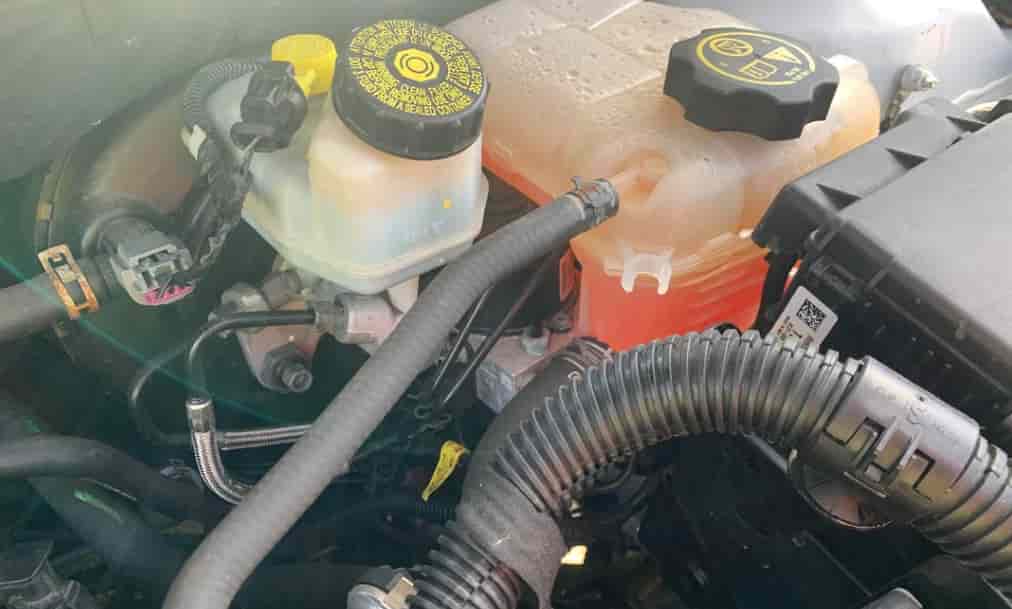
What Is Chevy Cruze AC Recharge and Why It Matters
A Chevy Cruze AC recharge is the process of refilling the air conditioning system with refrigerant to restore its cooling performance. Over time, refrigerant levels naturally decrease due to small leaks or gradual system wear, which directly affects how efficiently your AC can remove heat from the cabin.
To understand why this matters, it helps to know how the AC system works. The refrigerant circulates through a closed loop system that includes the compressor, condenser, expansion valve, and evaporator. As it moves through these components, it absorbs heat from inside the car and releases it outside. When refrigerant levels drop, this heat exchange process becomes less effective, resulting in weak airflow or warm air.
Many drivers underestimate this issue and continue using the AC despite reduced performance. This creates additional strain on the compressor, which is one of the most expensive components in the system. In the long run, what starts as a simple Chevy Cruze AC recharge can turn into a costly repair if ignored.
A proper recharge does more than just make the air cold again. It restores the correct pressure balance within the system, improves cooling efficiency, and helps prevent further damage. However, it is important to recognize that refrigerant does not get used up like fuel. If levels are low, there is usually an underlying cause such as a leak that needs attention.
By understanding the role of refrigerant and the importance of maintaining proper AC pressure, you can identify problems early and avoid unnecessary expenses. This is why a Chevy Cruze AC recharge should always be approached as both a maintenance task and a diagnostic opportunity.
Signs Your Chevy Cruze Needs an AC Recharge
One of the most important steps in maintaining your vehicle’s cooling system is recognizing when a Chevy Cruze AC recharge is actually needed. Many drivers wait until the AC completely fails, but the system usually shows warning signs long before that happens.
The most obvious symptom is weak cooling performance. If your AC is running but the air feels slightly cool or even warm, this often indicates low refrigerant levels. The system no longer has enough pressure to absorb and transfer heat effectively, which directly impacts cabin comfort.
Another common sign is inconsistent airflow temperature. You may notice that the AC starts cold but quickly turns warm, or fluctuates while driving. This behavior usually points to unstable pressure within the system, often caused by insufficient refrigerant.
Strange noises coming from the compressor can also signal a problem. When refrigerant levels drop, the compressor has to work harder to maintain pressure. This extra strain may produce clicking or buzzing sounds, which should never be ignored.
You might also observe that the AC clutch cycles on and off more frequently than usual. This rapid cycling is a protective response to incorrect pressure levels and is a strong indicator that a Chevy Cruze AC recharge may be necessary.
In more noticeable cases, warm air will blow consistently regardless of AC settings. At this point, the refrigerant level may be critically low or there could be a leak in the system that needs immediate attention.
Recognizing these signs early helps you avoid more expensive repairs and keeps your driving experience comfortable. A timely Chevy Cruze AC recharge not only restores cooling performance but also protects key components from long term damage.
Chevy Cruze AC Recharge Cost
Understanding the cost of a Chevy Cruze AC recharge is important, especially when your AC stops cooling during hot weather. The total price depends on whether you choose a DIY method or visit a professional mechanic.
A DIY recharge is the most affordable option. Most AC recharge kits cost between 30 and 70 dollars. These kits often include refrigerant and a basic pressure gauge. Older Chevy Cruze models use R134a, which is cheaper and easy to find. Newer models may require R1234yf, which is more expensive.
Although DIY saves money, it carries some risks. If you do not monitor pressure correctly, you may overcharge or undercharge the system. This can reduce cooling performance or damage the compressor.
Professional AC recharge services usually cost between 100 and 250 dollars. This price often includes system inspection, leak detection, and accurate refrigerant filling. While it costs more, it ensures better long term results.
A common issue many drivers face is that the AC still blows warm air after a recharge. This often means there is a leak or a faulty component that was not fixed.
Choosing the right option depends on your budget and experience. A DIY Chevy Cruze AC recharge works well for simple cases. However, professional service is a safer choice if your system has deeper problems.
Chevy Cruze Refrigerant Type and Capacity
Choosing the correct refrigerant type and filling the right amount is critical for a successful Chevy Cruze AC recharge. Using the wrong refrigerant or incorrect capacity can reduce cooling performance and damage the AC system.
Most older Chevy Cruze models, especially those produced before 2018, use R134a refrigerant. This type is affordable, widely available, and commonly used in many vehicles. Newer models often require R1234yf, which is more environmentally friendly but also more expensive.
It is important to never mix these two refrigerant types. Each system is designed for a specific refrigerant, and using the wrong one can cause pressure issues or component failure.
Refrigerant capacity also varies depending on the model year and engine type. On average, a Chevy Cruze requires between 16 and 24 ounces of refrigerant. However, you should always check the exact specification in your vehicle manual or under the hood label.
Adding too little refrigerant will not restore proper cooling. Adding too much can increase system pressure and damage the compressor. This is why monitoring pressure during a Chevy Cruze AC recharge is essential.
Understanding both refrigerant type and capacity helps you avoid common mistakes. It also ensures your AC system runs efficiently and delivers consistent cooling performance.
How to Perform a Chevy Cruze AC Recharge
Performing a Chevy Cruze AC recharge at home can save money if done correctly. The process is simple, but it requires attention to detail and proper safety steps.
Start by preparing the necessary tools. You will need an AC recharge kit with a pressure gauge and the correct refrigerant type for your model. Make sure your engine is off before connecting anything.
Next, locate the low pressure service port. This port is usually marked with a cap labeled “L” and is found along the AC line. Only connect the recharge kit to the low pressure port, as connecting to the wrong port can be dangerous.
Once connected, start the engine and set the AC to maximum cooling with the fan on high. This allows the system to circulate refrigerant properly. Shake the refrigerant can gently and begin adding it slowly.
Monitor the pressure gauge closely during the process. Stay within the recommended pressure range shown on the gauge. Adding refrigerant too quickly or exceeding the limit can harm the system.
As the refrigerant enters the system, you should notice the air becoming cooler. This is a sign that the Chevy Cruze AC recharge is working. Stop adding refrigerant once the desired pressure is reached.
After finishing, disconnect the kit carefully and replace the cap on the service port. Always check for leaks and ensure the system runs smoothly.
Following these steps helps restore cooling performance while avoiding common mistakes. A careful Chevy Cruze AC recharge can improve comfort and extend the life of your AC system.
Common Problems After Chevy Cruze AC Recharge
After completing a Chevy Cruze AC recharge, many drivers expect instant cold air. However, the system does not always perform as expected. When this happens, it usually points to underlying issues that were not resolved during the recharge.
One common problem is the AC still blowing warm air. This often means the refrigerant level was not the main issue. A leak in the system can cause the newly added refrigerant to escape quickly, leading to the same weak cooling performance.
Another frequent issue is overcharging. Adding too much refrigerant increases system pressure and reduces efficiency. In some cases, it can even damage the compressor or cause the AC to shut down as a safety measure.
A faulty compressor is also a possible cause. If the compressor cannot circulate refrigerant properly, the system will not cool even after a Chevy Cruze AC recharge. This problem is more serious and usually requires professional repair.
Sensor or pressure switch failure can also affect performance. These components control how the system operates. If they send incorrect signals, the AC may not function correctly despite having the right refrigerant level.
Blocked or dirty components, such as the condenser, can limit heat transfer. This prevents the system from releasing heat effectively, which results in warm air inside the cabin.
Understanding these problems helps you avoid frustration and unnecessary costs. A Chevy Cruze AC recharge should restore cooling, but if issues persist, a deeper inspection is often required.
Common Mistakes When Recharging Chevy Cruze AC
Many issues after a Chevy Cruze AC recharge come from simple mistakes during the process. Avoiding these errors can save you time, money, and prevent damage to the AC system.
One of the most common mistakes is overcharging the system. Adding too much refrigerant increases pressure and reduces cooling efficiency. In severe cases, it can damage the compressor or cause system failure.
Another mistake is using the wrong refrigerant type. Older Chevy Cruze models use R134a, while newer ones require R1234yf. Mixing them can lead to serious system issues and costly repairs.
Many drivers also skip checking for leaks before recharging. If there is a leak, the new refrigerant will escape quickly. This results in the AC losing cooling again within a short time.
Connecting the recharge kit to the wrong port is another risky error. Only the low pressure port should be used. Using the high pressure port can be dangerous and may cause injury.
Some people ignore the pressure gauge during the process. Without monitoring pressure, it is easy to overfill or underfill the system. Both situations reduce performance and can harm components.
Avoiding these common mistakes ensures a safer and more effective Chevy Cruze AC recharge. Taking a careful approach helps maintain cooling performance and extends the life of your AC system.
How Long Does a Chevy Cruze AC Recharge Last
A Chevy Cruze AC recharge is not a permanent fix, but it should last a long time if the system is in good condition. In a properly sealed AC system, refrigerant does not get consumed. This means a recharge can last several years without any noticeable drop in performance.
On average, a Chevy Cruze AC recharge can last between two to five years. In many cases, it may even last longer if there are no leaks or component issues. If your AC loses cooling within a few weeks or months, this is a clear sign of a problem.
The most common reason for short recharge lifespan is a refrigerant leak. Small leaks can occur in hoses, seals, or connections. These leaks slowly release refrigerant and reduce system pressure over time.
Driving conditions and climate can also affect performance. Frequent use in hot weather puts more stress on the AC system. This can expose weak components and lead to faster refrigerant loss.
Regular maintenance helps extend the lifespan of your AC recharge. Checking for leaks, cleaning the condenser, and monitoring performance can prevent major issues.
If your Chevy Cruze AC recharge does not last as expected, it is important to inspect the system instead of simply refilling it again. Fixing the root cause ensures long term cooling performance and avoids repeated costs.
Conclusion
A Chevy Cruze AC recharge is one of the most effective ways to restore your vehicle’s cooling performance without spending a large amount of money. From understanding the cost and choosing between DIY or professional service to knowing the correct refrigerant type and capacity, each step plays an important role in maintaining an efficient AC system.
Many drivers face the same frustration when their AC stops working during hot weather. In most cases, the issue starts with low refrigerant levels, but it can also involve leaks, compressor problems, or pressure imbalances. This is why a Chevy Cruze AC recharge should always be combined with basic system checks to ensure long term results.
By following the correct recharge steps and avoiding common mistakes, you can improve cooling performance and protect key components from damage. Regular maintenance and early problem detection will help you avoid costly repairs in the future.
If you are confident with basic tools, a DIY approach can save money. However, if the system shows signs of deeper issues, professional service is often the better choice.
Have you ever experienced problems after a Chevy Cruze AC recharge? Share your experience or questions to help others make better decisions.