When the summer heat hits and your Chevy Traverse starts blowing warm air instead of cool relief, frustration builds fast. Many drivers assume the worst, fearing expensive repairs that could cost hundreds or even thousands of dollars. In reality, one of the most common reasons behind weak or warm airflow is low refrigerant, which means your system may simply need a proper Chevy Traverse AC recharge.
However, this is where confusion begins. Should you recharge the AC yourself or visit a mechanic? What type of refrigerant does your vehicle actually need? And more importantly, why does the system lose cooling performance in the first place? These are questions that many Chevy Traverse owners struggle with, especially when trying to avoid unnecessary costs or prevent damage to critical components like the compressor.
This complete guide to Chevy Traverse AC recharge will walk you through everything you need to know. You will learn how the process works, when your AC truly needs a recharge, how much it costs, and what common problems might still persist even after refilling the system. By the end of this guide, you will have the confidence to make the right decision, whether you choose a DIY approach or professional service.
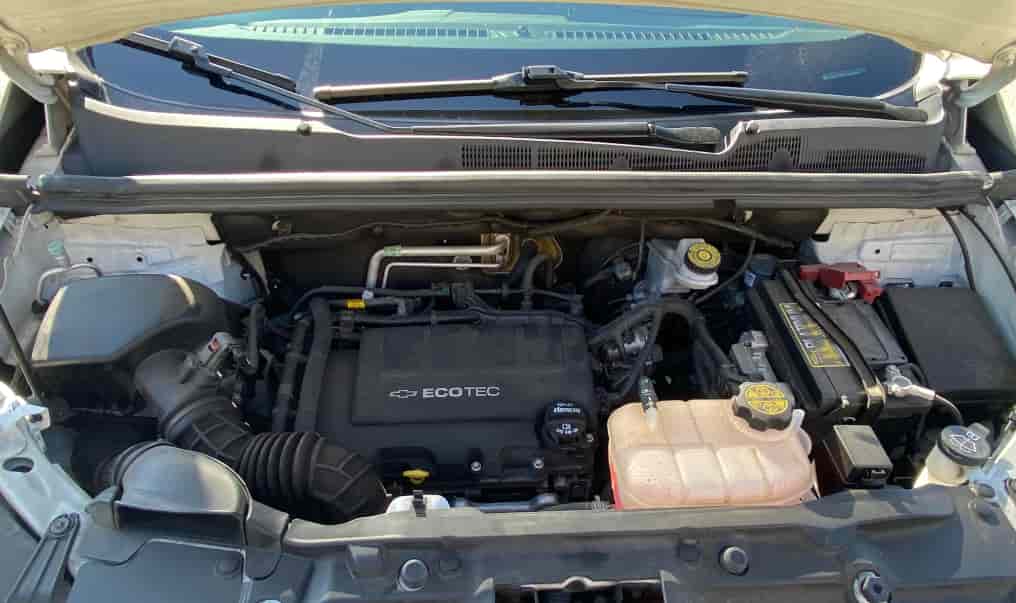
What Is Chevy Traverse AC Recharge and When Do You Need It
The AC system in your Chevy Traverse depends on refrigerant to keep the cabin cool. This fluid absorbs heat and releases it outside the vehicle. When refrigerant levels drop, cooling performance also decreases. That is when a Chevy Traverse AC recharge becomes necessary.
A recharge means adding refrigerant back into the system. However, a properly sealed AC system should not lose refrigerant quickly. If you need frequent recharges, there is likely a leak or another issue.
Common signs are easy to notice. The AC may blow warm air instead of cold. Cooling can feel weak or inconsistent. You might also hear unusual noises when the system runs. In some cases, the AC compressor cycles on and off more often than normal.
There is no fixed schedule for AC recharge. Many systems can run for years without needing one. That is why recognizing these symptoms is more important than following a timeline. Acting early can help you avoid expensive repairs later.
Chevy Traverse AC Recharge Step by Step Guide for DIY
Performing a Chevy Traverse AC recharge at home can save time and money if done correctly. This step by step guide will help you refill your AC system safely while avoiding common mistakes that could damage your vehicle.
First, prepare the right tools. You will need an AC recharge kit that matches your refrigerant type, either R134a or R1234yf depending on your Chevy Traverse model year. Always wear safety gloves and glasses to protect yourself during the process.
Next, locate the low pressure port. This is where you connect the recharge hose. It is usually found on the larger AC line and marked with an L cap. Make sure you do not connect to the high pressure port, as this can be dangerous and lead to system damage.
Start the engine and turn the air conditioning to maximum cooling. Set the fan speed to high. This allows the refrigerant to circulate properly while you perform the Chevy Traverse AC recharge.
Attach the recharge hose securely to the low pressure port. Then begin adding refrigerant slowly. Most kits include a pressure gauge, which helps you monitor the system. Keep the pressure within the recommended range and avoid adding too much refrigerant.
As you recharge, check the air coming from the vents. You should feel a steady drop in temperature. Once the air becomes cold and the pressure is stable, stop adding refrigerant and remove the hose.
Finally, close the port cap and let the AC run for a few minutes. This ensures the refrigerant spreads evenly throughout the system. A proper Chevy Traverse AC recharge should restore strong and consistent cooling.
Refrigerant Type and Capacity for Chevy Traverse
Choosing the correct refrigerant is a critical step in any Chevy Traverse AC recharge. Many drivers skip this detail and end up reducing cooling performance or damaging the system. To avoid this, you need to understand both the refrigerant type and the correct capacity.
Most Chevy Traverse models produced before 2017 use R134a refrigerant. This type is widely available and more affordable. However, newer models typically use R1234yf. This newer refrigerant is more environmentally friendly but also more expensive and sensitive to incorrect handling.
To confirm the correct type, always check the label under the hood. This label provides both the refrigerant type and the exact capacity required. Capacity refers to the precise amount of refrigerant needed for optimal system pressure.
Never guess this value during a Chevy Traverse AC recharge. Adding too little refrigerant will not restore proper cooling. Adding too much can increase pressure and damage key components like the compressor. Both mistakes can lead to higher repair costs.
Understanding refrigerant specifications ensures that your AC system runs efficiently. It also helps you avoid common DIY errors that reduce system lifespan.
Chevy Traverse AC Recharge Cost: DIY vs Professional Service
The cost of a Chevy Traverse AC recharge depends on whether you choose a DIY approach or professional service. Each option has its own advantages and risks.
A DIY recharge is the most budget friendly choice. Most recharge kits cost between 30 and 80 dollars. This makes it an attractive option for drivers who want to save money. It also allows you to complete the process quickly at home.
However, DIY is only effective when the issue is low refrigerant. If your system has a leak or mechanical failure, the problem will return. In such cases, repeated recharges can waste both time and money.
Professional AC service costs more but offers better reliability. A typical Chevy Traverse AC recharge at a repair shop ranges from 150 to 400 dollars. This price often includes system inspection, pressure testing, and proper refrigerant handling.
Costs can increase significantly if there are hidden issues. A refrigerant leak or a faulty compressor can push the total repair cost beyond 1000 dollars. This is where many drivers feel frustrated, especially if the issue was not diagnosed early.
Choosing between DIY and professional service depends on your situation. If your AC simply lost efficiency, DIY may be enough. If the system fails repeatedly, professional diagnosis is the safer and more cost effective solution.
Common Problems After Chevy Traverse AC Recharge
Many drivers expect instant results after a Chevy Traverse AC recharge. In some cases, the AC still does not perform as expected. This often leads to confusion and frustration.
One common issue is that the AC continues to blow warm air. This usually means the problem is not just low refrigerant. A faulty compressor, clogged condenser, or damaged expansion valve can all affect cooling performance. In these cases, recharging alone will not solve the issue.
Another problem is weak or inconsistent airflow. The system may cool for a short time and then lose performance again. This often points to pressure imbalance or internal system faults.
Overcharging is also a frequent mistake. Adding too much refrigerant can increase system pressure and reduce cooling efficiency. It may even damage the compressor over time.
Some drivers notice that the cooling improves briefly after a Chevy Traverse AC recharge but fades quickly. This is a strong sign of a refrigerant leak. The system cannot hold pressure, so the effect of the recharge does not last.
Understanding these common problems helps you avoid repeated mistakes. It also allows you to identify when a deeper repair is needed instead of another recharge.
Why Your Chevy Traverse AC Keeps Losing Refrigerant
If your system requires frequent Chevy Traverse AC recharge, there is almost always an underlying issue. Refrigerant does not disappear on its own in a sealed system. Loss of refrigerant usually indicates a leak.
Leaks can occur in several parts of the AC system. Common locations include hoses, compressor seals, the condenser, and the evaporator. Over time, these components can wear out due to heat and pressure.
One early sign of a leak is reduced cooling performance. You may also notice oily residue around AC components. This residue often comes from refrigerant mixed with compressor oil.
In some cases, there may be a faint chemical smell inside the cabin. This can happen when the evaporator develops a leak. Although the smell may seem minor, it often signals a deeper issue.
Ignoring a refrigerant leak can lead to serious damage. Low refrigerant levels force the compressor to work harder, which increases wear and the risk of failure. Repairing a compressor is much more expensive than fixing a small leak early.
Instead of repeatedly performing a Chevy Traverse AC recharge, it is important to identify and fix the source of the leak. This ensures long term performance and prevents unnecessary costs.
Which Option Is Better for AC Recharge
Choosing between DIY and professional service for a Chevy Traverse AC recharge depends on your situation. Each option has clear advantages, but also certain risks.
A DIY recharge is ideal when the system is only low on refrigerant. It is fast, affordable, and easy to perform with the right tools. Many drivers prefer this option because it saves money and time. You can complete the process at home without scheduling a repair visit.
However, DIY is not always the best choice. If your AC system has deeper issues, a recharge alone will not fix the problem. Leaks, compressor failure, or pressure imbalance require proper diagnosis. Without the right tools, these issues are difficult to detect.
Professional service offers a more complete solution. A mechanic can inspect the system, test for leaks, and ensure the correct pressure level. This reduces the risk of repeated problems after the recharge.
The main drawback is cost. A professional Chevy Traverse AC recharge is more expensive than doing it yourself. Still, it can save money in the long run by preventing misdiagnosis and further damage.
If your AC recently lost cooling, DIY may be enough. If the problem keeps returning, professional service is the safer and smarter option.
How Often Should You Recharge Chevy Traverse AC
Many drivers ask how often they should perform a Chevy Traverse AC recharge. The answer may be surprising. There is no fixed schedule for recharging your AC system.
A properly sealed system can run for several years without needing additional refrigerant. In normal conditions, refrigerant does not get used up like engine oil. This means you should not recharge the system unless there is a clear reason.
The need for recharge usually depends on system condition. If your AC starts blowing warm air or loses cooling efficiency, it may be time to check refrigerant levels. However, frequent recharging is a warning sign.
If you find yourself recharging every year, there is likely a leak or internal issue. Continuing to recharge without fixing the root cause will only lead to higher costs over time.
Regular inspection is a better approach than routine recharging. Checking system performance and looking for early signs of problems can help maintain efficiency.
Understanding this helps you avoid unnecessary maintenance. It also ensures that your Chevy Traverse AC recharge is only done when truly needed.
Conclusion
A proper Chevy Traverse AC recharge can restore comfort and improve driving experience, especially during hot weather. However, understanding the system is just as important as performing the recharge itself.
In many cases, low refrigerant is only part of the problem. Issues like leaks, compressor failure, or incorrect pressure can affect performance even after a recharge. This is why it is important to identify the root cause before taking action.
DIY recharge is a great option for simple cases. It is affordable and convenient when done correctly. At the same time, professional service provides a safer solution for more complex problems.
The key is to avoid guesswork. Using the correct refrigerant, following proper steps, and monitoring system behavior will help you get the best results.
If your AC system keeps losing performance, do not ignore the signs. Early action can prevent expensive repairs and extend the life of your vehicle.
Have you tried a Chevy Traverse AC recharge yourself, or are you considering it? Share your experience or questions below and start the discussion.