Many drivers want to know the correct Chevy Malibu gas type before they fill up at the pump. This question matters because fuel choice can affect engine performance, fuel cost, and long term reliability. Some owners also feel confused when they see different advice online about premium and regular gasoline.
The Chevrolet Malibu, built by General Motors, focuses on efficiency and everyday usability. Most Malibu engines work best with regular unleaded gasoline. This fuel usually has an octane rating of 87. In most cases, the engine does not require premium fuel to run properly. However, understanding how fuel interacts with the engine still helps drivers avoid mistakes and unnecessary expenses.
This guide explains the Chevy Malibu gas type in a clear and practical way. You will learn what fuel the car needs, how octane rating affects combustion, and when premium fuel makes sense. The article also covers engine differences across Malibu models and clears up common misunderstandings.
By the end, you will know exactly what fuel your Chevrolet Malibu needs. You will also understand why the right fuel choice supports both performance and cost efficiency in daily driving.
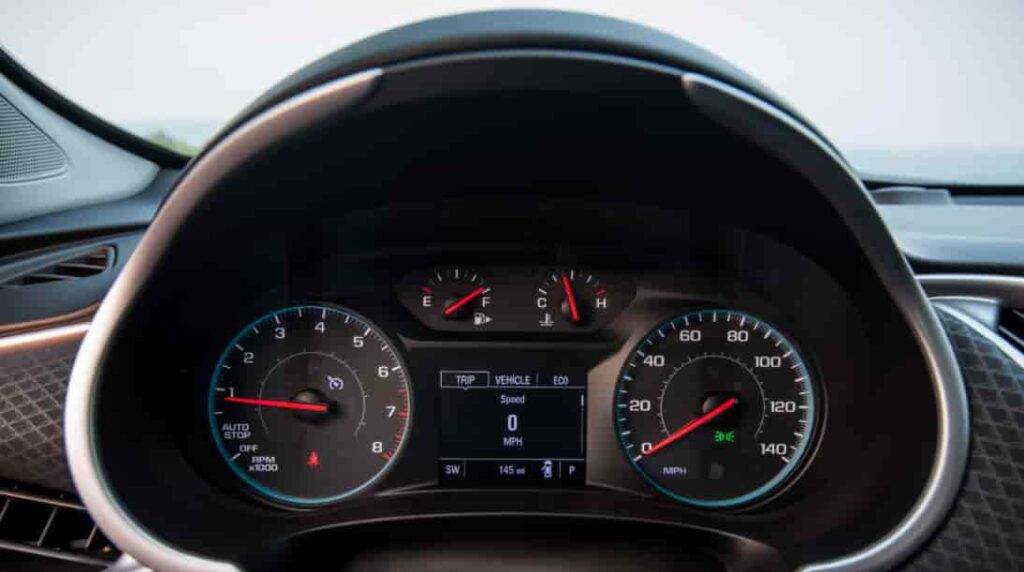
WHAT IS THE RECOMMENDED CHEVY MALIBU GAS TYPE?
Most Chevrolet Malibu models use regular unleaded gasoline as the recommended fuel. This applies to most engines produced by General Motors in recent years. The standard requirement is usually 87 octane fuel. This level supports normal combustion and keeps engine operation stable in daily driving conditions.
The Chevrolet Malibu is designed as a midsize sedan focused on efficiency rather than high performance tuning. Because of this design, engineers optimize the engine control system to work well with regular fuel. The combustion system adjusts timing automatically to maintain smooth operation even under different driving conditions.
Drivers often assume that premium fuel improves performance. In most Malibu engines, this assumption does not hold true. The engine does not gain extra horsepower or fuel economy from higher octane gasoline. Instead, it only adjusts combustion timing to match the fuel grade. This means regular fuel already meets the required specification for most driving situations.
However, drivers should always check the owner manual for their specific model year. Some engine variants, especially turbocharged versions in certain trims, may respond differently under heavy load conditions. Even then, General Motors still designs most configurations to run safely on regular unleaded gasoline.
Choosing the correct Chevy Malibu gas type helps avoid unnecessary fuel costs. It also ensures the engine runs within its intended design parameters without performance loss in normal use.
OCTANE RATING EXPLAINED FOR CHEVY MALIBU GAS TYPE
Octane rating describes how well gasoline resists engine knock during combustion. In the context of Chevy Malibu gas type, this rating plays an important role in how the engine burns fuel under pressure. Most Chevrolet Malibu models use 87 octane gasoline as the standard requirement.
Lower octane fuel ignites more easily under compression. Higher octane fuel resists premature ignition. This difference matters in high performance engines with high compression ratios. However, most Chevrolet Malibu engines from General Motors operate with moderate compression levels. This design reduces the need for high octane fuel.
The engine control system in a Chevrolet Malibu monitors combustion continuously. It adjusts ignition timing to prevent knock when fuel quality changes. This system allows the engine to maintain safe operation even if fuel conditions vary. Because of this adaptive control, regular unleaded gasoline still performs efficiently in most driving situations.
Many drivers believe that higher octane fuel improves efficiency or power. In a Chevrolet Malibu, this effect is minimal or nonexistent under normal driving conditions. The engine does not gain additional horsepower from premium fuel because it is not tuned to require it.
Using the correct Chevy Malibu gas type ensures stable combustion and consistent performance. It also prevents unnecessary spending on fuel that does not provide measurable benefits in everyday driving.
ENGINE COMPATIBILITY AND FUEL REQUIREMENTS
Different engine types in the Chevrolet Malibu affect how the vehicle responds to fuel. Most models use either a 1.5L turbocharged engine or a 2.0L turbocharged engine from General Motors. Both engines still operate within the same general Chevy Malibu gas type recommendation, but their behavior under load can differ slightly.
The 1.5L turbo engine focuses on fuel efficiency and daily commuting. It is calibrated to run smoothly on regular unleaded gasoline with 87 octane. This engine prioritizes balanced combustion over aggressive power output. In normal driving conditions, it performs consistently without requiring premium fuel.
The 2.0L turbo engine delivers higher performance output. It produces more power and torque, especially during acceleration. Even with this setup, General Motors still designs the engine to operate safely on regular fuel. The engine control unit adjusts timing to manage combustion and reduce knock risk. In some high load situations, premium fuel may slightly improve smoothness, but it does not become a requirement.
Fuel compatibility depends on how the engine manages compression, airflow, and ignition timing. Modern Chevrolet Malibu engines use adaptive systems that respond to fuel quality in real time. This reduces the risk of damage and keeps performance stable across different fuel grades.
Understanding the Chevy Malibu gas type for each engine helps drivers avoid confusion. It also ensures they choose fuel based on real engineering requirements instead of assumptions or marketing claims.
DOES PREMIUM FUEL IMPROVE CHEVY MALIBU PERFORMANCE?
Many drivers believe premium gasoline can improve performance in a Chevrolet Malibu. This idea often comes from marketing messages or general assumptions about fuel quality. In reality, the Chevy Malibu gas type recommendation does not require premium fuel for most models.
The engine in a Chevrolet Malibu is not tuned to gain power from higher octane fuel. It already delivers its designed performance using regular unleaded gasoline. When drivers use premium fuel, the engine control system does not increase horsepower or torque in a noticeable way. It continues to operate within the same factory calibration set by General Motors.
Fuel economy also does not improve significantly with premium gasoline in most driving conditions. Some drivers may notice small variations, but these changes usually come from driving habits, traffic conditions, or weather rather than fuel grade. The engine adjusts ignition timing automatically, so it maintains stable combustion with regular fuel.
Premium fuel only becomes useful in engines that require higher octane to prevent knock under high compression. The Chevrolet Malibu does not fall into that category in most configurations. Because of this, using premium fuel often leads to higher costs without meaningful benefits.
Understanding the correct Chevy Malibu gas type helps drivers avoid unnecessary expenses. It also ensures they make fuel choices based on engineering needs instead of assumptions. For most owners, regular unleaded gasoline remains the most practical and efficient option.
WHAT HAPPENS IF YOU USE THE WRONG GAS TYPE?
Using the wrong fuel in a Chevrolet Malibu can raise concerns, but most modern engines include protection systems that reduce serious risk. The Chevy Malibu gas type recommendation is designed around regular unleaded gasoline, so small deviations usually do not cause immediate damage.
If a driver accidentally uses lower quality fuel or inconsistent gasoline, the engine control unit reacts quickly. It adjusts ignition timing to stabilize combustion and reduce knocking. This adaptive system helps protect the engine during short term fuel variation.
However, repeated use of fuel that does not meet the recommended octane level can affect long term performance. The engine may run less smoothly, and fuel efficiency can drop slightly. In some cases, drivers may notice minor knocking sounds under heavy acceleration. These symptoms happen because combustion becomes less stable under load.
Using higher ethanol blends than recommended can also influence fuel efficiency. Ethanol contains less energy per unit compared to pure gasoline, which may reduce mileage. The vehicle can still operate safely, but performance consistency may change depending on driving conditions.
In most situations, the Chevrolet Malibu will not suffer immediate mechanical failure from incorrect fuel use. General Motors designs modern engines with tolerance systems that protect internal components. Still, following the correct Chevy Malibu gas type remains important for maintaining long term efficiency and preventing avoidable performance issues.
FUEL ECONOMY AND CHEVY MALIBU GAS TYPE RELATIONSHIP
Fuel economy in a Chevrolet Malibu depends on several factors, and fuel type is only one part of the equation. The Chevy Malibu gas type recommendation focuses on regular unleaded gasoline because it delivers stable combustion at a reasonable cost.
In real world driving, miles per gallon is influenced more by driving behavior than by switching fuel grades. Acceleration habits, traffic conditions, vehicle load, and weather all play a major role in fuel consumption. The engine in a Chevrolet Malibu is designed to maintain efficiency under typical commuting conditions, especially in city and highway use.
The engine control system continuously adjusts fuel injection and ignition timing. This helps maintain consistent combustion efficiency even when driving conditions change. Because of this adaptive system, using premium fuel does not significantly improve fuel economy in most cases.
Some drivers expect higher octane fuel to increase MPG. In the Chevrolet Malibu, this expectation is usually incorrect. The engine is not calibrated to extract extra energy from premium gasoline. Instead, it is optimized for regular fuel efficiency within its designed operating range.
Driving style remains the strongest factor affecting fuel economy. Smooth acceleration, steady speeds, and proper maintenance improve MPG more than any change in fuel grade. Understanding the correct Chevy Malibu gas type helps drivers focus on practical savings instead of unnecessary fuel upgrades.
CONCLUSION
Understanding the Chevy Malibu gas type helps drivers make better decisions at the fuel pump and avoid unnecessary spending. Most Chevrolet Malibu models from General Motors are designed to run efficiently on regular unleaded gasoline with an 87 octane rating. This setup supports stable combustion, reliable performance, and balanced fuel economy for everyday driving.
Across different engine configurations, including both 1.5L turbo and 2.0L turbo versions, the vehicle maintains compatibility with regular fuel. The engine management system adjusts timing automatically to handle normal variations in fuel quality. Because of this design, premium gasoline does not provide meaningful performance or efficiency benefits in most situations.
Many drivers assume that higher octane fuel improves power or mileage. In reality, the Chevrolet Malibu is not engineered to rely on premium fuel. Its performance depends more on driving habits, maintenance, and consistent use of the recommended fuel type than on fuel grade upgrades.
Choosing the correct Chevy Malibu gas type ensures long term engine stability and cost efficiency. It also helps drivers avoid confusion caused by conflicting advice online. When owners follow manufacturer recommendations, they get the best balance between performance, durability, and fuel cost in daily use.