Few automotive problems are as frustrating as turning on your Toyota Corolla’s air conditioning during a hot summer day only to discover that warm air is blowing from the vents. While several issues can affect an air conditioning system, a failing AC compressor is often one of the most expensive and critical repairs Corolla owners face.
The AC compressor serves as the heart of your vehicle’s air conditioning system. It circulates refrigerant throughout the system, allowing the cabin to stay cool and comfortable regardless of outside temperatures. When the compressor begins to fail, drivers may notice weak cooling performance, unusual noises, refrigerant leaks, or even a complete loss of air conditioning.
One of the biggest concerns for vehicle owners is understanding how much a Toyota Corolla AC compressor replacement will cost. Repair estimates can vary significantly depending on the model year, labor rates, parts quality, and whether additional components need replacement. Without accurate information, many drivers worry about overpaying or making the wrong repair decision.
In this complete Toyota Corolla AC compressor replacement cost guide, we will break down average replacement costs, labor expenses, pricing factors, common warning signs, and practical ways to save money. By the end of this guide, you will have a clear understanding of what to expect before scheduling your repair.
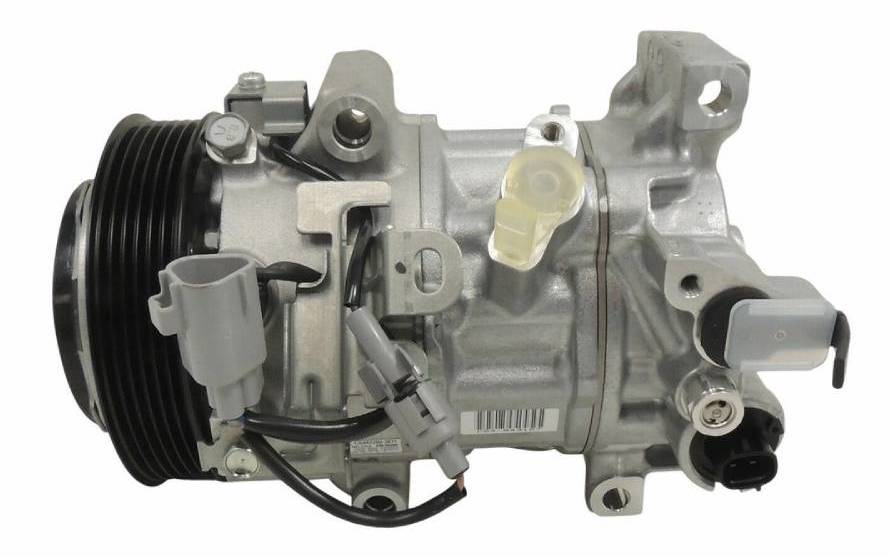
Average Toyota Corolla AC Compressor Replacement Cost
If your Toyota Corolla’s air conditioning system stops producing cold air, one of the first questions you will likely ask is how much the repair will cost. The answer depends on several factors, but most Corolla owners can expect to spend anywhere from $700 to $1,500 for a complete AC compressor replacement.
The compressor itself typically costs between $350 and $900, depending on whether you choose an Original Equipment Manufacturer (OEM) part or an aftermarket replacement. Labor costs generally range from $300 to $600 because replacing an AC compressor involves recovering refrigerant, removing multiple components, installing the new compressor, recharging the system, and performing leak tests.
The following table provides a general cost estimate:
| Repair Type | Estimated Cost |
|---|---|
| Compressor Only | $350 to $900 |
| Compressor and Labor | $700 to $1,500 |
| Complete AC System Repair | $1,000 to $2,500+ |
It is important to remember that these figures represent average market pricing. Costs may increase if other air conditioning components have been damaged due to compressor failure. In some cases, metal debris from a failed compressor can contaminate the entire system, requiring additional repairs and significantly increasing the final bill.
For many Toyota Corolla owners, obtaining multiple repair estimates is one of the best ways to avoid paying more than necessary. Prices can vary substantially between dealerships and independent repair shops, even for the same repair.
Toyota Corolla AC Compressor Replacement Cost by Model Year
The cost of replacing an AC compressor can vary based on your Corolla’s model year. Older models often have lower parts costs, while newer vehicles may require more advanced components and specialized labor.
2000 to 2008 Toyota Corolla
Older Corolla models typically feature simpler air conditioning systems and lower replacement costs. Owners can usually expect to pay between $650 and $1,100 for a complete compressor replacement.
Parts availability is generally good, and many aftermarket options are available at competitive prices. Labor times are often lower because technicians are familiar with these vehicles and their straightforward design.
2009 to 2013 Toyota Corolla
For this generation, replacement costs commonly range from $700 to $1,250. Compressor failures in these models may be accompanied by clutch wear or refrigerant leaks, which can add to the overall repair cost.
Many owners choose aftermarket compressors to reduce expenses while maintaining reliable cooling performance.
2014 to 2019 Toyota Corolla
Repair costs generally fall between $850 and $1,400. These vehicles often use more sophisticated air conditioning components, and OEM parts can be significantly more expensive.
Because many of these vehicles are still actively driven, owners often prefer higher quality replacement components to maximize long term reliability.
2020 to 2026 Toyota Corolla
Newer Corolla models can cost between $1,000 and $1,800 or more for compressor replacement. Advanced climate control systems, electronic integration, and higher parts pricing contribute to increased repair expenses.
Owners of newer vehicles should carefully compare warranty options before proceeding with repairs, as some components may still qualify for manufacturer coverage.
What Factors Affect AC Compressor Replacement Cost?
Many drivers are surprised to discover that two repair shops can provide dramatically different estimates for the same Toyota Corolla AC compressor replacement. Several important factors influence the final price.
OEM Versus Aftermarket Parts
OEM compressors are manufactured to Toyota’s original specifications and typically offer excellent fitment, performance, and warranty protection. However, they often cost significantly more than aftermarket alternatives.
Aftermarket compressors can save hundreds of dollars and may provide comparable performance when purchased from reputable manufacturers. Quality varies considerably between brands, making research essential before purchasing.
Labor Rates
Labor charges vary widely depending on location and repair facility. Toyota dealerships usually charge higher hourly labor rates than independent repair shops. While dealerships may offer factory trained technicians, many independent shops provide equally competent service at lower prices.
Geographic Location
Repair costs in major metropolitan areas are often higher due to increased labor rates and operating expenses. Drivers in smaller cities or rural areas may benefit from lower repair costs.
Additional Components
In some cases, replacing only the compressor is not enough. Technicians may recommend replacing related components such as the condenser, receiver drier, expansion valve, or refrigerant lines. These additional repairs can significantly increase the total cost but may help prevent future system failures.
Understanding these pricing factors can help Toyota Corolla owners make informed decisions and avoid unexpected repair expenses.
Signs Your Toyota Corolla AC Compressor Needs Replacement
Identifying the warning signs of a failing AC compressor early can save Toyota Corolla owners hundreds of dollars in repair costs. Many drivers ignore minor symptoms until the air conditioning system stops working completely, which can lead to more extensive damage throughout the system.
Warm Air Coming From the Vents
One of the most common symptoms of a failing compressor is warm or mildly cool air coming from the vents even when the air conditioning is set to its coldest setting. Since the compressor is responsible for circulating refrigerant through the system, reduced performance often results in insufficient cooling.
While warm air can also be caused by refrigerant leaks or electrical issues, compressor failure should always be considered when cooling performance suddenly declines.
Unusual Noises From the Engine Bay
A healthy AC compressor operates quietly. If you begin hearing grinding, rattling, squealing, or clicking sounds when the air conditioning is running, the compressor’s internal components may be wearing out.
These noises often indicate damaged bearings, a failing clutch, or internal mechanical failure. Ignoring these sounds can eventually lead to complete compressor seizure and more expensive repairs.
Compressor Clutch Problems
The compressor clutch engages and disengages the compressor as needed. If the clutch fails to engage properly, the compressor cannot circulate refrigerant through the system.
Drivers may notice intermittent cooling, unusual noises, or a complete lack of cold air. In some situations, replacing the clutch alone may solve the problem. However, severe wear often requires replacement of the entire compressor assembly.
Refrigerant Leaks
A failing compressor may develop leaks around its seals or housing. Refrigerant leaks can reduce cooling efficiency and place additional stress on the entire air conditioning system.
Oil residue around the compressor or AC lines is often a warning sign that refrigerant is escaping. Professional inspection is recommended whenever a leak is suspected.
Reduced Fuel Efficiency
Although many drivers overlook this symptom, a failing compressor can increase engine load and reduce fuel efficiency. If your Corolla’s fuel consumption suddenly increases while experiencing AC issues, the compressor could be contributing to the problem.
Recognizing these warning signs early can help prevent secondary damage and reduce overall repair costs.
Can You Drive With a Bad AC Compressor?
Many Toyota Corolla owners wonder whether it is safe to continue driving after an AC compressor begins to fail. The answer depends on the severity of the problem and the condition of the compressor.
In the early stages of failure, the vehicle will usually remain drivable. The most noticeable consequence may be poor cabin cooling, which can make driving uncomfortable during hot weather. However, even if the car appears to operate normally, delaying repairs may create additional problems.
As the compressor deteriorates, internal components can begin shedding metal particles into the air conditioning system. These contaminants can travel through refrigerant lines and damage the condenser, expansion valve, and other expensive components. What begins as a compressor replacement may eventually become a complete AC system overhaul.
In more severe cases, the compressor can seize completely. A seized compressor may place excessive strain on the drive belt system and potentially cause belt failure. If the belt powers other critical engine accessories, the vehicle could become unsafe to drive.
Another consideration is repair cost escalation. Many drivers postpone repairs to save money, only to discover months later that additional components have failed. Addressing compressor issues early is often the most cost effective approach.
If your Toyota Corolla is experiencing compressor related symptoms, scheduling an inspection as soon as possible can help prevent further damage and protect your investment.
OEM vs Aftermarket Toyota Corolla AC Compressors
One of the most important decisions Corolla owners face during compressor replacement is choosing between an OEM compressor and an aftermarket alternative. Both options have advantages and disadvantages, and the best choice depends on budget, vehicle age, and long term ownership plans.
OEM AC Compressors
OEM compressors are produced according to Toyota’s original engineering specifications. These units are designed to match the vehicle’s factory air conditioning system precisely.
The primary advantages of OEM compressors include excellent fitment, predictable performance, high reliability, and strong warranty support. Many drivers prefer OEM components because they provide peace of mind and maintain factory level performance.
The main disadvantage is cost. OEM compressors are often significantly more expensive than aftermarket alternatives. For owners of older Corolla models, the additional expense may not always be justified.
Aftermarket AC Compressors
Aftermarket compressors are manufactured by third party companies and are available in a wide range of quality levels and price points.
The biggest advantage is affordability. High quality aftermarket compressors can often reduce repair costs by several hundred dollars while still delivering reliable cooling performance.
The challenge lies in product selection. Not all aftermarket brands offer the same level of quality. Choosing a low quality compressor may lead to premature failure, reduced cooling efficiency, or additional repair expenses.
Which Option Provides Better Value?
For newer Toyota Corolla models that owners plan to keep for many years, OEM compressors often provide the best long term value due to their reliability and warranty coverage.
For older vehicles with higher mileage, a reputable aftermarket compressor can offer excellent performance at a lower cost. The key is selecting a trusted brand and ensuring professional installation.
Regardless of which option you choose, replacing the compressor with a quality component and properly servicing the entire air conditioning system will significantly improve reliability and cooling performance.
DIY vs Professional AC Compressor Replacement
When faced with a costly AC compressor replacement, many Toyota Corolla owners consider whether performing the repair themselves could save money. While a do it yourself approach can reduce labor expenses, it is important to understand the complexity of the job before making a decision.
DIY AC Compressor Replacement
At first glance, replacing an AC compressor may appear straightforward. However, modern automotive air conditioning systems require specialized tools and technical knowledge. The repair involves recovering refrigerant, removing drive belts and related components, installing the new compressor, evacuating air from the system, and recharging refrigerant to precise specifications.
A DIY repair may reduce labor costs by several hundred dollars, but owners often need to purchase or rent equipment such as manifold gauges, vacuum pumps, and refrigerant recovery tools. Mistakes during installation can result in poor cooling performance, refrigerant leaks, or damage to the new compressor.
In addition, many regions have environmental regulations governing the handling and disposal of refrigerants. Improper procedures may violate local laws and create safety risks.
Professional AC Compressor Replacement
Professional repair shops have the equipment, training, and experience necessary to complete the job correctly. Technicians can inspect the entire air conditioning system, identify related problems, and ensure proper refrigerant levels after installation.
Professional replacement also typically includes labor warranties and, in some cases, additional protection on replacement parts. Although the upfront cost is higher, many drivers find that professional service reduces the risk of future issues and unexpected expenses.
Which Option Is Best?
For experienced automotive enthusiasts with access to the necessary tools, a DIY compressor replacement may be a viable option. However, for most Toyota Corolla owners, professional installation offers the safest and most reliable solution.
Considering the cost of specialized equipment, the complexity of the repair, and the importance of proper refrigerant handling, professional service often delivers the best overall value.
How to Save Money on Toyota Corolla AC Compressor Replacement
Replacing an AC compressor can be expensive, but there are several practical ways to reduce costs without sacrificing quality or reliability.
Compare Multiple Repair Estimates
One of the easiest ways to save money is to obtain quotes from multiple repair facilities. Prices can vary significantly between dealerships, independent repair shops, and specialty air conditioning service centers.
Comparing estimates allows you to identify reasonable pricing and avoid overpaying for labor or parts.
Consider Quality Aftermarket Parts
OEM compressors provide excellent reliability, but reputable aftermarket alternatives can often deliver comparable performance at a lower price. Researching trusted brands and reading customer reviews can help identify quality options that fit your budget.
Replace Related Components Strategically
If your technician recommends replacing additional components such as the receiver drier or expansion valve, it may be beneficial to complete these repairs during the same service visit. Doing so can reduce future labor costs and improve overall system reliability.
Address Problems Early
Many AC compressor failures begin with minor symptoms such as weak cooling or unusual noises. Ignoring these warning signs can lead to contamination throughout the air conditioning system and significantly higher repair costs.
Prompt diagnosis and repair often prevent more extensive damage and help minimize expenses.
Review Warranty Coverage
Some replacement compressors include manufacturer warranties that provide protection against defects or premature failure. Reviewing warranty terms before purchasing a replacement component can offer valuable long term savings and peace of mind.
Taking a proactive approach to maintenance and repair decisions can significantly reduce the overall cost of keeping your Toyota Corolla’s air conditioning system operating efficiently.
Frequently Asked Questions
How long does a Toyota Corolla AC compressor typically last?
Most Toyota Corolla AC compressors last between 8 and 15 years, depending on driving conditions, climate, maintenance habits, and overall vehicle usage. Regular air conditioning system inspections can help maximize compressor lifespan.
How many labor hours are required for compressor replacement?
Labor times typically range from 3 to 6 hours, depending on the Corolla model year and the complexity of the repair. Some newer models may require additional time due to tighter engine compartment layouts and advanced climate control systems.
Is it worth replacing an AC compressor on an older Corolla?
In many cases, yes. If the vehicle is otherwise mechanically sound and still meets your transportation needs, replacing the compressor can be more economical than purchasing another vehicle. The decision should be based on the car’s overall condition and market value.
Does compressor replacement require refrigerant recharge?
Yes. The refrigerant must be recovered before compressor removal and recharged after installation. Proper refrigerant levels are essential for cooling performance and compressor longevity.
How can I tell whether the compressor or condenser is bad?
Both components can cause poor cooling performance. A professional inspection using pressure gauges and diagnostic equipment is often necessary to determine the exact source of the problem.
Conclusion
The average Toyota Corolla AC compressor replacement cost typically ranges from $700 to $1,500, although actual expenses can vary depending on the model year, labor rates, replacement parts, and the condition of the overall air conditioning system.
Understanding the warning signs of compressor failure can help drivers address problems before they become more serious and expensive. Symptoms such as warm air from the vents, unusual noises, refrigerant leaks, and intermittent cooling should never be ignored. Early intervention often prevents damage to other AC components and helps keep repair costs under control.
When replacing a compressor, owners should carefully evaluate the benefits of OEM and aftermarket parts, compare repair estimates from multiple shops, and consider warranty coverage before making a final decision. A well informed approach can lead to significant savings without compromising reliability.
While the repair may seem costly, restoring your Toyota Corolla’s air conditioning system can greatly improve comfort, driving enjoyment, and vehicle value. By understanding the factors that influence pricing and choosing quality parts and professional installation when appropriate, you can ensure dependable cooling performance for years to come.