Smelling gasoline while driving your Chevy Cobalt is never something you should ignore. What may seem like a minor inconvenience can quickly turn into a serious safety hazard if left unchecked. A Chevy Cobalt fuel line leak is one of those hidden issues that often starts small but can escalate into costly repairs or even dangerous situations like engine fires.
Many drivers overlook early warning signs such as a faint fuel odor or a slight drop in fuel efficiency. The problem is that these subtle symptoms are often the first indicators of a leaking fuel line. As time passes, the leak can worsen, increasing the risk of fuel dripping onto hot engine components. This creates a perfect condition for fire hazards, putting both the vehicle and its occupants at risk.
Beyond safety concerns, ignoring a fuel line leak can also lead to higher repair costs. A simple fix today might turn into a full fuel system replacement tomorrow. This is why understanding the root causes, recognizing the symptoms early, and knowing how to fix the issue quickly is essential for every Chevy Cobalt owner.
In this guide, you will learn everything about Chevy Cobalt fuel line leak problems, including what causes them, how to identify the warning signs, the risks involved, and the fastest ways to fix them effectively while saving money.
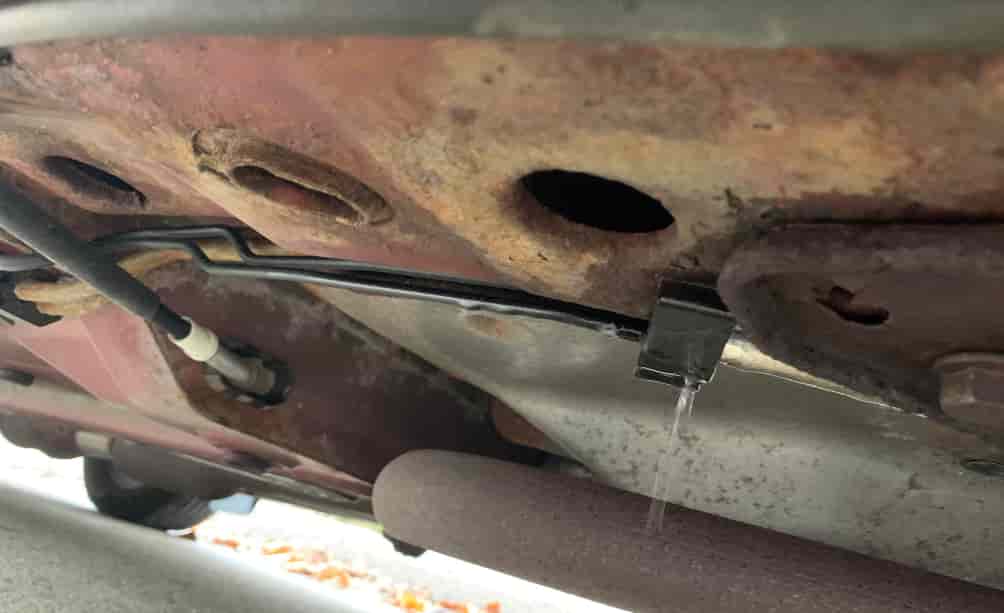
What Is a Fuel Line Leak in Chevy Cobalt
A Chevy Cobalt fuel line leak happens when fuel escapes from the system that carries gasoline from the tank to the engine. This system must stay fully sealed to keep fuel flowing safely and efficiently. When a crack, hole, or loose connection appears, fuel starts leaking out.
The fuel line includes metal tubes and flexible rubber hoses. These parts face constant heat, pressure, and road debris. Over time, these conditions weaken the materials and increase the risk of damage. As a result, leaks become more likely, especially in older Chevy Cobalt models.
Some leaks release fuel vapor, which creates a noticeable gasoline smell. Others allow liquid fuel to drip under the car or near the engine. Even a small leak can quickly become dangerous if you ignore it.
A fuel line leak does more than waste fuel. It reduces fuel pressure and affects engine performance. You may notice rough idling, slow acceleration, or difficulty starting the car. These issues often appear before the leak becomes visible.
Many Chevy Cobalt owners face this problem due to corrosion, aging parts, or lack of maintenance. Understanding how a fuel line leak works helps you detect the issue early and avoid more serious damage.
Common Causes of Chevy Cobalt Fuel Line Leak
A Chevy Cobalt fuel line leak often starts from small issues that develop over time. Understanding the root causes helps you prevent serious damage and avoid unnecessary repair costs.
One of the most common causes is corrosion. Metal fuel lines face moisture, dirt, and road salt every day. These elements slowly eat away the surface and create weak spots. Over time, tiny holes can form and allow fuel to leak out. This problem appears more often in older vehicles or cars driven in harsh environments.
Worn out fuel hoses also play a major role. Rubber hoses lose flexibility as they age. Heat from the engine and constant pressure make them brittle. Cracks begin to form, and fuel starts escaping through these weak areas. Many drivers do not notice this until the smell of gasoline becomes strong.
Loose or damaged connections can also trigger a leak. The fuel system relies on tight seals to maintain pressure. If a clamp loosens or a connector shifts, fuel can seep out. Even a small gap can lead to a noticeable leak over time.
Physical damage is another factor you should not ignore. Road debris, rocks, or minor impacts can hit the underside of your car. These impacts may dent or crack the fuel line. In some cases, the damage remains hidden until the leak becomes severe.
In rare situations, manufacturing defects or poor quality replacement parts can cause early failure. If the fuel line material is weak or improperly installed, leaks can appear sooner than expected.
Each of these causes may start small, but they can quickly turn into a serious safety risk. Identifying the exact cause early allows you to fix the issue faster and prevent further damage to your Chevy Cobalt.
Symptoms of a Fuel Line Leak in Chevy Cobalt
A Chevy Cobalt fuel line leak often shows clear warning signs if you pay close attention. Recognizing these symptoms early can help you avoid serious safety risks and expensive repairs.
One of the most common signs is a strong smell of gasoline. You may notice this odor inside the cabin or around the car after parking. The smell often becomes stronger when the engine runs because fuel pressure increases.
Another clear symptom is visible fuel under the vehicle. You might see small puddles or wet spots near the rear or under the engine area. In some cases, fuel may drip slowly, making it harder to detect at first glance.
Engine performance can also change when a leak develops. The engine may misfire or run rough, especially during acceleration. You might also experience difficulty starting the car because the fuel system cannot maintain proper pressure.
A sudden drop in fuel efficiency is another warning sign. If you find yourself refueling more often without changing your driving habits, a hidden fuel leak could be the cause.
In some cases, the check engine light may turn on. This happens when the system detects irregular fuel pressure or air entering the fuel lines. While this warning can relate to many issues, you should never ignore it.
To make it easier, here is a quick checklist you can use:
- Strong gasoline smell
- Fuel spots or dripping under the car
- Rough engine performance or misfires
- Poor fuel economy
- Check engine light appears
If you notice even one of these symptoms, you should inspect your vehicle as soon as possible. Acting early can prevent the leak from becoming dangerous and help you avoid higher repair costs.
Is It Dangerous to Drive with a Chevy Cobalt Fuel Line Leak
Driving with a Chevy Cobalt fuel line leak is extremely dangerous. This issue goes far beyond fuel loss and directly affects your safety on the road.
The biggest risk is fire. Fuel is highly flammable, and even a small leak can create serious danger. When leaking gasoline comes into contact with hot engine parts, it can ignite quickly. A single spark is enough to start a fire, especially while the engine is running.
A fuel leak can also damage your engine. The fuel system needs stable pressure to work properly. When fuel escapes, the engine may not receive the correct amount of gasoline. This leads to misfires, poor performance, and long term engine wear.
You should also consider the environmental impact. Leaking fuel releases harmful vapors into the air and contaminates the ground. Over time, this can contribute to pollution and create additional hazards.
Another risk involves your safety while driving. A strong fuel smell inside the cabin can cause discomfort or dizziness during long trips. This affects your focus and increases the chance of accidents.
Many drivers make the mistake of ignoring small leaks because the car still runs. This decision often leads to bigger problems. What starts as a minor issue can quickly turn into a costly repair or a dangerous situation.
If you suspect a fuel line leak, you should avoid driving the vehicle unless necessary. Fixing the issue early protects your car, your wallet, and most importantly, your safety.
How to Fix a Chevy Cobalt Fuel Line Leak Fast
Fixing a Chevy Cobalt fuel line leak requires quick action and the right approach. The method you choose depends on the severity of the leak and your experience level.
For minor leaks, a temporary fix can help you manage the situation in the short term. You can use fuel resistant tape or sealant to cover small cracks. This method works best for emergency cases when you need to drive a short distance. However, it does not solve the root problem and should never replace a proper repair.
If you have basic mechanical skills, a DIY repair can save money. Start by locating the exact source of the leak. Then relieve fuel system pressure before removing any components. Replace the damaged section of the fuel line or hose with a high quality part. Make sure all connections are tight and secure before testing the system again. Always work in a well ventilated area and avoid any open flames during the process.
For more serious leaks, professional repair is the safest option. A mechanic can inspect the entire fuel system and identify hidden damage. In many cases, they may recommend replacing a larger section of the fuel line to prevent future issues. This approach costs more upfront but provides long term reliability and peace of mind.
Choosing the right solution depends on how severe the leak is. A small crack may seem easy to handle, but fuel systems are sensitive and require proper care. Acting quickly and using the correct method helps you avoid bigger problems and keeps your Chevy Cobalt safe to drive.
Chevy Cobalt Fuel Line Leak Repair Cost
The cost to fix a Chevy Cobalt fuel line leak can vary depending on the severity of the damage and the repair method you choose. Understanding these costs helps you plan better and avoid overpaying.
For minor issues, such as a small crack or loose connection, the repair cost is relatively low. If you choose a DIY solution, you may only spend between 10 and 50 dollars on materials like fuel hose, clamps, or sealant. This option works best when the leak is easy to access and does not involve major damage.
For moderate repairs, where a section of the fuel line needs replacement, the cost typically ranges from 100 to 300 dollars. This includes both parts and labor if you visit a mechanic. The final price depends on the location of the leak and how difficult it is to access the damaged area.
In more serious cases, a full fuel line replacement may be necessary. This can cost anywhere from 300 to 700 dollars or more. If additional components such as connectors or fuel system parts need replacement, the cost can increase further.
Labor costs also play a significant role. Repairs that require removing other parts or accessing hard to reach areas will take more time and increase the total price. That is why early detection is so important. Fixing a small leak early can save you hundreds of dollars later.
When comparing options, DIY repair offers the lowest upfront cost but requires skill and caution. Professional repair costs more but ensures the job is done correctly and safely.
Spending money early to fix a fuel line leak is always cheaper than dealing with engine damage or fire related repairs later.
How to Prevent Chevy Cobalt Fuel Line Leaks
Preventing a Chevy Cobalt fuel line leak is much easier and cheaper than fixing one. With a few simple habits, you can reduce the risk and keep your fuel system in good condition.
Regular inspection is the most important step. Check under your car and around the engine area for any signs of moisture, cracks, or fuel smell. Early detection helps you stop small problems before they become serious.
Keeping the fuel system clean also plays a key role. Dirt and debris can build up over time and affect fuel flow. Using good quality fuel and occasional fuel system cleaners can help maintain performance and reduce wear.
You should also replace old or worn fuel hoses before they fail. Rubber components do not last forever, especially under heat and pressure. Replacing them on time can prevent unexpected leaks.
Driving habits matter as well. Avoid rough roads when possible, since debris and impacts can damage the fuel line underneath the vehicle. Even small hits can weaken the structure over time.
Consistent maintenance not only prevents leaks but also improves overall engine performance. A well maintained fuel system ensures your Chevy Cobalt runs smoothly, efficiently, and safely.
Conclusion
A Chevy Cobalt fuel line leak may start as a small issue, but it can quickly turn into a serious problem if ignored. From fuel smells to engine performance issues, the warning signs are often clear if you know what to look for.
Understanding the causes, recognizing the symptoms, and knowing the risks give you a strong advantage. More importantly, taking action early can save you from high repair costs and dangerous situations. Whether you choose a quick temporary fix, a DIY repair, or professional service, the key is to act fast and make the right decision.
Fuel leaks are not just about vehicle performance. They directly impact your safety and the safety of others on the road. That is why regular inspection and proper maintenance should always be a priority.
If you notice any signs of a Chevy Cobalt fuel line leak, do not wait. Check your vehicle, identify the issue, and fix it as soon as possible. A small repair today can prevent a major problem tomorrow.