Is your Silverado refusing to start or suddenly stalling on the road? This issue frustrates many truck owners and often leads to the wrong diagnosis. Most people think the fuel pump has failed, but the real problem often comes from the fuel pump control module.
This small component plays a critical role in your truck’s fuel system. It controls how fuel reaches the engine and ensures proper pressure. When it fails, your Silverado may crank without starting, lose power, or trigger warning lights.
Many drivers feel stuck at this point. Repair costs can be high, and the problem feels urgent. That is why the Silverado fuel pump control module bypass has become a popular quick fix. It offers a way to restore fuel flow and get the truck running again.
However, this solution comes with trade offs. A bypass can help in emergencies, but it does not solve the root problem. If done incorrectly, it may lead to further damage or reduced performance.
In this guide, you will learn how the module works, why it fails, and how to perform a Silverado fuel pump control module bypass step by step. You will also understand the risks and decide whether this solution fits your situation.
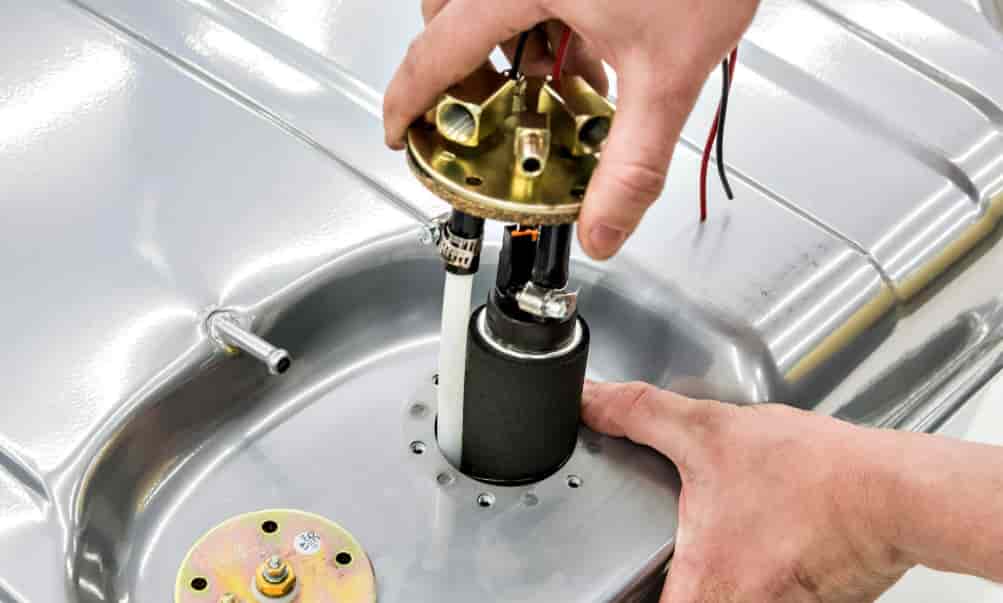
What Is a Fuel Pump Control Module in Silverado
The fuel pump control module plays a central role in your Silverado’s fuel system. It manages how much fuel flows from the tank to the engine. Instead of sending constant power, it adjusts voltage based on engine demand. This helps improve fuel efficiency and engine performance.
In simple terms, the module acts as a bridge between the engine control unit and the fuel pump. The ECU sends signals, and the module translates them into precise fuel delivery. Without this control, the engine would either receive too much or too little fuel.
Most Silverado models place the fuel pump control module near the frame rail, often close to the fuel tank. This location exposes it to moisture, dirt, and road debris. Over time, these factors can damage the module and lead to corrosion.
When the module fails, it disrupts the entire fuel delivery process. The fuel pump may stop working, or it may run without proper control. This is why many drivers experience issues like no start, stalling, or inconsistent performance.
Understanding this component is important before attempting a Silverado fuel pump control module bypass. If you know how it works, you can better judge whether bypassing it is a temporary fix or a risky move.
Common Symptoms of a Failing Fuel Pump Control Module
A failing fuel pump control module can create serious problems for your Silverado. The challenge is that many of these symptoms look similar to other fuel system issues. If you do not recognize them early, you may waste time and money on the wrong repair.
One of the most common signs is an engine that cranks but does not start. The starter works normally, but the engine never fires. This often happens because the fuel pump does not receive proper power.
Another clear symptom is sudden stalling while driving. The truck may run fine for a short time, then shut off without warning. This creates a dangerous situation, especially at high speeds or in traffic.
You may also notice a loss of power during acceleration. The engine feels weak or unresponsive because it does not receive enough fuel under load. In some cases, the truck may hesitate or jerk.
A drop in fuel pressure is another key indicator. Mechanics often detect this issue during a diagnostic test. Low or unstable pressure usually points to a control problem rather than a failed pump.
In many cases, the check engine light will appear. Common trouble codes relate to fuel pressure or fuel system performance. However, these codes do not always point directly to the module, which makes diagnosis more difficult.
If you notice several of these symptoms at the same time, the fuel pump control module becomes a strong suspect. At this stage, many drivers consider a Silverado fuel pump control module bypass as a quick way to confirm the issue or get the vehicle running again.
Causes of Fuel Pump Control Module Failure
Understanding why the fuel pump control module fails helps you avoid repeated issues. Many Silverado owners replace the module or perform a bypass, but the problem returns because the root cause remains.
One of the most common causes is corrosion. The module often sits near the frame rail, where it faces water, mud, and road salt. Over time, moisture builds up and damages the internal circuits. This issue appears frequently in trucks that operate in wet or humid environments.
Water intrusion also plays a major role. If the protective seal weakens, water can enter the module housing. Once inside, it affects electrical connections and leads to unstable performance or complete failure.
Electrical issues can also damage the module. Voltage spikes, poor grounding, or damaged wiring can interrupt communication between the module and the fuel pump. These problems may not appear immediately but can worsen over time.
Heat is another contributing factor. Long drives and heavy loads increase temperature around the fuel system. Excess heat can degrade internal components and reduce the lifespan of the module.
In some cases, normal wear and tear leads to failure. Like any electronic component, the module has a limited lifespan. After years of use, it may stop working without warning.
When these causes combine, the module fails faster and creates serious fuel delivery problems. This is why many drivers look for a Silverado fuel pump control module bypass as a quick solution. However, identifying the root cause remains essential if you want a long term fix.
What Is Silverado Fuel Pump Control Module Bypass
A Silverado fuel pump control module bypass is a method that allows the fuel pump to receive power directly. Instead of going through the control module, the system sends voltage straight to the pump. This helps restore fuel flow when the module fails.
In a normal setup, the control module adjusts fuel delivery based on engine demand. It communicates with the ECU and controls voltage to maintain efficiency. When you bypass it, you remove this control and allow the pump to run more directly.
Many drivers use this method as a temporary fix. It can help the truck start again or keep it running long enough to reach a repair shop. In emergency situations, this solution can save time and reduce stress.
However, this approach changes how the fuel system operates. The pump may run at a constant level instead of adjusting to real time needs. This can affect fuel efficiency and engine performance.
A bypass does not repair the faulty module. It only works around the problem. If you rely on it for too long, it may lead to additional wear on the fuel pump or other components.
For this reason, most experts recommend using a Silverado fuel pump control module bypass only as a short term solution. It works best when you need a quick fix and plan to replace the module later.
Risks of Bypassing the Fuel Pump Control Module
A Silverado fuel pump control module bypass may seem like a quick and simple fix. However, it comes with several risks that you should understand before taking action.
The biggest issue is the loss of fuel control. The module normally adjusts fuel pressure based on engine demand. When you bypass it, the fuel pump may run at a constant level. This can lead to inefficient fuel delivery and poor engine performance.
Another risk is increased fuel consumption. Since the system no longer optimizes fuel flow, your truck may use more fuel than necessary. Over time, this can raise operating costs and reduce overall efficiency.
You should also consider the impact on the fuel pump itself. A constant power supply can put extra stress on the pump. This may shorten its lifespan and lead to additional repairs.
Engine performance may become less stable as well. You might notice rough idling, hesitation, or inconsistent acceleration. These issues occur because the engine does not receive the correct fuel mixture under different driving conditions.
There is also a safety concern. An improperly done bypass can create wiring issues or increase the risk of electrical faults. If connections are not secure, it may lead to further damage.
For these reasons, a Silverado fuel pump control module bypass works best as a temporary solution. It helps you get back on the road, but it should not replace proper repair. A full replacement remains the safest and most reliable long term option.
Step by Step Guide to Perform Silverado Fuel Pump Control Module Bypass
Before you begin, make sure you understand that this is a temporary solution. You should only perform a Silverado fuel pump control module bypass when necessary. Always work carefully to avoid electrical damage or safety risks.
Step 1: Disconnect the battery
Start by disconnecting the negative battery terminal. This step protects you from electrical shock and prevents short circuits during the process.
Step 2: Locate the fuel pump control module
Find the module near the frame rail, usually close to the fuel tank. In many Silverado models, it sits under the truck and is exposed to road conditions. Look for a small metal box with wiring connected to it.
Step 3: Identify the power and fuel pump wires
Use a wiring diagram specific to your Silverado model. You need to identify the power supply wire and the wire that leads to the fuel pump. This step is critical, so do not guess.
Step 4: Prepare a jumper wire
Take a proper gauge wire and strip both ends. This wire will connect power directly to the fuel pump. Make sure it is strong enough to handle the electrical load.
Step 5: Connect power directly to the fuel pump
Attach the jumper wire from the power source to the fuel pump wire. This action bypasses the control module and allows the pump to run directly.
Step 6: Secure all connections
Ensure all connections are tight and insulated. Loose or exposed wires can cause serious issues, including electrical shorts or fire risk.
Step 7: Reconnect the battery and test
Reconnect the battery and turn the ignition key. Listen for the fuel pump and try to start the engine. If the truck starts, the bypass works as intended.
Important Notes
Always double check your wiring before reconnecting power.
Avoid using this setup for long term driving.
Plan to replace the module as soon as possible.
This step by step Silverado fuel pump control module bypass guide helps you get your truck running again quickly. However, it does not replace a proper repair.
Bypass vs Replacement Which Is the Better Option
When facing a failed module, many Silverado owners hesitate between a quick bypass and a full replacement. Each option has its own benefits and limitations, so choosing the right one depends on your situation.
A Silverado fuel pump control module bypass offers a fast and low cost solution. You can get the truck running again without waiting for parts or paying high repair fees. This option works well in emergencies or when you need to move the vehicle immediately.
However, a bypass does not provide long term reliability. It removes the system’s ability to control fuel delivery properly. Over time, this can lead to reduced efficiency and additional wear on the fuel pump.
On the other hand, replacing the module restores the system to its original condition. The engine receives the correct fuel pressure, and overall performance returns to normal. This option ensures stability, safety, and long term reliability.
The downside is cost. A replacement requires both parts and labor, which can feel expensive for many drivers. This is often the main reason people choose a bypass first.
If you need a quick fix, a bypass makes sense. If you want a permanent solution, replacement is the better choice. In most cases, the best approach is to use the bypass temporarily, then plan for a proper repair as soon as possible.
Cost of Replacing a Fuel Pump Control Module
The cost of replacing a fuel pump control module on a Silverado can vary depending on the model year and location. However, most drivers can expect a moderate repair cost compared to other major components.
The price of a new module usually ranges from 100 to 300 USD. The variation depends on whether you choose an OEM part or an aftermarket option. OEM parts tend to cost more but offer better reliability and compatibility.
Labor costs can range from 100 to 200 USD. The job itself is not extremely complex, but it may take time due to the module’s location under the vehicle. Some shops also charge extra if there is corrosion or wiring damage.
In total, most Silverado owners spend between 200 and 500 USD for a full replacement. While this may feel expensive, it provides a long term solution and restores proper fuel system control.
If you have basic mechanical skills, you can reduce costs by replacing the module yourself. This approach saves on labor but requires careful handling and the right tools.
Final Verdict
A Silverado fuel pump control module bypass can help you get back on the road quickly when your truck refuses to start or suddenly stalls. It offers a practical solution in urgent situations and can save you from immediate towing or repair costs.
However, this method does not fix the root problem. It removes an important layer of control from your fuel system and may lead to reduced efficiency, unstable performance, and extra wear over time.
If you only need a temporary fix, a bypass is a useful option. It allows you to move the vehicle and plan your next step. But if you want reliability and peace of mind, replacing the module remains the best choice.
In the end, the right decision depends on your needs, budget, and situation. Use the Silverado fuel pump control module bypass wisely, and treat it as a short term solution rather than a permanent repair.
Have you experienced this issue on your Silverado? Share your thoughts or questions and join the discussion.