The Toyota 4Runner has earned a reputation as one of the most reliable SUVs on the market. Known for its rugged construction, off-road capability, and long-term durability, it is a favorite among adventure seekers and daily drivers alike. However, even dependable vehicles can develop issues over time, and one problem that many owners encounter is door lock malfunction.
Imagine arriving at your vehicle only to discover that the doors will not unlock with the key fob. In some cases, a single door may refuse to lock while the others function normally. Other owners report hearing a clicking noise inside the door panel without any actual locking or unlocking action. While these issues may seem minor at first, they can quickly become frustrating, inconvenient, and even compromise vehicle security.
Toyota 4Runner door lock problems are often caused by failing door lock actuators, worn electrical components, damaged wiring, or key fob-related issues. Identifying the underlying cause early can help prevent unnecessary repairs and reduce long-term maintenance costs.
In this guide, we will explore the most common Toyota 4Runner door lock problems, discuss their warning signs, explain why they occur, and provide practical solutions to help restore your vehicle’s locking system to proper working condition.
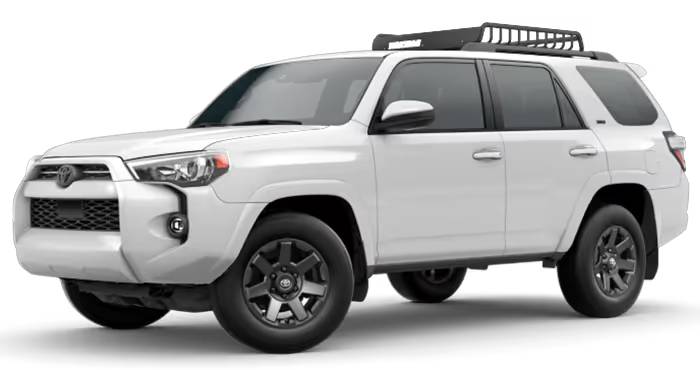
Understanding Toyota 4Runner Door Lock Systems
Before diagnosing any door lock issue, it is important to understand how the Toyota 4Runner locking system works. Modern 4Runner models rely on a combination of mechanical and electronic components to lock and unlock the doors efficiently. When the driver presses the key fob, uses the interior lock switch, or inserts the key into the door, a signal is sent to the door lock actuator. The actuator then moves the locking mechanism inside the door, allowing it to lock or unlock.
The system consists of several key components, including the door lock actuator, door latch assembly, body control module, electrical wiring, switches, and the key fob. If any of these components fail, the locking system may begin to operate inconsistently or stop working altogether.
Door locks play a crucial role in vehicle security and convenience. A malfunctioning lock can leave the vehicle vulnerable to theft, make it difficult to access the cabin, and create frustration during everyday use. Understanding how these components interact makes troubleshooting much easier when problems arise.
Most Common Toyota 4Runner Door Lock Problems
One of the most frequently reported issues among Toyota 4Runner owners is door lock actuator failure. The actuator is a small electric motor responsible for moving the locking mechanism inside the door. Over time, repeated use causes internal components to wear out, reducing the actuator’s ability to generate enough force to lock or unlock the door properly.
When an actuator begins to fail, owners may notice intermittent operation. The door may unlock successfully one day and fail the next. In some cases, a clicking sound can be heard from inside the door panel, indicating that the motor is receiving power but lacks the strength needed to move the lock. Eventually, the actuator may stop working entirely.
Another common complaint involves key fob-related issues. A weak battery inside the key fob can reduce signal strength and cause inconsistent performance. Drivers often report needing to stand closer to the vehicle or press the button multiple times before the locks respond. Fortunately, replacing the battery is inexpensive and can often resolve the issue immediately.
Driver-side door lock problems are also common because the driver’s door experiences significantly more use than the other doors. Constant locking and unlocking place additional stress on the actuator, latch assembly, and linkage components. As a result, the driver’s door is frequently the first to exhibit signs of failure while the remaining doors continue functioning normally.
Some owners experience intermittent locking issues where the locks work sporadically without any clear pattern. These symptoms often point to damaged wiring, loose electrical connections, moisture intrusion, or corroded connectors. Electrical faults can be particularly challenging to diagnose because the system may function normally during inspection and fail later under different conditions.
Common Causes Behind Toyota 4Runner Door Lock Problems
While actuator failure remains the leading cause of door lock issues, several other factors can contribute to lock malfunctions. Electrical wiring is one of the most overlooked causes. The wiring harness that runs between the vehicle body and the door flexes every time the door opens and closes. After years of use, wires can become damaged internally, leading to intermittent connections and unreliable lock operation.
Corrosion is another common culprit. Moisture can enter door panels through worn weather seals or drainage issues, allowing corrosion to develop on connectors and electrical terminals. Even minor corrosion can disrupt electrical signals and prevent the locking system from operating correctly.
Faulty door lock switches can also create problems. When the switch wears out or develops internal electrical faults, it may send inconsistent signals to the locking system. Drivers may notice that the locks work using the key fob but fail when using the interior switch, or vice versa.
A depleted key fob battery should never be overlooked. Many owners assume a more serious issue is present when the actual problem is simply insufficient battery power. Replacing the battery is one of the quickest and least expensive diagnostic steps available.
In rare cases, the body control module may be responsible. This electronic module manages numerous vehicle functions, including power door locks. If the module develops a fault, multiple doors may stop responding simultaneously, and additional electrical issues may appear elsewhere in the vehicle. Professional diagnostic equipment is often required to confirm this type of failure.
How to Diagnose Toyota 4Runner Door Lock Problems
Diagnosing a door lock issue correctly can save significant time and money. Rather than immediately replacing parts, owners should follow a systematic process to identify the true source of the problem.
Begin by testing every door on the vehicle. If only one door fails to lock or unlock, the issue is likely isolated to that specific actuator, latch assembly, or wiring harness. If multiple doors exhibit the same symptoms, the problem may involve a fuse, body control module, switch, or key fob.
Next, listen carefully when operating the locks. A clicking sound inside the door panel often indicates that power is reaching the actuator. In this situation, the actuator motor may be weak or worn out. If there is no sound at all, the problem could involve wiring, electrical connections, or a failed switch.
The key fob should also be tested thoroughly. If the locks respond inconsistently or only work at close range, replacing the battery is a simple and inexpensive first step. Testing a spare key fob can help determine whether the issue originates from the remote itself or from the vehicle’s locking system.
Checking the relevant fuses is another important step. A blown fuse can disable power door lock functions and mimic more serious electrical failures. Owners should consult the vehicle owner’s manual to locate and inspect the correct fuse.
Finally, inspect the wiring harness between the door and vehicle body. Repeated door movement can cause wires to crack internally. Visible damage, broken insulation, or loose connectors may reveal the source of intermittent lock operation. If no obvious cause is found, a professional scan tool can be used to identify fault codes stored within the vehicle’s electronic systems.
DIY Fixes Before Replacing Parts
Not every door lock problem requires expensive repairs. In many cases, a simple maintenance procedure or minor adjustment can restore normal operation.
One of the easiest fixes involves replacing the key fob battery. Many owners are surprised to discover that weak battery power can create symptoms that closely resemble actuator or electrical failures. A fresh battery often resolves delayed response times and inconsistent lock operation.
Lubricating the door latch mechanism can also improve performance. Dirt, dust, and old grease can accumulate inside the latch assembly over time, creating additional resistance that stresses the actuator. Applying a high-quality lubricant to moving components may restore smooth operation and reduce strain on the locking system.
Electrical connections should also be inspected and cleaned. Corrosion or debris on connectors can interrupt power flow and cause intermittent operation. Disconnecting and cleaning affected connectors may improve reliability without requiring replacement parts.
Owners should also inspect the fuse box and replace any blown fuses. Although a blown fuse is not always the root cause, it is a quick and inexpensive item to check before moving on to more complex repairs.
Some Toyota 4Runner owners have successfully resolved temporary lock issues by resetting the vehicle’s electrical system. Disconnecting the battery for several minutes can sometimes clear minor electronic glitches and restore normal communication between various control modules.
While these DIY solutions may not solve every problem, they represent practical first steps that can help eliminate simple causes before investing in costly repairs.
Toyota 4Runner Door Lock Actuator Replacement
When diagnostic efforts confirm actuator failure, replacement is usually the most effective solution. Since the actuator is responsible for physically moving the lock mechanism, a worn or damaged unit cannot typically be repaired reliably.
Several warning signs indicate that replacement is necessary. The lock may respond slowly, function intermittently, produce repeated clicking sounds, or stop working altogether. As internal components wear further, complete failure becomes increasingly likely.
Replacing a door lock actuator requires removing the interior door panel, disconnecting electrical connectors, and accessing the latch assembly inside the door. While experienced DIY enthusiasts can often complete the repair at home, the process requires patience and attention to detail because many components are located within tight spaces.
Professional repair offers convenience and reduces the risk of accidental damage to door trim panels, wiring, or linkage components. Most repair shops can complete the replacement within a few hours depending on the specific model year and door location.
Replacement costs vary depending on whether owners choose original equipment manufacturer parts or aftermarket alternatives. OEM actuators generally provide the best fit and long-term reliability but tend to cost more. Aftermarket options are often less expensive and may offer acceptable performance for budget-conscious owners.
In most cases, replacing a faulty actuator restores normal locking operation immediately and eliminates many of the symptoms associated with Toyota 4Runner door lock problems. Addressing actuator failure early can also prevent additional wear on related components within the locking system.
Toyota 4Runner Model Years Most Frequently Associated With Door Lock Issues
Although door lock problems can occur in any vehicle as components age, some Toyota 4Runner generations appear to generate more owner complaints than others. Understanding these trends can help current and prospective owners know what to expect and identify issues before they become serious.
Many reports originate from fourth-generation models produced between 2003 and 2009. As these vehicles continue to age, normal wear and tear on door lock actuators has become increasingly common. Owners frequently report locks that respond inconsistently, make clicking noises, or fail entirely. Since many of these vehicles now have well over 100,000 miles, actuator failure is often considered a predictable maintenance item rather than an unusual defect.
Fifth-generation models produced from 2010 through 2019 have also experienced door lock complaints, although the overall reliability of the locking system remains relatively strong. In these vehicles, failures are often associated with aging actuators, worn switches, or electrical issues that develop after years of regular use. Driver-side doors tend to be affected more frequently due to their higher usage rate.
Newer models generally experience fewer lock-related problems because their components have not been subjected to the same level of wear. However, no vehicle is completely immune to electrical faults, moisture intrusion, or occasional component failures. Even on newer 4Runners, owners should remain attentive to early warning signs such as delayed lock response or inconsistent operation.
Across all model years, one pattern remains consistent. Most door lock issues are linked to component wear rather than major design flaws. Regular maintenance and prompt repairs can significantly extend the life of the locking system.
Preventing Future Door Lock Problems
Preventive maintenance is often the most effective way to avoid costly repairs and unexpected lock failures. While some component wear is inevitable, several simple practices can help maximize the lifespan of the Toyota 4Runner’s locking system.
Regular lubrication is one of the most beneficial maintenance tasks. Door latches and mechanical linkage components experience constant movement and friction. Applying an appropriate lubricant periodically helps reduce wear, maintain smooth operation, and decrease stress on the actuator motor.
Protecting the vehicle from excessive moisture exposure is equally important. Water intrusion can accelerate corrosion inside door panels and electrical connectors. Ensuring that weather seals remain in good condition and that door drains are unobstructed can help prevent moisture-related damage.
Key fob maintenance should not be overlooked. Replacing weak batteries promptly helps maintain consistent communication between the remote and the vehicle. Many owners delay battery replacement until complete failure occurs, often leading to unnecessary troubleshooting efforts.
Routine vehicle inspections provide another opportunity to identify developing problems before they become expensive repairs. During maintenance visits, technicians can inspect door wiring, connectors, switches, and latch assemblies for signs of wear or damage.
Most importantly, owners should address minor symptoms as soon as they appear. A lock that occasionally hesitates or operates inconsistently today may become completely inoperative tomorrow. Early intervention often results in lower repair costs and less inconvenience.
Frequently Asked Questions
Why does my Toyota 4Runner door lock work sometimes and not others?
Intermittent door lock operation is commonly caused by a weakening actuator, damaged wiring, loose electrical connections, or corrosion within the system. Because these faults may not be present continuously, the lock can appear to function normally at times and fail under different conditions.
Can a bad door lock actuator drain the battery?
In some situations, a failing actuator may continue drawing power as it struggles to complete its movement cycle. While this is not the most common cause of battery drain, a malfunctioning actuator can contribute to electrical system issues if left unaddressed.
How long does a Toyota 4Runner door lock actuator last?
The lifespan of a door lock actuator varies depending on usage, environmental conditions, and vehicle age. Many actuators operate reliably for well over ten years, while others may begin showing signs of wear after extensive use.
Can I replace a door lock actuator myself?
Yes. Many experienced DIY owners successfully replace door lock actuators using basic hand tools and repair guides. However, the process involves removing interior door panels and working within confined spaces, which may be challenging for beginners.
How much does it cost to fix a Toyota 4Runner door lock problem?
Repair costs depend on the underlying cause. Simple fixes such as replacing a key fob battery or a fuse are inexpensive. Actuator replacement typically represents the most common repair expense, with total costs varying based on labor rates, part quality, and vehicle model year.
Conclusion
Toyota 4Runner door lock problems can be frustrating, but they are usually manageable when diagnosed correctly. In most cases, the root cause can be traced to a failing door lock actuator, damaged wiring, worn switches, corroded connectors, or a weak key fob battery. Understanding the symptoms and addressing them early can prevent more serious issues from developing.
A properly functioning locking system is essential for both convenience and vehicle security. Ignoring warning signs such as intermittent operation, delayed response, or unusual clicking noises may eventually lead to complete lock failure and more expensive repairs. Fortunately, many problems can be identified through basic troubleshooting and resolved before they become major concerns.
Whether you choose to perform repairs yourself or seek professional assistance, taking prompt action is the best way to protect your investment. By maintaining the locking system, inspecting components regularly, and responding quickly to early symptoms, Toyota 4Runner owners can enjoy reliable performance and peace of mind for many years to come.