Few vehicle problems are as frustrating as discovering that your trunk latch is stuck in the closed position. Whether you are trying to load groceries, luggage, tools, or emergency supplies, a malfunctioning trunk can quickly become a major inconvenience. In some cases, the trunk lid refuses to close properly. In others, it remains locked shut, preventing access to valuable items stored inside.
A trunk latch stuck in the closed position is a common issue that affects many types of vehicles, including sedans, SUVs, hatchbacks, and crossovers. The problem can be caused by something as simple as accidental latch engagement or as serious as a broken latch assembly, faulty actuator, rust buildup, or electrical failure. Unfortunately, many drivers assume they need an expensive repair when the issue may actually be resolved with a few basic tools and simple troubleshooting steps.
The good news is that most trunk latch problems can be diagnosed and repaired without advanced mechanical experience. By understanding how the latch mechanism works and identifying the root cause of the problem, you can often restore normal operation in a matter of minutes.
In this guide, we will walk you through the most common causes of a trunk latch stuck in the closed position, explain how to safely open the trunk, and provide step by step instructions to help you fix the issue and prevent it from happening again.
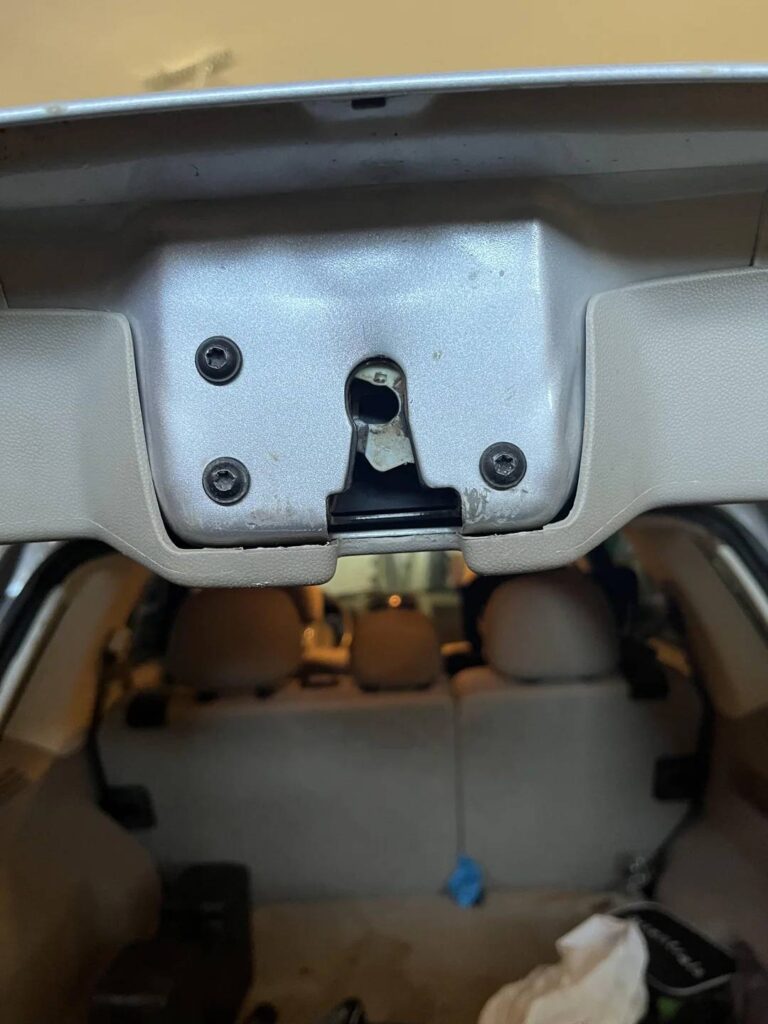
What Does It Mean When a Trunk Latch Is Stuck in the Closed Position?
A trunk latch stuck in the closed position occurs when the latch mechanism remains locked even though the trunk lid is open. This creates a situation where the latch cannot properly engage with the striker when you attempt to close the trunk. As a result, the trunk may bounce back instead of locking securely, leaving it partially open and vulnerable to theft, water intrusion, and road debris.
Many drivers initially believe the trunk itself is damaged, but the issue is often isolated to the latch mechanism. In some cases, the latch may accidentally snap into the locked position while the trunk is open. When this happens, the latch is essentially waiting for a striker that is not there, making it impossible for the trunk lid to close correctly.
Common symptoms include a trunk that refuses to latch, a trunk release button that no longer works, unusual clicking sounds from the lock mechanism, or a key fob that fails to activate the trunk release. Some drivers may also notice that the interior emergency release handle does not function as expected.
Ignoring the problem can lead to additional wear on the latch assembly and related components. A trunk that cannot close properly may expose cargo to bad weather, compromise vehicle security, and create distractions while driving. Identifying the issue early can help prevent more expensive repairs and ensure the trunk remains safe and functional.
Common Causes of a Trunk Latch Stuck Closed
Understanding the root cause of a stuck trunk latch is the first step toward a successful repair. While the symptoms may appear similar, several different factors can prevent the latch from operating correctly.
One of the most common causes is accidental latch engagement. This occurs when the latch closes by itself while the trunk is open. It can happen during cleaning, maintenance, or when objects accidentally come into contact with the latch mechanism. Fortunately, this type of problem is usually easy to fix by manually resetting the latch.
Dirt and debris accumulation can also interfere with normal operation. Over time, dust, road grime, leaves, and other contaminants can build up inside the latch assembly. This buildup restricts movement and may cause the mechanism to stick.
Corrosion is another frequent culprit, especially in regions with high humidity, heavy rainfall, or winter road salt exposure. Rust can affect moving parts inside the latch, making them difficult or impossible to operate smoothly.
Mechanical failures are also possible. A damaged spring, bent latch component, or worn internal part may prevent the latch from returning to its open position. In vehicles equipped with electronic trunk release systems, a faulty actuator or damaged wiring can produce similar symptoms.
Finally, a misaligned striker plate may cause the latch to function improperly. Even a small shift in alignment can prevent the latch from engaging or releasing as intended. This issue often develops after minor collisions, repeated trunk slamming, or years of normal wear and tear.
Tools You May Need Before Starting
Before attempting to repair a trunk latch stuck in the closed position, it is important to gather the necessary tools and supplies. Having everything ready beforehand can make the troubleshooting process faster and more efficient.
A flathead screwdriver is often the most important tool because it can be used to manually manipulate and reset the latch mechanism. A Phillips screwdriver may also be needed to remove access panels or trim pieces around the trunk area. For more extensive repairs, a socket wrench set can help remove mounting bolts and other hardware.
Cleaning supplies are equally important. A microfiber cloth can be used to wipe away dirt and debris, while a quality degreaser or brake cleaner helps remove stubborn grime from moving components. Cleaning the latch thoroughly is often enough to restore normal operation in cases where contamination is the primary cause.
Lubrication is another essential part of the repair process. White lithium grease is widely recommended for metal latch assemblies because it provides long lasting protection against wear and corrosion. Silicone lubricant can also be useful, particularly for plastic and rubber components located near the latch mechanism.
For safety, wear protective gloves and safety glasses while working. Sharp metal edges and chemical cleaners can cause injuries if handled improperly. A flashlight can also be extremely helpful when inspecting hard to reach areas inside the trunk.
If you suspect an electrical problem, a multimeter may be useful for testing voltage and checking wiring connections. Although not always necessary, this tool can help identify actuator and electrical faults more accurately.
Step by Step Guide: How to Fix a Trunk Latch Stuck in Closed Position
Once you have gathered the necessary tools, it is time to inspect and repair the latch. In many cases, the solution is simpler than most vehicle owners expect.
Begin by examining the latch mechanism located on the underside of the trunk lid. Look for obvious signs of damage such as bent metal components, broken springs, rust, or excessive dirt buildup. A visual inspection often reveals clues about the source of the problem.
Next, determine whether the latch is already in the closed position. This is one of the most common causes of the issue. When the trunk is open, the latch may accidentally snap shut and remain locked. Compare the latch position to what it would look like when the trunk is securely closed. If the latch appears closed, it will need to be reset.
Insert a flathead screwdriver into the latch opening and gently simulate the position of the striker. While holding the release button, key fob release, or interior trunk release, rotate or pull the latch until it returns to its open position. You should hear a noticeable click when the mechanism resets correctly.
Once the latch is open, thoroughly clean the assembly using a degreaser or brake cleaner. Remove accumulated dirt, grease, rust particles, and debris that may restrict movement. After cleaning, apply a small amount of white lithium grease to all moving parts.
Operate the latch manually several times to distribute the lubricant evenly. Finally, close and open the trunk repeatedly to verify smooth operation. If the trunk latches securely and releases properly, the repair is complete.
How to Open a Trunk That Will Not Open Due to a Stuck Latch
A trunk latch problem can sometimes leave the trunk completely inaccessible. This situation is particularly frustrating when important items are locked inside. Fortunately, there are several methods you can try before seeking professional assistance.
The first option is to use the emergency trunk release handle if your vehicle is equipped with one. Most modern vehicles include an internal emergency release mechanism designed to allow occupants to open the trunk from the inside. If you can gain access to the trunk compartment, locate the release handle and activate it according to the manufacturer’s instructions.
Many sedans feature fold down rear seats that provide access to the trunk area. Lower the rear seats and use a flashlight to inspect the latch assembly from inside the vehicle. In some cases, you may be able to reach the release lever manually and unlock the trunk.
If access through the seats is not possible, you may need to remove interior trunk trim panels. Carefully detach the panel covering the latch mechanism using appropriate trim removal tools. Once exposed, inspect the latch and attempt to activate the manual release lever.
Avoid using excessive force when attempting to open the trunk. Forcing the lid, prying with large tools, or repeatedly slamming the trunk can cause additional damage to the latch assembly, body panels, and surrounding components. A patient and methodical approach is far more likely to produce a successful result.
If none of these methods work, the latch assembly may have suffered a serious mechanical or electrical failure that requires replacement.
When Cleaning and Lubrication Are Not Enough
Although many trunk latch issues can be resolved through cleaning and lubrication, some problems indicate a deeper mechanical or electrical failure. Recognizing these warning signs can help you determine whether further repairs are necessary.
One indication of mechanical failure is visible damage to the latch assembly. Bent metal components, broken springs, cracked housings, or excessive wear can prevent the mechanism from operating correctly regardless of how clean or well lubricated it is. In these situations, replacement is often the only reliable solution.
Severe corrosion can also render a latch beyond repair. Rust may weaken internal components, cause moving parts to seize permanently, or create structural damage that compromises the latch’s ability to secure the trunk safely.
Electronic trunk systems introduce additional failure points. If pressing the trunk release button produces no sound or movement from the actuator, an electrical issue may be present. Faulty actuators, damaged wiring, blown fuses, or failed control modules can all prevent the latch from functioning properly.
Intermittent operation is another warning sign. If the trunk occasionally works but frequently becomes stuck again, an internal component may be nearing failure. Temporary fixes may provide short term relief, but the underlying problem will likely continue to worsen over time.
At this stage, a more detailed diagnosis is recommended. Identifying whether the issue is mechanical or electrical will help determine whether a component can be repaired or if complete replacement is necessary. Addressing the problem promptly can prevent unexpected failures and help maintain the security and convenience of your vehicle.
How to Replace a Faulty Trunk Latch Assembly
If troubleshooting, cleaning, and lubrication fail to resolve the issue, replacing the trunk latch assembly may be necessary. While the exact procedure varies by vehicle model, the general process is similar for most cars, SUVs, and hatchbacks.
Start by opening the trunk and disconnecting the vehicle’s battery if the latch is connected to an electronic release system. This precaution helps prevent accidental electrical issues during the repair.
Next, remove the interior trim panel covering the latch assembly. Depending on the vehicle, the panel may be secured by screws, clips, or fasteners. Use the appropriate tools to avoid damaging the trim pieces.
Once the latch is exposed, inspect the electrical connector and any attached cables. Disconnect the wiring harness and release cables carefully. Take note of their routing and attachment points, as this will make reinstallation easier later.
Remove the bolts or screws securing the latch assembly to the trunk lid. After the hardware is removed, carefully pull the latch out of its mounting position. Compare the old latch with the replacement part to ensure they match in design and mounting configuration.
Install the new latch assembly and tighten all mounting hardware according to the manufacturer’s specifications. Reconnect electrical connectors, release cables, and any other components removed during disassembly.
Before reinstalling the trim panel, test the trunk several times. Verify that the latch locks securely, releases smoothly, and aligns properly with the striker plate. Once everything functions correctly, reinstall the trim panel and complete the repair.
A properly installed latch should provide years of reliable operation while restoring both security and convenience to your vehicle.
How Much Does Trunk Latch Repair Cost?
The cost of repairing a trunk latch stuck in the closed position can vary significantly depending on the cause of the problem, the vehicle model, and whether you choose a do it yourself repair or professional service.
For simple cases involving dirt buildup or minor sticking, the repair cost may be minimal. A can of white lithium grease, cleaning supplies, and basic tools often cost less than $20. If the latch simply requires cleaning and lubrication, this can be one of the most affordable automotive repairs.
When replacement parts are needed, expenses increase. A new trunk latch assembly typically costs between $30 and $150 for most passenger vehicles. Premium brands and luxury vehicles may require more expensive components.
Professional repair services add labor costs to the total. A simple latch adjustment may cost between $50 and $150 depending on local labor rates. Complete latch replacement commonly ranges from $150 to $400. If the repair involves a faulty electronic actuator, wiring diagnosis, or advanced electronic systems, costs can exceed $500.
Several factors influence the final price, including vehicle make and model, parts availability, labor rates in your area, and the complexity of the repair. Vehicles with power trunk systems often require additional diagnostic work compared to traditional mechanical latch systems.
While professional repairs may seem costly, addressing the issue promptly can help prevent further damage and avoid even more expensive repairs in the future.
Preventing Future Trunk Latch Problems
Preventive maintenance is one of the most effective ways to avoid future trunk latch issues. Like many vehicle components, the latch mechanism benefits from regular inspection and care.
One of the simplest maintenance tasks is keeping the latch clean. Dirt, dust, leaves, and road debris can accumulate inside the mechanism over time. Periodically wiping the latch and surrounding area helps prevent contamination from interfering with normal operation.
Lubrication is equally important. Applying white lithium grease or a manufacturer approved lubricant once or twice a year can reduce friction, prevent corrosion, and extend the life of moving parts. This is especially important for vehicles exposed to harsh weather conditions.
Avoid slamming the trunk whenever possible. Excessive force can gradually misalign the striker plate, damage internal components, and accelerate wear on the latch assembly. Closing the trunk gently but firmly is usually sufficient.
Regular inspections can also help identify minor issues before they become major problems. Look for signs of rust, loose hardware, damaged wiring, or unusual resistance during operation. Addressing these concerns early often prevents unexpected failures.
Drivers who live in coastal areas or regions with snowy winters should pay particular attention to corrosion prevention. Moisture, salt, and humidity can accelerate rust formation and significantly shorten the lifespan of the latch mechanism.
By incorporating these simple maintenance practices into your vehicle care routine, you can reduce the risk of future trunk latch failures and ensure reliable operation for years to come.
Frequently Asked Questions
Why is my trunk latch stuck in the closed position?
A trunk latch may become stuck in the closed position due to accidental latch engagement, dirt buildup, corrosion, damaged internal components, or a faulty electronic actuator. In many cases, the latch closes while the trunk is open and simply needs to be reset manually.
Can I fix a trunk latch stuck in the closed position myself?
Yes. Many trunk latch problems can be resolved without professional assistance. Basic troubleshooting often involves resetting the latch with a flathead screwdriver, cleaning the mechanism, and applying lubricant to restore smooth movement. More serious issues involving broken parts or electrical failures may require replacement.
How do I reset a trunk latch manually?
To reset a trunk latch, insert a flathead screwdriver into the latch opening and simulate the position of the striker. While operating the trunk release button or handle, move the latch until it returns to the open position. Once reset, test the mechanism several times to ensure proper operation.
What lubricant should I use on a trunk latch?
White lithium grease is commonly recommended because it provides long lasting lubrication and corrosion protection for metal components. Silicone based lubricants may also be suitable for certain plastic and rubber parts near the latch assembly.
How do I know if my trunk latch needs replacement?
Replacement is usually necessary when the latch shows signs of physical damage, severe corrosion, broken springs, cracked housing, or repeated failure after cleaning and lubrication. Intermittent operation and persistent locking issues can also indicate internal component failure.
Is it safe to drive with a faulty trunk latch?
Driving with a malfunctioning trunk latch is not recommended. A trunk that does not close securely may open unexpectedly while driving, expose cargo to weather conditions, or create safety hazards for other road users.
How much does it cost to replace a trunk latch?
The cost typically ranges from $150 to $400, including parts and labor. Luxury vehicles, electronic trunk systems, and extensive diagnostic work may increase the total repair cost.
Conclusion
Dealing with a trunk latch stuck in the closed position can be frustrating, especially when it prevents you from accessing your belongings or securing your vehicle properly. Fortunately, many cases are caused by simple issues such as accidental latch engagement, dirt accumulation, or insufficient lubrication, all of which can often be fixed in a matter of minutes.
By following the troubleshooting steps outlined in this guide, you can identify the root cause of the problem, reset the latch mechanism, clean and lubricate moving parts, and determine whether more extensive repairs are required. Understanding the difference between mechanical and electrical failures can also save valuable time and prevent unnecessary expenses.
If cleaning and basic repairs do not solve the issue, replacing the trunk latch assembly may be the most effective long term solution. While replacement involves additional cost and effort, it restores the security, convenience, and reliability of your vehicle.
Regular maintenance remains the best defense against future problems. Keeping the latch clean, properly lubricated, and free from corrosion can significantly extend its lifespan and reduce the likelihood of unexpected failures.
With the right approach, most drivers can successfully fix a trunk latch stuck in the closed position and keep their vehicle operating safely and efficiently for years to come.