Why does your Chevy Cruze AC blow hot air when you need cool air the most? This issue frustrates many drivers, especially during hot days or long drives. Instead of cool air, you get warm airflow that makes every trip uncomfortable.
Many Chevy Cruze owners face this problem at some point. The causes vary from simple issues to serious system failures. The real problem is not just the heat. It is the uncertainty behind it. You may not know if you can fix it yourself or if you need an expensive repair.
This guide helps you understand why your Chevy Cruze AC blows hot air. It explains the most common causes and shows you how to fix them step by step. You will also learn how to spot early warning signs before the problem gets worse.
By the end, you will know how your AC system works and what actions to take. This helps you save time, reduce repair costs, and restore comfort inside your car.
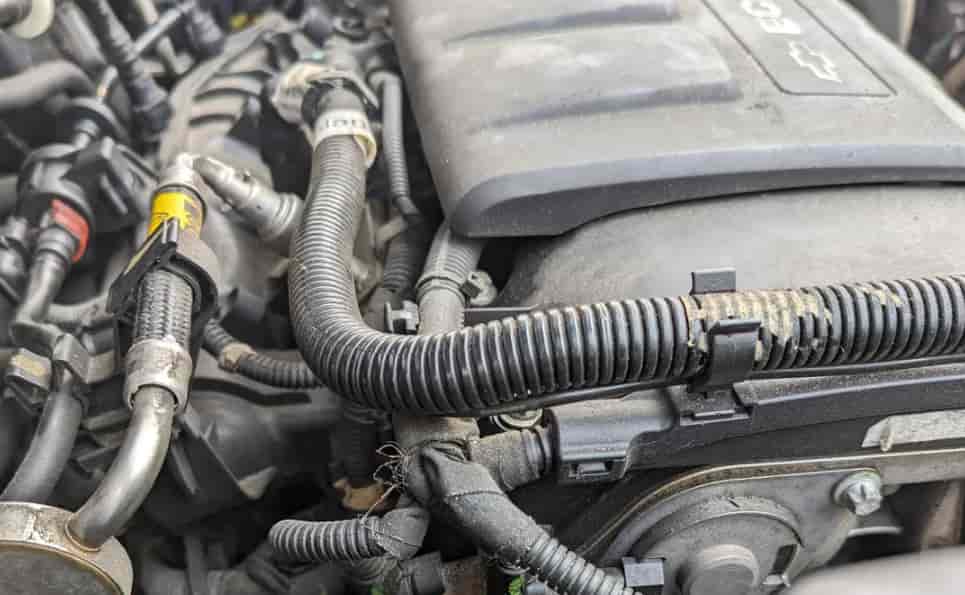
How the Chevy Cruze AC System Works
To fix the problem, you first need to understand how the system works. When you know how each part functions, you can identify the cause faster and avoid unnecessary repairs.
The Chevy Cruze AC system relies on a closed loop that moves refrigerant through several key components. Each part plays a direct role in cooling the air inside your cabin.
The process starts with the compressor. This component pressurizes the refrigerant and pushes it through the system. When the compressor runs correctly, it creates the pressure needed for cooling.
Next, the refrigerant flows into the condenser. Here, the system releases heat to the outside air. As a result, the refrigerant changes from a hot gas into a cooler liquid.
After that, the refrigerant moves to the expansion valve or orifice tube. This part reduces pressure and prepares the refrigerant for rapid cooling. The drop in pressure allows the refrigerant to absorb heat more effectively.
Then, the refrigerant enters the evaporator. This is where the real cooling happens. The refrigerant absorbs heat from the cabin air, which creates the cold air you feel through the vents.
Finally, the blower fan pushes this cooled air into the cabin. At the same time, the refrigerant cycles back to the compressor and repeats the process.
When any of these components fail, the system cannot remove heat properly. As a result, your Chevy Cruze AC may start blowing hot air instead of cold air.
Understanding this cycle helps you connect symptoms with real causes. It also makes troubleshooting much easier in the next steps.
Common Causes of Chevy Cruze AC Blowing Hot Air
When your Chevy Cruze AC blows hot air, the issue usually comes from one or more key components. Understanding these causes helps you diagnose the problem faster and avoid wasting money on unnecessary repairs.
Below are the most common reasons behind this issue, along with clear signs and practical fixes.
Low Refrigerant Level (Freon Leak)
Low refrigerant is the most common reason your AC stops cooling. The system depends on the correct refrigerant level to remove heat from the cabin.
When a leak occurs, the pressure drops and the system cannot cool the air effectively.
Common signs include:
- Warm air from vents
- AC works but not cold
- Hissing sound under the hood
How to fix it:
You need to locate the leak first. Then recharge the system with the correct refrigerant level. Simply refilling without fixing the leak will not solve the problem long term.
Faulty AC Compressor
The compressor acts as the heart of the AC system. If it fails, the refrigerant cannot circulate.
Without circulation, the system cannot produce cold air.
Common signs include:
- Clicking noise when AC turns on
- Compressor clutch not engaging
- Air stays warm at all times
How to fix it:
A damaged compressor usually requires replacement. In some cases, electrical issues may prevent it from engaging, so testing is important before replacing.
Blend Door Actuator Failure
The blend door controls whether air flows through the heater or the AC system. If it gets stuck, it may direct hot air into the cabin even when the AC is on.
Common signs include:
- Temperature does not change
- Air stays hot or inconsistent
- Clicking sound behind the dashboard
How to fix it:
You may need to replace the blend door actuator. This fix often restores proper temperature control.
Electrical Problems (Fuses, Relays, Wiring)
Electrical issues can stop the AC system from working correctly. A blown fuse or faulty relay may prevent key components from operating.
Common signs include:
- AC does not turn on
- Compressor does not engage
- Intermittent cooling
How to fix it:
Check the fuse box and replace any blown fuses. Inspect relays and wiring for damage. This is often a low cost fix.
Clogged or Damaged Condenser
The condenser releases heat from the refrigerant. If it becomes blocked or damaged, heat cannot escape.
This leads to hot air blowing into the cabin.
Common signs include:
- AC works at high speed but not at idle
- Overheating in traffic
- Visible debris on condenser
How to fix it:
Clean the condenser or replace it if damaged. Keeping airflow clear is critical for proper cooling.
Faulty Cooling Fans
Cooling fans help regulate temperature in the AC system. If they fail, the system overheats and loses cooling efficiency.
Common signs include:
- AC gets warm when the car stops
- Engine temperature rises
- Fans do not spin
How to fix it:
Inspect the fans and replace faulty motors or sensors. This issue often appears in hot climates or heavy traffic conditions.
Dirty or Blocked Cabin Air Filter
A clogged cabin air filter restricts airflow. This reduces cooling performance and makes the AC feel weak.
Common signs include:
- Weak airflow
- Dusty smell
- Reduced cooling effect
How to fix it:
Replace the cabin air filter. This is one of the easiest and cheapest fixes, yet many drivers ignore it.
This section gives you a clear map of what might go wrong when your Chevy Cruze AC blows hot air. Each cause connects directly to a specific symptom, which makes diagnosis much easier.
Symptoms You Shouldn’t Ignore
Before your Chevy Cruze AC completely fails, it often shows early warning signs. If you notice these symptoms early, you can fix the issue before it becomes expensive.
Weak airflow is one of the first signs. The air may come out, but it does not feel strong or cool enough. This often points to airflow restrictions or early system inefficiency.
Warm air at idle is another common symptom. Your AC may work while driving, but it turns warm when you stop. This usually relates to cooling fans or condenser performance.
Strange noises also signal trouble. Clicking or rattling sounds may indicate issues with the compressor or blend door actuator.
Inconsistent cooling is another red flag. The air may switch between cold and warm without warning. This often suggests electrical problems or sensor issues.
If you notice any of these signs, do not ignore them. Early action can prevent major failures and reduce repair costs.
Step by Step Troubleshooting Guide
If your Chevy Cruze AC is blowing hot air, follow these steps to identify the problem. This process helps you narrow down the cause before spending money on repairs.
Step 1: Check AC Settings
Start with the basics. Make sure the AC is set to the correct mode. Set the temperature to the lowest level and turn the fan to high.
Sometimes the issue comes from incorrect settings rather than system failure.
Step 2: Inspect Refrigerant Level
Low refrigerant is a common cause of poor cooling. If the system lacks refrigerant, it cannot absorb heat properly.
You can use a gauge to check pressure levels. If the level is low, the system may have a leak that needs attention.
Step 3: Listen for Compressor Engagement
Turn on the AC and listen carefully. You should hear a click when the compressor engages.
If you hear nothing, the compressor may not work due to mechanical or electrical issues.
Step 4: Check Fuses and Relays
Open the fuse box and inspect all AC related fuses. A blown fuse can stop the system from working.
Replace any damaged fuse and test the system again.
Step 5: Inspect Cooling Fans
Start the engine and turn on the AC. Check if the cooling fans spin properly.
If the fans do not run, the system may overheat and fail to cool the air.
Step 6: Scan for Error Codes
Use an OBD2 scanner to detect hidden issues. Modern vehicles store error codes that help identify problems quickly.
This step gives you a more accurate diagnosis before moving to repairs.
This troubleshooting process helps you move from simple checks to deeper diagnostics. It reduces guesswork and helps you avoid unnecessary costs.
DIY Fixes vs Professional Repair
When your Chevy Cruze AC blows hot air, you may wonder if you can fix it yourself or need a mechanic. The answer depends on the cause and your experience level.
Some issues are simple and safe to handle at home. Others require proper tools and technical knowledge.
You can try a few basic fixes on your own. Recharging the refrigerant is one option if the level is slightly low. Replacing the cabin air filter is another quick and effective solution. These fixes cost little and take minimal time.
However, more complex problems need professional repair. Compressor failure, electrical faults, or refrigerant leaks require proper diagnosis. If you attempt these repairs without experience, you may cause more damage and increase costs.
The key is to identify the problem first. Then decide whether a DIY fix is safe or if expert help is the better choice.
Repair Costs Breakdown
Cost is one of the biggest concerns when dealing with AC problems. Understanding the price range helps you plan and avoid surprises.
Refrigerant recharge usually costs between 100 and 300 dollars. This is one of the cheapest fixes, but it only works if there is no major leak.
Cabin air filter replacement costs around 20 to 50 dollars. It is a simple fix that can improve airflow immediately.
Blend door actuator replacement ranges from 150 to 400 dollars. The cost depends on labor and part accessibility.
Compressor replacement is the most expensive repair. It can cost between 500 and 1200 dollars, depending on parts and labor.
Electrical repairs vary widely. Minor fixes cost little, but complex wiring issues can increase the total significantly.
Knowing these costs helps you prioritize repairs and avoid overpaying.
Preventive Maintenance Tips
Preventing AC problems is always cheaper than fixing them. A few simple habits can keep your system running efficiently.
Run your AC regularly, even during cooler months. This keeps the system lubricated and prevents seals from drying out.
Replace the cabin air filter every 12,000 to 15,000 miles. Clean airflow improves cooling performance.
Check refrigerant levels periodically. Low levels often signal early leaks that you can fix before they worsen.
Keep the condenser clean and free from debris. Proper airflow helps the system release heat effectively.
Regular maintenance not only improves performance but also extends the life of your AC system.
Conclusion
Chevy Cruze AC blowing hot air is a common problem, but it is not something you should ignore. The issue can come from several causes, including low refrigerant, compressor failure, or airflow restrictions.
The good news is that many of these problems show clear symptoms early. If you act quickly, you can fix the issue before it becomes expensive.
This guide has shown you how the system works, what causes the problem, and how to troubleshoot it step by step. You now have the knowledge to identify the issue and choose the right solution.
Whether you handle a simple fix yourself or visit a mechanic, understanding the problem puts you in control. It helps you save money and restore comfort in your vehicle.
Have you experienced Chevy Cruze AC blowing hot air? What solution worked for you? Share your experience and help others solve the same problem faster.