If your engine sounds louder than usual, the most common causes include an exhaust leak, low engine oil, worn engine components, a loose belt, or changes in engine speed and load. The type of noise, when it occurs, and whether other symptoms appear can help you identify the likely problem. A louder engine does not always indicate a serious fault, but a sudden change in sound should not be ignored.
An exhaust leak can make the engine sound unusually loud or produce a hissing noise, while insufficient lubrication can cause ticking or knocking from internal components. A worn serpentine belt may create a squealing sound, and loose engine components can cause rattling or vibration. Engine noise may also become more noticeable during cold starts, acceleration, or idling because these conditions affect how different components operate.
Identifying the source of the noise early can help prevent further damage and avoid unnecessary repair costs. This guide explains the main reasons your engine may sound louder than normal, how to distinguish common engine noises, which warning signs require immediate attention, and what you can do to diagnose the problem safely. It also covers typical repair costs and maintenance practices that help keep your engine running smoothly.
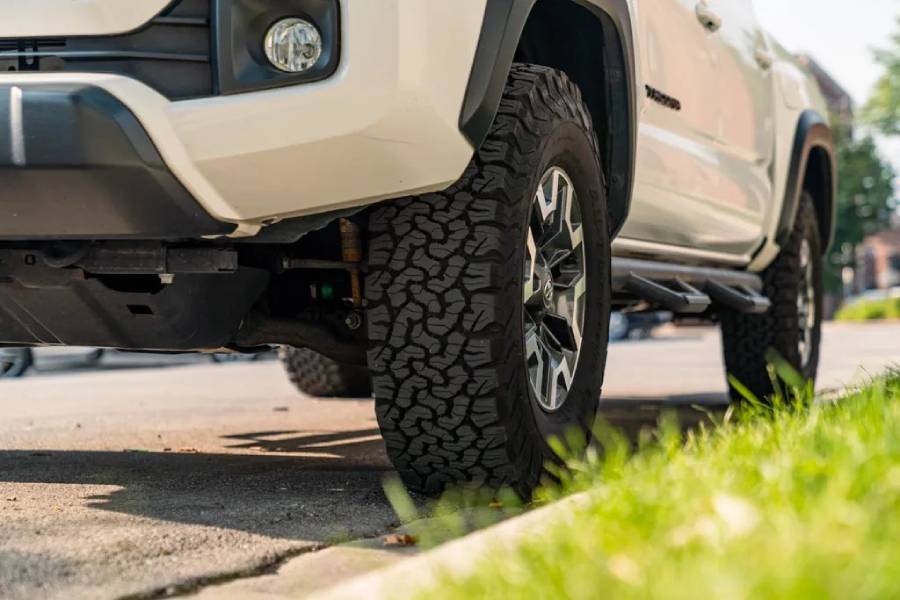
Why Does My Engine Sound Louder Than Usual?
An engine that sounds louder than usual typically has an issue with the exhaust system, lubrication, engine components, or accessory drive system. Changes in engine speed and load can also increase normal operating noise. Identifying the source requires examining the type of sound, when it occurs, and whether the vehicle shows other symptoms.
1. Exhaust leaks
An exhaust leak is one of the most common reasons a car engine suddenly sounds louder. The exhaust manifold, manifold gasket, exhaust pipes, or muffler can develop cracks, holes, or damaged seals. These faults allow exhaust gases to escape before passing through the entire exhaust system, reducing its ability to control noise. A leaking exhaust manifold may produce a sharp ticking or tapping sound near the engine, while a damaged muffler often creates a deeper, louder exhaust note. A hissing sound, exhaust smell, or visible soot around an exhaust joint can provide additional clues. Because exhaust gases can contain carbon monoxide, suspected exhaust leaks should be inspected promptly.
2. Low engine oil or lubrication problems
Low engine oil can increase friction between moving engine components and contribute to ticking, tapping, or knocking noises. Engine oil forms a protective film between metal surfaces, reducing wear and helping lubricate components such as bearings and the valve train. When the oil level is too low or oil pressure is insufficient, some parts may not receive adequate lubrication. Check the oil level according to the vehicle manufacturer’s instructions. If the oil pressure warning light illuminates while the engine is running, stop safely and switch off the engine. Adding oil does not necessarily resolve an underlying oil-pressure problem.
3. Worn or loose engine components
Worn bearings, valve train components, timing chain parts, or loose engine hardware can produce abnormal mechanical noise. For example, a worn valve train component may create repetitive ticking, while a loose timing chain or damaged tensioner may produce rattling. Engine mounts can also deteriorate and allow excessive movement, increasing vibration and noise inside the cabin. These problems differ in severity: a loose external component may require a relatively simple repair, whereas internal bearing damage can lead to extensive engine damage if ignored. A mechanic should inspect persistent mechanical noises, especially when they become louder with engine speed.
4. Belt and rotating component problems
A worn, loose, or damaged serpentine belt can create squealing or chirping noises, particularly during startup or when engine accessories place additional load on the belt. Other rotating components, such as pulleys or accessory bearings, can also produce whining, grinding, or rattling sounds when worn. The sound may change with engine speed because these components rotate faster as RPM increases. A damaged belt can affect accessories driven by it, depending on the vehicle’s design. Do not place your hands near a moving belt to identify the noise; have the system inspected with the engine safely switched off.
5. Changes in engine speed or load
An engine naturally becomes louder when it operates at higher RPM or under greater load, such as during acceleration, hill climbing, or towing. The engine produces more combustion events per second at higher RPM, while the intake and exhaust systems move more air and gas. These changes can make normal engine and exhaust sounds more noticeable. However, a sudden increase in noise, especially when accompanied by knocking, unusual vibration, loss of power, or warning lights, may indicate a mechanical fault rather than normal operation. Compare the sound with the vehicle’s usual behavior and investigate any persistent or unexplained change.
To narrow down the cause, note whether the noise comes from the engine bay or underneath the vehicle, whether it occurs at startup or during acceleration, and whether it changes as the engine warms up. These observations help a technician distinguish exhaust noise from lubrication problems, worn components, and normal operating sounds.
What Does a Louder Engine Sound Tell You About the Problem?
The type of noise your engine makes can help narrow down the cause of the problem. Knocking, ticking, rattling, roaring, and hissing sounds often indicate different mechanical conditions, although several faults can produce similar noises. Pay attention to when the sound occurs, where it seems to originate, and whether it changes with engine speed.
Knocking sounds
An engine knocking sound can indicate a combustion problem or mechanical wear. Combustion knock, sometimes called pinging, occurs when fuel burns abnormally in the cylinder, often producing a metallic ping during acceleration or under heavy load. Possible contributing factors include unsuitable fuel, excessive engine temperature, or problems with the ignition or engine management system. A deeper, heavier knock may indicate internal mechanical problems involving bearings or other moving components. These two types of knocking have different causes, so the sound alone cannot confirm the diagnosis. If the engine produces a loud, persistent metallic knock, stop driving when it is safe to do so and arrange a professional inspection.
Ticking and rattling sounds
A ticking engine may have a problem with the valve train, lubrication, or another component that moves repeatedly as the engine operates. Some engines produce brief ticking sounds during cold startup, but persistent or increasingly loud ticking warrants investigation. Low oil levels or insufficient oil pressure can prevent engine components from receiving adequate lubrication. Rattling may also come from a loose heat shield, exhaust component, timing chain, or chain tensioner. For example, a rattle that occurs mainly during startup may have a different cause from one that continues at all engine speeds. Checking the oil level and recording when the noise appears can help a technician narrow down the possibilities.
Roaring and hissing sounds
A roaring engine often points to increased exhaust noise, particularly when the muffler is damaged or the exhaust system develops a leak. A hole in the exhaust pipe or a damaged exhaust manifold gasket can allow gases to escape before the system has sufficiently reduced the sound. The noise may become more noticeable when accelerating because exhaust flow increases with engine load. Hissing can indicate escaping air or exhaust gases, although vacuum leaks and other airflow problems can produce similar sounds. If hissing is accompanied by an exhaust smell inside the cabin, stop using the vehicle and seek professional assistance because exhaust gases may contain carbon monoxide.
The most useful diagnostic clue is the combination of sound and operating conditions. A brief ticking noise during startup, a squeal that changes with engine speed, and a heavy metallic knock under load suggest different possible faults. Record when the noise begins, whether it disappears as the engine warms up, and whether warning lights or performance changes occur. This information helps a mechanic select the appropriate inspection and avoid replacing parts based on sound alone.
Why Is My Engine Louder Under Certain Driving Conditions?
The conditions under which your engine becomes louder can help identify the source of the noise. An engine that makes noise only during a cold start may have a different problem from one that becomes louder during acceleration or continues rattling at idle. Observing when the sound starts, how long it lasts, and whether it changes as the engine warms up can help narrow down the cause.
Cold starts
An engine may sound louder immediately after a cold start because the oil is still circulating and the engine components have not reached their normal operating temperature. Engine oil viscosity changes with temperature, affecting how quickly it flows through the lubrication system. Some engines also produce brief mechanical ticking during startup. However, loud rattling that persists, repeated metallic knocking, or noise accompanied by an oil pressure warning should not be considered normal. Check the oil level according to the manufacturer’s instructions and arrange an inspection if the sound continues after startup.
Acceleration
If your engine becomes louder when accelerating, the cause may be increased engine load, an exhaust leak, combustion knock, or a problem with a rotating component. As engine speed rises, combustion events occur more frequently and exhaust gas flow increases, making the engine naturally louder. A damaged exhaust manifold gasket may produce a sharper ticking sound, while combustion knock may create a metallic ping under load. If the noise occurs alongside hesitation, reduced acceleration, excessive vibration, or a warning light, have the vehicle inspected rather than assuming the sound is normal.
Idling
An engine that sounds unusually loud while idling may have loose components, deteriorated engine mounts, an exhaust leak, or irregular engine operation. Worn engine mounts can allow vibrations to travel through the vehicle body, making the engine seem louder inside the cabin even when the engine itself is not producing substantially more noise. An exhaust leak may create a repetitive tapping or rumbling sound, while unstable idle speed can make engine noise fluctuate. If the engine also shakes excessively, stalls, or runs unevenly, a technician should inspect the engine and related systems.
To identify the likely cause, compare the noise across these three conditions: cold startup, acceleration, and idle. A sound that disappears quickly after startup may require a different assessment from a persistent knock that becomes louder under load. Record the conditions in which the noise occurs and any accompanying symptoms. If the engine produces a loud metallic knock, displays an oil pressure warning, or overheats, stop driving safely and switch off the engine instead of continuing the test.
Can Low Engine Oil Make Your Engine Sound Louder?
Yes, low engine oil can make your engine sound louder because insufficient lubrication increases friction between moving components. Engine oil creates a protective film between metal surfaces, reducing wear and helping components such as bearings, pistons, and valve train parts operate smoothly. When the oil level drops too low or oil pressure becomes insufficient, these components may produce ticking, tapping, or knocking sounds.
Low engine oil does not always cause an immediate change in engine noise. The symptoms depend on how much oil remains, whether the lubrication system maintains adequate pressure, and which components are affected. For example, insufficient lubrication in the valve train may cause repetitive ticking, while severe lubrication problems affecting internal bearings can produce a deeper knocking sound. Continued operation under these conditions can cause accelerated wear and serious engine damage.
How to check your engine oil level
Park your vehicle on level ground and follow the manufacturer’s instructions for checking the oil. Depending on the vehicle, you may need to switch off the engine and wait several minutes for the oil to drain back into the oil pan. If your vehicle has a dipstick, remove it, wipe it clean, reinsert it fully, and check whether the oil level falls within the marked range. Some vehicles use an electronic oil-level monitoring system instead.
If the oil level is below the recommended range, add the specified oil gradually and recheck the level. Use the viscosity grade and specification listed in the owner’s manual. Avoid overfilling the engine because excessive oil can also cause operating problems. If the level repeatedly drops, have the vehicle checked for leaks or excessive oil consumption.
Why oil pressure matters even when the oil level is normal
A normal oil level does not guarantee that the engine has adequate oil pressure. A failing oil pump, a blocked oil passage, or another lubrication-system fault can prevent oil from reaching critical components. If the oil pressure warning light comes on while the engine is running, stop in a safe location and switch off the engine. Do not continue driving simply because the dipstick shows enough oil. Adding oil will not fix every cause of low oil pressure.
If the engine continues to tick or knock after the oil level has been corrected, arrange a professional inspection. Persistent noise may indicate an existing mechanical problem that requires diagnosis. Addressing lubrication problems promptly helps reduce the risk of costly engine repairs, but the correct response depends on the underlying cause rather than the noise alone.
Is It Safe to Drive When Your Engine Sounds Louder?
Driving with a louder engine is not always dangerous, but a sudden or persistent change in engine noise can indicate a problem that requires immediate attention. The decision to continue driving depends on the type of sound, its severity, and whether other symptoms appear. A slightly louder exhaust note may result from a damaged muffler, while a heavy metallic knock accompanied by an oil pressure warning may indicate a serious engine fault.
Stop driving if the engine shows serious warning signs. A loud metallic knocking sound, an illuminated oil pressure warning light, engine overheating, smoke, or a sudden loss of power can indicate a problem that may worsen if the engine continues running. Pull over as soon as it is safe, switch off the engine, and arrange professional assistance if necessary. Continuing to drive with inadequate oil pressure, for example, can damage internal engine components because critical surfaces may not receive sufficient lubrication.
Exhaust-related problems also require attention. A damaged exhaust pipe or leaking exhaust manifold can increase engine noise and allow harmful gases to escape. If you smell exhaust fumes inside the cabin, stop using the vehicle and move to fresh air. Carbon monoxide is particularly dangerous because it is colorless and odorless, so the absence of a noticeable smell does not guarantee that the cabin is safe.
Arrange an inspection promptly if the noise persists without an emergency warning. A new ticking sound, belt squeal, exhaust rumble, or vibration may not require the same immediate response as a heavy engine knock, but it should not be ignored. A worn belt, loose heat shield, or deteriorating engine mount may be easier to address before the fault causes additional damage.
Avoid repeatedly revving the engine to reproduce the noise, especially if the sound is loud or metallic. Instead, note when the noise occurs, whether the engine temperature changes, and whether any dashboard warning lights appear. Give this information to a qualified mechanic.
The safest approach is to treat unexplained engine noise as a symptom rather than a diagnosis. If the sound is sudden, severe, or accompanied by warning lights, overheating, smoke, or loss of power, stop driving and seek professional help. If the vehicle remains stable and no urgent warning signs are present, arrange an inspection soon to determine the cause.
How Can You Diagnose a Loud Engine Noise?
You can diagnose a loud engine noise by identifying when it occurs, checking dashboard warning lights, inspecting the engine oil level, and looking for visible signs of damage. These initial checks can help narrow down possible causes, but they cannot confirm every mechanical fault. If the noise is severe, persistent, or accompanied by warning signs, have the vehicle inspected by a qualified mechanic.
Identify when the noise occurs. Start by noting whether the sound appears during a cold start, while idling, during acceleration, or after the engine reaches its normal operating temperature. A ticking sound that occurs briefly at startup may have a different cause from a heavy knock that becomes louder as engine speed increases. Also note whether the sound resembles knocking, rattling, squealing, hissing, or roaring. This information helps narrow the possible causes before any parts are replaced.
Check the dashboard warning lights and engine temperature. Look for an oil pressure warning, a check engine light, or a temperature gauge reading above its normal range. An oil pressure warning or engine overheating requires immediate attention. If either occurs while driving, pull over safely and switch off the engine. Do not continue operating the vehicle just to investigate the sound. A diagnostic scan may help identify certain electronic engine faults, although mechanical problems do not always trigger a warning light or store a diagnostic trouble code.
Inspect the engine oil level. Park on level ground and follow the owner’s manual instructions for checking the oil. If the vehicle has a dipstick, make sure the level falls within the marked range. If the oil is low, add the specified grade gradually and avoid overfilling. However, a normal oil level does not rule out low oil pressure, a failing oil pump, or an internal lubrication problem. If the oil pressure warning is illuminated or the engine produces a loud metallic knock, do not restart the engine simply to test whether the noise has disappeared.
Look for visible signs of damage. With the engine switched off and sufficiently cool, check for obvious oil leaks, damaged hoses, loose external components, or signs of exhaust leakage. Do not touch hot exhaust components, reach near moving belts, or crawl underneath a vehicle supported only by a jack. If you smell exhaust fumes inside the cabin, stop using the vehicle and seek professional assistance.
Arrange a professional inspection when the cause remains unclear. A mechanic can examine the exhaust system, accessory belt, engine mounts, lubrication system, and internal engine components as appropriate. Depending on the symptoms, the inspection may include reading diagnostic codes, measuring oil pressure, or using specialized equipment to locate the noise. Providing details about when the sound occurs and which warning signs appear can help reduce unnecessary diagnostic work.
The key is to use initial checks to narrow down the problem rather than assume that one symptom identifies a specific failed component. Stop driving when serious warning signs appear, and arrange an inspection if the engine remains louder than normal even when no immediate danger is apparent.
Read more: Why Is My Car Stuttering When Braking? Causes and Fixes
How Much Does It Cost to Fix a Loud Engine?
The cost to fix a loud engine depends on the underlying cause, the vehicle model, the replacement parts required, and the labor involved. A loose component or damaged exhaust section may require a relatively straightforward repair, while internal engine damage can lead to substantially higher costs. Identifying the source of the noise before replacing parts is the most effective way to avoid unnecessary repair expenses.
Exhaust system repairs can resolve excessive engine noise caused by a leaking exhaust pipe, damaged manifold gasket, or worn muffler. The total cost depends on the location of the leak and whether the component can be repaired or needs replacement. For example, repairing an accessible exhaust joint generally involves less work than replacing an exhaust manifold that requires removing other engine components. Exhaust leaks should be addressed promptly because they can expose occupants to harmful gases.
Engine oil and lubrication problems have different repair costs depending on the cause. If the oil level is low, adding the manufacturer-specified oil may be sufficient, provided no underlying leak or mechanical damage exists. However, recurring oil loss may require replacing a leaking gasket or seal. If low oil pressure results from a faulty oil pump, blocked oil passages, or internal engine wear, diagnosis and repairs become more complex. Continuing to run an engine with inadequate oil pressure can turn a relatively manageable problem into expensive engine damage.
Belt and accessory repairs may involve replacing a worn serpentine belt, tensioner, or pulley bearing. A belt that squeals during startup or acceleration should be inspected to determine whether the belt itself is damaged or another component is causing excessive resistance. Replacing the belt alone will not resolve the problem if a pulley or accessory bearing is failing.
Internal engine repairs can be the most expensive category. Worn bearings, damaged timing components, or other internal mechanical faults may require extensive labor and specialized diagnostic procedures. The repair estimate depends on the extent of the damage and whether individual components can be replaced or a larger engine repair is necessary.
Before approving a repair, ask the mechanic to identify the suspected cause, explain the diagnostic findings, and separate parts, labor, and diagnostic fees in the estimate. Compare the recommended repair with the symptoms you have observed, and ask whether the vehicle is safe to drive while waiting for service. Because prices vary by location, vehicle, and repair facility, obtain a vehicle-specific estimate rather than relying on a single general price range.
The most cost-effective approach is to investigate unusual engine noise early. A prompt inspection can identify problems before they cause additional damage, although the final cost depends on the actual fault rather than the loudness of the engine alone.
How Can You Prevent Your Engine From Becoming Louder Over Time?
You can help prevent your engine from becoming louder over time by following the manufacturer’s maintenance schedule, maintaining the correct engine oil level, inspecting the exhaust system, and addressing unusual sounds as soon as they appear. Regular maintenance reduces wear on moving components and helps identify developing problems before they lead to more extensive repairs.
Change engine oil and filters on schedule. Engine oil reduces friction, carries heat away from moving components, and helps protect internal surfaces from wear. As oil ages or becomes contaminated, its ability to protect the engine can deteriorate. Follow the oil change interval and oil specifications in your owner’s manual rather than relying on a universal mileage recommendation. Check the oil level periodically, particularly before long journeys, and investigate recurring oil loss instead of repeatedly topping up without identifying the cause.
Inspect the exhaust system and engine accessories. Damaged mufflers, leaking exhaust joints, worn serpentine belts, and deteriorating pulleys can all increase engine noise. During routine maintenance, ask a technician to inspect these components for corrosion, cracks, excessive wear, or loose connections. Addressing a small exhaust leak or replacing a worn belt before it fails can help prevent further problems and maintain normal operating noise.
Monitor changes in engine sound and performance. Pay attention to new ticking, knocking, rattling, squealing, or roaring sounds. Note when the noise occurs and whether it changes with engine speed, temperature, or acceleration. For example, a new rattling sound during startup or a squeal that becomes noticeable when accelerating can provide useful diagnostic clues. Early investigation helps distinguish minor component problems from faults that could damage the engine.
Follow the vehicle’s maintenance schedule and respond to warning signs. Replace service items according to the manufacturer’s recommendations and investigate dashboard warnings promptly. If the engine begins knocking heavily, the oil pressure warning appears, or the engine overheats, stop driving safely and switch off the engine. Routine maintenance reduces the risk of preventable faults, but it cannot eliminate every cause of engine noise, particularly unexpected component failures.
Consistent maintenance helps preserve engine performance and makes abnormal sounds easier to identify. Rather than waiting until the engine becomes significantly louder, investigate persistent changes early and keep records of maintenance and repairs. These habits can help reduce avoidable repair costs and support reliable vehicle operation.