Replacing a Cummins NOx sensor involves identifying the faulty sensor, disconnecting its electrical connector, removing it from the exhaust system, installing a compatible replacement, and verifying that the engine’s aftertreatment system operates correctly. A successful Cummins NOx sensor replacement requires accurate fault diagnosis, correct part selection, and post-installation testing. The procedure varies depending on the Cummins engine model, sensor location, and emissions system configuration.
Cummins diesel engines, including the ISX15, X15, and 6.7L models, use nitrogen oxide (NOx) sensors to monitor exhaust emissions and support selective catalytic reduction (SCR) system operation. A malfunctioning sensor can trigger a check engine light, emissions-related fault codes, or engine derate conditions. However, these symptoms do not always indicate a defective sensor. Damaged wiring, communication faults, and other aftertreatment problems can produce similar warnings.
Before replacing a NOx sensor, technicians should confirm the relevant diagnostic trouble codes, inspect the sensor connections, and identify whether the upstream or downstream sensor requires attention. This guide explains the replacement procedure, sensor locations, required tools, diagnostic checks, replacement costs, and steps for verifying the repair.
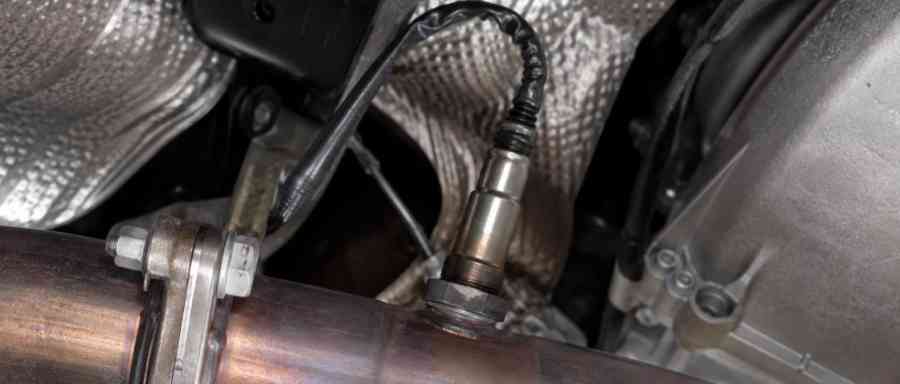
How Do You Replace a Cummins NOx Sensor?
To replace a Cummins NOx sensor, confirm the faulty sensor, allow the exhaust system to cool, disconnect the electrical connector, remove the old sensor, install a compatible replacement, and verify the repair using a diagnostic tool. The procedure applies broadly to Cummins ISX15, X15, and 6.7L diesel engines, although sensor mounting locations, wiring arrangements, and installation specifications vary by engine and aftertreatment configuration.
Before beginning, retrieve the active fault codes using Cummins INSITE or a compatible heavy-duty diagnostic scanner. Identify whether the fault involves the upstream or downstream NOx sensor, then inspect the wiring harness, connectors, and surrounding exhaust components. A NOx-related fault code alone does not establish that the sensor needs replacement. Follow the applicable Cummins troubleshooting procedure to confirm the failed component before purchasing a replacement.
Park the vehicle on a level surface, engage the parking brake, shut down the engine, and allow the exhaust system to cool completely. Aftertreatment components operate at temperatures capable of causing severe burns. Follow the vehicle manufacturer’s electrical isolation instructions before disconnecting the sensor. Obtain a replacement sensor matched to the engine serial number, emissions configuration, and original part number.
How Do You Remove the Old Cummins NOx Sensor?
To remove the old Cummins NOx sensor, disconnect its electrical connector, release the wiring harness from its mounting points, and unscrew the sensor from the exhaust mounting bung using an appropriate sensor socket. Removing the sensor without damaging the harness or exhaust threads is essential for a successful replacement.
First, locate the NOx sensor and trace its cable to the electronic sensor module and vehicle wiring connection. Depending on the aftertreatment configuration, the sensor may be installed before or after the SCR catalyst. Release the connector locking mechanism and separate the electrical connection without pulling on the wires. Inspect the connector terminals for corrosion, moisture, bent pins, or heat damage that could explain the original fault.
Next, release the sensor cable and module from their brackets or retaining clips as required. Note the original cable routing and the distance between the harness and hot exhaust components. Incorrect routing can expose the replacement sensor wiring to excessive heat, abrasion, or vibration.
Use a properly sized NOx sensor socket or suitable oxygen sensor wrench to loosen the sensor from its threaded mounting point. Apply controlled force to avoid damaging the exhaust bung. If the sensor is seized, follow the approved service procedure rather than applying excessive torque or heating the sensor assembly indiscriminately.
After removal, inspect the mounting threads for corrosion, deformation, or other damage. Confirm that the replacement sensor has the correct connector, cable length, module configuration, and part number before installation.
How Do You Install a New Cummins NOx Sensor?
To install a new Cummins NOx sensor, thread the compatible sensor into the exhaust mounting bung, tighten it to the specified torque, secure the sensor module, and reconnect the electrical harness. Correct installation prevents exhaust leakage, wiring damage, and communication problems between the sensor and engine control system.
Start by inspecting the new sensor and confirming that its part number matches the engine’s approved replacement specification. Compare the new and removed assemblies, including the electrical connector, sensor cable, control module, and mounting hardware. Cummins engines use different NOx sensor configurations, so physical similarity alone does not guarantee compatibility.
Insert the sensor into the mounting bung by hand to prevent cross-threading. Tighten it using a suitable torque wrench and the specification provided in the applicable Cummins service documentation or replacement part instructions. Do not assume that all Cummins NOx sensors share the same torque specification. Some replacement sensors have factory-applied thread compound; follow the supplied instructions rather than adding lubricant automatically.
Secure the electronic module to its designated mounting bracket and route the wiring along the original path. Keep the harness away from exhaust surfaces, moving components, and sharp edges. Reinstall the original retaining clips or approved replacements to prevent cable movement during engine operation.
Finally, reconnect the electrical connector until its locking mechanism is fully engaged. Verify that the connector is seated correctly and that the wiring has sufficient clearance from surrounding components. A loose connector or improperly routed cable can produce another sensor communication fault even when the replacement sensor is functioning correctly.
How Do You Verify the Replacement Was Successful?
To verify a Cummins NOx sensor replacement, check sensor communication, review diagnostic fault status, and complete the applicable aftertreatment verification procedure. Installing a new sensor does not automatically resolve every fault code or restore normal emissions system operation.
Reconnect the diagnostic tool and turn on the ignition according to the manufacturer’s service procedure. Confirm that the engine control system recognizes the replacement sensor and that no active electrical or communication faults remain. Review available NOx sensor data, including sensor status and reported concentration values, when supported by the diagnostic software.
Start the engine and allow the exhaust aftertreatment system to reach the operating conditions required for sensor monitoring. NOx sensors depend on internal heating and defined operating conditions, so a reading that is temporarily unavailable immediately after startup does not necessarily indicate a malfunction. Evaluate sensor data only under the conditions specified by the relevant Cummins diagnostic procedure.
Use Cummins INSITE or another compatible diagnostic platform to complete any required fault-clearing, installation, or aftertreatment tests. Certain faults require additional operating conditions or a successful diagnostic monitor before their status changes. Clearing stored fault codes without correcting the underlying problem does not constitute a successful repair.
Complete the verification with a visual inspection of the sensor mounting point, electrical connections, and cable routing. Check for exhaust leaks and confirm that relevant active faults do not return during the prescribed verification procedure. If the original fault persists, continue diagnosing the wiring, sensor power supply, communication circuit, and related aftertreatment components instead of replacing additional parts without testing.
How Do You Know If a Cummins NOx Sensor Is Bad?
A Cummins NOx sensor is likely faulty when NOx-related diagnostic trouble codes, abnormal sensor readings, or electrical communication failures indicate that the sensor cannot measure exhaust nitrogen oxide concentrations correctly. Common warning signs include an illuminated check engine light, emissions system warnings, and engine power derating. However, these symptoms require diagnostic confirmation because wiring damage, exhaust leaks, and SCR system malfunctions can produce similar conditions.
Cummins engines use NOx sensors to measure nitrogen oxide concentrations in the exhaust stream and monitor emissions control performance. The upstream sensor provides information about NOx levels entering the SCR system, while the downstream sensor helps evaluate emissions after SCR treatment. The engine control module uses these measurements alongside other operating data to monitor aftertreatment performance and identify abnormal conditions.
A defective NOx sensor may report implausible measurements, stop communicating with the engine control system, or fail to reach its required operating state. The diagnostic process should begin by retrieving active and inactive fault codes, identifying the affected sensor, and checking its electrical connections. Technicians should then follow the fault-specific Cummins troubleshooting procedure to determine whether the problem originates from the sensor itself or another component.
What Are the Symptoms of a Bad Cummins NOx Sensor?
The five main symptoms associated with a bad Cummins NOx sensor are check engine warnings, emissions system alerts, engine derating, abnormal NOx readings, and sensor communication faults. Their presence does not independently confirm sensor failure, but each provides information that helps narrow the diagnostic process.
1. Check engine light illumination. A malfunctioning NOx sensor can trigger the malfunction indicator lamp when the engine control system detects an electrical failure, communication problem, or implausible sensor signal. The warning may appear during startup or after the engine reaches the operating conditions required for emissions monitoring. Retrieve the associated diagnostic codes to identify the affected circuit or system.
2. Emissions system warnings. Cummins-powered vehicles may display aftertreatment warnings when the control system detects a problem affecting emissions monitoring or SCR performance. Because NOx sensor information contributes to emissions system diagnostics, invalid readings can be associated with these warnings. However, DEF dosing problems, exhaust leaks, and SCR catalyst faults can also trigger emissions-related alerts.
3. Engine power derating. Certain unresolved emissions faults can activate an engine derate strategy that limits available power or vehicle operation. The response depends on the engine calibration, emissions regulations, and specific fault condition. A derate accompanied by NOx sensor fault codes requires prompt diagnosis, but replacing the sensor will not resolve the restriction when another aftertreatment component is responsible.
4. Abnormal NOx sensor readings. A faulty sensor may produce implausible nitrogen oxide measurements, unavailable data, or values that do not respond appropriately to changing engine conditions. Technicians can inspect supported sensor parameters using Cummins INSITE or a compatible diagnostic scanner. Measurements must be interpreted according to exhaust temperature, engine load, sensor readiness, and the manufacturer’s diagnostic criteria rather than a universal NOx concentration threshold.
5. Sensor communication faults. A NOx sensor assembly includes electronic circuitry that communicates measurement information to the engine control system. Communication faults can occur when the sensor module fails or when its power supply, ground, connectors, or communication wiring are damaged. Inspecting these circuits is necessary before concluding that the sensor electronics require replacement.
What Fault Codes Indicate Cummins NOx Sensor Problems?
Cummins fault codes associated with NOx sensor problems identify electrical failures, communication faults, sensor performance abnormalities, or implausible NOx measurements. The exact code depends on the engine model, ECM calibration, sensor position, and aftertreatment configuration. Diagnostic codes should therefore be interpreted using the applicable Cummins service information rather than a generic fault-code list.
Several Cummins fault codes commonly associated with NOx sensor diagnostics include:
| Cummins Fault Code | General Fault Association |
|---|---|
| 1883 | Engine-out NOx sensor circuit or signal-related fault |
| 2771 | Outlet NOx sensor-related fault |
| 3232 | Aftertreatment intake NOx sensor-related fault |
| 3748 | Aftertreatment outlet NOx sensor-related fault |
These are general associations, not complete diagnostic definitions. A fault number can have a specific description and troubleshooting procedure depending on the engine calibration. Technicians should confirm the full fault description, including the applicable SPN and FMI when available, using Cummins INSITE or the engine-specific service documentation before ordering replacement parts.
Electrical fault codes direct attention toward the sensor’s power supply, ground circuit, connector condition, and communication wiring. Performance-related codes require a broader assessment because abnormal NOx measurements can result from actual exhaust emissions conditions, sensor contamination, or faults elsewhere in the aftertreatment system.
For example, a downstream NOx-related performance fault may occur when the SCR system is not reducing nitrogen oxide emissions as expected. The cause could involve DEF dosing, exhaust leakage, catalyst performance, or sensor measurement accuracy. Replacing the downstream sensor without confirming the cause may leave the original fault unresolved.
The correct diagnostic sequence is to identify the active fault, confirm the affected sensor or system, inspect the relevant electrical and exhaust components, and perform the tests specified by Cummins. NOx sensor replacement is justified when diagnostic testing confirms that the sensor assembly has failed, rather than solely because a NOx-related code is present.
Where Is the NOx Sensor Located on a Cummins Engine?
Cummins NOx sensors are located along the exhaust aftertreatment system, with an upstream sensor positioned before the selective catalytic reduction (SCR) catalyst and a downstream sensor positioned after it. Their exact mounting locations depend on the engine model, emissions certification year, and exhaust system configuration. Cummins ISX15, X15, and 6.7L engines use different aftertreatment layouts, so sensor locations must be confirmed using the vehicle’s service documentation.
The upstream NOx sensor, also called the engine-out or SCR inlet NOx sensor depending on the configuration, measures nitrogen oxide concentrations before SCR treatment. Its readings help the engine control system evaluate exhaust emissions and support aftertreatment monitoring. On many Cummins-powered trucks, this sensor is installed in the exhaust pipe or aftertreatment assembly upstream of the SCR catalyst. Its exact position relative to the diesel particulate filter (DPF) varies by system design.
The downstream NOx sensor, also called the SCR outlet NOx sensor, measures nitrogen oxide concentrations after exhaust gases pass through the SCR catalyst. Comparing upstream and downstream measurements under appropriate operating conditions helps the control system evaluate NOx reduction performance. The downstream sensor is generally installed near the SCR outlet, although its mounting orientation and accessibility depend on the vehicle’s exhaust arrangement.
Each NOx sensor assembly typically includes a threaded sensing probe, an electrical cable, and an electronic control module. The sensing probe extends into the exhaust stream, while the control module is mounted externally on a bracket or designated support. Following the sensor cable from the exhaust mounting point to its electronic module helps distinguish the complete NOx sensor assembly from nearby exhaust temperature sensors and other aftertreatment components.
Cummins X15 and ISX15 engines are commonly installed in heavy-duty trucks with integrated exhaust aftertreatment assemblies. Their NOx sensors are positioned according to the vehicle’s emissions configuration and exhaust packaging. The upstream sensor is located before the SCR catalyst, while the downstream sensor is located after SCR treatment. Access may require removing protective covers or working around exhaust brackets and surrounding chassis components.
Cummins 6.7L engines, including ISB 6.7 and B6.7 applications, also use NOx sensors within their emissions control systems. However, sensor positions differ between medium-duty commercial vehicles and other applications using Cummins 6.7L engines. A sensor location diagram for one 6.7L installation should not be assumed to apply to every vehicle equipped with that engine family.
The most reliable identification method is to retrieve the diagnostic fault information, confirm whether the upstream or downstream sensor is affected, and locate the corresponding component using the engine serial number and aftertreatment service documentation. This prevents replacing a functioning sensor when the fault originates from another location in the exhaust system.
What Tools Do You Need to Replace a Cummins NOx Sensor?
Cummins NOx sensor replacement generally requires six categories of tools and equipment: a NOx sensor socket, a ratchet or breaker bar, a torque wrench, basic hand tools, diagnostic equipment, and appropriate personal protective equipment. The exact requirements depend on sensor accessibility, mounting hardware, and the engine manufacturer’s service procedure.
A properly sized NOx sensor socket is the primary removal tool. Many NOx sensors use a hexagonal fitting that accommodates a slotted oxygen sensor-style socket, allowing the tool to fit around the attached sensor cable. The socket must match the replacement sensor’s hex size to prevent rounding the fitting or damaging the sensor housing. A ratchet provides controlled removal force, while a breaker bar may be required for a seized sensor when permitted by the service procedure.
A torque wrench is necessary for tightening the replacement sensor to the specified installation torque. Incorrect tightening can damage the sensor threads, deform the exhaust mounting bung, or compromise the seal between the sensor and exhaust system. Always use the torque specification for the exact sensor and engine application, rather than applying a generic value across Cummins engine families.
Basic hand tools, including socket sets, screwdrivers, trim removal tools, and suitable pliers, help remove sensor module brackets, release harness clips, and access electrical connectors. Some installations require additional tools to remove exhaust shields or surrounding components. Use connector-release tools where specified to avoid breaking plastic locking tabs or damaging electrical terminals.
A diagnostic scanner is essential for confirming the original fault and evaluating the replacement. Cummins INSITE provides access to supported engine fault information, diagnostic procedures, and service functions when used with compatible communication hardware and appropriate software access. A compatible heavy-duty diagnostic scanner may also retrieve fault codes and display NOx sensor parameters, although its available functions depend on the vehicle and diagnostic platform.
Cummins INSITE is not universally required for the physical removal and installation of a NOx sensor. However, certain applications require manufacturer-specific diagnostic tests or service functions to complete the repair verification. A basic code reader may not support these procedures, making professional diagnostic equipment necessary for some replacements.
Personal protective equipment includes safety glasses, suitable work gloves, and protective clothing. Exhaust components must be allowed to cool before work begins because the DPF, SCR catalyst, and adjacent exhaust piping can retain dangerous temperatures after engine shutdown. The vehicle should also be secured against movement, and any required electrical isolation procedures should be completed before disconnecting the sensor assembly.
Before starting the replacement, prepare the correct sensor assembly, approved mounting hardware, and any replacement harness retainers specified by the service documentation. Confirm part compatibility using the engine serial number and original sensor identification. Having the correct components available reduces installation delays and prevents repeated handling of sensitive electrical connections.
How Do You Reset Cummins NOx Sensor Fault Codes After Replacement?
To reset Cummins NOx sensor fault codes after replacement, connect a compatible diagnostic scanner, identify active and inactive faults, clear eligible stored codes, and complete the required aftertreatment verification procedures. Cummins INSITE is commonly used for these operations because it provides access to engine-specific diagnostic information and supported service functions. However, clearing a fault code does not automatically confirm that the new NOx sensor is functioning correctly.
The engine control module (ECM) continuously monitors NOx sensor communication, electrical circuits, and exhaust emissions measurements. When the ECM detects a malfunction, it records a diagnostic fault code and may activate a check engine light or emissions warning. After replacing the defective sensor, the ECM must recognize the new sensor and determine whether the original fault condition has been resolved.
Begin by connecting Cummins INSITE or a compatible heavy-duty diagnostic scanner through the vehicle’s diagnostic connector. Turn the ignition on according to the manufacturer’s instructions and establish communication with the ECM. Retrieve the fault code list and distinguish between active and inactive faults. Active faults indicate conditions currently detected by the control system, while inactive faults represent previously detected conditions that are no longer active.
Clear inactive fault codes only after confirming that the underlying problem has been corrected. Some diagnostic tools allow stored fault information to be cleared through a fault-clearing command. However, an active fault generally cannot be permanently cleared while the ECM continues to detect the original malfunction. If the same NOx sensor fault immediately returns, further diagnosis is necessary.
A replacement NOx sensor does not universally require manual calibration. Depending on the Cummins engine model, ECM calibration, and sensor configuration, the control system may recognize the replacement automatically or require specific service procedures. Technicians should consult the applicable Cummins service documentation to determine whether sensor initialization, an aftertreatment test, or another diagnostic function is required.
After clearing eligible codes, start the engine and monitor available NOx sensor parameters. The sensor must reach its required operating conditions before valid measurements become available. NOx sensors incorporate heating and electronic control functions, so their readiness depends on operating conditions rather than ignition status alone. A temporarily unavailable reading during initial startup should not automatically be interpreted as a defective replacement.
When the diagnostic software supports live data monitoring, examine the upstream and downstream NOx sensor status, reported NOx concentrations, and communication information. The readings should be evaluated against the manufacturer’s diagnostic criteria under appropriate operating conditions. Upstream and downstream measurements are not expected to remain identical because the SCR catalyst is designed to reduce nitrogen oxide concentrations as exhaust gases pass through the aftertreatment system.
Complete any required stationary aftertreatment test, diagnostic monitor, or controlled road test specified for the engine application. Some faults require particular exhaust temperatures, engine operating conditions, or completed diagnostic checks before the ECM changes their status. Do not initiate a stationary regeneration or other high-temperature service procedure unless it is specifically required and all manufacturer safety conditions are satisfied.
If the NOx sensor fault remains active after replacement, inspect the sensor connector, power supply, ground circuit, communication wiring, and replacement part compatibility before considering another sensor replacement. A damaged harness or incorrect sensor assembly can prevent the ECM from communicating with the new component. Exhaust leaks, DEF dosing problems, and SCR catalyst faults can also produce NOx-related performance codes even when both sensors operate correctly.
Finally, retrieve the fault code list again and confirm that the original fault is no longer active. Verify that the sensor communicates correctly, the required diagnostic tests have passed, and no new aftertreatment faults have appeared. A successful repair is established through these checks rather than by the absence of a dashboard warning alone.
How Much Does Cummins NOx Sensor Replacement Cost?
Cummins NOx sensor replacement typically costs an estimated $300 to $1,200 per sensor, including replacement parts, labor, and basic diagnostic services. The total expense depends on the Cummins engine model, sensor position, replacement part manufacturer, labor rates, and whether additional electrical or aftertreatment repairs are necessary. These figures are general U.S. repair-budget estimates rather than verified current shop quotations.
The replacement sensor usually accounts for the largest portion of the repair cost. OEM sensors generally carry higher purchase prices than aftermarket alternatives, while labor charges depend on the sensor’s accessibility and the condition of its mounting hardware. A sensor installed in an accessible exhaust pipe requires less disassembly than one positioned behind protective shields or tightly packaged aftertreatment components.
The following table provides illustrative cost ranges for budgeting a single Cummins NOx sensor replacement.
| Replacement Expense | Estimated Cost (USD) |
|---|---|
| Aftermarket NOx sensor | $150–$450 |
| OEM NOx sensor | $300–$800 |
| Replacement labor | $100–$300 |
| Diagnostic inspection | $75–$200 |
| Typical combined repair budget | $300–$1,200 |
These estimates are not additive in every case. The combined repair budget assumes one replacement sensor and routine installation, while diagnostic fees and additional repairs vary by service provider. Actual quotations should be confirmed using the engine serial number, correct sensor part number, and local repair shop rates.
For Cummins X15 and ISX15 engines, replacement costs depend heavily on the aftertreatment configuration and whether the upstream or downstream sensor requires replacement. Heavy-duty truck applications may involve additional labor for accessing the sensor module, removing protective covers, or inspecting damaged exhaust mounting threads. A seized sensor can also increase labor time if its removal requires additional procedures.
Cummins 6.7L applications have similar cost considerations, although replacement part compatibility varies across engine generations and vehicle manufacturers. A sensor designed for one Cummins 6.7L emissions configuration may not function correctly in another, even when the electrical connector and threaded mounting dimensions appear similar. Purchasing an incompatible sensor can create additional expenses through repeated installation and unresolved fault codes.
Diagnostic costs should also be considered before authorizing replacement. A NOx-related fault code can originate from damaged wiring, communication problems, or other aftertreatment faults rather than a defective sensor. Confirming the failure before ordering parts reduces the risk of unnecessary replacement and helps prevent recurring repair expenses.
Should You Choose an OEM or Aftermarket Cummins NOx Sensor?
Choose an OEM Cummins NOx sensor when verified compatibility, manufacturer-supported specifications, and predictable replacement quality are the main priorities. A compatible aftermarket sensor can provide a lower-cost alternative, but its part number, electrical characteristics, emissions-system compatibility, and warranty coverage must match the engine application.
OEM NOx sensors are supplied through the engine manufacturer’s approved parts network and are intended to meet the specifications of the relevant engine and aftertreatment configuration. Their primary advantage is application-specific compatibility when the correct replacement part is selected. OEM parts may also provide clearer technical documentation and warranty support through authorized service channels.
Aftermarket NOx sensors are manufactured or distributed by independent parts suppliers. Their quality and compatibility depend on the manufacturer and product specification. A properly engineered aftermarket sensor can perform the same monitoring function as the original component, but physical interchangeability does not establish electrical or diagnostic compatibility.
The main differences between OEM and aftermarket Cummins NOx sensors are summarized below.
| Comparison Factor | OEM NOx Sensor | Aftermarket NOx Sensor |
|---|---|---|
| Purchase price | Generally higher | Often lower |
| Compatibility | Application-specific when correctly selected | Requires independent verification |
| Quality control | Manufacturer-approved specifications | Varies by supplier |
| Warranty | Depends on OEM warranty terms | Depends on aftermarket supplier |
| Parts identification | Supported by OEM parts information | Requires reliable cross-reference |
| Availability | Authorized parts distribution | Independent parts distributors |
The correct Cummins NOx sensor part number should be identified using the engine serial number (ESN), aftertreatment configuration, and applicable parts catalog. The ESN allows technicians and parts suppliers to identify the engine’s original specifications and determine which replacement components are approved for that application. Vehicle identification information may also be necessary when exhaust system components differ by chassis manufacturer.
Before purchasing a sensor, compare the original and replacement part numbers and verify any manufacturer-approved supersessions. A superseded part number identifies a newer component approved to replace an earlier version under specified conditions. This is particularly important for Cummins engines manufactured across different emissions generations, where sensor electronics, control modules, and communication requirements may differ.
Inspect the replacement assembly’s connector type, cable length, mounting dimensions, and electronic module configuration. These physical characteristics help identify installation differences, but they should supplement rather than replace part-number verification. Two NOx sensors can look nearly identical while using different internal electronics or communication specifications.
Warranty coverage is another consideration when comparing replacement options. Review the supplier’s warranty duration, installation requirements, and exclusions before purchasing. Some warranties cover only the replacement component, while others may include additional conditions related to professional installation or diagnostic confirmation. Coverage must be checked against the actual supplier terms rather than assumed from the OEM or aftermarket designation.
For commercial trucks operating under demanding duty cycles, parts availability and downtime can influence the purchasing decision. A correctly matched sensor available through a reliable supplier may reduce vehicle downtime, provided it meets the required specifications. However, choosing a cheaper sensor without verifying compatibility can result in persistent diagnostic faults, repeated labor charges, and additional time out of service.
The final selection should prioritize correct application compatibility, verified part specifications, reliable supplier support, and total repair cost. OEM sensors offer a straightforward replacement option when sourced through the appropriate Cummins parts channel, while reputable aftermarket sensors are an alternative when their compatibility and performance requirements have been confirmed.
Read more: Chevy Colorado Thermostat Replacement: Step-by-Step
How Long Does a Cummins NOx Sensor Last?
A Cummins NOx sensor has no universal replacement interval because its service life depends on exhaust temperature, engine operating conditions, electrical system integrity, and exposure to contaminants. Unlike routine maintenance components such as engine oil filters, NOx sensors are generally replaced when diagnostic testing confirms a malfunction rather than at a fixed mileage. Cummins X15, ISX15, and 6.7L applications may experience different sensor lifespans because their duty cycles and aftertreatment configurations vary.
NOx sensors operate directly in the exhaust stream, where they experience repeated heating and cooling cycles, vibration, and exposure to combustion byproducts. The sensing element must reach its required operating temperature to measure nitrogen oxide concentrations accurately. Over time, thermal stress and contamination can affect sensor response, while damage to the integrated electronics or wiring can interrupt communication with the engine control module.
Engine operating conditions influence sensor durability. Long-haul trucks operating at relatively consistent engine loads experience different exhaust temperature patterns than delivery vehicles with frequent stops, extended idling, and repeated cold starts. These operating differences affect aftertreatment temperatures and the frequency of sensor heating cycles. However, driving conditions alone cannot establish when a NOx sensor will fail, and there is no single mileage threshold that applies to every Cummins engine.
Exhaust contamination can also contribute to sensor deterioration. Excessive soot, oil consumption, coolant entering the exhaust system, and abnormal combustion conditions may expose the sensing element to substances that interfere with its operation. A malfunctioning diesel particulate filter or other upstream engine problem can create conditions that affect aftertreatment components. Identifying the source of contamination is essential when a sensor fails prematurely.
Electrical system condition is another factor affecting sensor reliability. NOx sensor assemblies contain electronic control circuitry and communicate with the engine control system through dedicated electrical connections. Damaged wiring insulation, corroded terminals, loose connectors, and excessive heat exposure can cause intermittent faults or complete communication loss. These problems may resemble internal sensor failure even when the sensing element remains functional.
The most reliable way to assess NOx sensor condition is through fault-code analysis, electrical inspection, and manufacturer-specified diagnostic testing. A sensor that communicates correctly and produces valid measurements under the required operating conditions does not need replacement solely because the vehicle has accumulated substantial mileage. Conversely, a relatively new sensor may require replacement when testing confirms an internal electrical or measurement failure.
What Causes a Cummins NOx Sensor to Fail Repeatedly?
Repeated Cummins NOx sensor failures are associated with five main problem areas: damaged wiring, excessive exhaust heat, contamination, incorrect replacement parts, and unresolved aftertreatment system faults. Some of these conditions physically damage the sensor, while others generate recurring NOx-related fault codes without causing an actual sensor failure. Distinguishing between these situations prevents unnecessary parts replacement and repeated repair costs.
1. Damaged wiring and electrical connectors. A NOx sensor relies on stable electrical connections for power, communication, and electronic control. Wiring exposed to exhaust heat, road debris, vibration, or moisture can develop damaged insulation, broken conductors, or corroded terminals. For example, a harness routed too close to the exhaust pipe after sensor replacement may experience heat damage and trigger another communication fault. Inspecting the complete harness path, connector terminals, and applicable electrical circuits helps identify these problems before another sensor is installed.
2. Excessive exhaust temperatures. NOx sensors are designed to operate within specified exhaust temperature conditions, but abnormal thermal exposure can damage the sensing assembly, wiring, or electronic module. Exhaust temperature problems may result from engine malfunctions, aftertreatment operating conditions, or incorrect component installation. A sensor cable positioned against a hot exhaust surface can deteriorate even when the sensor itself is mounted correctly. Technicians should inspect thermal protection, mounting brackets, and cable clearance when investigating repeated failures.
3. Exhaust contamination. Oil, coolant, soot, and other combustion-related deposits can interfere with NOx sensor operation when they reach the sensing element. Excessive engine oil consumption, internal coolant leakage, or abnormal combustion conditions may contribute to contamination within the exhaust system. For example, a persistent engine problem that introduces oil into the exhaust can continue affecting replacement components until the underlying condition is repaired. Inspecting the removed sensor and evaluating related engine faults helps determine whether contamination contributed to the failure.
4. Incorrect or incompatible replacement sensors. Cummins NOx sensors must match the engine’s emissions configuration and electronic communication requirements. An incorrect sensor may fit the exhaust mounting bung but fail to communicate properly with the ECM or produce the expected diagnostic response. Differences in electronic modules, wiring configurations, and part-number revisions make application verification essential. Confirming the engine serial number, approved part number, and manufacturer-recognized supersessions reduces the risk of installing an incompatible component.
5. Unresolved SCR and DEF system problems. The selective catalytic reduction system uses diesel exhaust fluid to support the conversion of nitrogen oxides into nitrogen and water. Problems involving DEF delivery, dosing components, exhaust leaks, or SCR catalyst performance can produce abnormal NOx measurements and emissions-related fault codes. These conditions do not necessarily damage the NOx sensor. For example, insufficient DEF dosing can cause elevated downstream NOx readings even when the downstream sensor is measuring correctly. Replacing that sensor will not resolve the underlying SCR performance problem.
Preventing recurring NOx sensor problems requires diagnosing the complete fault condition rather than treating every NOx-related warning as a sensor failure. Technicians should inspect the electrical harness, verify sensor compatibility, examine exhaust system integrity, and review relevant aftertreatment diagnostic information. When the original fault involves NOx measurement performance, the SCR and DEF systems should also be evaluated according to the applicable Cummins troubleshooting procedure.
After completing the repair, verify sensor communication and confirm that the original fault does not return under the operating conditions required for diagnostic monitoring. Proper cable routing, secure electrical connections, correct installation torque, and verified aftertreatment operation reduce the likelihood of installation-related problems. A lasting Cummins NOx sensor repair depends on correcting the confirmed root cause, not simply installing another sensor.