When your truck refuses to switch into four wheel drive, the situation becomes frustrating very quickly. Chevy 4 Wheel Drive Switch Problems often show up at the worst time. You may face them on muddy roads, steep hills, or during heavy rain. Instead of getting better traction, your vehicle stays stuck in two wheel drive.
Many Chevy owners think a major mechanical failure causes the issue. This assumption creates unnecessary stress and leads to expensive repairs. In many cases, the real problem is much simpler. A faulty switch, damaged wiring, or a small system glitch can trigger the issue.
If you ignore these early signs, the problem can get worse over time. What starts as a minor fault may turn into serious drivetrain damage. That means higher repair costs and more time off the road.
In this guide, you will learn everything about Chevy 4 Wheel Drive Switch Problems. You will discover common symptoms, understand the real causes, and learn how to fix them fast. Whether you plan to fix it yourself or visit a mechanic, this article will help you make the right decision with confidence.
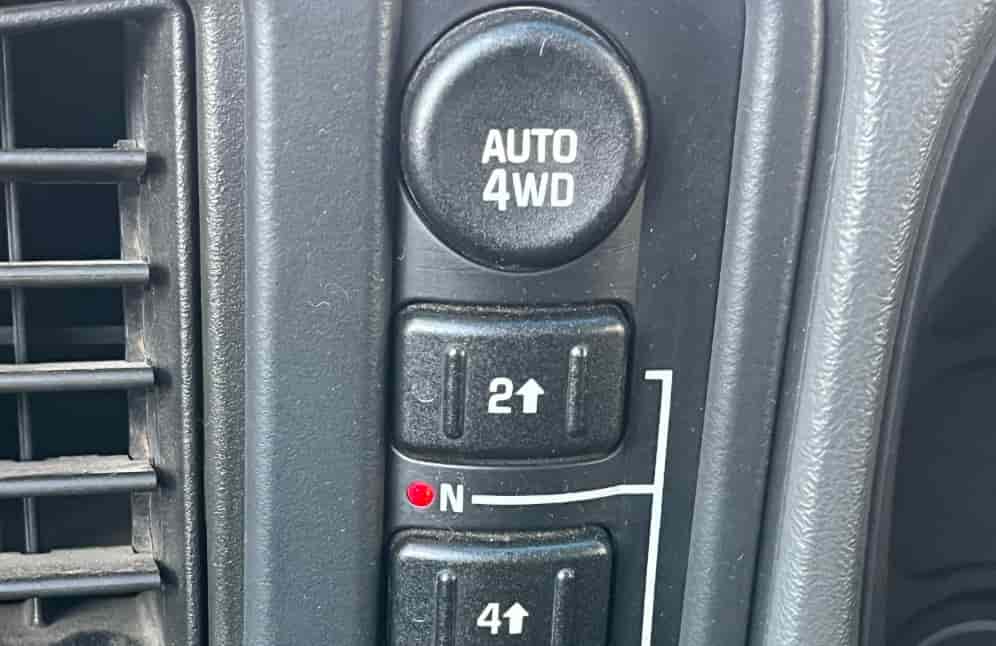
What Is a Chevy 4WD Switch and How It Works
A Chevy 4WD switch controls how your vehicle sends power to its wheels. You can usually find this switch on the dashboard as a knob or a set of buttons. It allows you to choose between different driving modes such as two wheel drive, four high, and four low.
When you turn the switch, it sends an electrical signal to the transfer case control module. This module processes the command and activates the transfer case motor. The motor then shifts the drivetrain to the selected mode. As a result, your truck adjusts traction based on road conditions.
This system works quickly and smoothly when all components function properly. However, even a small issue can interrupt the process. A weak signal, damaged wiring, or a faulty switch can prevent the system from engaging four wheel drive.
Many drivers think the switch works as a simple mechanical part. In reality, it is part of a larger electronic system. It connects directly with the control module, actuator, and transfer case. Because of this, a failure in one component can affect the entire system.
Understanding how the 4WD switch works helps you diagnose problems more accurately. It also prevents you from replacing the wrong parts, which can save both time and money.
Common Symptoms of Chevy 4 Wheel Drive Switch Problems
Chevy 4 Wheel Drive Switch Problems often appear through clear and easy to recognize warning signs. One of the most common symptoms occurs when the system fails to engage four wheel drive. You turn the switch, but the vehicle remains in two wheel drive, which can be frustrating in situations that require extra traction. In some cases, the opposite problem happens. The truck gets stuck in four wheel drive and refuses to return to normal driving mode, which can affect handling and fuel efficiency.
Another frequent issue involves the indicator light on the dashboard. The light may blink continuously or stop working completely. A blinking signal usually indicates a communication problem within the system, while a dead light often points to a faulty switch or electrical failure. You may also notice unusual noises when switching modes. Clicking or grinding sounds often come from the transfer case motor, which suggests the system struggles to respond properly.
Delayed response is another warning sign that drivers should not ignore. When the system takes too long to react after you turn the switch, it often means the signal is weak or components have started to wear out. In modern Chevy vehicles, dashboard error messages can also appear. These alerts help identify drivetrain issues early. Recognizing these symptoms of Chevy 4 Wheel Drive Switch Problems allows you to act quickly and avoid more serious damage.
Main Causes of Chevy 4 Wheel Drive Switch Problems
Chevy 4 Wheel Drive Switch Problems can come from several different sources, and not all of them relate directly to the switch itself. One of the most common causes is a faulty 4WD switch. Over time, the internal components wear out or lose proper contact, which prevents the system from sending accurate signals. This issue often leads to unresponsive controls or incorrect mode selection.
Electrical problems also play a major role. Damaged wiring, loose connections, or corrosion can interrupt the signal between the switch and the control module. Even a small break in the circuit can stop the system from working properly. In many cases, drivers overlook simple issues such as blown fuses or faulty relays. These components protect the system, but when they fail, they can completely disable the 4WD function.
Another important cause involves the transfer case motor. This motor receives commands from the control module and physically shifts the drivetrain. If the motor fails or becomes weak, the system cannot engage or disengage four wheel drive correctly. In addition, problems with the transfer case control module itself can create confusion within the system. The module may send incorrect signals or fail to respond, which leads to inconsistent performance.
Understanding these causes of Chevy 4 Wheel Drive Switch Problems helps you avoid misdiagnosis. Many drivers replace the switch too quickly without checking other components. A proper inspection saves time, reduces repair costs, and ensures you fix the real issue instead of treating the symptoms.
How to Fix Chevy 4 Wheel Drive Switch Problems Fast
Fixing Chevy 4 Wheel Drive Switch Problems does not always require expensive repairs if you follow a logical process. You should start with the simplest checks before moving to more complex solutions. First, inspect the fuse and relay related to the 4WD system. A blown fuse can completely disable the system, but it is quick and cheap to replace.
Next, check the wiring and connections. Look for loose plugs, damaged wires, or signs of corrosion. Electrical issues often cause signal loss, which prevents the system from responding. After that, you can try resetting the system by disconnecting the battery for a few minutes. This step can clear minor electronic glitches and restore normal function.
If the problem continues, test the 4WD switch itself. A worn or faulty switch may fail to send proper signals. Replacing the switch is usually straightforward and affordable, which makes it a common fix for many drivers. However, if the system still does not work, the issue may involve the transfer case motor or the control module. These components require more advanced tools and experience to diagnose.
Taking a step by step approach helps you fix Chevy 4 Wheel Drive Switch Problems faster and avoid unnecessary costs. Simple checks can often solve the issue without visiting a repair shop. If the problem becomes more complex, you will at least have a clearer understanding before seeking professional help.
Cost to Fix Chevy 4 Wheel Drive Switch Problems
The cost of fixing Chevy 4 Wheel Drive Switch Problems can vary depending on the exact cause and the level of damage. In many cases, the repair is more affordable than most drivers expect, especially if the issue comes from the switch itself. Replacing a faulty 4WD switch usually costs between fifty and two hundred dollars for the part. If you choose to handle the replacement yourself, you can save a significant amount on labor.
However, if you visit a repair shop, labor costs can add another one hundred to three hundred dollars. The total price will depend on your location and the complexity of the job. While this may seem expensive, it is still reasonable compared to more serious drivetrain repairs. Problems involving wiring or electrical connections can fall within a similar price range, depending on how long it takes to diagnose and fix the issue.
Costs increase significantly when the problem involves the transfer case motor or control module. In these situations, repairs can range from five hundred to over one thousand five hundred dollars. This is why early diagnosis is so important. Fixing Chevy 4 Wheel Drive Switch Problems at an early stage can prevent small issues from turning into major expenses.
Understanding these cost ranges helps you make better decisions. You can choose between a DIY fix or professional repair based on your budget and skill level, while avoiding unnecessary or overpriced services.
Quick Troubleshooting Checklist
When you face Chevy 4 Wheel Drive Switch Problems, a quick and structured check can save you time and reduce stress. Instead of guessing, you should follow a simple process to identify the issue step by step. Start by checking whether the system responds at all. If nothing happens when you turn the switch, inspect the fuse and relay first. These small components often fail and can completely disable the system.
If the indicator light blinks or behaves abnormally, you should focus on the transfer case motor and wiring connections. A weak or interrupted signal can cause the system to struggle when changing modes. When your vehicle feels stuck in two wheel drive or four wheel drive, test the switch and verify that it sends a proper signal. In many cases, replacing the switch solves the problem quickly.
You should also pay attention to unusual noises or delayed responses. These signs often indicate deeper mechanical or electrical issues. In modern vehicles, dashboard warning messages provide useful clues. They help you narrow down the problem before it becomes more serious.
Following this checklist allows you to approach Chevy 4 Wheel Drive Switch Problems with confidence. It reduces guesswork and helps you decide whether you can fix the issue yourself or need professional support.
Conclusion
Chevy 4 Wheel Drive Switch Problems are more common than many drivers expect, but they are often easier to fix than they seem. By understanding how the system works, recognizing early symptoms, and identifying the real causes, you can avoid unnecessary stress and expensive repairs. In many cases, simple issues such as a faulty switch, blown fuse, or minor wiring problem can disrupt the entire system.
Taking action early makes a big difference. A quick inspection and basic troubleshooting can save you both time and money. If you ignore the warning signs, the problem can spread to more expensive components like the transfer case or control module. This is why a step by step approach is always the best strategy.
Whether you choose a DIY solution or visit a professional mechanic, knowing what to look for gives you a clear advantage. You can make informed decisions and avoid overpaying for repairs that you may not even need.
Have you experienced any of these Chevy 4 Wheel Drive Switch Problems before? Share your situation or questions in the comments so others can learn from your experience. Your insight might help someone fix their issue faster and with more confidence.