If your Chevy Silverado suddenly starts to shudder, hesitate, or feel like it is losing power during acceleration, you are not alone. Many truck owners experience these frustrating issues without realizing that the root cause may lie deep within the transmission system. One of the most overlooked yet critical components is the torque converter. When it begins to fail, it can trigger a chain reaction of performance problems that not only affect driving comfort but also lead to expensive repairs if ignored.
Chevy Silverado torque converter problems often show up as subtle warning signs at first. You might notice a slight vibration at certain speeds, delayed gear engagement, or even a drop in fuel efficiency. These symptoms are easy to dismiss in the early stages, but they tend to worsen over time. What starts as a minor inconvenience can quickly escalate into severe transmission damage, leaving you with repair bills that can reach thousands of dollars.
Understanding how these issues develop is essential if you want to protect your vehicle and avoid unnecessary costs. In this guide, we will break down the most common signs of torque converter failure, explain the underlying causes, and walk you through the most effective fixes available today. Whether you are trying to diagnose a current issue or prevent future problems, this article will give you the clarity and confidence needed to make the right decision.
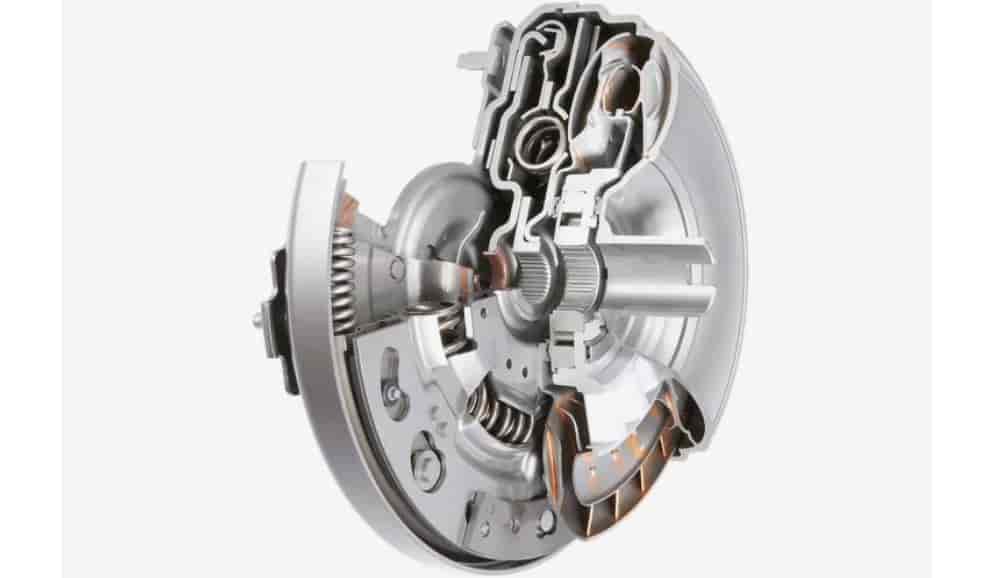
What Is a Torque Converter in a Chevy Silverado
To fully understand Chevy Silverado torque converter problems, it is important to first know what this component actually does and why it plays such a critical role in your truck’s performance. The torque converter is a key part of the automatic transmission system. It acts as a bridge between the engine and the transmission, allowing power to be transferred smoothly without the need for a manual clutch.
In simple terms, the torque converter uses hydraulic fluid to transmit engine power to the transmission. This process allows your Silverado to come to a stop without stalling the engine and to accelerate smoothly when you press the gas pedal. It also multiplies torque when needed, especially during initial acceleration or when towing heavy loads, which is why it is so essential for a truck like the Silverado.
However, this constant transfer of power and heat puts a lot of stress on the torque converter over time. Inside the unit, there are several components such as the impeller, turbine, stator, and lock up clutch. If any of these parts wear out or fail, the entire system can become unstable. This is when drivers begin to notice issues like slipping, shuddering, or delayed shifting.
Chevy Silverado models, especially those used for towing or heavy duty work, are more prone to torque converter wear due to the increased load on the drivetrain. In some model years, design limitations and transmission tuning have also contributed to a higher rate of failure. As a result, understanding how the torque converter works is the first step toward identifying problems early and preventing more serious transmission damage.
Common Signs of Chevy Silverado Torque Converter Problems
One of the biggest challenges with Chevy Silverado torque converter problems is that the symptoms often start small and gradually become more severe. Many drivers ignore these early warning signs, only to face major transmission failure later. Recognizing these symptoms early can save you from costly repairs and unexpected breakdowns.
Shuddering or Vibrations While Driving
This is one of the most common and noticeable signs. You may feel a slight vibration or shaking sensation when driving at steady speeds, especially between 40 to 80 km per hour. It often feels like driving over small bumps or rumble strips. This happens when the torque converter clutch fails to engage smoothly, causing inconsistent power transfer.
Transmission Slipping
If your Silverado feels like it is struggling to maintain power, or the engine revs higher without a corresponding increase in speed, you are likely experiencing transmission slipping. This occurs when the torque converter cannot properly transfer engine power to the transmission, resulting in a loss of efficiency and performance.
Delayed or Harsh Shifting
Another clear indicator is when your truck hesitates before shifting gears or shifts too aggressively. You might notice a pause when moving from park to drive or feel a sudden jerk during gear changes. These issues are often linked to internal torque converter faults or pressure inconsistencies within the transmission system.
Overheating Transmission
A failing torque converter can generate excessive heat due to poor fluid circulation. Over time, this heat can damage transmission components and degrade the transmission fluid. If you notice a burning smell or a warning light on your dashboard, it could be a sign that your transmission is overheating.
Decreased Fuel Efficiency
When the torque converter is not functioning properly, your engine has to work harder to deliver the same level of performance. This leads to increased fuel consumption. If you find yourself visiting the gas station more often without any change in driving habits, it may be time to inspect your transmission system.
These symptoms are often interconnected. What begins as a minor vibration can quickly evolve into slipping, overheating, and eventually complete transmission failure. That is why identifying Chevy Silverado torque converter problems early is not just helpful, it is essential for avoiding expensive repairs and maintaining your truck’s reliability.
Main Causes of Chevy Silverado Torque Converter Problems
Chevy Silverado torque converter problems often develop over time rather than appearing suddenly. Most issues come from internal wear, dirty transmission fluid, or excessive heat inside the system. If you understand these causes early, you can avoid serious damage and expensive repairs.
One common cause is worn needle bearings inside the torque converter. These small parts reduce friction between moving components. Over time, constant movement and heavy load wear them down. As they degrade, you may notice vibrations or strange noises while driving. If you ignore these signs, the damage can spread quickly.
Contaminated transmission fluid is another major factor. Clean fluid helps lubricate, cool, and maintain pressure in the transmission. When the fluid becomes dirty or filled with debris, it loses its effectiveness. This leads to poor power transfer, slipping, and increased heat. In many cases, this is the starting point of more serious Chevy Silverado torque converter problems.
The lock up clutch also plays a critical role. It connects the engine and transmission at higher speeds to improve efficiency. When it fails, it may slip or engage unevenly. This often causes the shuddering sensation that many Silverado owners report. Drivers sometimes mistake this issue for full transmission failure, which leads to unnecessary repairs.
Heat is another key contributor. High temperatures break down transmission fluid and damage internal components. Trucks that tow heavy loads or skip regular maintenance face a higher risk. Without proper cooling and fluid care, the torque converter can fail much faster than expected.
These causes rarely happen alone. Dirty fluid can lead to clutch failure, which then increases heat and internal wear. This chain reaction is why early maintenance matters. If you act quickly, you can fix small issues before they turn into major Chevy Silverado torque converter problems.
How to Diagnose Chevy Silverado Torque Converter Problems
Diagnosing Chevy Silverado torque converter problems early can save you from expensive repairs and unnecessary part replacements. Many drivers misidentify these issues as general transmission failure, which often leads to wasted time and money. A clear and simple diagnosis process helps you confirm the real problem before taking action.
The first step is to observe how your truck behaves during normal driving. Pay attention to vibrations, slipping, or delayed acceleration. If your Silverado shudders at steady speeds or struggles to shift smoothly, the torque converter may not be functioning properly. These symptoms usually appear under light throttle or when maintaining a constant speed.
Next, check the condition of your transmission fluid. Healthy fluid should look clean and have a bright red color. If the fluid appears dark, dirty, or smells burnt, it may indicate overheating or internal wear. Contaminated fluid often points to deeper Chevy Silverado torque converter problems and should not be ignored.
Using an OBD2 scanner is another effective way to identify issues. This tool reads error codes stored in your vehicle’s system. Codes like P0740 or P0741 often relate to torque converter clutch performance. These codes do not always confirm complete failure, but they provide strong clues about where the problem is coming from.
For a more advanced check, some mechanics perform a stall speed test. This test measures how the engine and torque converter respond under load. While it can help confirm internal issues, it should be done carefully because improper testing can cause further damage.
In many cases, combining these methods gives you the most accurate diagnosis. Instead of guessing, you can identify the exact cause and choose the right repair option. Taking the time to diagnose Chevy Silverado torque converter problems correctly can prevent costly mistakes and keep your truck running smoothly.
Repair and Fix Options for Chevy Silverado Torque Converter Problems
When dealing with Chevy Silverado torque converter problems, choosing the right repair method can save you a significant amount of money and prevent further damage. Many drivers rush into full transmission replacement without understanding that some issues can be fixed at a much lower cost. The key is to match the solution with the severity of the problem.
One of the simplest and most affordable options is a transmission fluid flush. If the issue comes from dirty or degraded fluid, replacing it can improve performance and reduce minor shuddering. This solution works best in early stages, but it is usually temporary. If internal components are already worn, the problem will return over time.
A more reliable fix is replacing the torque converter itself. This option is common when symptoms like slipping or vibration become consistent. A new torque converter restores proper power transfer and improves overall driving performance. While the cost is higher than a fluid change, it is still more affordable than rebuilding the entire transmission.
In more severe cases, a full transmission repair or rebuild may be necessary. This happens when damage spreads beyond the torque converter and affects other internal components. Although this is the most expensive solution, it ensures long term reliability if the system has suffered extensive wear.
Each option comes with different costs, risks, and outcomes. A quick fix may seem attractive, but it can lead to repeated issues if the root cause is not addressed. On the other hand, replacing major components too early can waste money. That is why proper diagnosis is essential before deciding how to fix Chevy Silverado torque converter problems.
Taking the time to choose the right repair approach not only protects your budget but also extends the life of your truck. A well informed decision can mean the difference between a simple fix and a costly breakdown.
Cost to Fix Chevy Silverado Torque Converter Problems
The cost of fixing Chevy Silverado torque converter problems can vary widely depending on the severity of the damage and the repair method you choose. Many truck owners underestimate these costs at first, which often leads to delays in repair and even higher expenses later. Understanding the price range helps you make a smarter decision before the problem gets worse.
If the issue is minor and caught early, a transmission fluid flush may cost between 150 and 300 dollars. This is the most affordable option and can improve performance if dirty fluid is the main cause. However, this fix is usually temporary and will not solve deeper mechanical issues.
Replacing the torque converter is the most common solution for moderate problems. The total cost typically ranges from 800 to 2000 dollars, including parts and labor. Labor costs make up a large portion of this price because the transmission must be removed to access the torque converter. While this option requires a higher upfront investment, it often restores proper function and prevents further damage.
In severe cases, you may need a full transmission rebuild or replacement. This can cost anywhere from 2500 to 4000 dollars or more, depending on the extent of the damage. If the torque converter failure has already affected other internal components, this option becomes necessary to ensure long term reliability.
Many drivers make the mistake of delaying repairs to save money. In reality, this often leads to a chain reaction of damage that increases the final cost. What starts as a minor issue can quickly turn into a full transmission failure if ignored.
Addressing Chevy Silverado torque converter problems early is the most effective way to control repair costs. A timely diagnosis and the right repair choice can save you thousands of dollars and keep your truck running smoothly for years.
How to Prevent Chevy Silverado Torque Converter Problems
Preventing Chevy Silverado torque converter problems is always easier and cheaper than fixing them. Many of these issues develop slowly, which means you have plenty of opportunities to protect your transmission if you follow the right maintenance habits. A few simple actions can significantly extend the life of your torque converter and reduce the risk of costly repairs.
Regular transmission fluid changes are one of the most important steps. Clean fluid keeps the system lubricated, cool, and operating under proper pressure. Over time, fluid breaks down and collects debris, which increases wear on internal components. By replacing it at recommended intervals, you reduce the chances of overheating and internal damage.
Driving habits also play a major role. Avoid aggressive acceleration and sudden braking whenever possible. These behaviors place extra stress on the torque converter and transmission system. If you often tow heavy loads, make sure your truck is properly equipped and avoid pushing it beyond its limits for long periods.
Keeping the transmission system cool is another key factor. Excess heat is one of the main causes of torque converter failure. Make sure your cooling system works properly and consider installing an external transmission cooler if you regularly drive under heavy load conditions. Lower temperatures help preserve fluid quality and protect internal parts.
Routine inspections can help you catch problems early. Pay attention to warning signs such as vibrations, slipping, or unusual noises. Checking your transmission fluid regularly can also reveal early signs of contamination or overheating. The sooner you identify an issue, the easier and cheaper it is to fix.
Preventive maintenance is not complicated, but it requires consistency. Small efforts today can prevent major Chevy Silverado torque converter problems in the future. By taking care of your truck, you protect both its performance and your budget.
Conclusion
Chevy Silverado torque converter problems can start as minor symptoms, but they rarely stay small for long. What begins as a slight vibration or delayed shifting can quickly develop into serious transmission damage if ignored. That is why understanding the signs, causes, and repair options is essential for every Silverado owner who wants to avoid unexpected breakdowns and high repair costs.
Throughout this guide, you have seen how early warning signs such as shuddering, slipping, and overheating often point to deeper issues inside the torque converter. You also learned that common causes like contaminated transmission fluid, worn components, and excessive heat are usually connected. When these factors combine, they can trigger a chain reaction that leads to complete transmission failure.
The good news is that most Chevy Silverado torque converter problems can be managed if you act early. Proper diagnosis allows you to choose the right repair option, whether it is a simple fluid service or a full component replacement. More importantly, consistent maintenance and smart driving habits can prevent these issues from happening in the first place.
If your Silverado is already showing any of these symptoms, do not wait until the damage gets worse. Taking action now can save you thousands of dollars and extend the life of your truck. Stay proactive, monitor your vehicle closely, and make informed decisions to keep your Silverado running smoothly for years to come.