Why are so many V8 owners searching for an 8 cylinder to 4 cylinder delete in 2025? At first glance, modern engines with cylinder deactivation seem like the perfect balance between power and fuel efficiency. You get the strength of a V8 when you need it, and the economy of a V4 when cruising. However, reality often tells a different story.
Many drivers experience frustrating issues such as lifter failure, engine ticking noise, or unexpected misfires. These problems not only reduce driving comfort but can also lead to expensive repairs. As a result, more vehicle owners are considering removing the system entirely through an 8 cylinder to 4 cylinder delete.
This modification is not just about performance. It is about long term reliability, control over engine behavior, and avoiding costly mechanical failures. Still, it is not a simple decision. There are trade offs involving fuel consumption, cost, and potential warranty concerns.
In this complete guide, you will learn exactly what an 8 cylinder to 4 cylinder delete is, how cylinder deactivation works, why people choose to remove it, and whether it is the right decision for your vehicle in 2025. By the end, you will have a clear understanding of both the benefits and the risks, so you can make a confident and informed choice.
What Is 8 Cylinder to 4 Cylinder Delete
An 8 cylinder to 4 cylinder delete refers to the process of permanently disabling a system known as cylinder deactivation in a V8 engine. This system is commonly found in modern vehicles and is designed to improve fuel efficiency by shutting down half of the engine’s cylinders during light driving conditions.
In normal operation, a V8 engine can switch between full power mode and a reduced mode where only four cylinders are active. This transition is controlled by the engine control unit, which monitors speed, throttle input, and engine load. When the vehicle is cruising at a steady speed, the system deactivates four cylinders to save fuel. When more power is needed, all eight cylinders reactivate instantly.
The delete process removes or disables this functionality entirely. Instead of switching between modes, the engine runs on all eight cylinders at all times. This is usually done through a combination of mechanical upgrades and electronic tuning.
Key components involved in this modification include the lifters, camshaft, and ECU programming. Specialized lifters designed for cylinder deactivation are often replaced with standard lifters to prevent failure. At the same time, the ECU is reprogrammed to eliminate any commands related to cylinder shutdown.
The main idea behind an 8 cylinder to 4 cylinder delete is not to reduce the engine to four cylinders permanently. Instead, it is to remove the system that switches between modes, allowing the engine to operate consistently as a full V8.
This distinction is important because many drivers misunderstand the term. The goal is not downsizing the engine, but improving reliability and maintaining stable performance over time.
How Cylinder Deactivation Works
To understand an 8 cylinder to 4 cylinder delete, you need to see how cylinder deactivation works inside a modern engine. This system adjusts engine performance based on real driving conditions.
When you drive at a steady speed, the engine does not need full V8 power. The engine control unit monitors throttle input, speed, and load. Once conditions match, it activates cylinder deactivation mode.
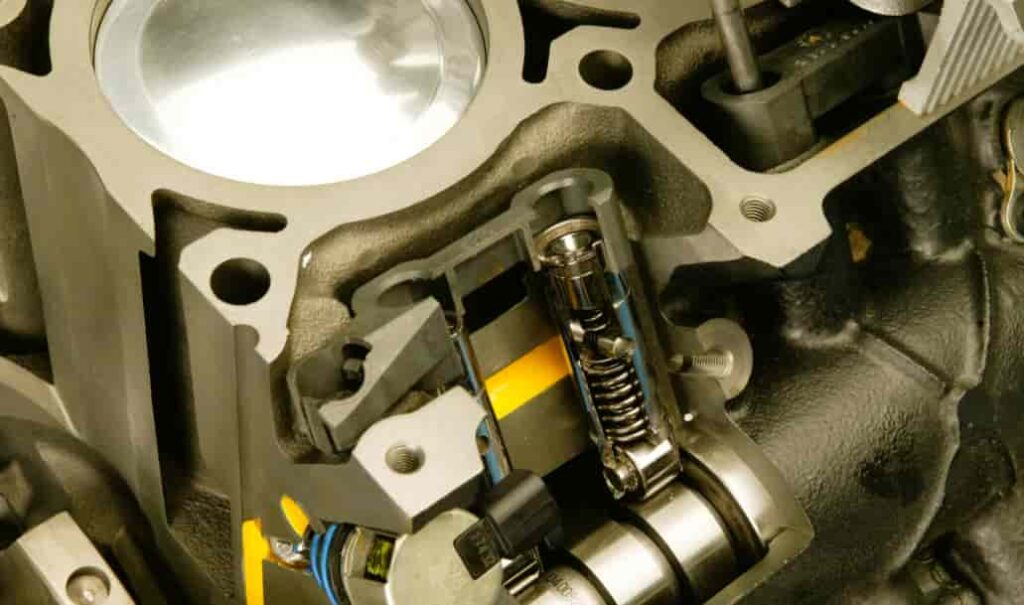
At that moment, the engine shuts down four cylinders. It uses special hydraulic lifters to stop the intake and exhaust valves from opening. The system also cuts fuel injection and spark in those cylinders. As a result, the engine runs as a four cylinder unit and uses less fuel.
When you press the accelerator, the system reacts immediately. It restores all eight cylinders to deliver full power. This transition happens very quickly, and most drivers do not notice it.
Despite its benefits, this system has a major weakness. It depends heavily on oil pressure, lifters, and precise ECU control. These components wear out over time. When that happens, drivers may notice ticking noise, rough performance, or engine misfires.
Because of these risks, many drivers choose an 8 cylinder to 4 cylinder delete. They want a simpler engine setup and more consistent performance.
Why People Do 8 Cylinder to 4 Cylinder Delete
Many drivers choose an 8 cylinder to 4 cylinder delete because they want to avoid common engine problems. While cylinder deactivation promises better fuel economy, it often creates long term issues that frustrate vehicle owners.
One of the biggest reasons is lifter failure. The system uses special lifters that constantly switch between active and inactive states. Over time, these lifters wear out faster than standard ones. When they fail, they can cause ticking noise, power loss, or even serious engine damage. Repair costs can quickly become expensive.
Another common issue is inconsistent engine performance. Some drivers notice hesitation when the engine switches between V4 and V8 modes. Others experience rough driving or delayed throttle response. These problems reduce driving comfort and make the vehicle feel less reliable.
Many drivers also care about engine sound and driving feel. A V8 engine delivers a strong and consistent exhaust note. When cylinder deactivation activates, that sound changes and becomes less satisfying. By removing the system, drivers keep a stable and more aggressive engine tone.
Reliability is often the final deciding factor. Drivers who plan to keep their vehicles long term prefer a simpler engine setup. They want to reduce the risk of unexpected failures and avoid costly repairs in the future.
An 8 cylinder to 4 cylinder delete gives them that control. It removes a complex system and replaces it with a more predictable engine behavior. For many owners, that trade off feels worth it.
Pros and Cons of 8 Cylinder to 4 Cylinder Delete
Before you decide on an 8 cylinder to 4 cylinder delete, you need to understand both the benefits and the trade offs. This modification can solve serious engine issues, but it also comes with clear drawbacks.
Advantages of 8 Cylinder to 4 Cylinder Delete
One of the biggest advantages is improved engine reliability. Cylinder deactivation systems rely on complex components such as special lifters and oil pressure control. These parts often fail over time. When you remove the system, you eliminate one of the most common causes of engine damage.
Another benefit is consistent performance. The engine no longer switches between V4 and V8 modes. This creates a smoother driving experience with more predictable power delivery. Many drivers also notice faster throttle response because the engine stays fully active at all times.
Engine sound is another reason people choose this modification. A V8 engine produces a deeper and more stable exhaust tone when all cylinders run continuously. This makes the driving experience more engaging, especially for performance enthusiasts.
In some cases, removing the system can also reduce long term maintenance costs. While the upfront cost is higher, drivers avoid repeated repairs related to lifter failure or system malfunction.
Disadvantages of 8 Cylinder to 4 Cylinder Delete
The most obvious downside is reduced fuel efficiency. Cylinder deactivation helps save fuel during highway driving. Once you remove it, the engine consumes more fuel because all eight cylinders run constantly.
The cost of modification can also be a concern. Parts and labor can add up quickly, especially if the job includes replacing lifters and reprogramming the ECU. This makes it a significant investment rather than a simple upgrade.
Another factor to consider is warranty impact. In many cases, modifying the engine can void the manufacturer warranty. This is especially important for newer vehicles.
Finally, not every driver will benefit from this change. If you mainly drive short distances or care more about fuel savings, keeping the system may be the better option.
Step by Step 8 Cylinder to 4 Cylinder Delete Process
If you plan to perform an 8 cylinder to 4 cylinder delete, you need to follow a clear process. This modification involves both mechanical changes and ECU tuning. It requires proper tools and technical knowledge.
Step 1: Choose the Right Delete Kit
Start by selecting a high quality delete kit that matches your engine type. Most kits include standard lifters, new camshaft components, gaskets, and necessary hardware. Choosing the right kit is critical because poor quality parts can lead to engine failure.
Make sure the kit fits your specific engine platform such as LS or HEMI. Always check compatibility before buying.
Step 2: Disassemble the Engine Components
Next, you need to open the engine and access internal components. This step includes removing the intake manifold, valve covers, and other related parts. You must reach the lifters and camshaft area.
This process takes time and precision. Even a small mistake can affect engine performance later.
Step 3: Replace Lifters and Camshaft
Remove the original lifters designed for cylinder deactivation. Install standard lifters that support full time V8 operation. In many cases, you will also need to upgrade or replace the camshaft.
This step is the core of the 8 cylinder to 4 cylinder delete. It ensures the engine no longer supports cylinder shutdown.
Step 4: Reprogram the ECU
After completing the mechanical work, you need to tune the ECU. This step disables all cylinder deactivation commands and adjusts engine parameters.
Without proper tuning, the engine may show error codes or run incorrectly. A professional tune helps the engine operate smoothly and safely.
Step 5: Reassemble and Test the Engine
Finally, reassemble all components carefully. Start the engine and check for leaks, noises, or warning lights. You should also test drive the vehicle to ensure stable performance.
Pay attention to throttle response, engine sound, and overall behavior. If everything works correctly, the delete process is complete.
Cost of 8 Cylinder to 4 Cylinder Delete
The cost of an 8 cylinder to 4 cylinder delete depends on several factors, including your engine type, parts quality, and labor rates. You should understand the full cost before making a decision.
The biggest expense comes from parts. A basic delete kit usually costs between 300 and 1500 dollars. The price varies based on brand, engine compatibility, and included components. Higher quality kits often include better lifters and more durable hardware, which can improve long term reliability.
Labor cost is another major factor. Most workshops charge between 500 and 2000 dollars for installation. The job requires engine disassembly, part replacement, and ECU tuning. Because of this complexity, labor can quickly exceed the cost of parts.
If you choose to upgrade additional components, the total cost will increase. For example, replacing the camshaft or adding performance upgrades can push the total cost even higher. Some drivers spend over 3000 dollars for a complete setup.
You can reduce costs if you have mechanical experience and perform the work yourself. However, this approach carries risk. A small mistake during installation or tuning can lead to serious engine problems.
In most cases, the total cost of an 8 cylinder to 4 cylinder delete ranges from 800 to 3500 dollars. While this may seem expensive, many drivers see it as a long term investment. They prefer to pay once instead of dealing with repeated repairs caused by cylinder deactivation failure.
Common Problems After 8 Cylinder to 4 Cylinder Delete
An 8 cylinder to 4 cylinder delete can improve reliability, but it does not guarantee a perfect result. If you perform the modification incorrectly or skip key steps, new problems can appear.
One common issue is the check engine light. This often happens when the ECU still detects signals related to cylinder deactivation. If the tuning process is incomplete or inaccurate, the system may trigger error codes. A proper ECU tune can prevent this problem.
Some drivers also report rough engine behavior after the delete. This usually comes from incorrect installation or poor quality parts. If the lifters or camshaft do not match the engine setup, the engine may run unevenly or lose efficiency.
Fuel consumption can increase more than expected. While this is normal to some extent, poor tuning can make it worse. An optimized tune helps balance performance and fuel usage.
In rare cases, oil flow issues may appear. The original system relies on specific oil pressure behavior. When you remove it, the engine setup changes. If the modification does not address this properly, it can affect lubrication and engine health.
Noise is another factor to consider. Some engines become louder after the delete. While many drivers enjoy a stronger V8 sound, others may find it less comfortable for daily driving.
Most of these problems do not come from the delete itself. They come from poor execution. When you use high quality parts and proper tuning, you can avoid most of these issues and achieve stable performance.
Is 8 Cylinder to 4 Cylinder Delete Worth It
The answer depends on how you use your vehicle and what you expect from your engine. An 8 cylinder to 4 cylinder delete offers clear benefits, but it is not the right choice for everyone.
If you plan to keep your vehicle for many years, this modification can be a smart investment. Many drivers choose it to avoid lifter failure and reduce long term repair costs. A simpler engine setup often means fewer unexpected problems. You also get consistent performance and a more responsive driving experience.
This option works well for drivers who value reliability over fuel savings. It also suits performance enthusiasts who want a stable V8 feel and sound at all times.
However, not every driver needs this modification. If your vehicle is still under warranty, you should think carefully before making any changes. An 8 cylinder to 4 cylinder delete can void manufacturer coverage and create financial risk.
Fuel economy is another important factor. If you drive long distances every day or want to save on fuel costs, keeping the cylinder deactivation system may be the better option. The system still provides real benefits when it works properly.
In simple terms, this modification makes sense if you want long term reliability and consistent performance. It may not be ideal if you prioritize fuel efficiency and warranty protection.
Conclusion
An 8 cylinder to 4 cylinder delete has become a popular solution for drivers who want more control over their engine. While cylinder deactivation improves fuel efficiency, it can also introduce complex problems that lead to costly repairs.
By removing this system, you simplify engine operation and reduce the risk of failure. You gain more stable performance, better throttle response, and a consistent V8 driving experience. At the same time, you accept higher fuel consumption and upfront costs.
There is no single answer that fits every driver. The right decision depends on your priorities, your driving habits, and how long you plan to keep your vehicle.
If you are dealing with engine issues or want to avoid future problems, an 8 cylinder to 4 cylinder delete may be worth considering. If fuel savings and warranty matter more, keeping the system could be the better path.
Now it is your turn. Are you ready to upgrade your engine for long term reliability, or will you keep the factory setup for efficiency? Share your thoughts and experience to help others make the right decision.