Choosing between the 4L60E and 4L70E can feel overwhelming, especially if you are not deeply familiar with automatic transmissions. Many vehicle owners face the same frustrating situation. Their transmission starts slipping under load, repair costs suddenly spike, and they realize too late that they may have chosen the wrong setup for their driving needs. If you are towing, upgrading engine power, or simply trying to avoid expensive rebuilds, this decision becomes even more critical.
The comparison between 4L60E vs 4L70E is one of the most searched topics among GM vehicle owners for a reason. Both transmissions look similar at first glance, but the differences in performance, durability, and internal components can significantly impact your driving experience and long term costs. Choosing the wrong one can lead to overheating, premature wear, and thousands of dollars in repairs.
In this guide, we will break down the key differences between 4L60E vs 4L70E in a clear and practical way. You will learn how each transmission performs, where their strengths and weaknesses lie, and which one is better based on your specific needs. Whether you are a daily driver or someone pushing your vehicle to its limits, this comparison will help you make the right decision with confidence.
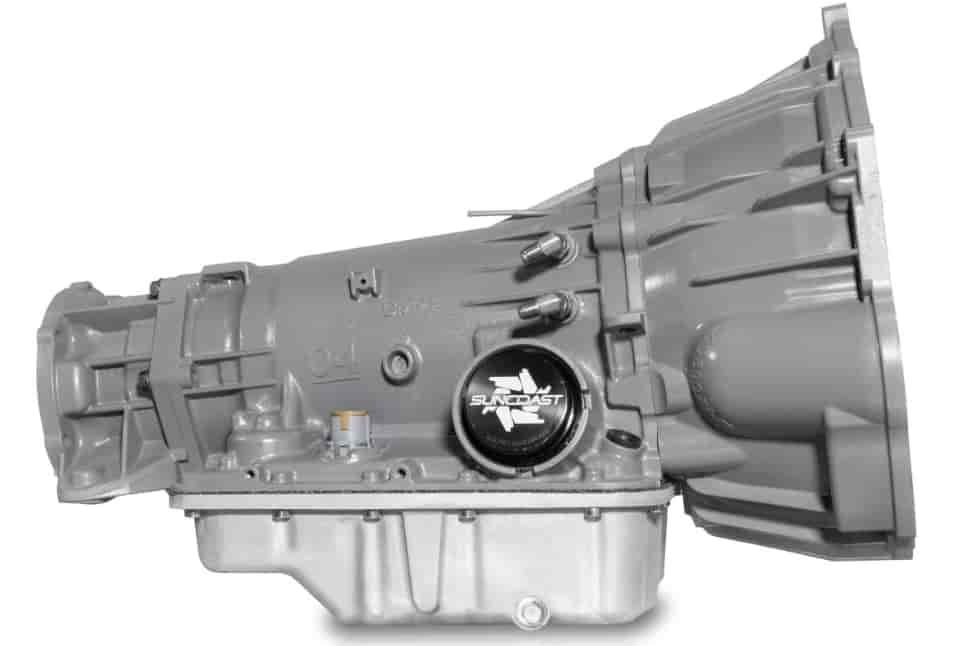
4L60E Transmission Overview
The 4L60E is one of the most widely used automatic transmissions in GM vehicles, making it a familiar choice for many drivers and mechanics. Introduced as an evolution of the earlier 700R4, this transmission was designed to provide a balance between efficiency, smooth shifting, and affordability. You will commonly find the 4L60E in vehicles such as the Chevrolet Silverado, Tahoe, Suburban, and Camaro, which means parts are easy to source and repairs are relatively straightforward.
From a technical perspective, the 4L60E offers a torque capacity of around 360 Nm or 265 lb ft. This makes it suitable for everyday driving, light towing, and stock engine setups. For drivers who primarily use their vehicle for commuting or occasional hauling, the 4L60E delivers a comfortable and reliable experience without demanding a high maintenance budget.
One of the biggest advantages of the 4L60E is its availability and cost efficiency. Because it is so common, rebuild kits and replacement parts are affordable and widely accessible. Mechanics are also very familiar with this transmission, which reduces labor costs and downtime. This is a major benefit for owners who want a practical and budget friendly solution.
However, the 4L60E does come with limitations that many users only discover after encountering problems. When pushed beyond its limits, especially in towing or performance applications, it becomes prone to overheating, slipping, and internal wear. This often leads to repeated repairs or even full rebuilds, creating a cycle of ongoing expenses.
Understanding the strengths and weaknesses of the 4L60E is essential because it sets the baseline for comparing 4L60E vs 4L70E. It represents the entry point in this comparison, but it also highlights why many drivers consider upgrading when their performance demands increase.
4L70E Transmission Overview
The 4L70E is an upgraded version of the 4L60E. GM designed it to fix common weaknesses in strength and durability. While both transmissions look similar on the outside, their internal differences create a noticeable gap in performance. You will often find the 4L70E in vehicles that require higher torque handling and better reliability.
One of the biggest improvements is its higher torque capacity. The 4L70E can handle around 495 Nm or 365 lb ft. This allows it to support more powerful engines and heavier loads. Drivers who tow frequently or modify their vehicles benefit the most from this upgrade. The extra strength reduces stress and extends the lifespan of the transmission.
GM also upgraded several internal components. The 4L70E includes a stronger input shaft, improved gearset, and more durable clutch packs. These changes improve shifting stability and reduce the risk of slipping. As a result, the transmission performs better under pressure and maintains consistency over time.
However, the 4L70E does have some trade offs. It usually costs more than the 4L60E, both for purchase and repairs. It is also less common, which can make parts and service slightly harder to find in some areas.
Even with these drawbacks, the 4L70E stands out in the 4L60E vs 4L70E comparison. It offers better durability, stronger performance, and more confidence for demanding use cases.
Key Differences Between 4L60E vs 4L70E
When comparing 4L60E vs 4L70E, many drivers assume the differences are minor. In reality, several key upgrades in the 4L70E directly impact strength, durability, and long term performance. Understanding these differences helps you avoid costly mistakes and choose the right transmission for your needs.
The most noticeable difference is torque capacity. The 4L60E handles around 360 Nm, while the 4L70E supports up to 495 Nm. This gap may seem small on paper, but it becomes critical under heavy load or high power conditions. If you push a 4L60E beyond its limit, it will wear out faster and may fail prematurely.
Internal components also set these two transmissions apart. The 4L70E uses a stronger input shaft and improved gearset. It also features upgraded clutch packs that handle heat and friction more effectively. These changes increase durability and reduce the risk of slipping during acceleration or towing. In contrast, the 4L60E relies on older components that struggle under stress.
Another important difference lies in reliability. The 4L60E performs well in stock conditions, but it becomes less dependable when exposed to higher torque. Many users report issues such as overheating and gear slipping after extended use. The 4L70E addresses these problems with reinforced internals, making it a more stable option for demanding driving.
Electronic control systems in both transmissions are similar, but the 4L70E benefits from refined calibration. This results in smoother shifting and better response under load. While the difference may not be obvious during casual driving, it becomes clear in performance or towing scenarios.
In the 4L60E vs 4L70E comparison, these differences are not just technical details. They directly affect how your vehicle performs, how often you need repairs, and how much you spend over time. Choosing the right transmission depends on how much stress you plan to put on your vehicle.
Performance Comparison
When evaluating 4L60E vs 4L70E, performance is where the difference becomes clear in real driving conditions. While both transmissions can handle daily use, their behavior changes significantly under stress, load, and higher power demands.
In terms of acceleration, both transmissions deliver smooth shifting in stock vehicles. The 4L60E performs well in normal driving situations and provides a comfortable experience for commuting. However, once you increase engine power or demand faster response, its limitations start to appear. Shifts may feel less consistent, especially under aggressive throttle.
The 4L70E, on the other hand, maintains better stability during acceleration. Its upgraded internal components allow it to handle higher torque without hesitation. This results in smoother and more controlled gear changes, even when the engine produces more power than stock. For performance focused drivers, this difference is noticeable and important.
Towing performance highlights an even bigger gap between the two. The 4L60E can manage light towing, but it struggles with heavier loads. Heat buildup becomes a serious issue, which increases wear and shortens the lifespan of the transmission. Many drivers experience slipping or delayed shifting when towing beyond safe limits.
The 4L70E handles towing much more effectively. Its stronger design reduces heat stress and improves load handling. This makes it a better choice for trucks and SUVs used for hauling or long distance towing. Drivers gain more confidence because the transmission remains stable under pressure.
For daily driving, both transmissions can meet basic needs. The 4L60E is sufficient for stock vehicles and moderate use. However, the 4L70E provides a more refined and durable experience, especially if you plan to keep your vehicle long term or increase its performance.
In the 4L60E vs 4L70E comparison, performance is not just about speed. It is about consistency, reliability under load, and how well the transmission adapts to real world demands.
Reliability and Maintenance Costs
Reliability is often the deciding factor in the 4L60E vs 4L70E comparison. Many drivers focus on performance at first, but long term durability and maintenance costs usually matter more over time. A transmission that fails early can quickly turn into a major financial burden.
The 4L60E has a mixed reputation when it comes to reliability. Under normal driving conditions, it performs well and can last for many years. However, problems begin when the transmission faces higher stress. Towing, heavy loads, or increased engine power often lead to overheating, slipping, and worn internal components. These issues can appear sooner than expected and often require frequent repairs.
One advantage of the 4L60E is its lower repair cost. Parts are widely available, and most mechanics have experience working on it. A rebuild is usually more affordable compared to newer or stronger transmissions. This makes it appealing for drivers who want to keep costs low in the short term.
The 4L70E offers better long term reliability. Its reinforced internal design reduces wear and improves heat resistance. As a result, it handles stress more effectively and requires fewer repairs over time. Drivers who use their vehicles for towing or performance upgrades often find that the 4L70E provides more consistent reliability.
However, this reliability comes at a higher initial cost. Repairs and replacement parts for the 4L70E tend to be more expensive. In some areas, it may also take more effort to find specialists familiar with this transmission. Despite this, many drivers save money in the long run because they avoid repeated failures and rebuilds.
In the 4L60E vs 4L70E comparison, the real question is not just which one is cheaper. It is about how often you are willing to deal with repairs and how much risk you want to take. Choosing the wrong transmission can lead to ongoing expenses, while the right choice can provide peace of mind for years.
Can You Upgrade from 4L60E to 4L70E
Many drivers ask whether they can upgrade from 4L60E to 4L70E. The short answer is yes, but the process depends on your vehicle setup and goals. This upgrade is popular among those who want better durability without switching to a completely different transmission platform.
Both transmissions share a similar external design, which makes the swap more straightforward than many people expect. In most cases, the 4L70E can fit into vehicles originally equipped with a 4L60E. Mounting points, bell housing patterns, and overall dimensions are largely compatible. This reduces the complexity of installation and keeps labor costs manageable.
However, compatibility is not always plug and play. You may need to adjust the wiring harness, update the transmission control module, or reprogram the ECU to ensure proper communication. In some cases, small modifications to the driveshaft or crossmember may also be required. Ignoring these details can lead to shifting issues or poor performance after installation.
Cost is another important factor. While the upgrade can improve reliability, it requires an upfront investment. You need to consider the price of the transmission, labor, and any supporting modifications. For some drivers, rebuilding a 4L60E with upgraded components may be a more cost effective alternative.
So when does upgrading make sense? If you plan to increase engine power, tow heavier loads, or keep your vehicle for many years, the 4L70E is a strong investment. It provides better durability and reduces the risk of repeated failures. On the other hand, if your vehicle remains stock and you use it mainly for daily driving, the 4L60E may still meet your needs.
In the context of 4L60E vs 4L70E, upgrading is not just about performance. It is about aligning your transmission with how you actually use your vehicle. Making the right decision here can save you both time and money in the long run.
Which One Is Better
Choosing between 4L60E vs 4L70E depends on how you use your vehicle and what you expect from it. There is no single answer for everyone, but there is a clear best choice for each situation. Understanding your driving needs will help you avoid unnecessary costs and frustration.
If you use your vehicle for daily driving, the 4L60E is often enough. It delivers smooth performance, lower upfront cost, and easy maintenance. For stock engines and light usage, it provides a practical and budget friendly solution. Many drivers prefer it because parts are widely available and repairs are straightforward.
However, the situation changes when you demand more from your transmission. If you tow heavy loads, drive aggressively, or increase engine power, the 4L60E quickly reaches its limits. This is where many owners start facing issues such as slipping, overheating, and repeated rebuilds. Over time, these problems can cost more than expected.
The 4L70E is the better choice for higher performance needs. It handles more torque, offers stronger internal components, and delivers more consistent reliability under stress. Drivers who plan long term use or upgrades often find it worth the higher initial cost. The added durability reduces the risk of failure and improves overall driving confidence.
A simple way to decide is to focus on three factors. Consider your budget, your driving purpose, and your engine power. If your goal is affordability and basic use, the 4L60E is a reasonable option. If you want strength, durability, and long term value, the 4L70E stands out as the better investment.
In the 4L60E vs 4L70E comparison, the better transmission is the one that matches your real needs. Choosing based on your usage will always give you better results than choosing based on price alone.
Conclusion
The comparison between 4L60E vs 4L70E shows that both transmissions serve different purposes. The 4L60E stands out for its affordability, availability, and ease of maintenance. It works well for daily driving and stock vehicles where performance demands remain moderate. For many drivers, it offers a simple and cost effective solution.
The 4L70E, however, delivers stronger performance and better durability. It handles higher torque, resists wear more effectively, and performs reliably under heavy load. This makes it a smarter choice for towing, performance upgrades, and long term use. While the initial cost is higher, it often reduces the risk of repeated repairs and unexpected failures.
When choosing between 4L60E vs 4L70E, the key is to match the transmission with your actual needs. If you prioritize low cost and simplicity, the 4L60E is a practical option. If you want strength, reliability, and peace of mind, the 4L70E is the better investment. Making the right decision now can save you from costly mistakes later.
So, which one are you using right now, and are you considering an upgrade? Share your experience and thoughts. Your insight might help others make the right choice when comparing 4L60E vs 4L70E.