The GM 6.2 Engine Recall is now one of the biggest concerns for truck and SUV owners. Many drivers chose this engine for its strong performance and reliability. However, recent reports have raised serious doubts.
This issue affects the GM 6.2L V8 L87 engine, which powers many popular full size vehicles from 2021 to 2024. Drivers have reported internal engine damage and sudden failure. In some cases, the engine stops working while the vehicle is moving. This creates a real safety risk and increases repair costs.
Many owners now feel uncertain about their vehicles. They worry about breakdowns, expensive repairs, and long waiting times at dealerships. These concerns are valid, especially when the problem involves critical engine components.
In this guide, we will explain the GM 6.2 Engine Recall in simple terms. You will learn what causes the issue, which vehicles are affected, and what symptoms to watch for. We will also show you how to fix the problem and what steps to take next.
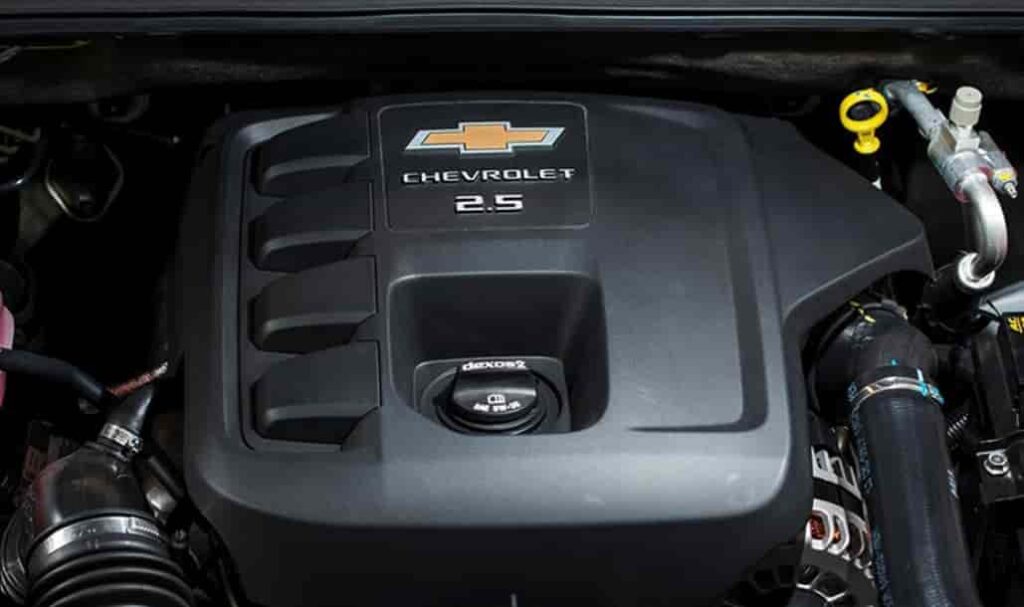
What Is the GM 6.2 Engine Recall?
The GM 6.2 Engine Recall is an official safety action issued by General Motors to address serious problems in the 6.2L V8 L87 engine. This recall focuses on engine defects that can lead to sudden failure and loss of power while driving.
General Motors launched this recall after receiving multiple reports of engine damage. Some vehicles experienced complete engine shutdown without warning. This type of failure increases the risk of accidents, especially at highway speeds.
The recall is registered under NHTSA campaign number 25V-274. It affects a large number of vehicles across several popular models. Most of these vehicles were produced between 2021 and 2024 and use the L87 engine.
The core issue involves internal engine components. In some cases, parts inside the engine may wear out faster than expected or fail under normal driving conditions. This can lead to severe engine damage if not addressed early.
Because of the safety risk, GM requires affected vehicles to be inspected by authorized dealers. Depending on the condition of the engine, the solution may include an oil system update or a full engine replacement.
For owners, this recall is not just a technical issue. It directly impacts safety, reliability, and vehicle value. That is why checking your vehicle status and taking action early is critical.
What Causes the GM 6.2L V8 Engine Problem?
The root of the GM 6.2 Engine Recall lies in internal engine defects that can lead to serious damage over time. These issues do not always appear immediately. However, once they develop, they can cause sudden and complete engine failure.
One of the main causes involves problems with the connecting rod and crankshaft. These components handle the core movement inside the engine. If they are not manufactured correctly or wear out too early, they can break under normal driving conditions. This type of failure often leads to severe internal damage.
Another key factor is metal debris inside the engine. Small metal particles can circulate through the oil system. Over time, these particles damage critical components and increase friction. As a result, the engine loses efficiency and becomes more likely to fail.
Lubrication also plays an important role. In some affected engines, the oil system may not protect internal parts effectively. Poor lubrication increases heat and wear. This accelerates the damage and shortens the engine’s lifespan.
These issues often develop in stages. Early on, the engine may produce unusual noises or minor performance issues. If ignored, the damage can escalate quickly and lead to total engine failure.
Understanding these causes helps owners act early. It also explains why GM requires inspection and, in some cases, full engine replacement as part of the recall.
Which Vehicles Are Affected by the GM 6.2 Engine Recall?
The GM 6.2 Engine Recall impacts several full size trucks and SUVs from General Motors. Specifically, it targets vehicles equipped with the 6.2L V8 L87 engine produced between 2021 and 2024. However, not every vehicle in these lineups has this issue.
First, here are the main models linked to the recall:
- Cadillac Escalade
- Cadillac Escalade ESV
- Chevrolet Silverado 1500
- GMC Sierra 1500
- Chevrolet Tahoe
- Chevrolet Suburban
- GMC Yukon
- GMC Yukon XL
These vehicles offer strong performance, high towing capacity, and premium features. As a result, many buyers trust them for daily driving and long term use. Therefore, the recall has raised serious concerns among current owners.
More importantly, the problem comes from the L87 engine, not the entire vehicle design. Because of this, some units remain unaffected even within the same model year. In other words, you cannot rely on the model name alone.
So, what should you do next?
You should check your VIN as soon as possible. This is the only reliable way to confirm whether your vehicle is part of the GM 6.2 Engine Recall. By taking action early, you can reduce the risk of engine damage and avoid unexpected repair costs.
GM 6.2 Engine Recall Symptoms: Warning Signs Before Failure
The GM 6.2 Engine Recall becomes more dangerous when drivers ignore early warning signs. In many cases, the engine does not fail instantly. Instead, it shows clear symptoms before serious damage occurs. Therefore, recognizing these signs early can help you prevent costly repairs and unsafe driving situations.
First, many drivers report a knocking or ticking noise from the engine. This sound often indicates internal wear or damage. Over time, the noise may become louder and more frequent. As a result, it signals that critical components are no longer functioning properly.
Next, you may notice a sudden loss of power while driving. The vehicle may struggle to accelerate or respond slowly. In more severe cases, the engine may shut down completely. This creates a serious safety risk, especially at high speeds.
In addition, the check engine light may appear on your dashboard. While this warning can relate to many issues, you should not ignore it in this case. Instead, you should inspect the vehicle as soon as possible.
Another important sign involves metal particles in the engine oil. During maintenance, technicians may find metal shavings in the oil or filter. This clearly indicates internal engine damage and requires immediate attention.
Finally, in the worst case, the engine may seize without warning. At this stage, the damage is already severe. Therefore, the only solution may be a full engine replacement.
In summary, these symptoms often appear in stages. Early detection can reduce risk, while delayed action can lead to complete engine failure. For that reason, you should act quickly if you notice any of these warning signs.
How to Check If Your Vehicle Is Included (VIN Lookup Guide)
If you own a vehicle with the 6.2L V8 engine, you should verify its status in the GM 6.2 Engine Recall as soon as possible. Do not rely on assumptions based on model or year. Instead, follow a simple VIN check process to get accurate results.
First, locate your Vehicle Identification Number. You can find the VIN on the dashboard near the windshield or inside the driver side door frame. In addition, your registration documents and insurance papers also list this number.
Next, visit the official recall lookup tools. You can use the NHTSA website or the General Motors recall page. Enter your VIN into the search field and submit the request. Within seconds, the system will show whether your vehicle is affected.
If your vehicle appears in the GM 6.2 Engine Recall, you should contact an authorized dealer immediately. Schedule an inspection and follow their instructions. Acting early helps prevent further engine damage and ensures your safety on the road.
On the other hand, if your VIN does not appear, you should still stay alert. Sometimes, manufacturers expand recalls over time. Therefore, checking your VIN periodically is a smart habit.
Most importantly, the recall repair comes at no cost to the owner. GM covers inspection, parts, and labor under this program. As a result, there is no reason to delay taking action.
In short, a quick VIN check can save you from serious problems later. It only takes a few minutes, but it can protect both your vehicle and your safety.
What Is the Fix for the GM 6.2 Engine Recall?
The solution for the GM 6.2 Engine Recall depends on the condition of your engine. Therefore, GM requires every affected vehicle to go through an inspection process at an authorized dealer. This step helps technicians identify the level of damage and choose the correct repair method.
First, the dealer performs a detailed engine inspection. Technicians check for internal wear, abnormal noise, and signs of metal contamination. If the engine shows no major damage, they will apply a preventive fix instead of replacing the entire unit.
In many cases, the fix includes an oil system update. Technicians replace the engine oil with a higher viscosity formula. In addition, they install a new oil cap and replace the oil filter. This update improves lubrication and reduces internal friction. As a result, it helps protect engine components from further wear.
However, not all engines qualify for this simple fix. If technicians detect serious internal damage, they will recommend a full engine replacement. This usually happens when key components such as the crankshaft or connecting rod show signs of failure. In this situation, repairing individual parts is no longer effective.
The good news is that GM covers all recall related repairs. Owners do not pay for inspection, parts, or labor. This reduces the financial burden and encourages drivers to take action quickly.
In terms of time, the repair process may vary. Minor fixes can take a few hours, while engine replacement may take several days depending on parts availability.
In summary, the GM 6.2 Engine Recall offers a clear repair path. Whether your vehicle needs a simple update or a full engine replacement, acting early ensures better safety and long term reliability.
Is It Safe to Drive a Vehicle Affected by the Recall?
Driving a vehicle involved in the GM 6.2 Engine Recall can be risky, especially if early symptoms already appear. However, the level of risk depends on the condition of your engine. Therefore, you should evaluate the situation carefully before continuing to drive.
First, if your vehicle shows no warning signs, short trips may still feel normal. Even so, hidden internal damage can develop without clear symptoms. Because of this, relying only on how the engine feels is not a safe approach.
On the other hand, if you notice knocking sounds, power loss, or warning lights, you should stop driving as soon as possible. These symptoms often signal internal damage that can worsen quickly. Continuing to drive in this condition may lead to sudden engine failure.
In more serious cases, the engine may shut down while the vehicle is moving. This creates a dangerous situation, especially on highways or in heavy traffic. As a result, the safety risk increases not only for you but also for other drivers.
For this reason, GM recommends scheduling an inspection immediately after confirming your VIN status. Until then, limit vehicle use and avoid long distance driving whenever possible.
In summary, while some vehicles may still operate normally, the risk remains unpredictable. Acting early and reducing usage can help prevent unsafe situations and costly damage.
Owner Rights and What You Should Do Next
If your vehicle is part of the GM 6.2 Engine Recall, you have clear rights as an owner. More importantly, you can take specific steps to protect your safety and avoid unnecessary costs. Therefore, understanding what to do next is essential.
First, you have the right to a free repair. General Motors covers all recall related services, including inspection, parts, and labor. As a result, you should not delay scheduling an appointment with an authorized dealer.
Next, contact your nearest dealership and book a service visit. Make sure to mention the GM 6.2 Engine Recall when you schedule. This helps the service team prepare the correct parts and reduce waiting time.
In addition, keep all service records and recall documents. These records can help you track repairs and support future resale value. Buyers often feel more confident when they see that recall issues were handled properly.
You should also monitor your vehicle condition after the repair. Even after the fix, pay attention to unusual noises or performance changes. If any issue appears again, return to the dealer for further inspection.
Another important step involves understanding your warranty coverage. In many cases, recall repairs do not affect your existing warranty. However, you should confirm this with your dealer to avoid confusion later.
Finally, consider the impact on resale value. Vehicles with completed recall repairs often retain value better than those with unresolved issues. Therefore, taking action early not only improves safety but also protects your investment.
In short, the best approach is simple. Check your VIN, schedule a repair, keep records, and stay alert. These steps will help you handle the GM 6.2 Engine Recall with confidence.
Conclusion
The GM 6.2 Engine Recall highlights a serious issue that affects both safety and long term vehicle reliability. For many owners, this situation creates uncertainty and stress. However, understanding the problem can help you stay in control.
In this guide, we covered the key aspects of the recall. We explained the main causes, including internal component defects and lubrication issues. We also identified the affected vehicles and showed why checking your VIN is critical. In addition, we outlined the most common warning signs, from engine noise to sudden power loss.
More importantly, we discussed the available fixes. Depending on the condition, your vehicle may need an oil system update or a full engine replacement. Since GM covers all recall repairs, you can take action without worrying about extra costs.
At this point, the best step is clear. Check your VIN, schedule an inspection, and act early. This not only protects your safety but also helps maintain your vehicle’s value.
Have you experienced any symptoms related to the GM 6.2 Engine Recall? Or have you already completed the repair? Share your experience and help other drivers make informed decisions.