Walmart oil change is a good option for basic vehicle maintenance because it offers convenient service, competitive pricing, and multiple motor oil options. Walmart Auto Care Centers provide routine oil changes for compatible vehicles, making them a practical choice for drivers who want affordable maintenance without visiting a dedicated repair shop. However, the quality of an oil change depends on technician workmanship, correct oil specifications, and proper installation procedures rather than price alone.
Walmart oil changes have three main advantages: affordability, convenience, and access to different oil types, including conventional and synthetic options where available. The service also has limitations. Technician experience varies by location, and improper oil changes can cause problems such as oil leaks, incorrect oil levels, or damaged drain plugs. These risks are not exclusive to Walmart and can occur at other automotive service centers.
Whether Walmart is worth choosing depends on your vehicle’s maintenance requirements, the services available at your local Auto Care Center, and how its pricing compares with specialized oil change shops. This article examines Walmart’s oil change reliability, motor oil quality, service costs, potential problems, and alternatives to help you determine whether it is the right choice for your car.
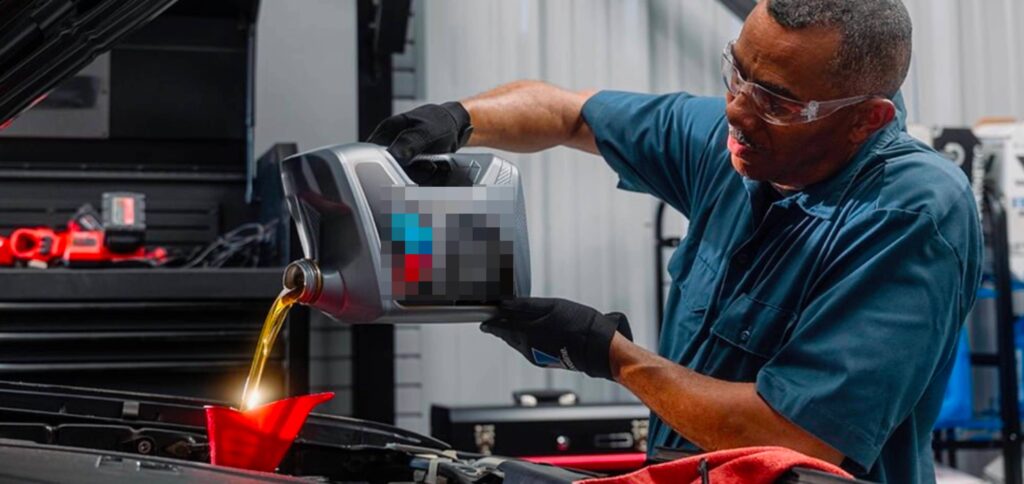
Is Walmart a Good Place to Get an Oil Change?
Walmart is a good place to get an oil change for drivers who need affordable, routine engine maintenance without specialized repairs. Walmart Auto Care Centers offer oil change services for compatible passenger vehicles, with service options that vary by location. The main advantages are competitive pricing, convenient store locations, and the ability to combine vehicle maintenance with regular shopping.
Walmart oil changes are suitable for vehicles that require standard engine oil and filter replacements. A properly completed oil change involves draining used motor oil, replacing the oil filter, adding fresh oil that meets the manufacturer’s specifications, and checking for leaks. These procedures are essential regardless of whether the service is performed at Walmart, a dealership, or an independent repair shop. The quality of the service depends on how accurately technicians complete each step.
One limitation of Walmart oil change services is that Auto Care Centers primarily focus on routine automotive maintenance rather than comprehensive mechanical repairs. Drivers experiencing engine knocking, persistent oil pressure warnings, excessive oil consumption, or existing oil leaks should seek a qualified repair facility that can diagnose the underlying problem. Replacing engine oil does not correct mechanical defects or lubrication system failures.
Walmart is most suitable for drivers whose vehicles have straightforward maintenance requirements and whose local Auto Care Center can provide the correct oil and filter. Before purchasing the service, drivers should confirm oil compatibility, service availability, and the total price. These checks help determine whether Walmart offers an appropriate balance of convenience, maintenance quality, and cost.
How Reliable Are Walmart Oil Changes?
Walmart oil changes can be reliable when technicians follow the correct maintenance procedures and use engine oil and filters that meet vehicle manufacturer requirements. Reliability depends on three primary factors: technician workmanship, component compatibility, and verification of the completed service. A low service price does not automatically indicate poor workmanship, just as a higher price does not guarantee better maintenance.
Technician workmanship directly affects the outcome of an oil change. The technician must remove the old oil, install the replacement filter correctly, secure the drain plug to the appropriate specification, and refill the engine with the required quantity of oil. Incorrect installation can cause oil leaks, while insufficient oil can reduce lubrication and increase friction between moving engine components. Overfilling can also create operating problems, depending on the engine design and severity of the excess.
The correct motor oil is equally important. Vehicle manufacturers specify oil viscosity grades, such as SAE 0W-20 or 5W-30, along with applicable performance standards. These specifications help ensure that the oil provides suitable lubrication during cold starts and normal operating temperatures. Using an oil that does not meet the manufacturer’s requirements can affect engine protection and, in certain circumstances, compliance with warranty maintenance requirements. Drivers should compare the oil listed on their service receipt with the specifications in their owner’s manual.
Reliability also depends on the final inspection. After installing the filter and refilling the engine, technicians should check the oil level using the manufacturer’s recommended procedure and inspect the filter and drain plug areas for leaks. A final inspection helps identify installation problems before the vehicle leaves the service bay. Drivers can further verify the service by reviewing the receipt, checking the oil level when appropriate, and watching for warning lights or fresh oil spots after leaving the facility.
Walmart does not have a verified, publicly established oil change failure rate that supports a universal claim about service reliability across all locations. Individual customer experiences may differ because staffing, workload, vehicle requirements, and service execution vary. For this reason, drivers should evaluate their local Auto Care Center rather than assume that every Walmart location delivers identical results.
For routine oil changes, Walmart can be a dependable option when the correct products are available and the work is performed and checked properly. Drivers with unusual engine configurations, specialized oil requirements, or existing mechanical problems should confirm that the location can accommodate their vehicle before authorizing service.
Does Walmart Use Good Oil for Oil Changes?
Walmart uses motor oil options that can provide reliable engine protection when they meet the vehicle manufacturer’s viscosity and performance specifications. Walmart Auto Care Centers offer different oil change packages, including synthetic oil services at participating locations. The quality of an oil change depends on the oil’s technical specifications, compatibility with the engine, and correct installation rather than the retailer providing the service.
High-quality motor oil must maintain proper lubrication, resist oxidation, control engine deposits, and protect internal components against wear. The American Petroleum Institute (API) and International Lubricant Standardization and Approval Committee (ILSAC) establish performance standards used to evaluate motor oils. Drivers should verify that the oil selected at Walmart meets the specifications listed in their vehicle owner’s manual.
What Types of Motor Oil Does Walmart Use?
Walmart Auto Care Centers offer conventional, synthetic blend, and full synthetic oil change options, depending on the location and available service packages. These oil categories differ in formulation, performance characteristics, and suitability for specific engines.
Conventional motor oil uses primarily refined petroleum base oils combined with additives that control wear, oxidation, and deposits. It is suitable for engines whose manufacturers permit conventional oil that meets the required performance specifications. However, many modern engines require synthetic oil or specific manufacturer approvals, making conventional oil unsuitable for those applications.
Synthetic blend motor oil combines conventional and synthetic base oils with performance additives. Its formulation can provide improved oxidation resistance and low-temperature performance compared with some conventional oils, although actual performance depends on the finished product and its certifications. Synthetic blends are appropriate when they satisfy the vehicle manufacturer’s oil requirements.
Full synthetic motor oil uses highly refined or chemically engineered base oils designed to provide consistent performance across a broad temperature range. Synthetic formulations generally offer strong resistance to oxidation, thermal breakdown, and deposit formation. They are particularly relevant for turbocharged engines, high-temperature operation, and vehicles requiring modern low-viscosity oils.
Oil viscosity is another essential consideration. SAE grades such as 0W-20, 5W-20, and 5W-30 describe how motor oil behaves under specified temperature conditions. The first number indicates cold-temperature viscosity characteristics, while the second represents viscosity at operating temperatures. Choosing the wrong viscosity can affect oil circulation, fuel economy, and engine protection.
For example, a vehicle requiring SAE 0W-20 oil meeting a particular manufacturer specification should receive a product that satisfies both requirements. Selecting SAE 5W-30 simply because it is available or less expensive does not establish compatibility. Drivers should confirm the exact oil grade and performance specification before authorizing a Walmart oil change.
Does Walmart Use Good Oil Filters?
Walmart oil changes can include suitable oil filters when the replacement filter meets the engine manufacturer’s fitment and performance requirements. Oil filters remove contaminants such as metal particles, carbon deposits, and other debris circulating through the lubrication system. Their effectiveness depends on filtration efficiency, flow capacity, construction quality, and compatibility with the engine.
A properly designed oil filter contains several functional components, including filtration media, sealing materials, and, where required, bypass and anti-drainback valves. The filtration media captures contaminants while allowing oil to circulate through the engine. The bypass valve permits oil flow when resistance through the filter becomes excessive, while an anti-drainback valve helps prevent oil from draining out of certain filter configurations when the engine stops.
Filter compatibility involves more than matching physical dimensions. Two filters may have similar external appearances but different bypass valve settings, sealing surfaces, or internal construction. Installing an incompatible filter can cause leaks, improper oil circulation, or inadequate filtration under specific operating conditions.
Walmart’s filter selection may vary according to vehicle fitment, inventory, and the service package purchased. Drivers should ask which filter will be installed and verify that its part number matches a suitable application for their vehicle. This is particularly important for engines requiring cartridge-style filters, specialized filter housings, or manufacturer-specific components.
A good Walmart oil change therefore requires two compatible products: motor oil that meets the engine’s viscosity and performance specifications and an oil filter designed for that engine. Correct installation and final inspection are equally important because even high-quality components cannot compensate for an improperly performed service.
What Are the Common Problems With Walmart Oil Changes?
The most common types of oil change problems to watch for at Walmart include oil leaks, incorrect oil levels, loose drain plugs, damaged oil filters, and the use of oil that does not meet the vehicle manufacturer’s specifications. These problems are not unique to Walmart Auto Care Centers and can occur at any automotive service facility when technicians make installation errors or fail to verify their work. There is no established public dataset demonstrating that these problems occur more frequently at Walmart than at competing oil change providers.
Oil leaks are a particularly important concern because they can develop when a drain plug is improperly tightened, an oil filter is incorrectly installed, or an old filter gasket remains attached to the engine. A small leak can gradually reduce the engine’s oil supply, while a severe leak can cause rapid oil loss and insufficient lubrication. Drivers should inspect the ground beneath their vehicle after an oil change and investigate fresh oil spots rather than assuming they are harmless.
Incorrect oil levels can also affect engine operation. Underfilling reduces the available oil supply and may cause lubrication problems, especially during acceleration, cornering, or sustained high-speed driving. Overfilling can cause the crankshaft to agitate the oil, potentially introducing air into the lubrication system and increasing crankcase pressure. Both conditions require correction according to the vehicle manufacturer’s oil capacity and level-checking procedure.
Another potential problem involves incomplete service documentation. A receipt that does not clearly identify the installed oil grade, service package, or replacement components makes it harder to verify whether the maintenance meets manufacturer requirements. Drivers should retain their service records and confirm the products used before leaving Walmart Auto Care Center.
Can Walmart Mess Up an Oil Change?
Yes, Walmart technicians can make mistakes during an oil change, just as technicians at dealerships and independent repair shops can. Oil change errors generally involve incorrect component installation, improper fluid quantities, or failure to follow vehicle-specific maintenance procedures. The severity of the consequences depends on the type of mistake and whether it is identified before the engine sustains damage.
One serious error is improper drain plug installation. Tightening a drain plug beyond the manufacturer’s specified torque can damage the threads in the oil pan, particularly when the pan is made from aluminum. Insufficient tightening can allow the plug to loosen and leak. Technicians must also replace sealing washers or gaskets when required by the vehicle manufacturer to maintain a proper seal.
Oil filter installation errors create similar risks. A filter installed with a damaged gasket, incorrect sealing surface, or improper tightening can leak when the engine is running. Double-gasketing occurs when the old filter’s rubber seal remains attached to the engine and a new filter is installed over it. This can prevent proper sealing and cause substantial oil loss once the lubrication system becomes pressurized.
Service mistakes can also involve incorrect fluid handling. For example, confusing an engine oil drain plug with a nearby transmission drain plug can result in draining the wrong fluid. This is especially consequential because starting or driving a vehicle with insufficient transmission fluid can damage transmission components, while adding engine oil without draining the original supply can overfill the engine.
Drivers should respond immediately to symptoms that appear after an oil change, including an oil pressure warning, unusual engine noises, visible fluid leaks, or smoke from the engine compartment. A red oil pressure warning requires stopping the engine as soon as it is safe because continued operation can cause severe damage within a short period. The vehicle should be inspected before further driving.
What Happens if Walmart Uses the Wrong Oil?
Using the wrong oil during a Walmart oil change can reduce engine protection, affect lubrication performance, and create compatibility problems with manufacturer requirements. The consequences depend on the oil’s viscosity, performance classification, engine design, operating conditions, and the extent of the specification mismatch. Not every incorrect oil selection causes immediate engine damage, but a confirmed mismatch should be corrected rather than ignored.
Oil viscosity determines how readily lubricant flows under different temperature conditions. For example, an engine designed for SAE 0W-20 may require that grade to achieve the intended cold-start performance, fuel economy, and lubrication characteristics. Substituting SAE 10W-40 without manufacturer approval changes the oil’s viscosity behavior and may interfere with the engine’s intended lubrication characteristics, particularly during cold starts.
Performance specifications are equally important. Modern gasoline engines may require oil meeting current API or ILSAC standards, while certain European vehicles require manufacturer-specific approvals such as Volkswagen VW 504 00/507 00 or Mercedes-Benz MB 229.5. An oil with the correct SAE viscosity is not necessarily suitable if it lacks the required performance approval. These standards address properties such as wear protection, oxidation resistance, deposit control, and compatibility with engine systems.
If Walmart installs oil that does not meet the vehicle’s requirements, the driver should first review the service receipt and confirm the specified product. The next step is to compare the oil’s viscosity and performance approvals with the owner’s manual. If the oil is incompatible, the driver should contact the Auto Care Center, request documentation of the service, and arrange for the correct oil to be installed.
Drivers should also document any unusual engine behavior following the service. Persistent warning lights, abnormal mechanical noises, or evidence of oil leakage warrant professional inspection. If an oil pressure warning appears, the engine should be shut off as soon as it is safe, and the vehicle should not be driven until the cause has been identified.
The safest approach is to prevent specification errors before service begins. Providing the technician with the vehicle’s required oil grade, manufacturer approval, and engine information reduces ambiguity. Checking the completed invoice provides an additional opportunity to identify a mismatch before it becomes a maintenance or warranty concern.
How Much Does a Walmart Oil Change Cost?
Walmart oil change prices depend on the type of motor oil, selected service package, vehicle requirements, and Auto Care Center location. Conventional oil changes generally cost less than full synthetic services, while vehicles requiring additional oil, specialized filters, or manufacturer-specific products may have higher service costs. Drivers should compare the total service price rather than the advertised starting price.
Walmart Auto Care Centers offer different oil change packages designed for varying engine requirements and maintenance budgets. The available options may include basic oil changes, higher-mileage formulations, and full synthetic oil services. Package availability and included services should be confirmed with the selected location because Walmart’s offerings and prices can change.
The following prices are illustrative estimates, not verified current Walmart rates.
| Oil change service | Illustrative price range |
|---|---|
| Basic or conventional oil change | $25–$35 |
| High-mileage oil change | $35–$50 |
| Full synthetic oil change | $45–$65 |
Conventional oil change packages are generally the least expensive option when the vehicle manufacturer permits conventional motor oil. However, drivers should not choose conventional oil solely to reduce maintenance costs. An engine requiring synthetic oil or a specific performance approval must receive a compatible product regardless of the price difference.
Full synthetic oil changes typically cost more because synthetic motor oils have different formulation and performance characteristics. They are designed to meet demanding lubrication requirements, including oxidation resistance, deposit control, and low-temperature performance. The higher service price does not automatically mean that synthetic oil is necessary for every vehicle. The owner’s manual determines which oil specifications are appropriate.
Additional charges may apply when an engine requires more oil than the quantity included in a standard service package. For example, a vehicle requiring seven quarts of oil may cost more to service than one requiring four or five quarts under the same package. Specialized oil filters and vehicle-specific requirements can also affect the final invoice.
When comparing Walmart with other oil change providers, drivers should confirm four pricing details: the required oil type, included oil quantity, replacement filter, and additional service charges. A lower advertised price does not necessarily represent better value when the packages include different products or services.
Walmart’s published oil change menu currently lists the following package prices.
| Walmart oil change package | Published price |
|---|---|
| Pit Crew conventional | $28.88 |
| Standard featured oil | $38.88 |
| High-mileage featured oil | $48.88 |
| Quaker State synthetic | $58.88 |
| Full-synthetic oil | $68.88 |
| Premium synthetic oil | $72.88 |
| Diesel conventional oil | $58.88 |
These prices include up to five quarts of oil and a new oil filter, with chassis lubrication where applicable. Walmart also lists courtesy checks for eligible packages, including battery performance, fluid levels, lights, and tire pressure. Additional oil and non-featured oil selections may increase the final cost, and prices vary by location.
Is a Walmart Oil Change Worth the Money?
A Walmart oil change is worth the money for drivers who need routine engine maintenance at a competitive price and whose vehicles are compatible with the available service packages. Its value comes from the combination of oil replacement, a new oil filter, convenient locations, and additional maintenance checks offered with eligible packages. However, the lowest-priced package is not necessarily the best choice for every engine.
The most important factor is whether the service meets the vehicle manufacturer’s maintenance requirements. For example, a vehicle requiring full synthetic SAE 0W-20 oil should receive a compatible synthetic product even when a conventional oil change costs less. Choosing an unsuitable oil to save money can compromise engine protection and eliminate the financial advantage of the cheaper service.
Walmart also offers convenience for drivers who prefer to complete vehicle maintenance while shopping. Customers can schedule service at participating Auto Care Centers and receive notification when their vehicles are ready. This arrangement reduces the need for a separate trip to a dedicated oil change facility, although actual waiting times depend on appointment availability and service demand.
Compared with specialized oil change chains, Walmart’s published starting price is attractive, particularly for vehicles that qualify for conventional oil service. However, competing providers may offer different service procedures, vehicle inspections, promotional discounts, or maintenance packages. A meaningful comparison requires equivalent oil specifications, filter compatibility, included services, and total charges rather than advertised prices alone.
Walmart is a reasonable value for vehicles requiring straightforward oil and filter replacement. Drivers who need engine diagnostics, specialized maintenance procedures, or investigation of an existing mechanical problem should consider a qualified independent mechanic or dealership service department. The best oil change provider is the one that performs the required maintenance correctly at a transparent and competitive total cost.
How Long Does a Walmart Oil Change Take?
A Walmart oil change generally takes approximately 30–60 minutes for routine service, although the total time depends on the number of vehicles waiting, technician availability, and the vehicle’s maintenance requirements. This is a planning estimate rather than a guaranteed Walmart service time. Customers may spend longer at an Auto Care Center during busy periods or when additional maintenance is required.
The oil change procedure involves several steps: positioning the vehicle in the service bay, draining the used engine oil, replacing the oil filter, installing the drain plug, refilling the engine with the specified oil, and checking for leaks. Technicians must also verify the final oil level and complete the service documentation. Vehicles with difficult-to-access filters, protective underbody panels, or specialized maintenance procedures may require additional time.
Waiting time is separate from the actual oil change procedure. For example, an oil change that requires 30 minutes of technician work may take more than an hour from arrival to vehicle pickup when other customers are ahead in the service queue. Staffing levels, service bay availability, and unexpected vehicle complications also affect how quickly technicians can begin work.
Customers can reduce unnecessary waiting by checking service availability before visiting Walmart. Scheduling an appointment at a participating Auto Care Center helps establish a planned arrival time, although it does not guarantee that the vehicle will be ready at a specific minute. Drivers should also confirm that the location has the required motor oil and filter for their vehicle.
Walmart oil changes are most convenient when customers allow sufficient time for both the maintenance procedure and potential service delays. Drivers with time-sensitive commitments should contact their selected Auto Care Center for an estimated completion time rather than relying on a fixed nationwide service duration.
Do You Need an Appointment for a Walmart Oil Change?
You do not necessarily need an appointment for a Walmart oil change because participating Auto Care Centers may accept walk-in customers when service capacity is available. However, appointment options and walk-in availability vary by location, so customers should confirm the local service policy before visiting.
Walmart provides online automotive service scheduling at participating locations, allowing customers to select an available service and appointment time. Booking ahead can help organize a maintenance visit and reduce uncertainty about service availability. An appointment does not eliminate the possibility of delays caused by technician workload, vehicles requiring additional attention, or unexpected service complications.
Walk-in service is useful for drivers who need an oil change without advance planning. However, acceptance depends on available technicians, service bays, operating hours, and the number of vehicles already waiting. A location may be unable to accommodate additional walk-ins when its service schedule is full, even if the Auto Care Center remains open.
Before visiting Walmart, drivers should confirm three details: whether the location performs oil changes, whether appointments or walk-ins are available, and whether the correct oil and filter are in stock. Customers can check participating locations through Walmart’s Auto Care Center services page or contact the selected store directly.
Scheduling an appointment is the more predictable option for drivers who want to plan their maintenance visit. Walk-in service remains an alternative when the local Auto Care Center has sufficient capacity.
Is Walmart Better Than Other Oil Change Shops?
Walmart is a better oil change option for drivers who prioritize affordable routine maintenance and convenient shopping locations, while specialized oil change chains and independent mechanics may be better suited to customers seeking additional services or vehicle-specific expertise. The best provider depends on four factors: total service cost, oil and filter compatibility, technician workmanship, and the vehicle’s maintenance requirements.
Walmart Auto Care Centers primarily provide routine automotive maintenance, including oil changes, tire services, and battery-related services at participating locations. Dedicated oil change chains such as Jiffy Lube and Valvoline focus more specifically on vehicle fluid maintenance and related inspections. Independent repair shops may offer a broader range of mechanical services, including diagnosing oil leaks, investigating engine noises, and addressing lubrication system problems.
The following table compares the general service characteristics of these providers. Exact prices, waiting times, and included services vary by location.
| Factor | Walmart | Jiffy Lube | Valvoline |
|---|---|---|---|
| Primary focus | Routine maintenance | Preventive maintenance | Preventive maintenance |
| Oil options | Conventional and synthetic packages | Conventional and synthetic options | Conventional and synthetic options |
| Service model | Auto Care Center | Dedicated service center | Often drive-through |
| Engine diagnostics | Limited | Varies by location | Varies by location |
| Shopping convenience | Available at Walmart stores | Not a primary feature | Not a primary feature |
| Best suited for | Budget-conscious drivers | Drivers seeking dedicated maintenance services | Drivers prioritizing quick-service convenience |
Is Walmart or Jiffy Lube Better for an Oil Change?
Walmart is generally the better choice for drivers prioritizing low-cost routine oil changes, while Jiffy Lube may be more convenient for customers seeking a dedicated automotive maintenance facility with additional inspection and fluid services. Neither provider is automatically more reliable because service quality depends on technician performance, correct product selection, and completion of the required maintenance procedures.
Jiffy Lube offers oil change services through its Signature Service Oil Change program at participating locations. Depending on the service and location, this may include inspections of fluid levels, tire pressure, and other vehicle maintenance items. Walmart also provides courtesy checks with eligible oil change packages, so drivers should compare the actual services included rather than assume that one provider always performs a more comprehensive inspection.
Price is another important distinction. Walmart publishes standardized starting prices for its oil change packages, while Jiffy Lube prices vary by location, vehicle requirements, oil selection, and available promotions. A fair comparison should use the same oil viscosity, performance specification, oil quantity, and filter requirements. Promotional discounts may change which provider offers the lower final price.
Valvoline Instant Oil Change is another alternative for drivers who prioritize service convenience. Many locations use a stay-in-your-car service model, allowing customers to remain in their vehicles while technicians perform the oil change. This arrangement differs from Walmart’s conventional service-bay experience and may appeal to drivers who prefer not to leave their vehicles during maintenance.
However, convenience does not replace proper maintenance procedures. Walmart, Jiffy Lube, and Valvoline must all use compatible engine oil, install the correct filter, secure components properly, and verify the completed service. Drivers should prioritize these technical requirements over brand recognition or advertised service speed.
Independent mechanics provide a different advantage because they can combine an oil change with broader vehicle inspections and mechanical diagnosis. For example, a vehicle experiencing recurring oil leaks may require inspection of the valve cover gasket, oil pan gasket, oil filter housing, or crankshaft seals. A routine oil change alone will not identify or repair every possible source of engine oil loss.
For a vehicle that only needs scheduled oil and filter replacement, Walmart can offer a practical combination of affordability and convenience. Jiffy Lube and Valvoline are worth considering when their service model, included inspections, or available appointments better match the driver’s needs. An independent mechanic is preferable when the oil change is part of diagnosing or repairing an existing engine problem.
Read more: Strickland Brothers 10 Minute Oil Change Reviews
Which Cars Should Get an Oil Change at Walmart?
Walmart oil changes are suitable for passenger cars, SUVs, minivans, and light trucks that require routine engine oil and filter replacement, provided the local Auto Care Center supports the vehicle’s specifications. The best candidates are vehicles with standard maintenance procedures, readily available oil filters, and motor oil requirements that match Walmart’s service options.
Most conventional gasoline-powered vehicles can receive routine oil changes at Walmart when the correct products and service procedures are available. For example, popular models such as the Toyota Camry, Honda Civic, Ford Escape, and Chevrolet Equinox use manufacturer-specified engine oils and filters that automotive maintenance providers commonly service. However, compatibility depends on the vehicle’s model year, engine configuration, and maintenance requirements rather than the model name alone.
Vehicles requiring specialized motor oil deserve additional consideration. Some European vehicles, turbocharged engines, and high-performance models require oils with specific manufacturer approvals beyond standard SAE viscosity grades. For example, certain Volkswagen engines require oils meeting VW 508 00 or VW 504 00 specifications, depending on the engine and model year. Using an oil with the correct viscosity but without the required approval may not satisfy the manufacturer’s maintenance instructions. Drivers should verify that Walmart can supply the exact specification before scheduling service.
Diesel-powered vehicles also require careful compatibility checks. Diesel engines may need motor oils meeting particular API classifications, manufacturer approvals, and emissions-system requirements. Although Walmart offers diesel oil change services at participating locations, availability does not guarantee compatibility with every diesel engine. Heavy-duty trucks, vehicles with large oil capacities, and engines requiring specialized filters may need a dedicated diesel service provider.
Older vehicles with existing mechanical problems may benefit from an independent repair shop instead of a basic oil change service. For example, an engine with persistent oil leaks, unusually high oil consumption, or low oil pressure requires diagnosis rather than simply replacing the oil. A qualified mechanic can inspect components such as the oil pan gasket, valve cover gasket, oil pump, and related seals to determine whether repairs are necessary.
Drivers should also consider warranty and maintenance documentation. Routine oil changes do not generally need to be performed at a dealership to preserve a vehicle warranty in the United States. However, the service must comply with applicable manufacturer requirements, and owners should retain documentation showing the maintenance performed, oil specifications, and service date. Warranty coverage may be affected when damage results from improper maintenance or unsuitable products.
Walmart is therefore a practical choice for vehicles with straightforward maintenance needs and confirmed service compatibility. Vehicles requiring specialized procedures, uncommon oil specifications, or mechanical diagnosis are better evaluated by a repair facility equipped to handle those requirements.
What Should You Check After a Walmart Oil Change?
After a Walmart oil change, drivers should verify five essential items: engine oil level, oil specifications, potential leaks, service documentation, and dashboard warning lights. These checks help confirm that the maintenance was completed correctly and identify problems before they develop into expensive engine repairs.
1. Check the engine oil level. Use the procedure specified in the vehicle owner’s manual to confirm that the engine contains the correct amount of oil. Many vehicles require the engine to be parked on level ground and allowed to rest for a specified period before checking the dipstick. Other vehicles use electronic oil-level monitoring systems. The reading should fall within the manufacturer’s acceptable range because both insufficient and excessive oil can affect engine operation.
2. Verify the oil type and specifications. Review the service receipt to confirm that the installed motor oil matches the manufacturer’s required viscosity and performance standards. For example, if the owner’s manual specifies SAE 0W-20 oil meeting a particular API, ILSAC, or manufacturer approval, the service documentation should identify a compatible product. Drivers should request clarification when the receipt lists only a generic description such as synthetic oil without sufficient product information.
3. Inspect for oil leaks. Check the ground beneath the vehicle after parking and look for fresh oil spots. Pay particular attention to leaks that appear shortly after the oil change because they may indicate an improperly installed filter, loose drain plug, or damaged sealing component. A few residual drops from spilled oil do not necessarily indicate an active leak, but repeated dripping or a growing oil stain requires inspection. Drivers should avoid operating the vehicle when a substantial leak or dangerously low oil level is suspected.
4. Review and retain the service receipt. The invoice should identify the service date, vehicle information, oil change package, and relevant maintenance details. Keeping these records supports future maintenance planning and provides evidence of completed service when addressing warranty questions or service disputes. Drivers should also verify that the maintenance reminder was reset when the vehicle manufacturer’s procedure calls for it.
5. Monitor dashboard warning lights and engine behavior. The oil pressure warning light should not remain illuminated while the engine is operating normally. If a red oil pressure warning appears, stop driving as soon as it is safe and shut off the engine. Continuing to operate an engine without adequate oil pressure can damage bearings, camshafts, and other lubricated components. Unusual knocking noises, burning oil smells, or visible smoke also require immediate investigation.
Drivers should contact the Walmart Auto Care Center promptly if they discover a problem that may be related to the recent oil change. Documenting the symptoms, taking photographs of visible leaks, and keeping the original receipt can help establish what occurred. Serious lubrication problems should be evaluated before the vehicle is driven again, and towing may be necessary when continued operation risks engine damage.
Finally, the next oil change should follow the vehicle manufacturer’s recommended maintenance schedule or oil-life monitoring system rather than an arbitrary mileage interval. Oil change frequency depends on engine design, oil specifications, driving conditions, and manufacturer instructions. Short trips, repeated cold starts, towing, and prolonged idling may require different maintenance intervals when the manufacturer classifies them as severe operating conditions.
Checking these five items helps drivers confirm the quality of their Walmart oil change and maintain accurate vehicle service records. It also provides a practical way to evaluate whether the local Auto Care Center meets their expectations for future maintenance.