Is the ZZ4 crate engine still relevant in a world where modern LS platforms dominate performance builds? This is a question many car enthusiasts, restorers, and builders are asking today. The truth is, while newer engines bring advanced technology and efficiency, the ZZ4 continues to hold a strong position thanks to its balance of reliability, simplicity, and proven performance. That is exactly why understanding the ZZ4 Crate Engine Specs is essential before making any decision.
For many users, the biggest concerns revolve around real horsepower output, torque delivery, installation ease, and long term value. Some worry that 355 horsepower may feel outdated, while others are unsure whether the engine can meet modern driving expectations. These pain points often lead to confusion, especially when comparing the ZZ4 to newer engine platforms.
This guide is designed to remove that uncertainty. You will discover complete ZZ4 Crate Engine Specs, including horsepower, torque, internal components, and real world performance. More importantly, you will understand how this engine behaves outside of paper specifications, helping you decide whether it truly fits your build goals. Whether you are restoring a classic muscle car or planning a reliable street build, this breakdown will give you the clarity you need.
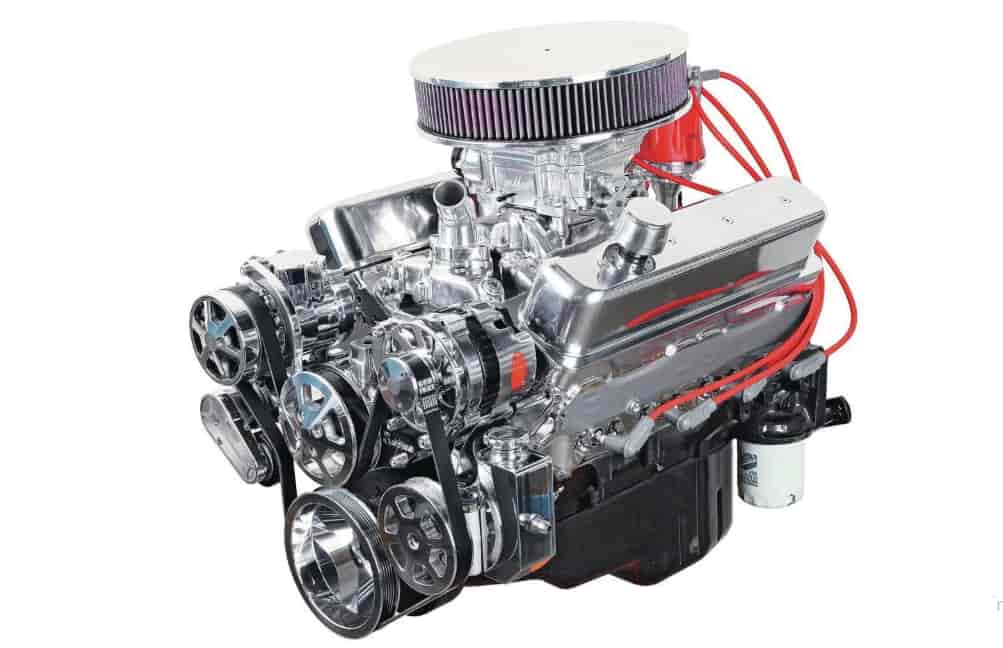
ZZ4 Crate Engine Overview
The ZZ4 crate engine is one of the most well known small block V8 engines from Chevrolet Performance. It is built on the classic 350 cubic inch platform and delivers a strong balance between traditional muscle car feel and dependable performance. To fully understand ZZ4 Crate Engine Specs, you need to see how this engine fits into real world builds.
This engine uses a 5.7 liter V8 layout with a compact and simple design. It keeps the traditional small block Chevy structure, which makes it easy to install and widely compatible. Many builders prefer this setup because it avoids the complexity found in modern engines. You can work on it more easily and maintain it without advanced tools.
The ZZ4 is often used in muscle car restorations, restomod projects, and engine swaps. It fits well in classic vehicles where owners want more power without losing the original driving experience. The engine delivers strong low end torque and a responsive feel, which makes it ideal for street performance.
Another advantage is its crate engine format. You receive a complete package, so you do not need to search for separate components. This reduces build time and avoids compatibility issues.
The ZZ4 remains a solid choice for drivers who want reliable power, simple installation, and a true V8 character. It may not offer modern technology, but it delivers consistent performance and a driving experience that many enthusiasts still prefer.
ZZ4 Crate Engine Specs
Understanding the ZZ4 Crate Engine Specs is essential if you want to evaluate its true performance and suitability for your build. This engine was designed to deliver strong, usable power with a focus on reliability and street performance. The specifications below highlight why the ZZ4 remains a popular choice among enthusiasts.
Key Specifications
- Engine type: 350 cubic inch V8
- Displacement: 5.7 liters
- Horsepower: 355 HP at 5,250 RPM
- Torque: 405 lb ft at 3,500 RPM
- Compression ratio: 10.0 to 1
- Cylinder heads: Aluminum Fast Burn heads
- Camshaft: Hydraulic roller camshaft
- Fuel system: Carbureted
- Ignition system: HEI distributor
These ZZ4 Crate Engine Specs show a well balanced engine built for strong low and mid range performance. The 355 horsepower may not seem extreme by modern standards, but the 405 lb ft of torque gives the engine excellent acceleration and responsiveness in real driving conditions.
The use of aluminum cylinder heads helps reduce overall weight while improving airflow. This directly supports better combustion efficiency and power delivery. The hydraulic roller camshaft also improves durability and reduces maintenance compared to older flat tappet designs.
Another important detail is the carbureted fuel system. While it lacks the precision of modern fuel injection, it offers simplicity and easier tuning for many users. This is especially valuable for builders who prefer hands on control over their setup.
Overall, these ZZ4 Crate Engine Specs reflect an engine that focuses on usable power, mechanical simplicity, and long term reliability rather than cutting edge technology.
ZZ4 Horsepower and Torque Explained
To fully understand the ZZ4 Crate Engine Specs, you need to look beyond the raw numbers and focus on how horsepower and torque translate into real driving performance. Many buyers see 355 horsepower and wonder if it is still competitive. The answer depends on how the power is delivered, not just the peak number.
The ZZ4 produces 355 horsepower at higher RPM, but its real strength comes from 405 lb ft of torque available at a much lower RPM range. This means the engine delivers strong pulling power early, which creates quick acceleration and a responsive feel in everyday driving. Instead of needing high revs to feel power, the ZZ4 provides immediate force when you press the throttle.
This torque focused performance makes the engine ideal for street use. In real conditions, especially in city driving or quick launches, torque matters more than peak horsepower. The ZZ4 responds quickly at low and mid range speeds, which gives drivers a more engaging and controllable experience.
Another important point is how this compares to modern engines. Many newer engines produce higher horsepower numbers, but they often reach peak power at higher RPM levels. This can make them feel less responsive at lower speeds unless properly tuned. In contrast, the ZZ4 delivers consistent and predictable power without requiring aggressive driving.
For users who worry that 355 horsepower is not enough, the real world performance often proves otherwise. The combination of strong torque, simple power delivery, and instant throttle response makes the ZZ4 feel more powerful than the numbers suggest. This is one of the key reasons why the engine remains popular in classic builds and street performance projects.
Key Features of the ZZ4 Engine
The ZZ4 crate engine stands out because of several well engineered components that directly impact performance, durability, and ease of use. To truly understand ZZ4 Crate Engine Specs, you need to look at these features and how they improve real world driving.
One of the most important highlights is the use of aluminum Fast Burn cylinder heads. These heads improve airflow and combustion efficiency, which helps the engine produce more power without increasing displacement. They also reduce overall engine weight, which benefits handling and balance in many builds.
The hydraulic roller camshaft is another key feature. It reduces internal friction and improves long term reliability. Unlike older designs, it requires less maintenance and offers smoother operation. This makes the engine more suitable for daily driving and long term use.
The ZZ4 also includes a high flow intake manifold. This component ensures better air and fuel distribution across all cylinders. As a result, the engine delivers more consistent power and improved throttle response. Drivers often notice a smoother and more predictable acceleration curve.
Another important feature is the HEI ignition system. It provides strong and reliable spark delivery, which improves combustion stability. This helps the engine run more efficiently and reduces the chances of misfires. It also simplifies the ignition setup, making installation easier for most users.
These features work together to create an engine that balances performance with simplicity. The ZZ4 does not rely on complex electronics, yet it still delivers strong and reliable output. This combination is one of the main reasons why many enthusiasts continue to choose it for classic builds and street projects.
Real World Performance
Understanding ZZ4 Crate Engine Specs on paper is useful, but real world performance is what truly matters. Many engines deliver strong numbers in theory, yet feel different once installed. The ZZ4 stands out because it provides consistent and predictable performance in actual driving conditions.
In real use, the engine delivers strong low end and mid range power. This creates quick throttle response and smooth acceleration. Drivers often notice that the car feels powerful even without pushing the engine to high RPM. This behavior makes the ZZ4 ideal for street driving, where instant response is more valuable than peak output.
Acceleration is one of the most noticeable strengths. In a typical muscle car build, the ZZ4 can achieve impressive 0 to 60 times, especially when paired with proper gearing and traction. The high torque output allows the car to launch quickly and maintain steady pulling power through the gears.
Another important factor is driving feel. The ZZ4 offers a raw and mechanical experience that many modern engines cannot replicate. The throttle response feels direct, and the power delivery remains linear. This creates a more engaging connection between the driver and the car.
Reliability also plays a major role in real world performance. The ZZ4 performs consistently over time without requiring complex tuning or constant adjustments. This reduces stress for owners who want a dependable setup.
Overall, the ZZ4 delivers performance that feels stronger than its specifications suggest. It combines usable power, smooth response, and long term reliability, which explains why it remains a popular choice for both classic and street builds.
Pros and Cons of the ZZ4 Crate Engine
When evaluating ZZ4 Crate Engine Specs, it is important to look at both strengths and limitations. This helps you decide whether the engine truly fits your needs instead of relying only on performance numbers.
Advantages
The ZZ4 offers strong reliability. Its simple small block design allows easy maintenance and long term durability. Many users choose it because it runs consistently without requiring complex tuning.
Installation is another major advantage. The engine fits a wide range of classic vehicles, which makes it ideal for swaps and restorations. Builders can complete projects faster without dealing with complicated wiring or electronics.
The torque delivery is also a key strength. With 405 lb ft available at lower RPM, the engine provides quick acceleration and responsive driving. This makes it very suitable for street use and daily driving.
Another benefit is the classic V8 driving feel. The engine delivers a raw and engaging experience that many modern engines cannot match. This is especially valuable for enthusiasts who want to preserve the character of older vehicles.
Disadvantages
Despite its strengths, the ZZ4 does have limitations. The most obvious drawback is its lower peak horsepower compared to modern engines. Some users may find 355 HP insufficient for high performance builds.
Fuel efficiency is another concern. The carbureted setup consumes more fuel than modern fuel injected systems. This can increase long term running costs.
The engine also has a limited upgrade ceiling. While it can be improved, it does not offer the same scalability as newer platforms like LS engines.
Overall, the ZZ4 remains a strong choice for reliability and simplicity, but it may not suit users who want maximum performance or modern efficiency.
Upgrade Potential of the ZZ4 Engine
While the ZZ4 performs well in its stock form, many users still want more power and flexibility. Understanding upgrade options is an important part of evaluating ZZ4 Crate Engine Specs, especially if you plan to push performance beyond factory limits.
One of the most common upgrades is a camshaft replacement. A more aggressive cam can increase horsepower and improve high RPM performance. This upgrade helps the engine breathe better and unlock additional power, but it may slightly reduce low end smoothness if not tuned correctly.
The intake system is another area with strong potential. Upgrading to a high performance intake manifold or improving the carburetor setup can enhance airflow and fuel delivery. This results in better throttle response and a noticeable gain in overall performance.
Many builders also choose to upgrade the carburetor or convert the engine to electronic fuel injection. An EFI conversion improves fuel control, starting reliability, and efficiency. This upgrade addresses one of the main weaknesses of the ZZ4 while keeping its core characteristics intact.
Cylinder head improvements can also deliver gains, although the stock aluminum heads already perform well. For more advanced builds, porting or upgrading heads can increase airflow and support higher horsepower targets.
It is important to understand that the ZZ4 has a practical performance ceiling. While you can push it beyond 400 horsepower with the right upgrades, it does not scale as easily as modern engine platforms. This means you should plan your build carefully to avoid unnecessary costs.
Overall, the ZZ4 offers solid upgrade potential for street performance. With the right modifications, you can improve power and drivability while maintaining the engine’s reliability and classic feel.
ZZ4 vs Modern Engines
When analyzing ZZ4 Crate Engine Specs, many users naturally compare it with modern engine platforms such as LS engines. This comparison helps clarify whether the ZZ4 still makes sense in today’s performance landscape or if newer technology offers better value.
The biggest difference lies in design philosophy. The ZZ4 follows a traditional small block structure with a carbureted system and minimal electronics. In contrast, modern engines use advanced fuel injection, electronic control units, and optimized airflow systems. These improvements allow newer engines to produce more power with better efficiency.
In terms of raw numbers, modern engines often deliver higher horsepower. For example, many LS engines easily exceed 400 horsepower in stock form. They also offer better fuel economy and more precise tuning. This makes them attractive for users who want maximum performance and modern drivability.
However, the ZZ4 still holds strong advantages in simplicity and ease of use. It does not require complex wiring or advanced tuning knowledge. This makes installation faster and more accessible, especially for classic car builds. Many users prefer this straightforward approach because it reduces both cost and technical challenges.
Another important factor is driving experience. The ZZ4 delivers a more mechanical and direct feel. Power comes in smoothly with strong low end torque, which creates a classic muscle car sensation. Modern engines, while more powerful, often feel more refined and less raw.
Cost and build goals also play a key role. If you want a simple, reliable engine with a traditional feel, the ZZ4 is a strong choice. If you prioritize maximum horsepower, efficiency, and scalability, modern engines may be the better option.
In the end, the decision depends on your priorities. The ZZ4 is not outdated, but it serves a different purpose. It focuses on simplicity, character, and reliable performance rather than cutting edge technology.
Conclusion
After reviewing the full ZZ4 Crate Engine Specs, it becomes clear why this engine continues to hold its place in the performance world. It may not compete with modern engines in terms of peak horsepower or advanced technology, but it delivers something equally valuable. The ZZ4 offers reliable power, strong torque, and a simple design that many builders still prefer today.
For drivers who want a dependable engine with a classic V8 feel, the ZZ4 remains a strong choice. It performs well in real world conditions, provides responsive acceleration, and avoids the complexity found in newer platforms. This makes it ideal for muscle car restorations, restomod builds, and straightforward engine swaps.
At the same time, it is important to match the engine with your goals. If you are looking for maximum performance, high efficiency, or future scalability, modern engines may offer better long term value. However, if you prioritize ease of installation, mechanical simplicity, and an authentic driving experience, the ZZ4 continues to deliver.
Ultimately, understanding ZZ4 Crate Engine Specs helps you make a smarter decision. It is not about choosing the newest option, but choosing the right engine for your specific needs.
So the real question is this. Are you building for modern performance, or are you chasing the timeless feel of a true small block V8?